Basil — health benefits and uses
Flavor-first apothecary angle; use food amounts rather than supplement claims
The Short Answer
Basil is a nutrient-dense herb that provides over 100% of the daily value for Vitamin K in a single cup. It contains powerful antioxidants like rosmarinic acid and eugenol which may offer anti-inflammatory and antimicrobial benefits.

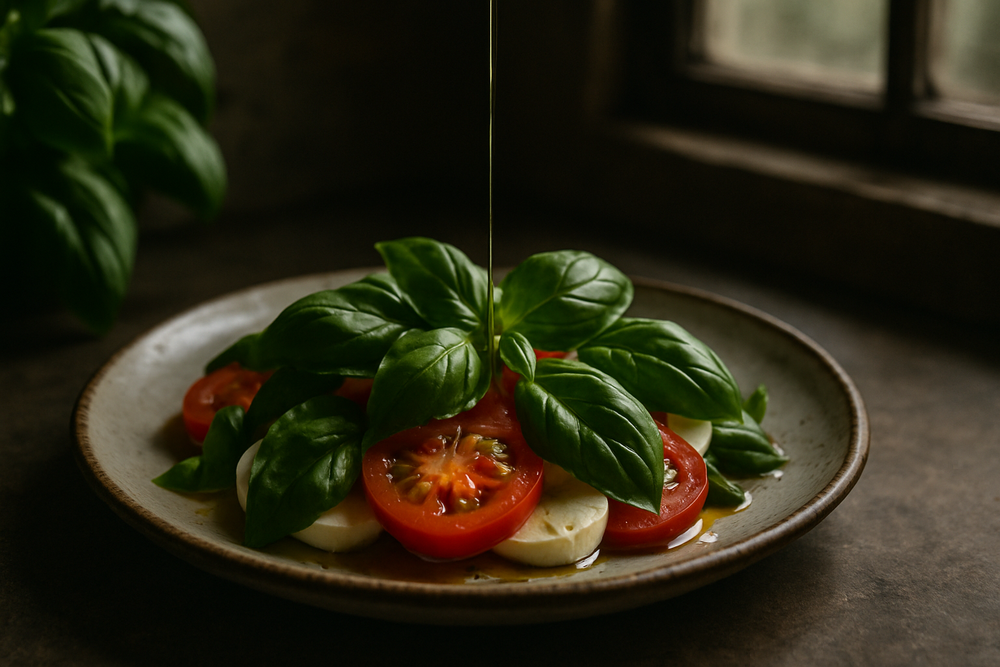
Basil · Photograph
Basil (Ocimum basilicum) is more than just a fragrant addition to your pasta sauce. This beloved culinary herb packs impressive antioxidant compounds and shows promising anti-inflammatory effects in early research. While most studies are still in laboratory settings, basil's rich profile of polyphenols and essential oils suggests meaningful health potential.
Key Nutrients
% Daily Value based on 2,000 cal diet
Key active compounds in basil
Basil's health effects come from several classes of bioactive compounds:
• Rosmarinic acid - The primary phenolic compound with potent antioxidant and anti-inflammatory properties • Linalool - A volatile oil providing antimicrobial and anti-inflammatory effects • Caffeic acid - A phenolic acid with cardioprotective and immune-supporting activities • Chicoric acid - Works synergistically with other phenolics for enhanced antioxidant effects • Beta-carotene and lutein - Carotenoid pigments supporting eye health and cellular protection • Anthocyanins - Purple pigments in dark basil varieties with exceptional antioxidant power • Eugenol - A phenylpropanoid contributing antimicrobial and antioxidant activities
Common pairings that maximize basil benefits
Strategic food combinations can enhance basil's effects:
Basil + tomatoes: The lycopene in tomatoes pairs synergistically with basil's polyphenols for enhanced antioxidant activity. The classic caprese combination isn't just delicious—it's nutritionally smart.
Basil + olive oil: Fat-soluble compounds in basil like beta-carotene are better absorbed when paired with healthy fats. Pesto and oil-based basil sauces optimize bioavailability.
Basil + garlic: Both herbs contain sulfur compounds and phenolics that may work together for enhanced antimicrobial and cardiovascular benefits. This combination appears in cuisines worldwide for good reason.
Buying guide: Getting the most from your basil
Fresh basil selection: Look for bright green leaves without dark spots or wilting. Stems should be firm and aromatic. Organic varieties may have higher polyphenol content due to plant stress responses.
Storage tips: Keep fresh basil at room temperature in water like cut flowers, or refrigerate in slightly damp paper towels. Avoid washing until ready to use to prevent premature spoilage.
Growing your own: Homegrown basil often has superior flavor and bioactive content compared to store-bought. Purple varieties like 'Dark Opal' contain the highest anthocyanin levels for maximum antioxidant benefits.
Supplement considerations: If choosing basil extracts or essential oils, look for CO₂ extraction methods that preserve heat-sensitive compounds. However, food sources are generally preferable for safety and bioavailability.
Prep and pairing ideas for daily basil use
Incorporate basil's health benefits through simple daily practices:
• Morning smoothies: Add 4-5 fresh basil leaves to green smoothies for a subtle herbal note • Infused water: Muddle fresh basil in water or sparkling water for hydrating antioxidant benefits • Salad enhancement: Tear fresh basil over mixed greens just before serving • Cooking timing: Add fresh basil at the end of cooking to preserve volatile compounds • Pesto variations: Make nutrient-dense pestos with basil, nuts, olive oil, and garlic • Tea blends: Steep fresh basil leaves in hot water for 5-7 minutes for a therapeutic tea
Bottom line on basil health benefits
Basil offers legitimate health potential through its rich profile of antioxidant compounds, particularly rosmarinic acid and essential oils. Laboratory research supports anti-inflammatory and antimicrobial properties, with emerging evidence for blood sugar and cardiovascular benefits.
Fresh basil is significantly superior to dried forms for health benefits. Culinary amounts appear safe for most people, though those on blood-thinning medications should monitor their vitamin K intake.
While human clinical trials are still needed to confirm therapeutic effects, basil's excellent safety profile and nutritional density make it a smart addition to a health-focused diet. The herb works best as part of an overall pattern of whole foods and plant compounds rather than as a single intervention.
How Basil Compares
| Compared with | What's different |
|---|---|
| Basil vs. Thai Basil | Thai basil has a sturdy, serrated leaf and a distinct licorice or anise flavor profile. |
| Basil vs. Mint | Mint contains menthol and has a cooling effect, whereas basil is peppery and savory. |
| Basil vs. Oregano | Oregano has smaller, earthier leaves and is typically used dried rather than fresh. |
Health Benefits
Things to Know
Blood-thinning medications: Basil contains vitamin K which may affect warfarin and similar medications. Monitor intake and consult your healthcare provider.
Pregnancy and breastfeeding: Culinary amounts are generally safe, but avoid concentrated extracts or essential oils without medical guidance.
Allergies: Those allergic to plants in the mint family (Lamiaceae) should use caution with basil.
Medication interactions: High polyphenol content in concentrated forms may affect drug metabolism, though specific interactions aren't well-documented.
Start gradually: Begin with small amounts (1-2 teaspoons fresh) and increase as tolerated, especially if you're sensitive to herbs.
Prep Ideas
- — Morning smoothies: Add 4-5 fresh basil leaves to green smoothies for a subtle herbal note
- — Infused water: Muddle fresh basil in water or sparkling water for hydrating antioxidant benefits
- — Salad enhancement: Tear fresh basil over mixed greens just before serving
- — Cooking timing: Add fresh basil at the end of cooking to preserve volatile compounds
- — Pesto variations: Make nutrient-dense pestos with basil, nuts, olive oil, and garlic
- — Tea blends: Steep fresh basil leaves in hot water for 5-7 minutes for a therapeutic tea
Shop This Ingredient
Stock your pantry with quality basil.
Buy on AmazonAs an Amazon Associate, Plantopedia earns from qualifying purchases. This costs you nothing extra and helps us keep the encyclopedia free.
Frequently Asked Questions
Research suggests several areas where basil may support health, though human clinical trials are still limited: Heart and circulation Caffeic acid in basil shows cardioprotective activity in research models. The herb's antioxidant compounds may help protect against oxidative stress that contributes to cardiovascular issues. However, human studies specifically testing basil and heart health outcomes are not yet available. Digestive health and microbiome Basil's antimicrobial and antifungal properties from essential oils like linalool suggest potential digestive benefits. Laboratory studies show activity against various harmful microorganisms, though we need human gut microbiome studies to understand real-world effects. Blood sugar and metabolism Early research indicates basil extract may possess antidiabetic properties, but specific human clinical trials measuring blood sugar responses are limited. The mechanisms likely involve antioxidant protection and cellular metabolic support. Inflammation and recovery In vitro studies demonstrate that basil's phenolic compounds—particularly rosmarinic, caffeic, and chicoric acids—exhibit anti-inflammatory activity. Linalool also shows anti-inflammatory and analgesic properties in research contexts. However, human trials testing these effects in inflammatory conditions are needed.
Fresh basil is strongly preferred for health benefits. The drying process causes most essential oils and polyphenols to disappear, significantly reducing the bioactive compound content compared to fresh leaves. Dried basil retains some nutritional value but lacks the volatile compounds and many polyphenols that contribute to fresh basil's therapeutic potential. Basil essential oil provides concentrated terpenes and phenylpropanoids but requires careful dilution and dosing. It's primarily used in aromatherapy and topical applications rather than internal consumption. Basil extracts using supercritical CO₂ extraction can yield high concentrations of rosmarinic acid and other bioactives, though these are typically used in supplement forms rather than culinary applications.
No standardized dosages exist from human clinical trials. Guidance based on traditional use and safety: • Culinary amounts: 2-3 tablespoons (5-15g) fresh basil daily is commonly used and well-tolerated • Therapeutic use: Some traditional systems use higher amounts, but human safety data is limited • Start low: Begin with 1-2 teaspoons fresh basil and gradually increase • Listen to your body: Reduce intake if you experience digestive upset or other reactions • Consistency matters: Regular, moderate use is likely more beneficial than occasional large amounts Remember that basil works best as part of an overall healthy diet rather than as a therapeutic intervention on its own. Ready to explore personalized nutrition plans that incorporate antioxidant-rich herbs like basil? Check out our meal planner for evidence-based guidance on building nutrient-dense meals.
Quick Answers
Common questions, answered in a line.
Basil contains several bioactive compounds including rosmarinic acid, linalool, caffeic acid, chicoric acid, eugenol, and carotenoids like beta-carotene and lutein. Purple varieties also contain anthocyanins. These components work together to provide antioxidant, anti-inflammatory, and antimicrobial effects.
Pairing basil with tomatoes, olive oil, and garlic can maximize its nutritional benefits. The lycopene in tomatoes works synergistically with basil's polyphenols, while healthy fats in olive oil help the body absorb fat-soluble compounds like beta-carotene.
People taking blood-thinning medications like warfarin should monitor their basil intake because the herb contains vitamin K. Additionally, those with allergies to the Lamiaceae (mint) family should exercise caution when consuming basil.
Fresh basil leaves should be bright green, firm, and highly aromatic without any dark spots or wilting. Choosing organic varieties may offer higher polyphenol content, and homegrown purple varieties often provide the highest levels of antioxidant anthocyanins.
To keep basil fresh, store it at room temperature in a glass of water like cut flowers or wrap it in slightly damp paper towels for the refrigerator. Only wash the leaves immediately before use to prevent them from spoiling prematurely.
Add fresh basil at the end of the cooking process to preserve its heat-sensitive volatile oils and bioactive compounds. For everyday use, you can also muddle leaves into water, blend them into smoothies, or tear them over salads just before serving.
While culinary amounts of basil are generally safe during pregnancy, you should avoid concentrated basil extracts or essential oils without medical guidance. It is always best to stick to food-based sources of the herb during these times.
For Readers in the USA
Local context — sourcing, seasonality, and regional notes.
Fresh basil is a warmth-loving crop available year-round in US supermarkets, but it reaches its peak season at farmers markets from June through September. In colder USDA zones, it is strictly a summer herb, while southern states like Florida and California can produce it longer into the fall.
Sweet Genovese is the standard green variety found in most US grocery stores, while Thai basil and various purple cultivars are increasingly common in specialty markets. Look for the USDA Organic seal to ensure the herb was grown without synthetic pesticides, which is particularly common at retailers like Whole Foods and Sprouts.
Americans traditionally use basil in Italian-inspired dishes like pesto or Caprese salad, and as a staple topping for wood-fired pizzas and pasta. In recent years, its use has expanded into the American beverage scene, appearing in craft cocktails, kombuchas, and herbal-infused waters across the country.
AI Clinical Review
- Basil (Ocimum basilicum) contains polyphenols like rosmarinic and caffeic acids and aromatic compounds such as linalool and eugenol that show antioxidant and anti-inflammatory activity in lab studies. • Fresh basil is a practical, food-first way to add these compounds; adding it near the end of cooking helps preserve volatile oils. • Culinary pairings (e.g., with tomatoes and olive oil) can improve absorption of fat‑soluble carotenoids and create complementary antioxidant effects. • Safety callouts are appropriate: keep vitamin K intake consistent if you use warfarin, and avoid concentrated essential oils in pregnancy without clinical guidance.
- Most findings for sweet basil come from cell or animal models; high‑quality human trials on inflammation, cardiovascular risk, microbiome outcomes, and glucose control are limited, so clinical effect sizes and doses are not established. • Reported amounts of vitamins and polyphenols vary by cultivar, growing conditions, and measurement methods; treat exact numbers and “best variety” claims as estimates rather than fixed values. • Antimicrobial results in the lab do not automatically translate to meaningful changes in human gut health or infection risk. • Research on holy basil (Ocimum sanctum/tenuiflorum) is distinct; results from that species should not be assumed to apply to culinary sweet basil.
- Reasonable food use: 2–3 tablespoons (about 5–15 g) fresh basil per day is typical and well‑tolerated; there is no clinically established “therapeutic” dose for sweet basil. • Forms differ: drying reduces volatile oils substantially, though some polyphenols remain; ingesting essential oil is not recommended—topical or aromatherapy use requires proper dilution. • Check with a clinician if you take anticoagulants (vitamin K consistency), diabetes medications (theoretical additive glucose‑lowering with extracts), or have known Lamiaceae (mint‑family) allergies. • Pregnancy and breastfeeding: stick to culinary amounts and avoid high‑dose extracts or essential oils unless advised by your healthcare provider.
Use culinary framing; avoid treatment claims or supplement-dose guidance.
References
- USDA FoodData Central - Basil nutritional composition (fdc.nal.usda.gov)
- PMC research review - Basil bioactive compounds and antioxidant capacity (pmc.ncbi.nlm.nih.gov)
- Comparative analysis of basil varieties and phenolic content (ffhdj.com)
- PMC nutritional study - Basil, thyme and sage mineral comparison (pmc.ncbi.nlm.nih.gov)
- WebMD - Health benefits overview and safety information (webmd.com)
- Research journal - Basil phytonutrient analysis (graphyonline.com)
- Precision Nutrition - Evidence-based basil health information (precisionnutrition.com)
- Green Jeeva - Holy basil nutrition and traditional uses (greenjeeva.com)
Know Your Numbers
Eating healthy is a start. Now get to know your biomarkers.
Food changes bloodwork — inflammation, lipids, blood sugar and nutrient status all respond to what you eat. 59 markers from $59.
- Results in 7–10 days at 2,000+ Quest sites
- Licensed provider reviews every result
- One flat price, no membership, HSA/FSA eligible
Educational information only, not medical advice. Panels are ordered and reviewed through our licensed partner; Plantopedia may earn a commission.