Guide
Anti-Inflammatory Breakfast Ideas
Eight breakfast templates built from whole grains, fruit, legumes and unsaturated fats, with the reasoning behind each, easy substitutions, and honest limits on what a single meal can do.
Browse the encyclopedia by the outcome you care about most.
Plant foods that support cardiovascular function, healthy cholesterol, and blood pressure.
Fiber-rich foods and gut-friendly compounds that nourish the microbiome.
Foods rich in polyphenols and omega-3s that help calm chronic inflammation.
Low-glycemic foods that help steady glucose response after meals.
Foods linked to cognition, memory, and long-term neurological resilience.
Vitamin- and antioxidant-dense foods that support immune function.
Pigment-rich foods that neutralize oxidative stress.
Foods supplying calcium, magnesium, vitamin K and the cofactors bones need.
Filling, fiber-forward foods that support satiety and balanced energy intake.
Foods rich in carotenoids, vitamin C and healthy fats that nourish skin.
Complex carbohydrates and B-vitamin foods for steady, sustained energy.
Foods that support the liver's natural detoxification pathways.
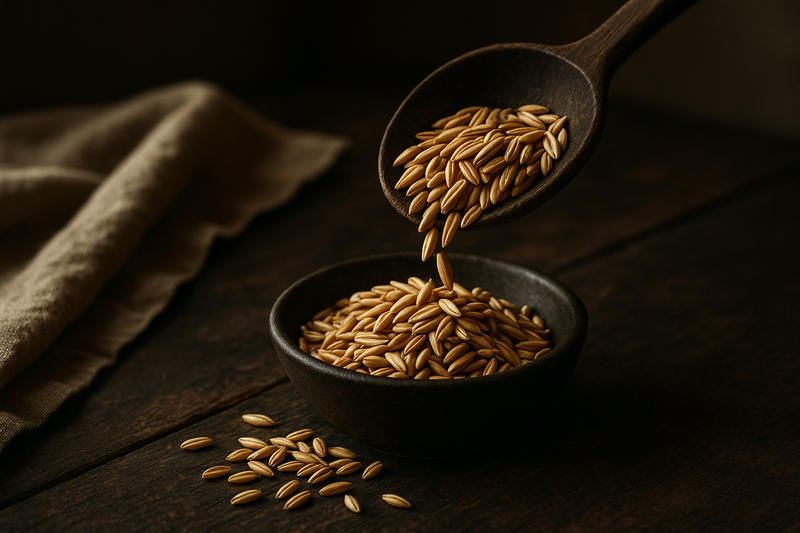
Eight breakfast templates built from whole grains, fruit, legumes and unsaturated fats, with the reasoning behind each, easy substitutions, and honest limits on what a single meal can do.
Breakfasts built around protein, fiber, and slow-digesting carbohydrates, rather than sugar and refined starch alone, are the most consistent way to support steady blood sugar and mental clarity through the morning. No single breakfast food is a proven cognitive enhancer, but research links...
Mental clarity in the morning comes from meal shape, not a hero ingredient. Here is the pattern, eight breakfasts that follow it, and an honest read of the evidence.

The evening snacks with the most direct clinical trial evidence share a few traits: some natural melatonin or its building block tryptophan, magnesium, and a modest amount of carbohydrate, without the large or fatty meal that can disrupt digestion and sleep instead of helping it. Tart cherries...
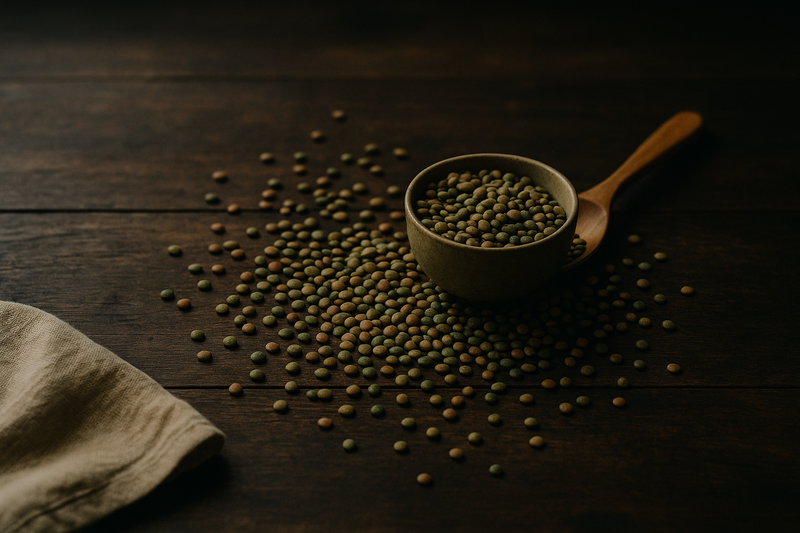
The gut lining, a single layer of cells covered in mucus and sealed by tight junctions, is best supported by a dietary pattern rich in diverse fiber, polyphenols, and some fermented foods, not any one ingredient. Fermentable fibers from legumes, oats, and vegetables feed bacteria that produce...

Nitrate-rich greens, cocoa flavanols, olive oil, nuts, berries and legumes have the most direct human evidence for vascular function. Most of that evidence is biomarker evidence, and this article says so.
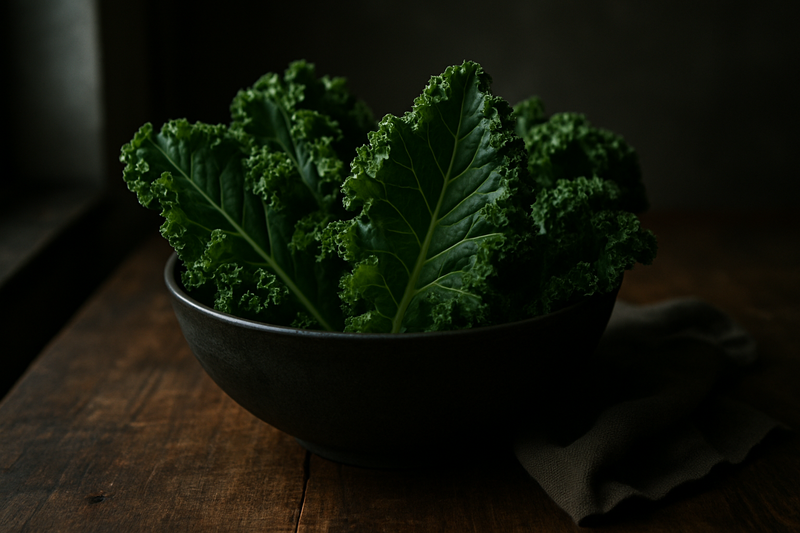
A body-systems look at the foods with the most credible human evidence for attention and memory over time, including the trial that found no benefit and why that result matters.
High-fiber plants eaten in variety plus a small daily serving of genuinely fermented food is the combination with the best human evidence behind it. Here is the food list, the dosing, and the cautions.

Observational studies consistently link a Mediterranean or MIND-style pattern to slower cognitive decline, while randomized trials have been far more modest. Here is what each food contributes, and why the pattern and your vascular health matter more than any single item.
Gut bacteria run on fermentable carbohydrate your own enzymes cannot digest. Here are the foods with the best human evidence behind them, how to introduce them without wrecking your week, and the honest limits of what microbiome research can currently claim.
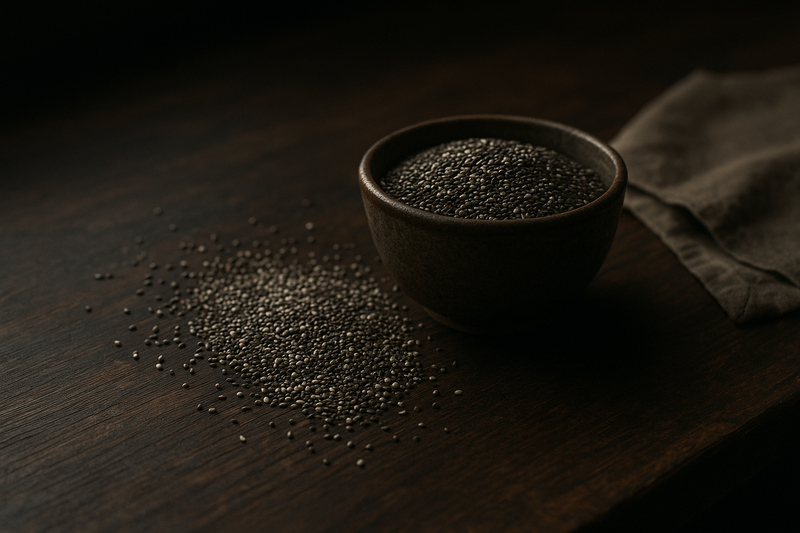
If bloating is a recurring problem, the most consistent evidence points to lowering your total intake of rapidly fermentable carbohydrates (FODMAPs) rather than adding one "de-bloating" food. Whole plant foods like ripe kiwi, oats, well-pressed firm tofu, cooked spinach, less-ripe banana, chia...
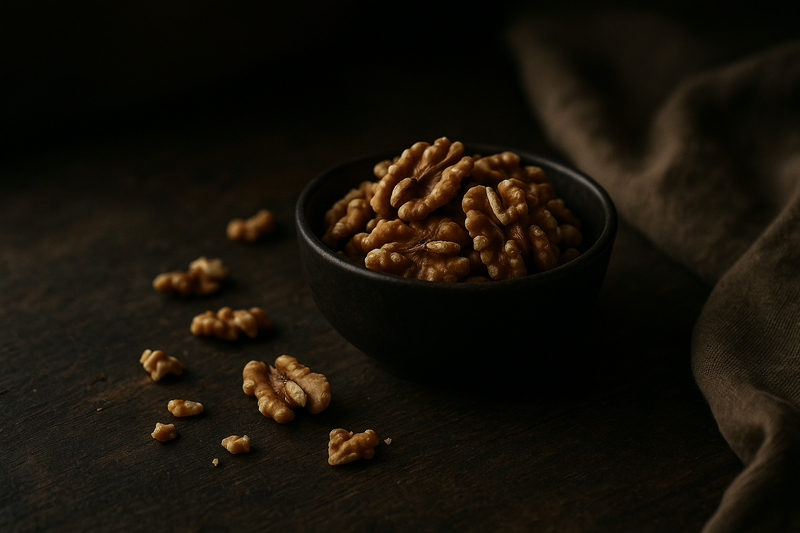
Walnuts, almonds, pistachios, pecans, hazelnuts, flaxseed and chia have the strongest human trial evidence for blood lipids, at about one ounce a day. Here is what the pooled trials show, how certain that evidence is, and how to work nuts into a pattern rather than bolt them on.
The plant foods that show up most consistently in cognitive aging research, the criteria used to select them, and an honest account of what randomized trials have and have not demonstrated.

Kiwifruit, prunes, ground flaxseed, legumes, and whole grains have the best trial evidence among plant foods for relieving occasional constipation, mostly by adding bulk, water, and fermentable fiber to stool. Two to three kiwifruit or 50 to 100 grams of prunes (about 5 to 10) daily are the...
Legumes, oats and barley, nuts, extra virgin olive oil, soy foods and vegetables carry the most credible human evidence for cardiovascular health. Here is what each one does, at what dose, and where the limits are.

An evidence-weighted look at the plant foods most consistently linked to lower inflammatory markers, and the honest limits of what food can do.
A practical, evidence-checked look at the plant foods most likely to support steady energy through the day, why the overall eating pattern matters more than any single item, and when persistent fatigue needs a clinician rather than a grocery list.
Waking up in the middle of the night can sometimes relate to blood sugar swings, either a drop (nocturnal hypoglycemia, mainly relevant for people on insulin or certain diabetes medications) or a rebound rise after a low, but this is one of several possible causes, not the most common one for...

Blood sugar balance means keeping your blood glucose from swinging too high or crashing too low after meals, largely by pairing carbohydrates with fiber, protein, and fat, moving your body regularly, and favoring whole foods over refined ones. For most people without diabetes, this is about...
Chia seeds, flaxseed, and oats all relieve occasional constipation, but not through identical routes. Chia forms a thick mucilage gel almost immediately in water and performed as well as psyllium and a standard laxative in a recent clinical trial. Ground flaxseed reduced constipation symptom...
Why timing, portion size, fat load and texture decide whether an evening meal disturbs your night, plus eight gentle dinners and snacks with substitutions and cautions.

A head-to-head look at the two most popular gut strategies: what the single randomized trial comparing them found, what the long-term data say, and how to decide which one to work on first.
Brine ferments, dry-salted krauts, bran beds and water kimchi explained — which contain live cultures, how much to eat, and an index of every fermented vegetable on Plantopedia.
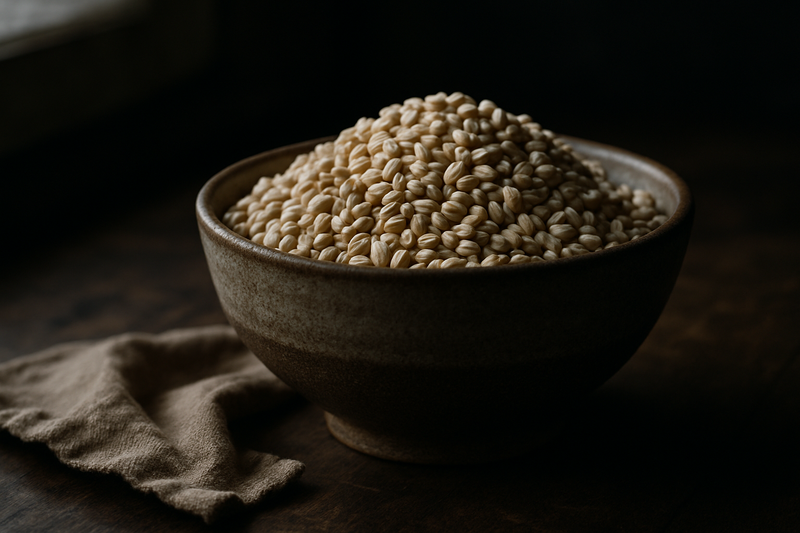
Soluble fiber can modestly lower LDL, or "bad," cholesterol by binding bile acids in the gut, which forces the liver to pull more cholesterol out of the blood to make replacement bile acids. Randomized trials show this effect is real but modest, with regular intake of fiber sources like oats,...
A step-by-step explanation of how dietary fiber becomes short-chain fatty acids in the colon, what randomized trials and large cohorts actually show, and why a good mechanism is not the same as a proven benefit.
Fatigue has many possible causes, and diet is only one of them, but a common contributor is the energy dip after a sharp rise and fall in blood sugar following a high-glycemic meal. Foods combining fiber, protein, and healthy fat, such as legumes, whole grains, nuts, and seeds, raise blood...
The early-afternoon dip is partly circadian and partly postprandial. You cannot delete the first, but meal size, carbohydrate quality and a short walk change how hard the second lands.
For constipation, the foods with the best evidence are kiwi and prunes: in randomized trials, two to three kiwi a day or two servings of prunes daily increased weekly bowel movements and softened stool as well as, or better than, psyllium fiber supplements. Pairing fiber-rich foods with enough...

No single food will fix joint stiffness, and anyone who tells you otherwise is overselling it. But a consistent eating pattern built around vegetables, fruit, whole grains, legumes, nuts, seeds, and olive oil is linked in clinical trials to modest reductions in joint pain and morning stiffness,...
LDL cholesterol carries cholesterol particles into artery walls, where they contribute to the plaque buildup behind heart attacks and stroke. A specific group of plant foods, oats and barley, ground flaxseed, legumes, soy, walnuts, almonds, and avocado, has randomized controlled trial evidence...
Only a few whole foods have been tested directly against human sleep outcomes, and the effects are modest. Here is what the trials show, what rests on mechanism alone, and how to use food sensibly alongside sleep timing, caffeine and alcohol.

Bloating has less to do with any single "bad" food and more to do with how much fermentable carbohydrate reaches your gut at once, how sensitive your gut is to stretching, and how quickly gas clears. The foods most consistently linked to bloating are beans and lentils, cruciferous vegetables...
No single food clears brain fog, but a specific cluster of foods has real research behind attention, processing speed, and steady mental energy: plant sources of omega-3 fats like walnuts and chia seeds, flavonoid-rich blueberries, leafy greens like spinach, whole grains such as oats, extra...
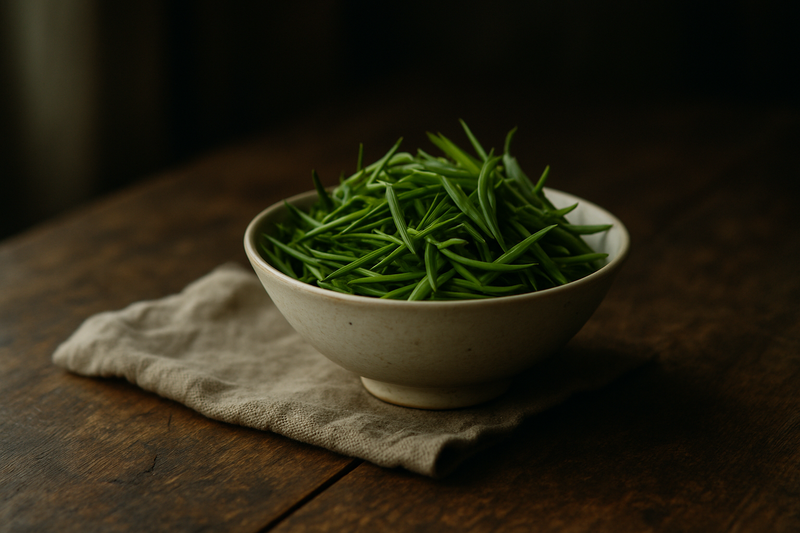
An evidence check on the foods people reach for when they need to concentrate, including where the effect is real, where it is small, and where the marketing has run ahead of the research.
A cluster of foods, legumes, intact whole grains, nuts, fatty fish, vinegar, and fiber-rich vegetables and berries, are consistently linked in research to better insulin sensitivity, mainly by slowing glucose absorption, improving fasting insulin and HOMA-IR markers, and supporting a healthier...
People who follow traditional dietary patterns, built around vegetables, legumes, whole grains, olive oil, and fermented foods, have consistently lower rates of depression in large observational studies than people eating a typical Western diet heavy in processed and refined foods. Foods tied to...
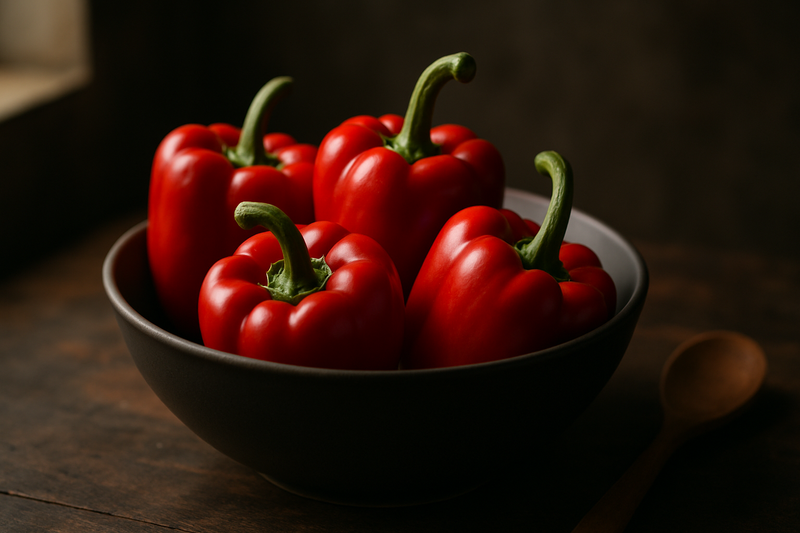
No food or supplement "boosts" immunity on demand, but a consistent pattern of foods rich in vitamin C, zinc, fiber, and plant compounds gives your immune system the raw materials it needs to function normally and supports recovery from everyday illness and physical stress. The strongest...

Brain fog, the fuzzy thinking, poor focus, and word-finding trouble many people describe, is linked to gut health through what researchers call the gut-brain axis: a two-way communication system between the digestive tract and the brain involving nerves, immune signaling, and molecules made by...
A plain-English starting point for gut health: what the microbiome is, what actually shifts it, and which popular claims do not hold up.
At-home gut microbiome tests analyze DNA from a stool sample to estimate which bacteria live in your colon, then compare that mix to reference data to generate a report on diversity, specific microbes, and sometimes diet or supplement suggestions. They can be genuinely interesting to look at,...
A store-section-by-store-section shopping list built on beans, intact whole grains, produce, nuts, seeds and olive oil, with the evidence behind each block. Includes substitutions, prep shortcuts and cautions for kidney disease, sodium restriction and anticoagulant users.
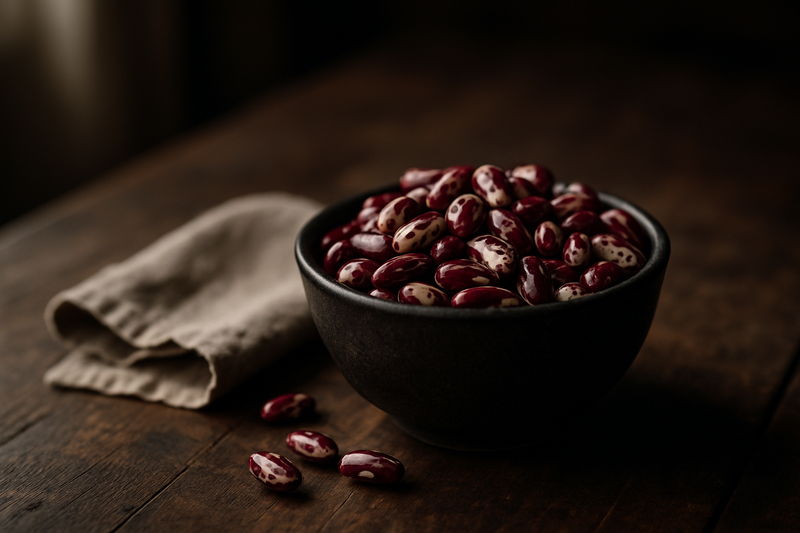
How heirloom and landrace beans differ from commodity legumes in texture, cooking time, and pigment — plus a full index of the varieties covered on Plantopedia.
An evidence-ranked list of high-fiber foods for metabolic health, with the selection criteria made explicit, realistic serving amounts, and guidance on who should adapt or be cautious.
Fiber contributes almost no calories of its own, but viscous fibers in oats, barley, beans and chia slow glucose absorption and extend fullness. Here are the foods with real human evidence behind them, and the honest limits of what fiber can do for tiredness.
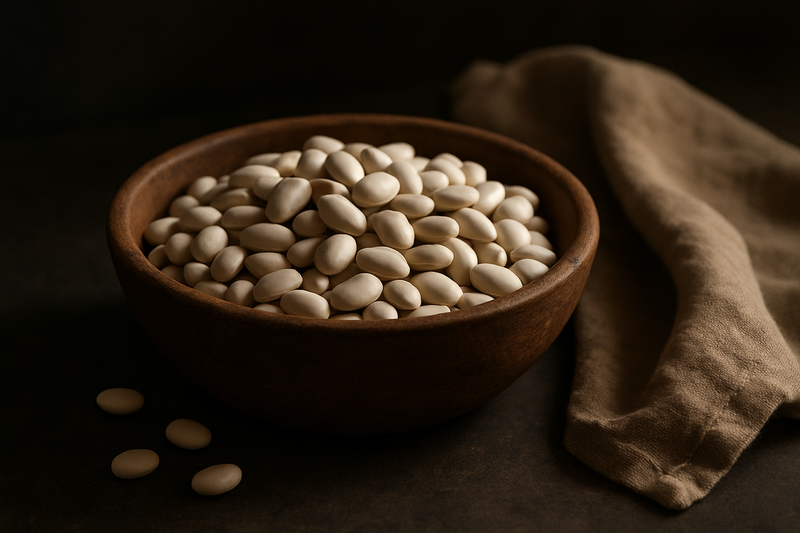
Whole foods dense in potassium, think white beans, potatoes eaten with the skin, leafy greens like spinach and swiss chard, avocado, and dried apricots, can play a modest, supporting role in blood pressure management. Potassium helps the body excrete sodium and eases tension in blood vessel...
Blood sugar swings, both up and down, can disrupt sleep through separate mechanisms. A drop in glucose overnight can trigger a stress-hormone response (adrenaline, cortisol, growth hormone) that wakes the body, causes sweating, or produces vivid dreams. Persistently high blood sugar before bed...

Large swings in blood sugar, a sharp rise after a high-sugar or refined-carbohydrate meal followed by a steep drop, can plausibly contribute to brain fog, the fuzzy, hard-to-concentrate feeling many people describe. The brain depends on a steady glucose supply, and both rapid drops...

Fiber can make bloating better or worse, and sometimes both, depending on the type of fiber, the amount, and how quickly you increase it. Fermentable fibers, found in beans, onion, wheat, and many fruits, feed gut bacteria that produce gas as a byproduct, which can stretch the intestine and feel...
A mechanism-first look at how dietary fiber and plant polyphenols interact with the gut, the immune system and inflammatory markers, and an honest account of what human trials can and cannot support.
A mechanism explainer: what happens to fiber after it leaves the small intestine, which microbes act on it, what they produce, and how much of that chain has been demonstrated in people rather than mice.
A beginner-friendly explanation of the actual routes by which food reaches the brain, the handful of principles that matter, and a starter plate you can build this week.
A plain-language walkthrough of how the gut and brain communicate, followed by an honest account of what human trials have and have not demonstrated.
The intestine holds a large share of the body's immune tissue, and resident microbes help calibrate it. Here is the mechanism in sequence, the human trial evidence, and an honest account of where the science stops.
Eating close to bedtime can disrupt sleep through at least three pathways: reflux from lying down soon after a meal, a shift in the body's internal clock because food helps set metabolic rhythms, and a sharper blood sugar rise on top of the insulin resistance the body naturally develops each...
Most adults need roughly 25 to 38 grams of fiber a day to support regular, comfortable bowel movements, with the target running lower for women (about 25 g under age 50, 21 g after) than for men (about 38 g under age 50, 30 g after), per Mayo Clinic and the Dietary Guidelines for Americans. Most...
What metabolism actually means, how plant-rich eating patterns influence insulin sensitivity and energy intake in trials, a simple starter plate, and the popular claims that do not hold up.
Plant foods feed the microbes in your large intestine, which ferment fiber into short-chain fatty acids. Variety across the week matters more than any single gut food.
A practical introduction to plant-centered eating for cardiovascular health: the mechanisms that matter, what the cohort and trial evidence shows, a starter plate, and the myths worth dropping.
A step-by-step walk through the gut-brain and gut-immune pathways, followed by an honest account of what human trials have shown, what remains mechanism only, and what to do with the difference.
A beginner's guide to assembling meals that feed your gut microbiome, built on fiber, plant variety and a small daily fermented food. Includes a starter plate, a weekly checklist, and an honest account of what the evidence does and does not show.
Your gut microbiome is the community of trillions of bacteria, along with smaller numbers of fungi and viruses, that live mainly in your large intestine. What you eat is one of the most modifiable influences on which microbes thrive there, more responsive to diet than to almost anything else you...
Fiber and water both influence how easily stool moves through your colon, but they work through different mechanisms and neither is a guaranteed fix for constipation on its own. Soluble fiber absorbs water and forms a gel that softens stool, insoluble fiber adds bulk that stimulates the colon...
Low iron intake or low iron stores can contribute to fatigue, and a small group of plant foods, mainly legumes, pumpkin seeds, tofu, and dark leafy greens, are meaningfully rich in iron. But iron is only one of several causes of low energy, plant (non-heme) iron is absorbed less efficiently than...
The plant foods that deliver the most magnesium per realistic serving, plus a sober read of what magnesium trials actually show for sleep.
If fatigue is related to what you're eating, the most likely culprits in a plant-based pattern are too little iron, too little vitamin B12, or simply too few calories and protein for your needs. Fixing those gaps through food, and through fortified sources for B12 specifically, is linked to...
Which plant foods genuinely support immune function, judged by nutrient contribution and human evidence rather than marketing, plus how to build them into a week.

An evidence-first look at whether polyphenol-rich foods slow brain aging, why the vascular pathway is the most credible route, and how cohort findings and randomized trials diverge.
A plain-language explanation of what polyphenols are, the step-by-step route by which they might influence the brain, and an honest reading of what human trials have and have not shown.

Potassium is a mineral that helps the kidneys excrete excess sodium and helps blood vessel walls relax, and diets higher in potassium are associated with modestly lower blood pressure, especially in people with hypertension who eat a typical high-sodium diet. Whole plant foods like banana,...
A precise, non-hyped explanation of what makes a food component prebiotic, the fermentation chain it sets off in the colon, and the difference between a well-mapped mechanism and a proven health outcome.
A side-by-side comparison of prebiotics and probiotics, including what each one is, how strong the human evidence is for each, and a practical guide to deciding whether either is worth your money.
There is no single symptom or test that proves your gut microbiome is "out of balance," a state researchers call dysbiosis, because a healthy microbiome varies between people and there is no agreed definition of "normal" for most adults. Persistent bloating, excess gas, and changes in bowel...
The gut and brain communicate constantly through nerves, hormones, immune signals and bacterial metabolites. This explains the mechanism step by step, then separates what human trials have demonstrated from what remains laboratory theory.

Oranges are a good vitamin C source but far from the best. A ranked look at everyday foods that outperform them, why they qualify, and how to use them without wasting the vitamin.
A beginner's guide to the community of microbes living in your large intestine: what it does, how diet shifts it, and where the science is genuinely uncertain.
A ranked, evidence-weighted look at which late-night foods and drinks are most likely to disrupt sleep, how timing and dose change the answer, and which common restrictions are not worth making.
If you've just gotten a gut microbiome test back, don't overhaul your diet based on it yet. These tests have documented reproducibility problems (the same stool sample, split and sent to testing companies, has come back with meaningfully different results), and a 2024 international expert...
After a course of antibiotics, the most useful dietary shift is eating more fiber, from vegetables, legumes, and whole grains, and adding fermented foods like yogurt or kefir if you tolerate dairy. Research comparing dietary changes with probiotic and microbial-transplant approaches found that a...
When bloating hits, eat a smaller, slower meal built around well-cooked, low-gas vegetables (carrots, zucchini, spinach), a portion of lean protein, and a modest amount of rice or oats, and skip carbonated drinks, sugar alcohols, and raw cruciferous vegetables for a few hours. Peppermint tea or...
Brain fog (trouble concentrating, mental fatigue, forgetfulness, and a sense of thinking through mud) is not a diagnosis on its own, and no single food fixes it. The dietary pattern most consistently linked to better day-to-day mental clarity emphasizes steady blood sugar, adequate hydration,...
If your joints ache, your energy sags, or you simply feel puffy and "inflamed" without a clear diagnosis, no single food will fix that. The dietary pattern with the strongest evidence behind it centers on vegetables, fruit, legumes, whole grains, nuts, seeds, and olive oil, eaten regularly, with...
Beans cause gas mainly because of raffinose-family oligosaccharides, sugars like raffinose and stachyose that your small intestine cannot break down. Humans do not produce the enzyme needed to digest these sugars, so they pass largely intact into the colon, where resident bacteria ferment them....
Ultra-processed foods are industrial formulations, usually made with five or more ingredients, that combine cheap refined starches, sugars, fats, and protein isolates with additives rarely found in a home kitchen, such as emulsifiers, flavor enhancers, colorings, and non-sugar sweeteners,...
Feeling sleepy or foggy after a meal (sometimes called a "food coma" or postprandial fatigue) is extremely common and, on its own, usually not a cause for alarm. It typically reflects a mix of normal digestive physiology, meal size and composition, and how well you slept the night before. But...
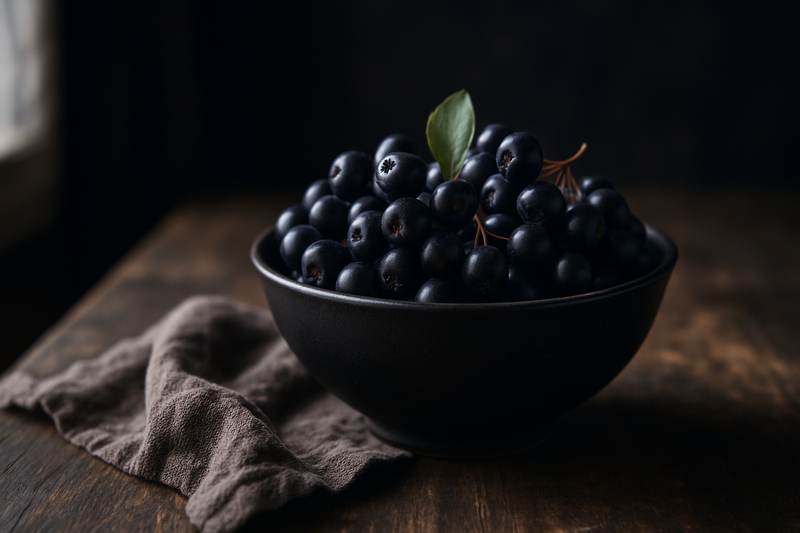
Why wild berries test far higher in anthocyanins than cultivated fruit, which health claims hold up in trials, and a full index of the foraged berries covered on Plantopedia.
Where zinc actually comes from on a plant-based plate, why absorption is the harder problem than intake, and what zinc does and does not do for immunity.