Best Plant-Based Foods for Heart Health
Legumes, oats and barley, nuts, extra virgin olive oil, soy foods and vegetables carry the most credible human evidence for cardiovascular health. Here is what each one does, at what dose, and where the limits are.
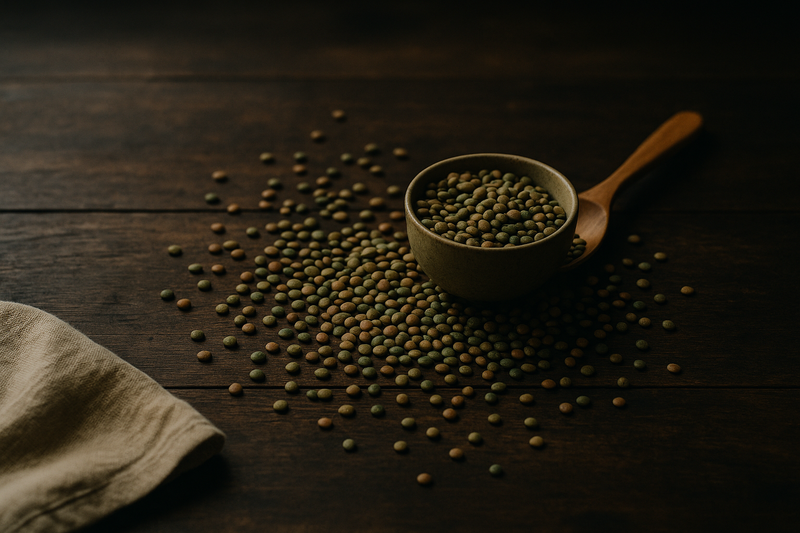
The plant foods with the strongest human evidence for heart health are legumes, whole grains (oats and barley in particular), nuts, extra virgin olive oil, vegetables, fruit and soy foods. Each does something measurable. Soluble fiber lowers LDL cholesterol, unsaturated fats replace saturated fat, potassium works against sodium, and all of them displace refined and heavily processed foods. The evidence supports the pattern rather than any single item on the list.
Key takeaways
- The American Heart Association's dietary guidance is built around food patterns, not isolated nutrients, and puts vegetables, fruit, whole grains, plant protein and liquid nontropical oils at the center.
- Around 3 grams a day of oat beta-glucan is the dose repeatedly linked to modest LDL cholesterol reductions in randomized trials, and it underpins the long-standing FDA health claim.
- A meta-analysis of 26 randomized trials found that about one serving of pulses a day, a median of roughly 130 grams, lowered LDL cholesterol compared with control diets.
- In the PREDIMED trial, a Mediterranean pattern supplemented with extra virgin olive oil or nuts reduced major cardiovascular events in high-risk Spanish adults over a median of about 4.8 years.
- These foods complement medical care. They do not replace prescribed treatment, and no one should stop or change medication based on a diet article.
How these foods were chosen
The ranking logic here is deliberately conservative. Foods with randomized clinical outcome data, meaning trials that counted heart attacks and strokes rather than only blood markers, come first. Next are foods with randomized trial evidence on validated risk factors such as LDL cholesterol and blood pressure, since those are causally linked to cardiovascular events. Cohort associations come third and are labeled as associations. Mechanistic-only claims did not make the list.
Everything below also has to survive two practical tests: it should be consistent with AHA dietary guidance and the Dietary Guidelines for Americans, and it should be available in an ordinary US supermarket at a price that supports weekly eating rather than occasional gestures.
The food list, and why each earns its place
Beans, lentils and other pulses. A systematic review and meta-analysis of 26 randomized trials in about 1,000 people found that diets emphasizing pulses at roughly one serving a day significantly lowered LDL cholesterol relative to control diets. The effect was modest, and effects on apolipoprotein B and non-HDL cholesterol were not observed, which is worth saying plainly. Lentils and black beans also replace higher saturated-fat protein sources, which is where much of the practical benefit lives.
Oats and barley. Oats are the most reliable LDL-lowering food on this list. Meta-analyses of randomized trials converge on doses of at least 3 grams of beta-glucan daily producing meaningful reductions in LDL and non-HDL cholesterol. Roughly a cup of cooked oatmeal gets you into that range. Barley delivers more beta-glucan per serving and is underused.
Nuts. Pooled cohort analyses covering more than 200,000 participants found that eating nuts regularly was associated with lower cardiovascular disease and coronary heart disease incidence, with walnut intake of one or more servings a week associated with roughly 15 to 23 percent lower coronary heart disease risk. Controlled trials show walnuts improve blood lipid profiles without adverse effects on weight or blood pressure. Almonds and pistachios behave similarly. Portions are about one ounce.
Extra virgin olive oil. Extra virgin olive oil is one of the few foods with randomized clinical outcome data behind it, through PREDIMED. It is also the easiest single swap most American kitchens can make, replacing butter and refined seed-oil blends as the default cooking and finishing fat.
Soy foods. Tofu, tempeh and edamame provide complete protein with essentially no saturated fat, and they work best when they take the place of processed meat or fatty cuts rather than being added on top of an unchanged diet.
Leafy greens and other vegetables. Spinach, kale, chard and cruciferous vegetables carry potassium, magnesium and dietary nitrate. Potassium promotes sodium excretion and reduces vascular smooth muscle contraction, which is a core part of why the DASH pattern lowers blood pressure.
Whole fruit. Berries, citrus, apples and pears supply fiber, potassium and polyphenols. Whole fruit beats juice, because the fiber and the slower delivery matter.
Whole grains beyond oats. Quinoa, brown rice, farro and whole wheat contribute fiber and displace refined starch. The carbohydrate-quality reviews graded certainty as low to moderate for whole grains specifically, which is a fair signal to eat them without overselling them.
How to actually use them
Think in swaps, not additions. Adding walnuts to an unchanged diet mostly adds calories. Replacing a processed-meat sandwich with a lentil soup and an olive oil dressed salad changes the fat profile, the fiber, the sodium and the potassium in one move.
A workable weekly rhythm: pulses at four or five meals, oats or barley at breakfast most days, one ounce of nuts most days, olive oil as the default fat, vegetables at both main meals, and fruit as the default snack. Batch-cook beans and grains once a week so the easy choice is also the fast choice.
Watch sodium at the same time. Canned beans, jarred sauces and bread are the usual sources in an otherwise plant-heavy diet. Rinsing canned beans removes a meaningful share of their sodium.
Why the overall pattern matters more than any single food
The AHA's dietary guidance made the full shift from nutrient-based to food-based and pattern-based recommendations for a reason. Individual effects are small. A 4 to 7 percent LDL reduction from oats, another small reduction from pulses, a blood pressure change from potassium and lower sodium, plus better fat quality from olive oil and nuts, add up to something the individual studies cannot show on their own.
Substitution is the mechanism that ties them together. Every one of these foods is more useful when it takes something else off the plate. This is also why a heart-healthy pattern is compatible with many cuisines and does not require a specific label such as vegan or Mediterranean.
Who should adapt or be cautious
If you take a statin, an antihypertensive or any other cardiac medication, keep taking it. Diet changes work alongside treatment, and any adjustment is a decision for your prescriber based on your numbers.
People taking warfarin need consistency in vitamin K intake rather than avoidance of leafy greens. A steady amount week to week is what allows dosing to stay stable. Discuss changes with the clinician managing your anticoagulation.
Advanced chronic kidney disease often requires potassium and phosphorus limits, which changes how much of the legume and leafy-green advice applies. Follow a renal dietitian's plan.
Nut allergy is an absolute exclusion for the nut recommendations, and seeds are a reasonable substitute for fat quality if tolerated. If you have heart failure or salt-sensitive hypertension, sodium in canned and jarred plant foods deserves attention. And if you are managing weight, remember that nuts and oils are calorie-dense, so swaps beat add-ons.
Chest pain or pressure, shortness of breath, sudden weakness or slurred speech are emergencies. Call 911 rather than reading further.
Bottom line
Build meals around beans, whole grains, vegetables and fruit, use olive oil as your default fat, and eat a small handful of nuts most days. Oats and pulses have the cleanest randomized evidence for lowering LDL cholesterol. Olive oil and nuts have the strongest clinical-outcome trial behind them. None of it works as a substitute for medical care, and all of it works better as a pattern than as a checklist.
Frequently asked questions
How much oatmeal do I need for the cholesterol effect?
The threshold used in the FDA health claim and in most meta-analyses is 3 grams of beta-glucan a day, which is roughly one cup of cooked oatmeal or about a cup and a half of dry rolled oats spread across the day. Reported LDL reductions in pooled trials generally sit in the range of a few percent. It is real and modest, not a substitute for lipid-lowering therapy when that is indicated.
Are canned beans as good as dried?
Yes, nutritionally they are close, and convenience is what determines whether you actually eat them several times a week. Choose no-salt-added versions where available, or rinse them, which removes a meaningful share of the added sodium. The pulse trials in the CMAJ meta-analysis used ordinary prepared pulses, not exotic preparations.
Is olive oil better than other plant oils?
Extra virgin olive oil has the advantage of randomized clinical outcome data through PREDIMED, which most oils do not have. AHA guidance groups liquid nontropical plant oils together, including soybean and canola, as preferable to butter and tropical oils. Extra virgin olive oil is a sound default, and other liquid plant oils are not a problem.
Does a plant-based diet automatically protect my heart?
No. A diet can be entirely plant-based and still be high in refined starch, added sugar, sodium and coconut or palm oil. The evidence supports minimally processed plant foods in a coherent pattern, which is a narrower claim than "plant-based." Food quality, not just food category, is what the guidance emphasizes.
Can food replace my cholesterol or blood pressure medication?
No, and nobody should stop medication to test the idea. Dietary change and medication address risk through different routes and are routinely used together. If your numbers improve, your clinician can revisit dosing with monitoring in place.
Sources and evidence
- American Heart Association, 2021 Dietary Guidance to Improve Cardiovascular Health
- NHLBI, the DASH eating plan
- USDA FoodData Central, the national food composition database
- PREDIMED, primary prevention of cardiovascular disease with a Mediterranean diet supplemented with extra virgin olive oil or nuts
- Cholesterol-lowering effects of oat beta-glucan, meta-analysis of randomized controlled trials (https://ajcn.nutrition.org/article/S0002-9165(23)04842-6/fulltext)
- Effect of dietary pulse intake on therapeutic lipid targets, systematic review and meta-analysis
- Nut consumption and risk of cardiovascular disease, pooled cohort analysis in JACC
- Walnut consumption and blood lipids, updated meta-analysis of controlled trials
- Reynolds and colleagues, carbohydrate quality and human health, systematic reviews and meta-analyses
Know Your Numbers
Eating healthy is a start. Now get to know your biomarkers.
Food changes bloodwork — inflammation, lipids, blood sugar and nutrient status all respond to what you eat. 59 markers from $59.
- Results in 7–10 days at 2,000+ Quest sites
- Licensed provider reviews every result
- One flat price, no membership, HSA/FSA eligible
Educational information only, not medical advice. Panels are ordered and reviewed through our licensed partner; Plantopedia may earn a commission.