Tofu — health benefits and uses
Protein + fiber leverage; batch-cook, meal-prep, and satiety angle
The Short Answer
Tofu is a complete plant-based protein providing 17g of protein and 32% of your daily calcium per half-cup serving. It contains all nine essential amino acids and is rich in bone-supporting minerals like manganese and iron.
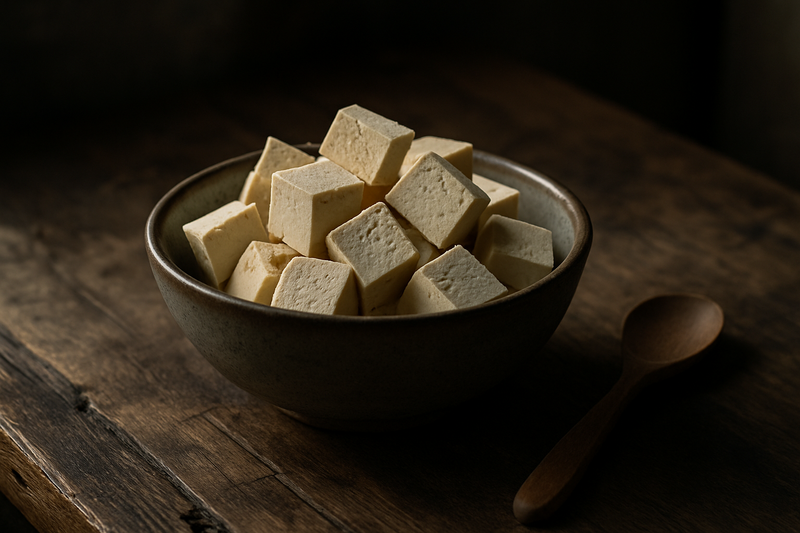
Tofu · Photograph
Tofu, made from soybeans (Glycine max), stands out as one of nature's most complete plant-based proteins. This versatile food delivers all nine essential amino acids while packing impressive amounts of bone-supporting minerals and protective plant compounds.
Key Nutrients
% Daily Value based on 2,000 cal diet
Key active compounds in tofu
Isoflavones - Plant estrogens (phytoestrogens) that act as antioxidants and may provide protective effects against oxidative stress
Saponins - Naturally occurring compounds in legumes that contribute to tofu's antioxidant properties
Phytosterols - Plant-derived sterols that are part of tofu's beneficial lipid profile
Complete amino acid profile - All nine essential amino acids including leucine, lysine, and methionine
Antinutrients - Phytates and trypsin inhibitors that can reduce mineral absorption but are minimized through processing and cooking
Buying guide: Choosing quality tofu
Fresh vs packaged: Fresh tofu from Asian markets often has superior texture and flavor, while packaged varieties offer convenience and longer shelf life.
Label reading tips: Look for "calcium sulfate" or "calcium chloride" as coagulants if you want maximum calcium content. Avoid products with unnecessary additives or preservatives.
Organic considerations: Organic tofu ensures non-GMO soybeans and avoids pesticide residues, though conventional tofu is also safe for consumption.
Storage: Fresh tofu should be stored in water in the refrigerator and used within 3-5 days. Change the water daily for best quality.
Prep and pairing ideas for better nutrition
Iron enhancement: Pair tofu with vitamin C sources like bell peppers, broccoli, or citrus to improve iron absorption
Calcium absorption: Combine with foods rich in vitamin D and magnesium; avoid excessive caffeine which can interfere with calcium uptake
Protein complementing: Though tofu is complete, pairing with grains like brown rice or quinoa creates satisfying, nutritionally balanced meals
Flavor boosting: Marinate tofu in acidic ingredients (lemon juice, vinegar) to improve both taste and mineral absorption
Common pairings that maximize tofu's benefits
Tofu + leafy greens + sesame seeds: The vitamin C in greens enhances iron absorption, while sesame seeds provide additional calcium and healthy fats
Tofu stir-fry with bell peppers and broccoli: Vitamin C from vegetables maximizes iron uptake while providing fiber and antioxidants
Tofu scramble with nutritional yeast and turmeric: B-vitamins from nutritional yeast complement tofu's protein, while turmeric adds anti-inflammatory compounds
Bottom line on tofu health benefits
Tofu stands out as a nutritionally complete plant protein that delivers significant amounts of bone-supporting minerals, especially when calcium-set varieties are chosen. The research suggests particular promise for bone health and potential protective effects, though individual responses to soy vary.
The key is choosing quality products (firm, calcium-set tofu), starting with moderate portions, and pairing strategically with vitamin C-rich foods to maximize mineral absorption. For most people, regular tofu consumption as part of a balanced diet appears both safe and beneficial.
Ready to explore personalized nutrition planning? Our meal planner can help you incorporate tofu and other nutrient-dense foods into your weekly routine.
How Tofu Compares
| Compared with | What's different |
|---|---|
| Tofu vs. Tempeh | Higher in protein and fiber with a firmer, grainier texture due to fermentation. |
| Tofu vs. Silken Tofu | Higher in moisture and lower in protein, with a custardy texture that breaks easily. |
| Tofu vs. Paneer | Lower in calories and protein; used as a grain substitute rather than a protein source. |
Health Benefits
Things to Know
Start gradually: - Begin with smaller portions (50-75g) to assess digestive tolerance, especially if you're new to soy products
Mineral absorption: - Phytates in tofu can reduce iron, calcium, and zinc absorption; pair with vitamin C-rich foods to enhance iron uptake
Medication interactions: - Soy isoflavones may interact with thyroid medications or hormone-sensitive treatments; consult your healthcare provider
Allergy considerations: - Soy is a common allergen; avoid tofu if you have known soy allergies
Pregnancy and nursing: - Moderate tofu consumption is generally safe, but discuss soy intake with your healthcare provider
Thyroid concerns: - People with thyroid disorders should monitor soy intake and maintain adequate iodine levels

Shop This Ingredient
Stock your pantry with quality tofu.
Buy on AmazonAs an Amazon Associate, Plantopedia earns from qualifying purchases. This costs you nothing extra and helps us keep the encyclopedia free.
Frequently Asked Questions
Heart and circulation Tofu provides plant-based protein without cholesterol or saturated fat, supporting cardiovascular health. The isoflavones may help protect blood vessels from oxidative damage, though more research is needed to confirm direct heart benefits in humans. Digestive health and microbiome The fiber in tofu (2.3g per 100g) supports digestive regularity and may benefit gut bacteria. As a fermented soy product, tofu is generally easier to digest than whole soybeans, though some people may experience gas or bloating initially. Blood sugar and metabolism Tofu's protein content helps stabilize blood sugar levels when paired with meals. The low glycemic index means it won't cause blood sugar spikes, making it suitable for diabetes management as part of a balanced diet. Hormones and cycle health The isoflavones in tofu are phytoestrogens - plant compounds that can have mild estrogenic effects. Research suggests these may help balance hormones naturally, though effects vary individually and more study is needed. Inflammation and recovery Tofu contains antioxidants including isoflavones and saponins that may help reduce oxidative stress linked to chronic inflammation. The complete protein profile supports muscle recovery after exercise.
Firm and extra-firm tofu offer the highest protein concentration (15-17g per 100g) and work best for most cooking methods. Calcium-set tofu provides significantly more calcium and protein compared to nigari-set varieties - check labels for calcium sulfate or calcium chloride as coagulants. Silken tofu has a softer texture with slightly lower protein but blends well for smoothies and desserts. Steamed tofu contains fewer calories (73 per 100g) and reduced antinutrient levels due to heat processing.
General serving size: 100-150g (about 3.5-5 oz) per meal provides substantial protein without overwhelming your system Daily limits: Most people can safely consume 1-2 servings daily as part of a varied diet Start low: If you're new to soy products, begin with 50-75g servings every other day and gradually increase Listen to your body: Some people may experience digestive discomfort with larger amounts; adjust portions based on your tolerance Balance with variety: While tofu is nutritious, include diverse protein sources for optimal nutrition
Quick Answers
Common questions, answered in a line.
Tofu is considered a complete plant-based protein because it contains all nine essential amino acids, including leucine, lysine, and methionine. This makes it a rare and valuable protein source in animal-free diets.
To maximize iron absorption from tofu, pair it with foods rich in vitamin C, such as bell peppers, broccoli, or citrus fruits. These acidic sources helped overcome the effects of phytates, which can otherwise reduce mineral uptake.
For the highest calcium content, look for tofu labels that list calcium sulfate or calcium chloride as the coagulant. These mineral-based firming agents significantly boost the bone-supporting properties of the tofu.
Fresh tofu should be stored in a container of water in the refrigerator for up to 3 to 5 days. For the best quality and flavor, the article recommends changing the soaking water daily.
Tofu contains several active plant compounds, including isoflavones (phytoestrogens) that act as antioxidants, saponins, and phytosterols. These compounds help the body combat oxidative stress and contribute to a beneficial lipid profile.
People with thyroid disorders or those taking thyroid medications should monitor their tofu intake and consult a healthcare provider. It is also important for these individuals to ensure they maintain adequate iodine levels when consuming soy.
Tofu contains antinutrients like phytates and trypsin inhibitors, which can interfere with the absorption of minerals like iron, calcium, and zinc. However, these effects are minimized through standard processing and cooking methods.
For Readers in the USA
Local context — sourcing, seasonality, and regional notes.
Most tofu sold in the United States is made from soybeans grown in the "Corn Belt" states like Iowa, Illinois, and Minnesota. While soybeans are harvested in the fall, tofu is produced year-round and is readily available in every season at major US retailers.
Tofu is widely available at major US grocery chains like Kroger, Whole Foods, and Costco, as well as at local Asian supermarkets and farmers markets. Many American consumers prefer regional brands like Hodo (West Coast) or Nasoya, which are staples in the refrigerated produce or dairy-alternative sections.
When buying tofu in the US, the USDA Organic seal is the most reliable way to ensure the product is non-GMO and grown without synthetic pesticides. Since the vast majority of conventional soybeans grown in the US are genetically modified, the "Non-GMO Project Verified" label is also a common sight for health-conscious shoppers.
Americans typically categorize tofu by texture—silken, firm, or extra-firm—rather than by regional style, though "sprouted tofu" is a unique variety popular in US health food stores. Silken tofu is often used in American-style smoothies and desserts, while extra-firm is the go-to choice for grilling and stir-frys.
AI Clinical Review
- Tofu is a complete plant protein and a versatile way to meet protein needs; firmer styles are more protein‑dense per bite. • Calcium content can be high when tofu is set with calcium salts (e.g., calcium sulfate); checking the coagulant on the label is practical and evidence‑based. • Isoflavones are phytoestrogens from soy with antioxidant activity; intakes from whole soy foods like tofu are generally safe for most people, including men. • Pairing tofu with vitamin C–rich foods can improve absorption of its non‑heme iron.
- Heart, bone, and cancer outcomes: many supportive findings come from observational studies and broader dietary patterns; randomized trials show modest or mixed effects. • Hormone effects vary by person and dose (for example, whether someone is an “equol producer”); benefits for menstrual or menopausal symptoms are not uniform. • Microbiome claims: tofu itself is not a fermented food, so any gut benefits relate more to overall diet quality; fermented soy foods like tempeh or miso contribute probiotics. • Blood sugar: tofu is low in carbohydrate, so glycemic index is less relevant; its benefit is mainly as a protein replacement for higher‑glycemic foods and for meal balance.
- Typical serving: 3–5 oz (≈85–150 g). Protein is ~8–17 g per 100 g depending on firmness; calcium ranges widely (≈150–600+ mg/100 g) based on coagulant. Firmness (water content), not the coagulant, drives most protein differences. Fiber in tofu is modest; edamame or tempeh provide more. • Thyroid considerations: soy can reduce absorption of levothyroxine—take thyroid medication on an empty stomach and separate soy‑rich meals by several hours; ensure adequate iodine intake if you eat little or no seafood/dairy. • Hormone‑sensitive conditions: whole soy foods are generally safe for most adults, including men and people with a history of breast cancer; if you’re on endocrine therapy, confirm an appropriate intake with your oncology or endocrine team. • Safety and tolerance: avoid if you have a soy allergy; introduce gradually if you’re new to soy to minimize gas/bloating. Choose plain or lower‑sodium products if you monitor sodium, and pick calcium‑set tofu if bone health is a priority.
Mention soaking/cooking tolerance tips where relevant; avoid raw legume prep errors.
References
- USDA FoodData Central - Tofu nutritional composition (fdc.nal.usda.gov)
- Harvard T.H. Chan School of Public Health - Soy and health evidence review (nutritionsource.hsph.harvard.edu)
- National Institutes of Health - Soy and prostate cancer research (ncbi.nlm.nih.gov)
- WebMD - Tofu health benefits and safety (webmd.com)
- Healthline - Complete tofu nutrition analysis (healthline.com)
- BBC Good Food - Tofu health benefits overview (bbcgoodfood.com)
- Mayo Clinic - Soy protein and heart health (mayoclinic.org)
- Academy of Nutrition and Dietetics - Plant protein position paper
Know Your Numbers
Eating healthy is a start. Now get to know your biomarkers.
Food changes bloodwork — inflammation, lipids, blood sugar and nutrient status all respond to what you eat. 59 markers from $59.
- Results in 7–10 days at 2,000+ Quest sites
- Licensed provider reviews every result
- One flat price, no membership, HSA/FSA eligible
Educational information only, not medical advice. Panels are ordered and reviewed through our licensed partner; Plantopedia may earn a commission.
Filed Under
Health Goals This Supports
Related Ingredients
Anti-Inflammatory Breakfast Ideas
Eight breakfast templates built from whole grains, fruit, legumes and unsaturated fats, with the reasoning behind each, easy substitutions, and honest limits on what a single meal can do.
Best Low-Bloat Plant-Based Foods
If bloating is a recurring problem, the most consistent evidence points to lowering your total intake of rapidly fermentable carbohydrates (FODMAPs) rather than adding one "de-bloating" food. Whole plant foods like ripe kiwi, oats, well-pressed firm tofu, cooked spinach, less-ripe banana, chia...
Best Plant-Based Foods for Heart Health
Legumes, oats and barley, nuts, extra virgin olive oil, soy foods and vegetables carry the most credible human evidence for cardiovascular health. Here is what each one does, at what dose, and where the limits are.
Evening Foods That Are Gentle on Digestion
Why timing, portion size, fat load and texture decide whether an evening meal disturbs your night, plus eight gentle dinners and snacks with substitutions and cautions.
How Plant-Based Foods Support Metabolism
What metabolism actually means, how plant-rich eating patterns influence insulin sensitivity and energy intake in trials, a simple starter plate, and the popular claims that do not hold up.
Iron-Rich Plant Foods for Low Energy
Low iron intake or low iron stores can contribute to fatigue, and a small group of plant foods, mainly legumes, pumpkin seeds, tofu, and dark leafy greens, are meaningfully rich in iron. But iron is only one of several causes of low energy, plant (non-heme) iron is absorbed less efficiently than...
Plant-Based Foods That May Help Fatigue
If fatigue is related to what you're eating, the most likely culprits in a plant-based pattern are too little iron, too little vitamin B12, or simply too few calories and protein for your needs. Fixing those gaps through food, and through fortified sources for B12 specifically, is linked to...