Plant-Based Foods That May Help Fatigue
If fatigue is related to what you're eating, the most likely culprits in a plant-based pattern are too little iron, too little vitamin B12, or simply too few calories and protein for your needs. Fixing those gaps through food, and through fortified sources for B12 specifically, is linked to...
If fatigue is related to what you're eating, the most likely culprits in a plant-based pattern are too little iron, too little vitamin B12, or simply too few calories and protein for your needs. Fixing those gaps through food, and through fortified sources for B12 specifically, is linked to better energy in people who were actually running low on these nutrients. Fatigue has many other possible causes too, so food changes belong alongside a medical check, not as a replacement for one, especially if the tiredness is new, severe, or not improving.
Key takeaways
- Iron deficiency and vitamin B12 deficiency are the nutrient gaps most reliably linked to fatigue on a plant-based diet, and both are correctable.
- Non-heme iron from plants absorbs less efficiently than the iron in meat, but pairing iron-rich foods with a vitamin C source measurably improves absorption.
- Vitamin B12 is not reliably present in unfortified plant foods, so fortified foods or a supplement are the dependable sources on a plant-based diet.
- A well-planned plant-based diet is not inherently fatiguing; low-calorie, low-protein, low-iron patterns are the actual problem, and they're fixable.
- Persistent or worsening fatigue needs medical evaluation, since it can signal anemia, thyroid disease, or other conditions that diet alone will not resolve.
Context and limits
Fatigue is common, non-specific, and has a long list of possible causes: anemia, thyroid disorders, poor sleep, depression, chronic disease, certain medications, and diet, among others (fatigue overview, MedlinePlus). This article addresses the diet piece only. If fatigue is new, persistent, or accompanied by other symptoms, food changes are not a substitute for getting it checked out. Within diet, the research on plant-based eating and fatigue centers on two nutrients. Iron carries oxygen through the blood, and low iron stores can cause tiredness even before full-blown anemia shows up on a blood test (iron, consumer fact sheet, NIH Office of Dietary Supplements). A review of plant-based diets and iron-deficiency anemia found that non-heme iron from plants is less bioavailable than heme iron from animal foods, and people who eat no meat, poultry, or seafood need roughly double the iron intake to compensate (plant-based diet and iron-deficiency anemia, review). A separate systematic review of nutritional deficiencies in plant-based diets found anemia risk was elevated in some plant-based groups, tied closely to how well the diet was planned rather than to plant-based eating itself (osteoporosis and anemia risk in plant-based diets, systematic review). Vitamin B12 is different: it's made by bacteria, not plants, and does not occur reliably in unfortified plant foods at all. B12 supports red blood cell formation and nerve function, and deficiency causes a specific kind of anemia (megaloblastic anemia) that produces fatigue and weakness (vitamin B12, consumer fact sheet, NIH Office of Dietary Supplements).
What to try first
Before overhauling your diet, two things are worth doing: check whether you're actually eating enough food and protein overall (fatigue several months into a plant-based transition is sometimes simple under-eating), and get baseline bloodwork if fatigue is persistent, so you know whether iron or B12 is actually low rather than guessing.
A simple plate for steadier energy
- A base of iron-containing plant protein at most meals: /food/lentils, /food/chickpeas, or /food/tofu.
- A vitamin C source at the same meal, such as citrus, /food/bell-pepper, or /food/tomato, to improve non-heme iron absorption.
- A reliable B12 source daily: fortified plant milk, fortified nutritional yeast, fortified cereal, or a supplement, since food alone rarely covers it without fortification.
- Whole grains or starchy vegetables for steady energy across the day, rather than relying on refined carbohydrates and sugar for quick spikes.
- Enough total food. Fatigue from under-eating is common and easy to miss when focused only on "healthy" foods.
Foods to prioritize
- /food/lentils and /food/chickpeas are among the more concentrated plant iron sources and also supply fiber and protein.
- /food/tofu provides both iron and protein in one food, useful for building a fatigue-conscious plate.
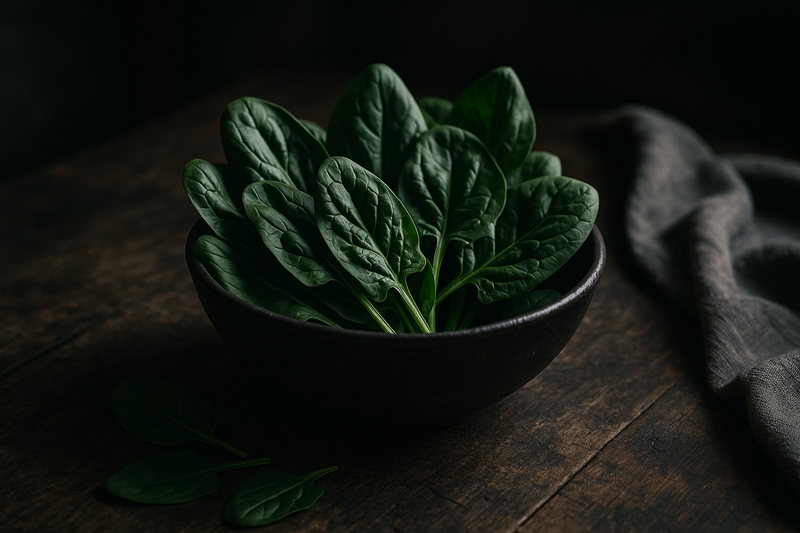
- /food/spinach and other leafy greens contain iron, though its absorption is lower than from legumes and is boosted by pairing with vitamin C.
- /food/pumpkin-seeds add iron and can be eaten as a snack or meal topper.
- /food/quinoa is a whole grain with more iron and protein than most other grains.
- Citrus fruit, /food/bell-pepper, and /food/tomato aren't iron sources themselves but meaningfully increase how much iron you absorb from the plant foods eaten alongside them.
Foods to adjust
- Tea and coffee with meals contain compounds (tannins) that can reduce iron absorption; shifting them to between meals instead of with iron-rich meals is a simple fix.
- Calcium-rich foods or supplements taken at the same time as iron-rich meals can compete for absorption; spacing them out helps.
- Diets heavy in refined grains and added sugar with little protein contribute to energy crashes distinct from nutrient deficiency and are worth trimming.
- Very restrictive or low-calorie eating patterns, plant-based or not, are a common and under-recognized cause of fatigue.
A short action plan
- Add an iron-containing plant food (legumes, tofu, pumpkin seeds, or leafy greens) to at least two meals a day.
- Pair those iron sources with a vitamin C food in the same meal.
- Confirm you have a daily, reliable B12 source, fortified food or supplement, since this is the one nutrient food alone often can't cover on a plant-based diet.
- Move tea or coffee away from iron-rich meals.
- If fatigue hasn't improved within a few weeks of consistent changes, ask your doctor for bloodwork (iron studies, B12, thyroid panel) rather than continuing to guess.
Red flags: when to seek care
Fatigue is a symptom with many possible causes, and it is not something to self-diagnose. See a doctor if you notice:
- Fatigue that is new, worsening, or doesn't improve with rest, sleep, or reduced stress.
- Pale skin, dizziness, lightheadedness, a racing heart, or shortness of breath, which can point to anemia.
- Fatigue with unexplained weight loss, fever, or night sweats.
- Black or tarry stools, or any signs of unusual bleeding, which need prompt evaluation.
- Cold intolerance, constipation, or unexplained weight gain alongside fatigue, which can point to a thyroid problem.
- Fatigue that interferes with work, driving, or daily activities.
None of these should be diagnosed from a symptom list at home. Blood tests are the only reliable way to confirm whether iron, B12, thyroid function, or something else is behind the tiredness.
Bottom line
A plant-based diet does not have to cause fatigue, but a poorly planned one can, mainly through low iron, low B12, or simply not enough food. Prioritizing iron-rich legumes and greens paired with vitamin C, and securing a reliable fortified B12 source, addresses the diet side of the equation. Persistent fatigue deserves a medical work-up, since food changes won't fix anemia from another cause, thyroid disease, or the many other conditions that can make you tired.
Frequently asked questions
Can a plant-based diet cause fatigue on its own?
A well-planned plant-based diet is not inherently fatiguing. Fatigue tends to show up when the diet is low in iron, vitamin B12, protein, or total calories, all of which are fixable with planning.
How do I get enough B12 without eating animal products?
Vitamin B12 doesn't reliably occur in unfortified plant foods, so fortified foods (certain plant milks, cereals, nutritional yeast) or a supplement are the dependable sources. This is worth discussing with a doctor or dietitian if you're fully plant-based.
Does spinach have enough iron to matter?
Spinach contains iron, but it's the less-absorbable non-heme form, and spinach also contains compounds that can further limit absorption. It still contributes to overall intake, especially when paired with vitamin C, but shouldn't be your only iron source.
How long until I feel less tired after improving my diet?
If low iron or B12 was the cause, improvement can take weeks as your body rebuilds stores, not days. If nothing changes after several weeks of consistent effort, bloodwork is the next step rather than further dietary guessing.
Should I just start taking iron supplements if I'm tired?
This article covers food, not supplements, deliberately. Taking iron supplements without confirming a deficiency can mask other problems and, in some people, cause harm, so a blood test before supplementing is the safer route.
Sources and evidence
- Iron, Consumer fact sheet, NIH Office of Dietary Supplements
- Vitamin B12, Consumer fact sheet, NIH Office of Dietary Supplements
- Plant-based diet and risk of iron-deficiency anemia, review of evidence
- Risk of osteoporosis and anemia in plant-based diets, systematic review
- Fatigue overview, MedlinePlus
- Iron-deficiency anemia symptoms and causes, Mayo Clinic
- Fatigue causes and treatment, Cleveland Clinic
Know Your Numbers
Eating healthy is a start. Now get to know your biomarkers.
Food changes bloodwork — inflammation, lipids, blood sugar and nutrient status all respond to what you eat. 59 markers from $59.
- Results in 7–10 days at 2,000+ Quest sites
- Licensed provider reviews every result
- One flat price, no membership, HSA/FSA eligible
Educational information only, not medical advice. Panels are ordered and reviewed through our licensed partner; Plantopedia may earn a commission.