How Plant-Based Foods Support Metabolism
What metabolism actually means, how plant-rich eating patterns influence insulin sensitivity and energy intake in trials, a simple starter plate, and the popular claims that do not hold up.
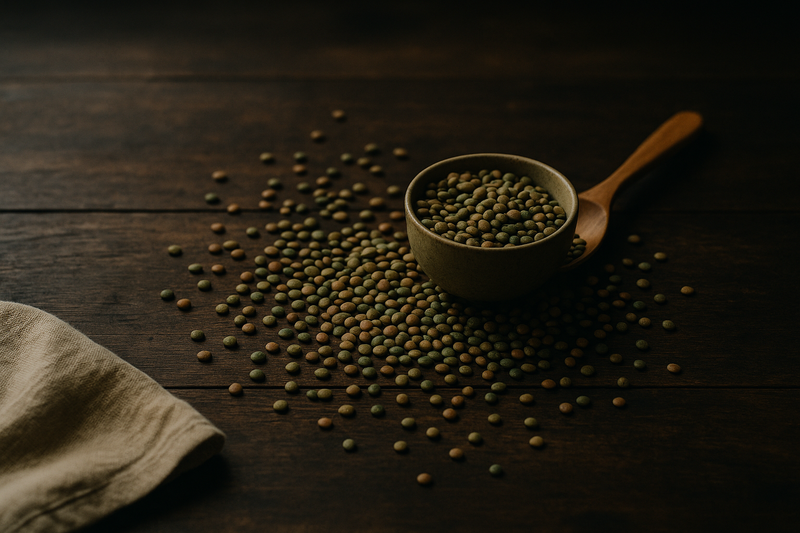
Plant-based foods support metabolism mainly by improving how your body handles glucose and fat, not by speeding up calorie burning. Randomized trials show that plant-based eating patterns can improve markers of insulin sensitivity, that pulses modestly improve glycemic control, and that minimally processed diets lead people to eat less without trying. The mechanisms are fiber, food structure, fat quality and displacement of ultra-processed foods, and each one is more ordinary and more reliable than a metabolism boost.
Key takeaways
- Metabolism is the whole set of chemical processes keeping you alive, and most of your daily energy use is basal, not something food can meaningfully accelerate.
- Plant-based dietary patterns have improved markers of insulin sensitivity in a meta-analysis of randomized controlled trials.
- Pulses such as lentils, beans and chickpeas modestly improve medium to longer term glycemic control in pooled trial data.
- In a tightly controlled inpatient trial, people ate roughly 500 more calories a day on an ultra-processed diet than on a minimally processed one with matched nutrients.
- Plant-based does not automatically mean metabolically healthy, and vitamin B12 is non-negotiable on a fully vegan pattern.
What metabolism actually is
Metabolism is the sum of the chemical reactions that convert food into energy, build and repair tissue, and clear waste. In everyday terms, your total daily energy expenditure breaks into three main parts: basal metabolic rate (the energy used at rest, typically the largest share), the thermic effect of food (energy used digesting and processing what you eat, a modest share), and physical activity including everything from exercise to fidgeting.
When people say they want to boost their metabolism, they usually mean one of two different things: burn more calories, or handle food better. The second is where diet has real leverage. Insulin sensitivity, blood lipid handling, blood pressure and liver fat all respond to dietary patterns in trials. Resting energy expenditure barely budges from food choices.
Why it matters
Metabolic health is not an abstraction. Insulin sensitivity, fasting glucose, triglycerides and blood pressure track with risk for type 2 diabetes and cardiovascular disease, and they respond to what you eat over weeks to months. Fiber is one of the nutrients federal dietary guidance identifies as underconsumed in the United States, and plant foods are essentially the only meaningful source. That single gap explains why the recommendations below repeat.
Core principles
1. Food structure slows glucose absorption. Intact grains, whole pulses and whole fruit release sugars more slowly than flour, juice and puffed products made from the same crops. Rolled /food/oats behave differently from instant oat powder, and whole /food/barley differently from refined flour, even though the raw material is similar.
2. Pulses are the most consistent single lever. A systematic review and meta-analysis of randomized trials found that non-oilseed pulses modestly improved medium to longer term glycemic control, whether eaten alone or as part of a lower glycemic index, higher fiber diet. Cheap, shelf-stable /food/lentils and /food/chickpeas are doing real work here. The reviewers also flagged heterogeneity between trials, so treat the effect as modest rather than transformative.
3. Plant-based patterns improve insulin sensitivity markers. A 2024 systematic review and meta-analysis of eight randomized controlled trials, covering 716 participants with overweight, obesity, prediabetes or type 2 diabetes, examined plant-based diets and markers of insulin sensitivity. A separate 16 week randomized trial in adults with overweight found metabolic benefits with a plant-based pattern. These are markers and short trials, not decades-long disease outcomes.
4. Fat quality matters more than fat quantity. Replacing saturated fat with unsaturated fat from /food/extra-virgin-olive-oil, /food/walnuts and seeds is the substitution most consistently supported for cardiometabolic markers. Adding oil on top of an unchanged diet is not the same intervention.
5. Processing level changes intake, not just nutrients. In a randomized inpatient crossover trial at the NIH Clinical Center, 20 adults ate about 500 more calories per day when offered ultra-processed food, despite the two diets being matched for presented calories, sugar, fat, sodium and fiber. Participants also gained weight on the ultra-processed arm. The trial was small and short, but it was tightly controlled, and it is one of the few tests of processing itself.
6. Protein still counts. Soy foods such as /food/tofu and tempeh, plus pulses, /food/quinoa, nuts and seeds, cover protein needs on a plant-based pattern when total intake is adequate. Spreading protein across meals rather than loading it at dinner is a reasonable default, especially for older adults trying to preserve muscle.
7. Muscle and movement do the heavy lifting on energy expenditure. No food raises resting metabolic rate in a way that matters. Resistance training plus adequate protein and sleep is the actual lever for maintaining lean mass, and lean mass is a real contributor to basal energy use.
8. Mind the nutrient gaps. Vitamin B12 requires a supplement or reliably fortified foods on a vegan diet, with no exceptions. Iron, iodine, zinc, calcium, vitamin D and long-chain omega-3 fats deserve attention too. Deficiencies undermine energy and health regardless of how good the rest of the pattern is.
A starter plate and simple checklist
Build the plate this way at lunch and dinner:
- Half the plate: non-starchy vegetables, cooked or raw, with variety across the week.
- One quarter: intact whole grains or starchy vegetables (barley, farro, brown rice, quinoa, sweet potato).
- One quarter: pulses or soy foods (lentils, chickpeas, black beans, tofu, tempeh).
- A thumb-sized addition: nuts, seeds or olive oil for unsaturated fat and satiety.
- Alongside or after: whole fruit rather than juice.
A weekly checklist that covers most of the ground:
- Pulses in at least four meals.
- Intact grains rather than refined at most meals.
- Two or more servings of fruit daily, whole rather than liquid.
- A daily source of nuts or seeds.
- Olive oil or another unsaturated fat as the default cooking fat.
- Fewer packaged snacks, sweetened drinks and ready meals week over week.
- B12 supplement if you eat no animal foods.
- Two or more resistance training sessions.
Myths and limits
"Plant-based automatically improves metabolism." It does not. A diet of refined vegan pastries, white bread and sweetened plant milks is plant-based and metabolically unremarkable. The trials showing benefit tested whole-food patterns built on vegetables, pulses, intact grains, nuts and fruit.
"Certain foods boost metabolic rate." Chili, green tea, coffee and cold water all have small, short-lived effects on energy expenditure. Small studies comparing whole-food and processed meals have measured differences in the energy cost of digestion, but these are single-meal measurements in small groups and do not translate into a reliable weight strategy.
"Eating six small meals keeps metabolism running." Meal frequency does not meaningfully change total energy expenditure. Choose the pattern that keeps you comfortable and consistent.
"Weight loss can be sustained by metabolism alone." Energy expenditure falls as body weight falls, which is normal physiology and a common reason plateaus occur. That is an argument for sustainable patterns, not for perfectly optimized foods.
Limits worth stating. Most of the trials above lasted weeks to months, used marker outcomes rather than disease outcomes, and enrolled specific populations, often people who already had overweight, prediabetes or type 2 diabetes. Results in those groups do not automatically apply to healthy young adults or to older adults with different needs.
Next steps
Start with one change and keep it for a month. Swap refined grains for intact ones at your most repeated meal, or add pulses to four meals a week, or replace sweetened drinks with water and whole fruit. Track something concrete if you have access to it: fasting glucose, HbA1c, lipids, blood pressure, or simply how you feel between meals. If you are working with a clinician on diabetes or lipid medication, tell them you are changing your diet, since improvements in glucose can require medication adjustment. Never adjust prescribed medication on your own.
Bottom line
Plant-based foods support metabolism by improving glucose handling, fat quality and the overall energy density of what you eat, not by making you burn calories faster. Pulses, intact grains, nuts, seeds, vegetables and fruit have randomized trial evidence behind them for insulin sensitivity and glycemic markers. Build the plate, cover B12 and the other gaps, add resistance training, and give it months rather than days.
Frequently asked questions
Will eating plant-based speed up my metabolism? Not in the sense most people mean. Resting energy expenditure is driven largely by body size, lean mass, age and genetics, and food choices barely move it. What plant-rich patterns do change, in randomized trials, is insulin sensitivity, glycemic control and blood lipids, which is a more useful definition of metabolic benefit.
Do I have to go fully vegan to get the benefit? No. Most of the trial evidence tested patterns that were predominantly or entirely plant-based, and the practical gains come from more pulses, more intact grains, more vegetables and less ultra-processed food. Moving in that direction is worthwhile even if animal foods stay in the diet.
Are beans bad for blood sugar because they contain carbohydrate? The opposite is generally true. Pooled analyses of randomized trials found that pulses modestly improved glycemic control, because their fiber, resistant starch and protein slow digestion. If you are monitoring glucose, test your own response, since individual variation is real.
What about protein on a plant-based diet? Adequate protein is achievable from soy foods, pulses, whole grains, nuts and seeds when total energy intake is sufficient. Older adults and people doing significant resistance training should pay closer attention to total intake and distribution across meals. A registered dietitian can check this quickly if you are unsure.
Which supplements are actually necessary? Vitamin B12 is essential on a vegan diet, with no reliable unfortified plant source. Depending on diet and location, vitamin D, iodine, iron and long-chain omega-3 fats may also warrant attention, ideally guided by blood work rather than guesswork. Most other supplements marketed for metabolism have weak evidence.
How long before I see changes? Glycemic markers can shift within weeks, while HbA1c reflects roughly the previous two to three months and lipid changes usually take a similar period. Give any change at least eight to twelve weeks before judging it, and change one thing at a time so you know what worked.
Sources and evidence
- Effects of plant-based diets on markers of insulin sensitivity, systematic review and meta-analysis of randomized controlled trials
- Plant-based diet for glycemic control, insulin sensitivity and lipid profile in type 2 diabetes, systematic review
- A plant-based diet in overweight individuals, 16 week randomized clinical trial, Nutrition and Diabetes
- Effect of non-oilseed pulses on glycaemic control, systematic review and meta-analysis of randomized trials
- Legume intakes, cardiometabolic profile and gut microbiome function, systematic review and meta-analysis of randomized trials
- Ultra-processed diets cause excess calorie intake and weight gain, NIH inpatient randomized controlled trial, Cell Metabolism (https://www.cell.com/cell-metabolism/fulltext/S1550-4131(19)30248-7)
- ODPHP on nutrients of public health concern, including dietary fiber
- Scientific Report of the 2025 Dietary Guidelines Advisory Committee
- USDA FoodData Central, federal food composition database
Know Your Numbers
Eating healthy is a start. Now get to know your biomarkers.
Food changes bloodwork — inflammation, lipids, blood sugar and nutrient status all respond to what you eat. 59 markers from $59.
- Results in 7–10 days at 2,000+ Quest sites
- Licensed provider reviews every result
- One flat price, no membership, HSA/FSA eligible
Educational information only, not medical advice. Panels are ordered and reviewed through our licensed partner; Plantopedia may earn a commission.