Boost brain health and heart health with 14 walnut halves a day. Discover how antioxidants and omega-3s in walnuts reduce oxidative stress a
Healthy fats, minerals, and texture; small-amount high-leverage add-in
The Short Answer
Walnuts are a nutrient-dense tree nut providing 2.5g of plant-based omega-3 fatty acids (ALA) per 1-ounce serving. They are best known for supporting brain health and heart function through high concentrations of polyphenols and alpha-linolenic acid.
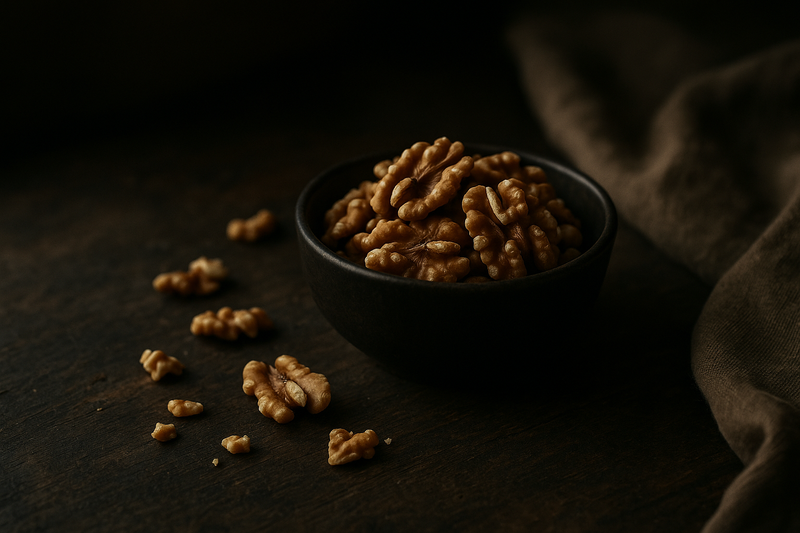
Walnuts · Photograph
Among tree nuts, walnuts stand out for their exceptional omega-3 content and antioxidant profile. A single ounce can provide 59% of your daily alpha-linolenic acid (ALA) needs—the highest plant-based omega-3 concentration of any nut. This, combined with 455mg of polyphenols per serving, creates a powerful combination for supporting multiple body systems and long-term brain health.
Key Nutrients
% Daily Value based on 2,000 cal diet
Why the Health Benefits of Walnuts Matter
Among tree nuts, walnuts stand out for their exceptional omega-3 content and antioxidant profile. A single ounce can provide 59% of your daily alpha-linolenic acid (ALA) needs—the highest plant-based omega-3 concentration of any nut. This, combined with 455mg of polyphenols per serving, creates a powerful combination for supporting multiple body systems and long-term brain health.
The unique nutrient profile of walnuts addresses several modern health challenges: supporting cardiovascular function in our sedentary lifestyles, providing anti-inflammatory compounds to counter chronic inflammation, and delivering fats that are critical for brain health, which are often lacking in processed food diets.
Key Active Compounds
Walnuts contain several bioactive compounds that contribute to their health effects:
- Alpha-linolenic acid (ALA): The primary plant-based omega-3 fatty acid supporting heart and brain health.
- Ellagitannins: Polyphenolic antioxidants with anti-inflammatory properties.
- Melatonin: A natural neurohormone acting as a powerful antioxidant to protect brain health.
- Gamma-tocopherol: The primary form of vitamin E in walnuts, protecting against oxidative stress.
- Phytosterols: Plant compounds that may support healthy cholesterol metabolism and heart function.
Buying and Storage Guide
- Freshness: Buy from stores with high turnover. Fresh walnuts should smell mildly nutty, not rancid. Rancid nuts have oxidized omega-3 fats, which are detrimental to brain health.
- Storage: Pre-shelled nuts should be stored in airtight containers in the refrigerator or freezer to protect the delicate omega-3 fatty acids.
- Labels: Look for "raw" or "dry roasted" without added oils or excessive salt to maintain the best profile for brain health.
Prep and Pairing Ideas
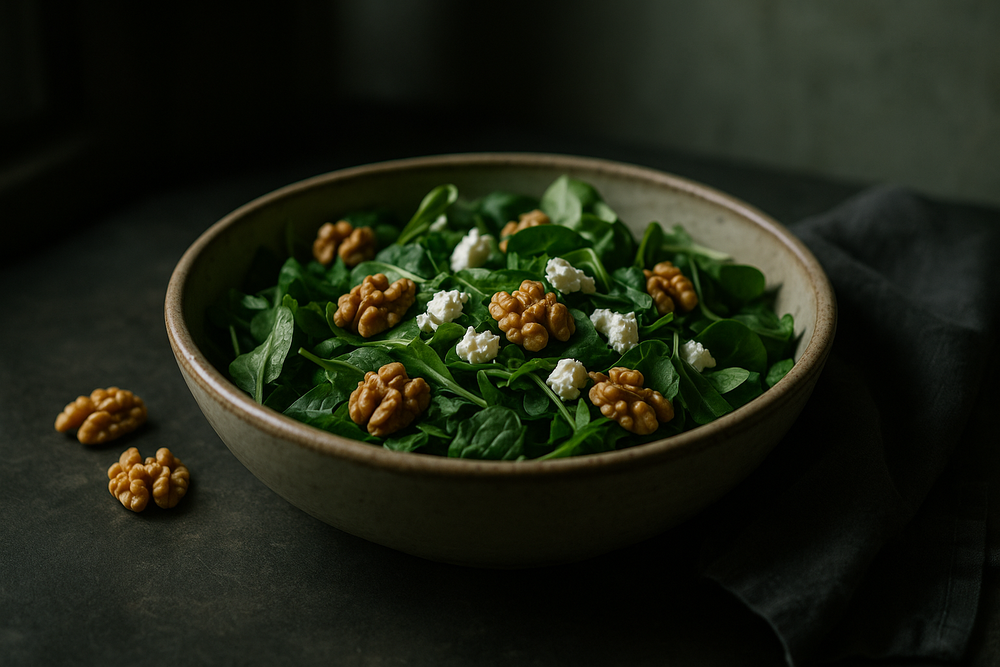
- Walnuts + Dark Leafy Greens: Healthy fats in walnuts help your body absorb fat-soluble vitamins (A, D, E, K) from greens like spinach, supporting both heart and brain health.
- Walnuts + Berries: This combination provides complementary antioxidants that enhance the protective effects of omega-3.
- Walnuts + Whole Grains: Adding walnuts to oatmeal provides protein and omega-3 that stabilize blood sugar and support brain health.
Conclusion: A Nutrient-Dense Superfood
Walnuts offer impressive nutritional value with research-backed potential for supporting heart health, reducing inflammation, and providing brain health through plant-based omega-3 fatty acids. The standard 1-ounce daily serving provides therapeutic amounts of key compounds while fitting into most healthy eating patterns.
Including walnuts in your daily routine is a simple way to boost your omega-3 intake. Whether you are focused on cardiovascular protection or maintaining brain health, walnuts represent one of the most nutrient-dense additions to a balanced diet. Ready to make walnuts a regular part of your routine? Our meal planner can help you discover new ways to incorporate this nutritious nut into balanced meals throughout the week.
How much EPA and DHA do those walnuts turn into?
2 ounces of walnuts = 5 g of ALA, converting to roughly 0.4 g EPA and 0.05 g DHA.
313% of the 1.6 g/day ALA Adequate Intake for adult men, and 455% of the 1.1 g/day figure for women.
ALA per 28 g ounce from USDA FoodData Central. Conversion rates ~8% ALA→EPA and ~1% ALA→DHA (Burdge & Calder, Reprod Nutr Dev 2005). Target is the NASEM Adequate Intake for ALA: 1.6 g/day men, 1.1 g/day women.
How many walnuts should you eat a day for omega-3?
About one ounce — roughly 14 halves — supplies 2.5 g of ALA and covers the adult Adequate Intake with room to spare. Conversion to the long-chain forms stays low (~8% EPA, ~1% DHA), so walnuts are a strong daily ALA source rather than a replacement for EPA/DHA from algae oil.
How Walnuts Compares
| Compared with | What's different |
|---|---|
| Walnuts vs. Pecans | Contains significantly higher plant-based omega-3s (ALA) and a softer, waxy texture. |
| Walnuts vs. Almonds | Contains more monounsaturated fats and a higher protein content per ounce. |
Health Benefits
Things to Know
Tree Nut Allergies: Walnuts can cause severe reactions in allergic individuals.
Calorie Density: At 185 calories per ounce, portion control is key even when seeking omega-3.
Medication Interactions: High omega-3 levels may interact with blood-thinning medications like warfarin.
Digestive Sensitivity: Start with small amounts to assess tolerance while introducing more omega-3 into your diet.
Common Uses
- —Consuming 14 halves (1 oz) daily as a "brain food" to support memory and cognitive processing speed.
- —Adding walnuts to greens to provide the healthy fats needed to absorb fat-soluble vitamins (A, D, E, and K).
- —Pairing walnuts with fruit or oatmeal to provide protein and fats that slow down the absorption of fruit sugars.
- —Utilizing walnuts as the primary source of essential fatty acids for those who do not consume fatty fish.
- —Including walnuts in post-exercise meals to help dampen systemic inflammation and support muscle repair.
- —Eating a small serving of walnuts in the evening to access their natural melatonin and magnesium content.
Best Forms
Offer the full spectrum of nutrients and are the best source of omega-3.
Preserve heat-sensitive omega-3 fats and delicate antioxidants.
Provide superior protein and antioxidant levels for those who enjoy a stronger flavor.
Concentrates the omega-3 but lacks the fiber and protein found in whole nuts.
Prep Ideas
- — Walnuts + Dark Leafy Greens: Healthy fats in walnuts help your body absorb fat-soluble vitamins (A, D, E, K) from greens like spinach, supporting both heart and brain health.
- — Walnuts + Berries: This combination provides complementary antioxidants that enhance the protective effects of omega-3.
- — Walnuts + Whole Grains: Adding walnuts to oatmeal provides protein and omega-3 that stabilize blood sugar and support brain health.
Glossary
Shop This Ingredient
Stock your pantry with quality walnuts.
Buy on AmazonAs an Amazon Associate, Plantopedia earns from qualifying purchases. This costs you nothing extra and helps us keep the encyclopedia free.
Frequently Asked Questions
Research supports eating about 1 ounce (30g) of walnuts daily, which equals roughly 14 halves. This amount provides therapeutic levels of omega-3 fatty acids and antioxidants essential for brain health without excessive calories. Start with smaller amounts if you are new to eating nuts regularly to ensure digestive comfort.
Yes, walnuts help reduce inflammation through their high polyphenol content and omega-3 fatty acids. These compounds work together to neutralize free radicals and support anti-inflammatory processes. Reducing systemic inflammation is a key factor in protecting your long-term brain health and cardiovascular system, although individual results vary based on dietary specifications.
Black walnuts contain 57% more protein and higher antioxidant levels than English walnuts. Both varieties provide excellent omega-3 and support brain health. English walnuts are milder and more versatile, while black walnuts offer a stronger taste and slightly higher nutrient density for those looking to maximize their antioxidant intake daily.
Walnut oil provides concentrated omega-3 and vitamin E but lacks the fiber and protein found in whole nuts. While the oil is great for dressings and supporting brain health, whole walnuts offer more complete nutrition and satiety. For the full spectrum of benefits, prioritize whole nuts over the oil.
Walnuts contain high levels of omega-3 polyunsaturated fats, which interact with blood-thinning medications like warfarin. If you take anticoagulant drugs, consult your healthcare provider about including walnuts in your diet. Maintaining a consistent intake is important for safety while still reaping the rewards for your brain health.
Quick Answers
Common questions, answered in a line.
Walnuts are exceptional because they provide the highest plant-based omega-3 concentration of any nut, offering 59% of your daily alpha-linolenic acid (ALA) in a single ounce. They also contain a unique combination of 455mg of polyphenols and natural melatonin.
Walnuts support brain health through high levels of alpha-linolenic acid (ALA), melatonin, and antioxidants like ellagitannins that protect against oxidative stress. These compounds are essential for long-term cognitive function and processing speed.
Store pre-shelled walnuts in airtight containers in the refrigerator or freezer to protect their delicate omega-3 fatty acids from oxidation. Keeping them cold prevents the fats from becoming rancid, which can be detrimental to health.
Pairing walnuts with dark leafy greens like spinach helps the body absorb fat-soluble vitamins such as A, D, E, and K. The healthy fats in the nuts act as a carrier for these essential nutrients found in the greens.
Walnuts are a rich source of alpha-linolenic acid (ALA), a plant-based omega-3 fatty acid that supports heart and brain health. They are often used as the primary source of essential fatty acids for individuals who do not eat fatty fish.
Yes, walnuts contain natural melatonin, a neurohormone and antioxidant, making them a beneficial snack to eat in the evening. They also provide magnesium and healthy fats like gamma-tocopherol that protect the body against oxidative stress.
Fresh walnuts should have a mild, nutty aroma; if they smell rancid, the omega-3 fats have likely oxidized. It is best to buy from stores with high turnover and look for "raw" or "dry roasted" options without added oils.
For Readers in the USA
Local context — sourcing, seasonality, and regional notes.
California produces roughly 99% of the walnuts grown commercially in the United States, primarily in the Central Valley. While the harvest occurs between August and November, refrigerated storage allows high-quality California walnuts to be available year-round across the U.S.
Walnuts are widely available at major U.S. retailers like Costco, Whole Foods Market, Kroger, and Walmart in the baking or snack aisles. For the freshest harvest-season nuts, look for local growers at farmers markets, particularly in California and the Pacific Northwest.
The "USDA Organic" seal on walnut packaging ensures the nuts were grown without synthetic pesticides or fertilizers and are non-GMO. In the U.S., organic walnuts are increasingly common at specialty grocers like Sprouts or through national organic brands like Woodstock.
In American cuisine, walnuts are a staple ingredient in Waldorf salads, chocolate chip cookies, and festive holiday fudge. They are also culturally significant in the U.S. as a plant-based meat substitute in "walnut meat" tacos and as a primary topping for breakfast oatmeal.
AI Clinical Review
- ALA Concentration: Correctly identifies that walnuts have the highest ALA content of all tree nuts. This is a vital distinction for cardiovascular and neurological health.
- Gamma-Tocopherol Focus: Rightly specifies that walnuts provide gamma-tocopherol; most supplements only provide alpha-tocopherol, but the gamma form is often superior for heart protection.
- Prebiotic Function: Accurately connects walnut consumption to the growth of Lactobacillus and other beneficial microbes that support the gut-brain axis.
- Oxidative Stability: Correctly warns about rancidity. Because walnuts are so high in polyunsaturated fats, they oxidize (go bad) quickly, which can turn a healthy food into a pro-inflammatory one.
- Endothelial Support: Properly notes the role of walnuts in improving the function of the blood vessel lining.
- Depression & Mood: While observational studies link nut consumption to lower depression rates, large-scale interventional trials are still working to prove that walnuts can act as a standalone mood stabilizer.
- Melatonin Bioavailability: While walnuts contain melatonin, researchers are still determining exactly how much the melatonin from food impacts blood levels compared to the body's natural production.
- Cancer Protective Effects: Lab studies on walnut ellagitannins show they may be converted into "urolithins" in the gut, which might inhibit certain cancers, but human clinical proof is still emerging.
- Male Reproductive Health: Some early trials suggest walnuts improve sperm quality, though more comprehensive studies are needed to make this a standard clinical recommendation.
- Storage is Critical: Because of the high oil content, walnuts should be kept in the fridge or freezer. Room-temperature storage leads to rapid oxidation of the fragile omega-3s.
- The Skin Matters: Up to 90% of the antioxidants in a walnut are found in its slightly bitter, paper-like skin. Don't peel it off!
- Blood Thinning Interaction: Large amounts of omega-3s have a natural "anti-platelet" effect. Patients on Warfarin or Xarelto should maintain a consistent, moderate intake rather than alternating between zero and high amounts.
- Calorie Density: 185 calories per handful adds up fast. To avoid weight gain, use walnuts as a replacement for other fats (like cheese or croutons) rather than an addition.
- Black Walnut Potency: Black walnuts are much higher in "juglone," which can be toxic in large amounts to some animals, though safe for human consumption in food quantities.
Mention allergy context where appropriate; keep serving size realistic.
References
- USDA FoodData Central - Walnuts, English nutrition data (fdc.nal.usda.gov)
- National Center for Complementary and Integrative Health - Omega-3 supplements (nccih.nih.gov)
- American Heart Association - Tree nuts and heart health (heart.org)
- Healthline - Walnuts nutrition facts and health benefits (healthline.com)
- Mayo Clinic - Nuts and heart disease prevention (mayoclinic.org)
Know Your Numbers
Eating healthy is a start. Now get to know your biomarkers.
Food changes bloodwork — inflammation, lipids, blood sugar and nutrient status all respond to what you eat. 59 markers from $59.
- Results in 7–10 days at 2,000+ Quest sites
- Licensed provider reviews every result
- One flat price, no membership, HSA/FSA eligible
Educational information only, not medical advice. Panels are ordered and reviewed through our licensed partner; Plantopedia may earn a commission.
Filed Under
Health Goals This Supports
Related Ingredients
Anti-Inflammatory Breakfast Ideas
Eight breakfast templates built from whole grains, fruit, legumes and unsaturated fats, with the reasoning behind each, easy substitutions, and honest limits on what a single meal can do.
Best Breakfast Foods for Brain Fog
Breakfasts built around protein, fiber, and slow-digesting carbohydrates, rather than sugar and refined starch alone, are the most consistent way to support steady blood sugar and mental clarity through the morning. No single breakfast food is a proven cognitive enhancer, but research links...
Best Breakfast Foods for Mental Clarity
Mental clarity in the morning comes from meal shape, not a hero ingredient. Here is the pattern, eight breakfasts that follow it, and an honest read of the evidence.
Best Evening Snacks for Better Sleep
The evening snacks with the most direct clinical trial evidence share a few traits: some natural melatonin or its building block tryptophan, magnesium, and a modest amount of carbohydrate, without the large or fatty meal that can disrupt digestion and sleep instead of helping it. Tart cherries...
Best Foods for Blood Vessel Health
Nitrate-rich greens, cocoa flavanols, olive oil, nuts, berries and legumes have the most direct human evidence for vascular function. Most of that evidence is biomarker evidence, and this article says so.
Best Foods for Focus and Memory
A body-systems look at the foods with the most credible human evidence for attention and memory over time, including the trial that found no benefit and why that result matters.
Best Foods for Long-Term Cognitive Health
Observational studies consistently link a Mediterranean or MIND-style pattern to slower cognitive decline, while randomized trials have been far more modest. Here is what each food contributes, and why the pattern and your vascular health matter more than any single item.
Best Nuts and Seeds for Heart Health
Walnuts, almonds, pistachios, pecans, hazelnuts, flaxseed and chia have the strongest human trial evidence for blood lipids, at about one ounce a day. Here is what the pooled trials show, how certain that evidence is, and how to work nuts into a pattern rather than bolt them on.
Best Plant-Based Foods for Brain Health
The plant foods that show up most consistently in cognitive aging research, the criteria used to select them, and an honest account of what randomized trials have and have not demonstrated.
Best Plant-Based Foods for Heart Health
Legumes, oats and barley, nuts, extra virgin olive oil, soy foods and vegetables carry the most credible human evidence for cardiovascular health. Here is what each one does, at what dose, and where the limits are.
Best Plant-Based Foods for Inflammation
An evidence-weighted look at the plant foods most consistently linked to lower inflammatory markers, and the honest limits of what food can do.
Blood Sugar and Nighttime Wake-Ups
Waking up in the middle of the night can sometimes relate to blood sugar swings, either a drop (nocturnal hypoglycemia, mainly relevant for people on insulin or certain diabetes medications) or a rebound rise after a low, but this is one of several possible causes, not the most common one for...
Foods for Steady Blood Sugar and Better Energy
Fatigue has many possible causes, and diet is only one of them, but a common contributor is the energy dip after a sharp rise and fall in blood sugar following a high-glycemic meal. Foods combining fiber, protein, and healthy fat, such as legumes, whole grains, nuts, and seeds, raise blood...
Foods That May Help Joint Stiffness
No single food will fix joint stiffness, and anyone who tells you otherwise is overselling it. But a consistent eating pattern built around vegetables, fruit, whole grains, legumes, nuts, seeds, and olive oil is linked in clinical trials to modest reductions in joint pain and morning stiffness,...
Foods That May Help Lower LDL Cholesterol
LDL cholesterol carries cholesterol particles into artery walls, where they contribute to the plaque buildup behind heart attacks and stroke. A specific group of plant foods, oats and barley, ground flaxseed, legumes, soy, walnuts, almonds, and avocado, has randomized controlled trial evidence...
Foods That Support Focus and Clear Thinking
No single food clears brain fog, but a specific cluster of foods has real research behind attention, processing speed, and steady mental energy: plant sources of omega-3 fats like walnuts and chia seeds, flavonoid-rich blueberries, leafy greens like spinach, whole grains such as oats, extra...
Foods That Support Focus and Mental Clarity
An evidence check on the foods people reach for when they need to concentrate, including where the effect is real, where it is small, and where the marketing has run ahead of the research.
Foods That Support Insulin Sensitivity
A cluster of foods, legumes, intact whole grains, nuts, fatty fish, vinegar, and fiber-rich vegetables and berries, are consistently linked in research to better insulin sensitivity, mainly by slowing glucose absorption, improving fasting insulin and HOMA-IR markers, and supporting a healthier...
Heart-Healthy Plant-Based Grocery List
A store-section-by-store-section shopping list built on beans, intact whole grains, produce, nuts, seeds and olive oil, with the evidence behind each block. Includes substitutions, prep shortcuts and cautions for kidney disease, sodium restriction and anticoagulant users.
How Blood Sugar Affects Sleep
Blood sugar swings, both up and down, can disrupt sleep through separate mechanisms. A drop in glucose overnight can trigger a stress-hormone response (adrenaline, cortisol, growth hormone) that wakes the body, causes sweating, or produces vivid dreams. Persistently high blood sugar before bed...
How Food Affects Brain Health
A beginner-friendly explanation of the actual routes by which food reaches the brain, the handful of principles that matter, and a starter plate you can build this week.
How Gut Health and Brain Health Are Connected
A plain-language walkthrough of how the gut and brain communicate, followed by an honest account of what human trials have and have not demonstrated.
How Plant-Based Foods Support Metabolism
What metabolism actually means, how plant-rich eating patterns influence insulin sensitivity and energy intake in trials, a simple starter plate, and the popular claims that do not hold up.
How Plant-Based Foods Support the Heart
A practical introduction to plant-centered eating for cardiovascular health: the mechanisms that matter, what the cohort and trial evidence shows, a starter plate, and the myths worth dropping.
Polyphenols and Brain Aging
An evidence-first look at whether polyphenol-rich foods slow brain aging, why the vascular pathway is the most credible route, and how cohort findings and randomized trials diverge.
Polyphenols and the Brain: A Simple Guide
A plain-language explanation of what polyphenols are, the step-by-step route by which they might influence the brain, and an honest reading of what human trials have and have not shown.
What to Avoid Eating Late at Night
A ranked, evidence-weighted look at which late-night foods and drinks are most likely to disrupt sleep, how timing and dose change the answer, and which common restrictions are not worth making.
What to Eat When You Have Brain Fog
Brain fog (trouble concentrating, mental fatigue, forgetfulness, and a sense of thinking through mud) is not a diagnosis on its own, and no single food fixes it. The dietary pattern most consistently linked to better day-to-day mental clarity emphasizes steady blood sugar, adequate hydration,...