Foods That May Help Joint Stiffness
No single food will fix joint stiffness, and anyone who tells you otherwise is overselling it. But a consistent eating pattern built around vegetables, fruit, whole grains, legumes, nuts, seeds, and olive oil is linked in clinical trials to modest reductions in joint pain and morning stiffness,...
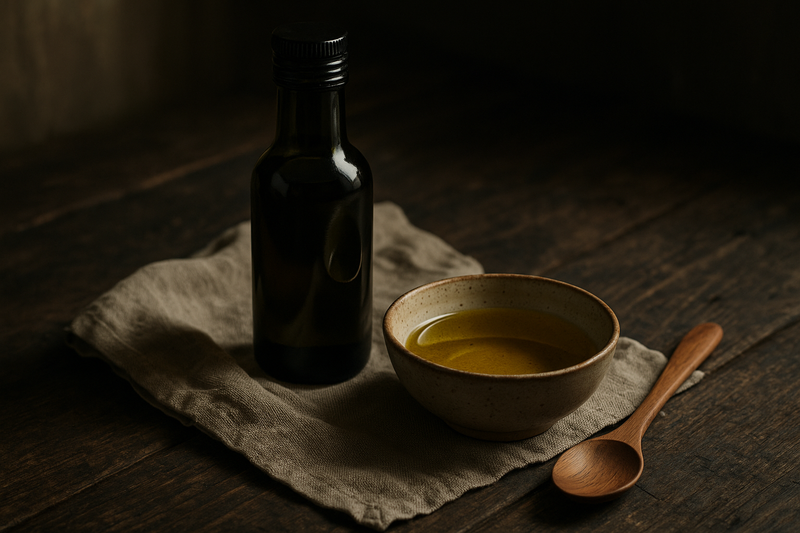
No single food will fix joint stiffness, and anyone who tells you otherwise is overselling it. But a consistent eating pattern built around vegetables, fruit, whole grains, legumes, nuts, seeds, and olive oil is linked in clinical trials to modest reductions in joint pain and morning stiffness, most clearly in rheumatoid arthritis and to a lesser degree in knee osteoarthritis. The effect is real but small, takes weeks to show up, and works alongside movement and medical treatment, not in place of it.
Key takeaways
- The strongest evidence is for an overall Mediterranean-style pattern, not any single ingredient.
- Trial benefits are modest, roughly a third the size of some standard rheumatoid arthritis medications, and need 8 to 12 weeks or longer to appear.
- Foods rich in omega-3 fats, fiber, and polyphenols are consistently linked to lower levels of inflammatory markers such as CRP and IL-6.
- Ultra-processed food, excess red and processed meat, and added sugar are the items most consistently tied to higher inflammation.
- Diet changes support, but never replace, a rheumatologist's or physician's treatment plan for joint disease.
Context and limits
Joint stiffness has many possible causes: osteoarthritis (wear-related joint damage), rheumatoid arthritis and other autoimmune conditions, gout, overuse, and simple aging. Diet research does not treat these as one condition, and the quality of evidence differs a lot by cause. The best trial evidence sits in rheumatoid arthritis (RA). In the MADEIRA and MEDRA randomized controlled trials, women and adults with RA who followed a Mediterranean-style diet for 12 weeks saw improvements in pain, morning stiffness, physical function, and inflammatory blood markers compared with usual care (MADEIRA trial, MEDRA trial). One trial reported RA disease-activity improvements roughly a third the size seen in methotrexate trials, a useful benchmark for how modest to expect this to be. A 2021 systematic review and meta-analysis of anti-inflammatory diets in RA found a statistically significant drop in pain scores, but rated the underlying evidence as very low certainty because the individual studies were small and had a high risk of bias (anti-inflammatory diets and RA pain, meta-analysis). For osteoarthritis, a 2025 meta-analysis of nine randomized trials (898 participants) covering Mediterranean, plant-based, low-fat, and anti-inflammatory diets found some benefit but again flagged inconsistent methods across studies (dietary intervention in osteoarthritis, meta-analysis). In short: the direction of evidence is encouraging, the size of the effect is modest, and the certainty is limited.
What to try first
Start with the overall pattern rather than chasing individual "anti-inflammatory" foods. A systematic review combining diet and physical activity interventions for inflammatory joint disease found the strongest results when nutrition changes were paired with regular movement, not diet alone (diet plus physical activity, systematic review). If you take one thing from this article, make it this: shift your overall pattern toward more plants, more variety, and less ultra-processed food, and give it at least two to three months before judging results.
A simple plate for joint-friendly meals
A practical way to build meals:
- Half the plate: non-starchy vegetables and fruit, varied in color, such as leafy greens, /food/broccoli, and /food/blueberry.
- A quarter: whole grains or legumes, such as lentils, chickpeas, or quinoa.
- A quarter: protein, leaning on fish, legumes, or tofu more often than red meat.
- A thumb of healthy fat: /food/extra-virgin-olive-oil as the primary cooking and dressing fat.
- A daily handful of /food/walnuts or seeds, and herbs like /food/turmeric and /food/ginger used regularly in cooking rather than as an occasional garnish.
Foods to prioritize
- Extra-virgin olive oil is the primary fat in every Mediterranean diet trial that showed benefit for joint symptoms.
- Fatty fish (salmon, sardines, mackerel) two to three times a week supplies omega-3 fats the Arthritis Foundation links to lower CRP and IL-6 (nutrition guidance, Arthritis Foundation). If you don't eat fish, plant omega-3 sources like /food/walnuts and /food/chia-seeds contribute a different, less potent form of omega-3 (ALA) and are still worth including daily.
- Berries, including /food/blueberry, and other produce rich in antioxidant compounds are highlighted by the Arthritis Foundation as part of a joint-friendly pattern (10 foods to try for arthritis).
- Leafy greens and cruciferous vegetables such as spinach, kale, and /food/broccoli add fiber and polyphenols linked to lower inflammatory markers.
- Legumes (lentils, chickpeas, beans) provide fiber and plant protein that can stand in for some red meat.
- Turmeric and ginger, used as everyday cooking spices, appear repeatedly in anti-inflammatory dietary patterns, though isolated supplement doses are a separate question from culinary use and not something to self-prescribe.
Foods to adjust
- Ultra-processed foods (packaged snacks, fast food, processed meats) show up most consistently across the research as linked to higher inflammatory markers.
- Added sugar and sugary drinks are worth trimming gradually rather than eliminating overnight.
- Excess red and processed meat is one of the more consistent "adjust" targets in RA and OA diet trials, though occasional inclusion is not the same as a forbidden food.
- Refined grains (white bread, most packaged baked goods) can be swapped for whole-grain versions most of the time.
- Alcohol in excess is associated with more inflammation and can also interact with arthritis medications, so any changes here are worth discussing with your prescriber.
A short action plan
- Pick one meal a day this week to rebuild around the plate pattern above.
- Swap your primary cooking fat to /food/extra-virgin-olive-oil if you haven't already.
- Add a fish or legume meal, and a handful of nuts or seeds, on most days.
- Cut back on one processed or sugary item you eat regularly, rather than trying to overhaul everything at once.
- Reassess after 8 to 12 weeks, since trial benefits took that long to appear, and track how you feel alongside any prescribed treatment, not instead of it.
Red flags: when to seek care
Joint stiffness can come from many different conditions, and it is not something to self-diagnose from a symptom list. Contact a doctor promptly, or seek urgent care, if you notice:
- Sudden joint swelling, redness, warmth, or severe pain, especially in a single joint (this can signal infection or gout and needs prompt evaluation).
- Fever combined with joint pain or swelling.
- Morning stiffness lasting longer than an hour, most days, for several weeks (a pattern associated with inflammatory arthritis that benefits from early rheumatology referral).
- Symmetrical pain or swelling in the same joints on both sides of the body.
- Inability to bear weight, joint locking, or stiffness following an injury.
- Unexplained weight loss alongside joint symptoms.
None of the food changes in this article are a substitute for that evaluation, and if you are already being treated for an inflammatory or autoimmune condition, do not stop or change medication based on diet alone.
Bottom line
Food will not cure joint stiffness, and no single ingredient is a fix. But a sustained Mediterranean-style pattern, built around olive oil, vegetables, fruit, legumes, nuts, seeds, and fish or plant omega-3 sources, has real, if modest, trial support for easing pain and stiffness over months, especially alongside movement and prescribed care. Treat it as one supporting piece of a larger treatment plan, not a replacement for medical assessment.
Frequently asked questions
How long before diet changes affect joint stiffness?
Clinical trials that found benefits typically ran 12 weeks or longer before seeing measurable improvement in pain and stiffness scores. Give a consistent pattern at least two to three months before judging whether it's helping.
Can diet replace my arthritis medication?
No. Diet changes are a complement to prescribed treatment, not a substitute. Never stop or adjust a medication without talking to the prescribing doctor first.
Is the Mediterranean diet better than a vegan or plant-based diet for joints?
Research has tested Mediterranean, plant-based, low-fat, and anti-inflammatory patterns for osteoarthritis and found some benefit across several of them, but Mediterranean-style eating has the most robust trial base specifically for rheumatoid arthritis symptoms.
Do I need fish oil supplements, or is eating fish enough?
This article covers food, not supplements. Supplement doses and forms are a separate decision to make with a doctor or dietitian, particularly if you take blood thinners or other medications.
Why do some foods get blamed for arthritis flares?
Individual trigger foods vary a lot from person to person and are not well established by controlled trials for most people; the stronger, more consistent evidence points to overall dietary patterns rather than single "trigger" foods.
Sources and evidence
- Mediterranean diet RCT in rheumatoid arthritis, MADEIRA trial
- Mediterranean diet RCT in rheumatoid arthritis, MEDRA trial
- Anti-inflammatory diets and pain in rheumatoid arthritis, meta-analysis
- Dietary intervention in osteoarthritis management, systematic review and meta-analysis
- Combined diet and physical activity for inflammatory joint disease, systematic review
- What to eat for arthritis, Arthritis Foundation
- 10 foods to try for arthritis, Arthritis Foundation
- MyPlate food group guidance, USDA
Know Your Numbers
Eating healthy is a start. Now get to know your biomarkers.
Food changes bloodwork — inflammation, lipids, blood sugar and nutrient status all respond to what you eat. 59 markers from $59.
- Results in 7–10 days at 2,000+ Quest sites
- Licensed provider reviews every result
- One flat price, no membership, HSA/FSA eligible
Educational information only, not medical advice. Panels are ordered and reviewed through our licensed partner; Plantopedia may earn a commission.