Foods That Support Focus and Mental Clarity
An evidence check on the foods people reach for when they need to concentrate, including where the effect is real, where it is small, and where the marketing has run ahead of the research.
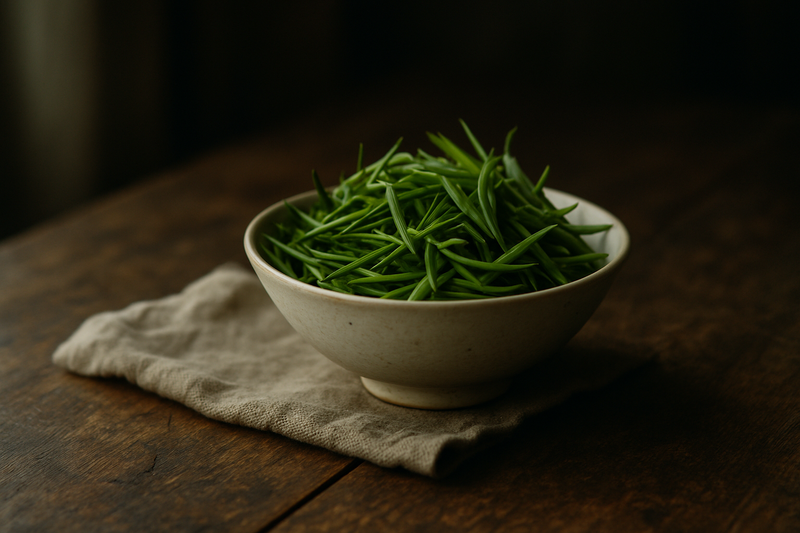
No food will make a rested, well-fed adult noticeably sharper for long. The food-related levers that measurably affect focus are narrower than the internet suggests: staying hydrated, using caffeine deliberately rather than habitually, eating enough to avoid distraction from hunger, and correcting a genuine nutrient shortfall if you have one. Beyond that, the diet effect on thinking is a slow, pattern-level one. That is the honest starting point, and everything below is built on it.
Key takeaways
- Caffeine is the only common dietary compound with a well-established, short-term effect on attention and alertness, and it works best when you are under-aroused.
- Mild dehydration shows the most consistent link to worse sustained attention, which makes water the least glamorous and most reliable item on this list.
- Foods like berries, leafy greens, nuts and olive oil have modest and mixed short-term evidence; their better case is long-term brain aging, not this afternoon.
- Correcting an actual deficiency (iron, B12, folate) can meaningfully change concentration, but supplementing when you are already replete generally does not.
- Sleep, physical activity and treated health conditions outrank every food on this page.
How these foods were chosen
Three filters. First, the food had to be tested in humans on some cognitive endpoint, not just in cells or rodents. Second, I separated acute effects (does it change performance today) from long-horizon effects (is it associated with better cognitive aging), because conflating those two is the most common error in this genre. Third, foods were included only if a normal serving is plausible; if the research used a concentrated extract at a dose you cannot reach by eating, that is noted rather than hidden.
What did not make the list: anything sold primarily as a nootropic, anything whose evidence is a single small crossover study, and any food where the claimed mechanism (an antioxidant in a test tube) has never been connected to a measured cognitive outcome in people.
The list
Coffee. The strongest acute evidence here belongs to caffeine. The European Food Safety Authority concluded that a cause and effect relationship is established between roughly 75 mg of caffeine, about one regular cup, and increased attention and alertness, chiefly in situations of low arousal. Two caveats matter. Higher doses do not reliably produce more alertness, and much of the benefit regular drinkers feel is reversal of withdrawal rather than enhancement above baseline.
Green tea. Lower caffeine per cup plus L-theanine, an amino acid that some trials pair with caffeine for a calmer alertness profile. The evidence for the combination is suggestive rather than firm. Its practical value is real though: if coffee makes you jittery or wrecks your sleep, tea delivers a smaller, slower dose.
Oats. A slowly digested breakfast built on oats, fruit and nuts avoids the hunger and blood sugar swings that make sustained work harder. Research on glycemic index and cognition is mixed and effect sizes are small, so treat this as removing an obstacle rather than adding an advantage.
Walnuts. A convenient source of alpha-linolenic acid and a component of dietary patterns that have been trialed for cognition. The two-year Walnuts and Healthy Aging trial found no overall effect on cognitive decline in healthy older adults, with a positive signal in one site subgroup. Useful food, oversold claim.
Blueberries. Anthocyanin-rich berries have produced some encouraging results, particularly on verbal memory and in people with existing cognitive complaints. A six-month double-blind trial in adults with metabolic syndrome found improved self-rated calmness after a cup of blueberries but no change in the cognitive or mood measures. Worth eating; not a focus intervention.
Spinach. Leafy greens supply folate, lutein, vitamin K and nitrate. In a prospective study of older adults, roughly one serving a day of green leafy vegetables tracked with slower cognitive decline. That is observational and about trajectory over years, not concentration during a meeting.
Pumpkin seeds. Dense in iron, zinc and magnesium. This matters because low iron stores are a genuine and common cause of poor concentration and fatigue, especially in menstruating people and those eating mostly plants. Food sources help maintain status; they are not a treatment for diagnosed deficiency.
Extra virgin olive oil. Not a focus food in any acute sense. It appears here because it anchors the Mediterranean pattern used in the trials that produced the most encouraging long-term cognitive results, and because it makes vegetables and legumes worth eating.
Water. Unglamorous and the most consistent finding in the acute literature. In middle-aged and older adults, dehydration was associated with worse performance on a sustained attention task, while other cognitive domains were largely unaffected. Sustained attention is precisely what focus work requires.
How to actually use them
Build the day rather than the snack. A breakfast with fiber, protein and fat (oats with nuts and berries, or beans and greens if that suits you) removes the mid-morning crash without needing to be clever. Keep water within reach and drink before you feel thirsty; thirst lags behind mild deficits.
Spend caffeine deliberately. One cup before your hardest cognitive block does more than four cups spread across the day, and it protects the effect from tolerance. Most people should stop caffeine at least six to eight hours before bed, because the sleep it costs will remove more focus tomorrow than it bought today.
Size your lunch for the afternoon you want. A very large, fast-digesting meal is a reliable way to lose the next ninety minutes. Aim for vegetables, legumes and whole grains at a moderate portion.
And resist stacking. Adding six supposedly brain-supporting foods at once tells you nothing about which, if any, helped.
Why the pattern matters more than any single food
The best test of the food-and-cognition idea to date is the MIND diet trial published in 2023. Six hundred and four older adults at elevated risk were randomized for three years to the MIND diet or a control diet, both with mild calorie restriction. Cognitive outcomes and brain MRI measures did not differ significantly between groups. Both groups improved slightly, and both lost about five kilograms, which raises the possibility that weight change, not food choice, drove what improvement occurred.
That null result is informative rather than discouraging. It suggests that in well-nourished adults, swapping one reasonable diet for another reasonable diet over three years produces small effects at best, and that the large differences seen in observational studies partly reflect the other things careful eaters do. Vascular health, sleep, hearing, physical activity, education and treated blood pressure all plausibly matter more than which berry is in the bowl.
Who should adapt or be cautious
If you have an anxiety disorder, panic attacks, a heart rhythm problem, reflux or insomnia, caffeine can make things worse, and the dose you tolerate may be much lower than average. People who are pregnant are generally advised to limit caffeine, so ask your own clinician for a number. Caffeine also interacts with several medications; a pharmacist can check yours in a minute.
If you take warfarin, sudden large swings in leafy green intake affect vitamin K and therefore your dosing. Do not stop eating greens; keep intake consistent and tell your clinician.
If you eat little or no animal food, get vitamin B12 status handled properly, because deficiency can present as poor concentration and fatigue long before anything else shows. Long-term metformin use is another reason to check B12. Do not self-diagnose iron deficiency either; ferritin testing is cheap and iron supplements taken without need are not harmless.
None of this is a substitute for clinical care. Seek medical attention promptly for sudden confusion, new difficulty finding words, focus changes accompanied by headache, vision change or weakness, or memory problems that other people have started to notice. Persistent brain fog also has common treatable causes, including depression, sleep apnea, thyroid disease, anemia and medication side effects, and those deserve investigation before dietary tinkering.
Bottom line
For focus today, drink water, use caffeine on purpose, eat a meal that does not spike and crash you, and protect your sleep. For thinking well over decades, eat a pattern heavy in vegetables, legumes, whole grains, nuts and olive oil, and treat the individual foods on this list as pleasant components of that pattern rather than levers. Related goals are collected at /health.
Frequently asked questions
Does coffee really improve focus, or just fix withdrawal? Both, depending on who you are. In people who rarely use caffeine, a single serving increases attention and alertness, most clearly when arousal is low, such as when tired or during monotonous tasks. In habitual heavy users, a large part of the felt improvement is relief of withdrawal symptoms. Occasional, targeted use preserves more of the genuine effect.
Are brain-boosting drinks and nootropic blends worth it? Most combine caffeine with ingredients whose independent evidence in healthy adults is thin, at doses that are often undisclosed. You generally pay a premium for the caffeine plus uncertainty. If a product works for you, it is worth checking how much caffeine it contains, since that is usually the active part.
Will eating more blueberries or walnuts make me sharper this week? Unlikely in any way you would notice. Acute studies on berries and nuts are mixed and mostly show small effects on specific memory tasks rather than general focus. Their better argument is as part of a long-term eating pattern, and they are worth eating on nutritional grounds regardless.
Is skipping breakfast bad for concentration? It depends on the person. Some people work well fasted; others become distracted and irritable within a couple of hours. The research is inconsistent enough that individual experiment beats general advice. If you do eat, a meal with fiber, protein and fat tends to hold better than refined carbohydrate alone.
Could my brain fog be a nutrient deficiency? It can be, and iron, vitamin B12 and folate are the usual candidates, particularly in people who menstruate, eat mostly plants, take long-term metformin or have had gastrointestinal surgery. The right move is a blood test through your clinician, not a guess plus a supplement, because untreated deficiency and unnecessary supplementation both carry risk.
Sources and evidence
- EFSA scientific opinion on caffeine, alertness and attention
- Dehydration and sustained attention in middle-to-older aged adults, longitudinal study
- Trial of the MIND Diet for Prevention of Cognitive Decline in Older Persons, New England Journal of Medicine
- NIH National Institute on Aging summary of leafy greens and cognitive decline
- Six-month randomized trial of blueberries on cognition, alertness and mood in metabolic syndrome
- Systematic review and dose-response meta-analysis of omega-3 supplementation and cognitive function
- Dietary flavanols and hippocampal-dependent memory in older adults, PNAS
- Effect of a 2-year walnut intervention on cognitive decline, the WAHA randomized trial (https://ajcn.nutrition.org/article/S0002-9165(22)01041-3/fulltext)
- USDA FoodData Central, food composition data for checking nutrient content
Know Your Numbers
Eating healthy is a start. Now get to know your biomarkers.
Food changes bloodwork — inflammation, lipids, blood sugar and nutrient status all respond to what you eat. 59 markers from $59.
- Results in 7–10 days at 2,000+ Quest sites
- Licensed provider reviews every result
- One flat price, no membership, HSA/FSA eligible
Educational information only, not medical advice. Panels are ordered and reviewed through our licensed partner; Plantopedia may earn a commission.