Green Tea — health benefits and uses
Central to East Asian wellness tradition for alertness and longevity.
The Short Answer
Green tea is a low-calorie beverage rich in EGCG antioxidants and L-theanine, providing a modest 35mg of caffeine per cup for focused energy. It is best brewed at 75–85°C to avoid bitterness and should be consumed between meals to prevent tannins from blocking
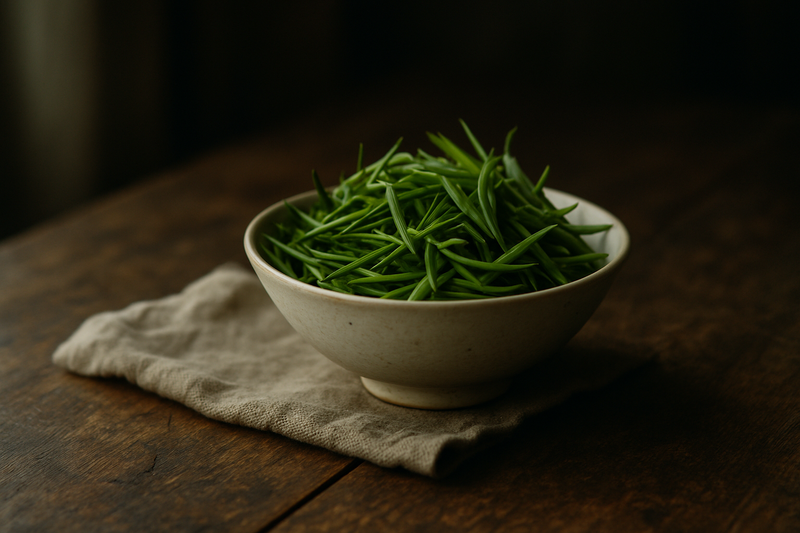
Green Tea · Photograph
Discover the real green tea health benefits and side effects, from heart and brain support to caffeine content and iron absorption risks. Evidence-based, layperson-friendly guide to brewing, dosing, and safety.
Key Nutrients
% Daily Value based on 2,000 cal diet
Key active compounds in green tea
- Catechins — A class of flavonoid polyphenols (plant-based antioxidants) that make up the majority of green tea's bioactive load. The main catechins are EGCG, EGC, ECG, and EC.
- EGCG (epigallocatechin gallate) — The dominant and most studied catechin. It influences cell signaling pathways linked to cardiovascular health, metabolic function, and inflammation.
- Caffeine — A naturally occurring stimulant alkaloid. One cup of brewed green tea typically contains 30–50 mg, compared to 80–100 mg in a standard cup of coffee.
- L-theanine — A non-protein amino acid unique to tea leaves. It may promote a calm, focused alertness by modulating neurotransmitters (brain-signaling chemicals), and is thought to soften the more jittery effects of caffeine.
- Flavonoids and tannins — Additional polyphenol compounds that contribute to antioxidant activity, potential anti-inflammatory effects, and the slight astringency (dry, puckering sensation) of tea. Tannins are also the main reason green tea reduces iron absorption.
- Vitamin K (phylloquinone) — Present in small amounts; relevant for anyone on blood-thinning medications.
Prep and pairing ideas
How to brew green tea to avoid bitterness Use water at 75–85 °C (just off the boil, or let boiling water sit for 2–3 minutes). Steep for 1–3 minutes — longer steeping releases more tannins, which increases bitterness. A shorter steep at lower temperature tends to produce a sweeter, more delicate flavor while still extracting a good dose of catechins.
Three practical pairings
- Green tea + lemon juice. Adding a squeeze of lemon (vitamin C) after brewing may help protect catechins during digestion, making them more bioavailable (easier for the body to absorb and use). It also brightens the flavor.
- Green tea + oats or whole grain toast (not with iron-rich plant foods). A mid-morning cup between meals rather than with a meal sidesteps the iron absorption issue while still fitting naturally into a breakfast routine.
- Matcha + unsweetened plant milk. Blending matcha into oat or almond milk makes a latte that is gentler on caffeine-sensitive stomachs than drinking it straight, while still delivering concentrated catechins. Skip added syrups to keep sugar content low.
Bottom line
Green tea is one of the better-evidenced functional beverages available. Drinking 1–3 cups a day of quality brewed green tea fits comfortably into most healthy adults' routines and comes with a reasonable body of human evidence supporting modest benefits for heart health, blood sugar regulation, antioxidant status, and focused mental alertness.
The side effects are real but largely manageable: time your cup away from iron-rich meals and supplements, mind your total caffeine load, and stay away from high-dose extract supplements unless a clinician is involved.
No cup of tea fixes an otherwise poor diet or treats a diagnosed condition. But as a daily habit layered onto a whole-food dietary pattern, green tea earns its reputation — without the hype.
Looking to see where green tea fits in your broader health goals? Explore ingredient guides organized by health goal at /goals.
How Green Tea Compares
| Compared with | What's different |
|---|---|
| Green Tea vs. Black Coffee | Contains roughly 35mg of caffeine per cup, whereas coffee averages 80–100mg. |
| Green Tea vs. Matcha | Steeped leaves provide diluted catechins; matcha is ground leaf powder with higher EGCG density. |
| Green Tea vs. Herbal Tea | Contains L-theanine for calm focus, while herbal teas are typically caffeine-free and lack tea catechins. |
Health Benefits
Things to Know
Iron absorption: Green tea polyphenols and tannins can reduce non-heme iron absorption by a significant margin — some studies cite up to approximately 90% reduction when tea is consumed with iron-rich meals or supplements. Drink tea between meals if iron status is a concern.
Caffeine sensitivity: If you experience anxiety, insomnia, a racing heart, or digestive upset from coffee, start with one cup of weak-brewed green tea and see how you respond. Avoid drinking green tea after mid-afternoon if sleep is affected.
Pregnancy and breastfeeding: Caffeine passes to the fetus and into breast milk. Most guidelines recommend limiting total caffeine to under 200 mg/day during pregnancy. Green tea should not be consumed alongside prenatal iron supplements. Check with your midwife or doctor.
Iron deficiency and anemia: If you have been diagnosed with iron-deficiency anemia or have low ferritin (stored iron), time your tea carefully and discuss intake with your healthcare provider.
Warfarin and anticoagulants: Green tea contains small amounts of vitamin K and bioactive polyphenols that may interact with blood-thinning medications. Maintain consistent tea intake and flag it to your prescriber.
Blood pressure medications: Caffeine can acutely raise blood pressure in some people, counteracting antihypertensive drugs. Monitor your response and track total caffeine from all sources.
High-dose extracts and liver health: If you have pre-existing liver disease, avoid concentrated green tea extract supplements unless supervised by a clinician.
Children and teenagers: More sensitive to caffeine; limit strong green tea and matcha.
Additive caffeine: Factor in other caffeine sources — coffee, energy drinks, cola, dark chocolate — when calculating your total daily intake.

Prep Ideas
- — **Green tea + lemon juice.** Adding a squeeze of lemon (vitamin C) after brewing may help protect catechins during digestion, making them more bioavailable (easier for the body to absorb and use). It also brightens the flavor.
- — **Green tea + oats or whole grain toast (not with iron-rich plant foods).** A mid-morning cup between meals rather than *with* a meal sidesteps the iron absorption issue while still fitting naturally into a breakfast routine.
- — **Matcha + unsweetened plant milk.** Blending matcha into oat or almond milk makes a latte that is gentler on caffeine-sensitive stomachs than drinking it straight, while still delivering concentrated catechins. Skip added syrups to keep sugar content low.
Glossary
Shop This Ingredient
Stock your pantry with quality green tea.
Buy on AmazonAs an Amazon Associate, Plantopedia earns from qualifying purchases. This costs you nothing extra and helps us keep the encyclopedia free.
Frequently Asked Questions
Heart and circulation This is where green tea's evidence base is strongest. A systematic review and meta-analysis — a rigorous study design that pools results from many trials — found green tea supplementation improved several cardiovascular risk factors, including blood pressure and blood lipids (fats in the blood like LDL cholesterol). A 14-week randomized cohort study found that people drinking green tea three times daily showed reduced mean arterial pressure (average blood pressure across the heartbeat cycle) and increased serum antioxidant capacity (the blood's measured ability to neutralize damaging molecules). The key caveat: most improvements are in risk markers rather than hard outcomes like heart attacks or strokes. Green tea looks like a supportive dietary factor for heart health, not a replacement for proven medical interventions. Digestive health and microbiome Direct clinical evidence for digestive benefits is limited. Catechins have demonstrated antibacterial activity against certain oral and gastrointestinal pathogens (disease-causing microbes), and green tea has been associated with reduced dental cavities in human studies. Polyphenols may also modestly influence gut motility (the movement of food through the digestive tract). The stronger digestive-related evidence, somewhat counterintuitively, is on the downside: tannins and polyphenols in green tea can significantly reduce non-heme iron absorption (the form of iron found in plant foods and supplements) when consumed alongside meals or iron tablets. This is covered in more detail in the safety section below. Blood sugar and metabolism Reviews of green tea report modest improvements in fasting glucose (blood sugar after an overnight fast) and insulin sensitivity (how effectively cells respond to insulin) in human trials. A meta-analysis on cardiometabolic risk factors found small but consistent improvements in fasting glucose and blood lipid profiles. Effect sizes are small and vary between studies. The evidence supports viewing green tea as a helpful dietary habit for metabolic health, but current data do not support claims that it prevents or treats type 2 diabetes. Inflammation and recovery Regular green tea intake measurably increases serum antioxidant capacity in human trials, which may indirectly dampen oxidative stress — the cellular damage caused by unstable molecules called free radicals. EGCG acts on NF-κB (nuclear factor kappa-B), a signaling switch that controls inflammatory gene expression in cells. However, direct human data on specific inflammatory markers like CRP (C-reactive protein, a blood marker of systemic inflammation) are still relatively sparse and inconsistent. Anti-inflammatory effects are promising but should be classified as emerging rather than firmly established. Brain health L-theanine and caffeine together are consistently linked to improvements in attention, reaction time, and working memory in short-term human studies. This synergy — calm focus without the hard edge of caffeine alone — is one of green tea's most reproducible cognitive effects. Longer-term brain protection (for conditions like dementia) is suggested by observational data and animal models, but large prospective trials in humans are still limited. Green tea appears brain-supportive, but describing it as neuroprotective in a clinical sense requires more evidence.
Brewed loose leaf or tea bags Most human clinical trials are based on brewed green tea — dried leaves steeped in hot water. This is the most studied form, and 1–3 cups per day is the range most consistently associated with benefits and safety. Brew at 75–85 °C (167–185 °F): water below boiling preserves delicate catechins and prevents the bitterness caused by excess tannin release. Matcha vs. green tea Matcha is made from the whole leaf, ground into a fine powder and whisked into water — so you ingest the entire leaf rather than just the infusion. This means matcha delivers significantly higher concentrations of both catechins and caffeine per serving than standard brewed tea. It is not inherently "healthier," but it is more potent. People sensitive to caffeine or those just starting out should treat matcha as a stronger dose. A standard matcha serving (about 1 teaspoon / 2 g of powder) may contain 70–140 mg of caffeine and 2–3 times the catechins of a typical brewed cup. Standardized green tea extract (capsules or tablets) Used in clinical trials at doses of roughly 300–900 mg catechins per day. Allows precise dosing and is useful for research purposes. However, concentrated extracts have been linked to a small number of serious adverse effects — including rare cases of liver stress (hepatotoxicity) — particularly at very high doses. Extract supplements should be used with medical supervision, especially in people with liver conditions. Ready-to-drink bottled green tea Convenient but inconsistent. Catechin content varies widely between brands, processing strips some polyphenols, and many commercial products contain added sugars. If you are buying bottled green tea for health reasons, check the label for added sweeteners and look for products that specify polyphenol or catechin content. Decaffeinated green tea Retains a proportion of catechins with substantially reduced caffeine. A reasonable option for people who are caffeine-sensitive, pregnant, or drinking tea in the evening.
The health-conscious coffee drinker looking to diversify Gets a genuine antioxidant boost with significantly less caffeine than coffee (roughly a third to half the amount) The L-theanine + caffeine pairing may provide a smoother, more focused energy lift than coffee Can replace one or two daily coffees without disrupting routine The plant-based eater monitoring iron levels Should be especially aware of timing: drink green tea between meals, not with them Avoid drinking tea within 1–2 hours of iron-rich plant foods (lentils, tofu, spinach) or iron supplements Consider decaffeinated versions to lower overall stimulant load while still getting polyphenol benefits
General population: 1–3 cups of brewed green tea per day is the range most consistently studied in clinical trials and associated with meaningful benefits without notable risk. This supplies roughly 30–150 mg of caffeine and a practical dose of catechins depending on leaf grade and steeping time. For specific goals: Trials focused on cardiometabolic markers have used three standardized servings per day. Weight-related trials have used catechin capsules providing approximately 600 mg of catechins daily — a dose difficult to match with brewed tea alone and better managed as a supplement under guidance. Matcha: Because it is more concentrated, 1 serving (about 1 teaspoon of powder) is closer in catechin and caffeine load to 2–3 cups of brewed tea. Start with half a teaspoon if you are new to matcha. Start low: If you are new to green tea or sensitive to caffeine, begin with one cup per day and assess tolerance over 1–2 weeks before increasing. A note on supplements: Concentrated green tea extract capsules are not the same as drinking tea. Very high intakes have been linked to rare but serious adverse effects. If you are considering a supplement, consult a healthcare provider first.
Quick Answers
Common questions, answered in a line.
Green tea typically contains 30–50 mg of caffeine per cup, which is significantly lower than the 80–100 mg found in a standard cup of coffee. It also contains L-theanine, an amino acid that may soften caffeine's jittery effects and promote a calm, focused alertness.
Green tea contains tannins and polyphenols that can reduce the absorption of non-heme iron by up to 90% if consumed during a meal. To avoid this, it is best to drink green tea between meals rather than alongside iron-rich foods or prenatal supplements.
To avoid bitterness, brew green tea with water at 75–85 °C (just off the boil) and steep it for only 1–3 minutes. Longer steeping times or boiling water release more tannins, which creates a harsher, more astringent flavor.
Adding a squeeze of lemon juice to green tea provides vitamin C, which helps protect catechins during digestion and makes them easier for your body to absorb. This pairing increases the bioavailability of the tea's primary antioxidants while brightening the flavor.
Green tea contains small amounts of Vitamin K and bioactive polyphenols that may interact with blood-thinning medications like Warfarin. If you are on anticoagulants, you should maintain a consistent intake and discuss your tea consumption with your healthcare provider.
Pregnant and breastfeeding women are generally advised to limit total caffeine intake to under 200 mg per day, as caffeine passes to the fetus and into breast milk. Additionally, green tea should not be consumed with prenatal iron supplements due to its effect on iron absorption.
The primary antioxidants in green tea are catechins, a class of flavonoid polyphenols, with EGCG (epigallocatechin gallate) being the most dominant and well-studied. These compounds influence cell signaling pathways linked to heart health, metabolism, and inflammation.
For Readers in the USA
Local context — sourcing, seasonality, and regional notes.
Green tea is primarily grown in Hawaii and the Pacific Northwest, though the U.S. remains one of the world's largest importers of tea from Asia. Domestic production is increasing in South Carolina and Mississippi, but most loose-leaf and bagged options found in American stores are sourced from Japan or China.
You can find green tea at every major U.S. grocery chain like Kroger, Publix, and Safeway, as well as specialty retailers like Whole Foods or Trader Joe's. Most American supermarkets stock a wide variety of formats, including bagged, loose-leaf, powdered matcha, and ready-to-drink bottled versions.
When buying green tea in the U.S., look for the USDA Organic seal to ensure the tea was grown without synthetic pesticides or fertilizers. The FDA does not pre-approve health claims on tea packaging, but they do monitor labels to ensure companies do not claim the tea can treat or cure specific diseases.
While hot brewed tea is a global standard, the United States has a unique cultural preference for unsweetened iced green tea, often served as a refreshing alternative to soda. In recent years, Japanese-style matcha lattes have also become a staple menu item in American coffee shops and cafes nationwide.
AI Clinical Review
- Clearly explains what green tea is and highlights catechins—especially EGCG—plus caffeine and L‑theanine, with realistic ranges that match human research.
- Appropriately frames the strongest evidence around modest improvements in cardiometabolic risk markers (blood pressure, LDL cholesterol, antioxidant capacity), not as a disease treatment.
- Accurately flags iron‑absorption interference and offers practical timing to reduce it.
- Helpfully distinguishes forms (brewed tea, matcha, extracts, decaf, bottled) and gives sensible brewing temperatures to preserve catechins and limit bitterness.
- Most trials measure risk markers; evidence for “hard” outcomes like fewer heart attacks, strokes, or new‑onset diabetes remains limited.
- Anti‑inflammatory and microbiome findings are mixed; consistent changes in markers like CRP or clear digestive benefits in humans aren’t yet established.
- Cognitive benefits are strongest in short‑term tests of attention and reaction time; long‑term neuroprotection (e.g., dementia risk) is not proven.
- Weight‑management effects are small and often rely on higher‑dose catechin supplements than typical brewed tea provides.
- A practical intake for most adults is 1–3 cups/day of brewed green tea; matcha is more concentrated (about 1 tsp can approximate 2–3 brewed cups). Monitor total daily caffeine and avoid late‑day intake if sleep is affected; in pregnancy, keep total caffeine under ~200 mg/day.
- If you have low iron or take iron supplements, separate tea from meals/supplements by at least 1–2 hours to reduce iron binding by tannins/polyphenols.
- Avoid high‑dose green tea extract without clinician oversight; rare cases of liver stress have been reported, especially at high catechin doses or on an empty stomach.
- If you use blood thinners (e.g., warfarin) or have blood pressure that is sensitive to caffeine, keep intake consistent and discuss your plan with your clinician.
Contains caffeine; may reduce iron absorption when taken with meals.
References
- USDA FoodData Central — Brewed green tea nutrition data (fdc.nal.usda.gov)
- Randomized cohort trial: 14-week green tea consumption, blood pressure and antioxidant capacity (pmc.ncbi.nlm.nih.gov)
- Narrative review: Role of green tea in human health and chronic disease (pmc.ncbi.nlm.nih.gov)
- Review: Catechins and human health — clinical trial evidence for EGCG (pubmed.ncbi.nlm.nih.gov)
- Clinical evidence overview: Can green tea do that? (pubmed.ncbi.nlm.nih.gov)
- Systematic review and meta-analysis: Green tea supplementation and cardiovascular risk factors (pubmed.ncbi.nlm.nih.gov)
- Clinical trial: High-dose green tea extract, weight loss and cardiometabolic markers in central obesity (pubmed.ncbi.nlm.nih.gov)
- Systematic review: Green tea for weight loss in overweight or obese adults (pmc.ncbi.nlm.nih.gov)
- Comprehensive review: Health-promoting effects of green tea including chemoprevention data (ncbi.nlm.nih.gov)
- Study: Association between green tea consumption and non-heme iron absorption/iron status (pmc.ncbi.nlm.nih.gov)
Know Your Numbers
Eating healthy is a start. Now get to know your biomarkers.
Food changes bloodwork — inflammation, lipids, blood sugar and nutrient status all respond to what you eat. 59 markers from $59.
- Results in 7–10 days at 2,000+ Quest sites
- Licensed provider reviews every result
- One flat price, no membership, HSA/FSA eligible
Educational information only, not medical advice. Panels are ordered and reviewed through our licensed partner; Plantopedia may earn a commission.
Filed Under
Health Goals This Supports
Related Ingredients
Best Foods for Focus and Memory
A body-systems look at the foods with the most credible human evidence for attention and memory over time, including the trial that found no benefit and why that result matters.
Best Plant-Based Foods for Brain Health
The plant foods that show up most consistently in cognitive aging research, the criteria used to select them, and an honest account of what randomized trials have and have not demonstrated.
Foods That Support Focus and Mental Clarity
An evidence check on the foods people reach for when they need to concentrate, including where the effect is real, where it is small, and where the marketing has run ahead of the research.
How Fiber and Polyphenols Support Inflammation Balance
A mechanism-first look at how dietary fiber and plant polyphenols interact with the gut, the immune system and inflammatory markers, and an honest account of what human trials can and cannot support.
Polyphenols and Brain Aging
An evidence-first look at whether polyphenol-rich foods slow brain aging, why the vascular pathway is the most credible route, and how cohort findings and randomized trials diverge.
Polyphenols and the Brain: A Simple Guide
A plain-language explanation of what polyphenols are, the step-by-step route by which they might influence the brain, and an honest reading of what human trials have and have not shown.
What to Avoid Eating Late at Night
A ranked, evidence-weighted look at which late-night foods and drinks are most likely to disrupt sleep, how timing and dose change the answer, and which common restrictions are not worth making.