Aleppo Pepper — health benefits and uses
Used across the Levant as a warming, appetite-stimulating spice.
The Short Answer
Aleppo pepper is a mild Syrian chili flake known for its fruity flavor and moderate heat, containing 194 IU of Vitamin A and 3.3 mg of Vitamin C per teaspoon.
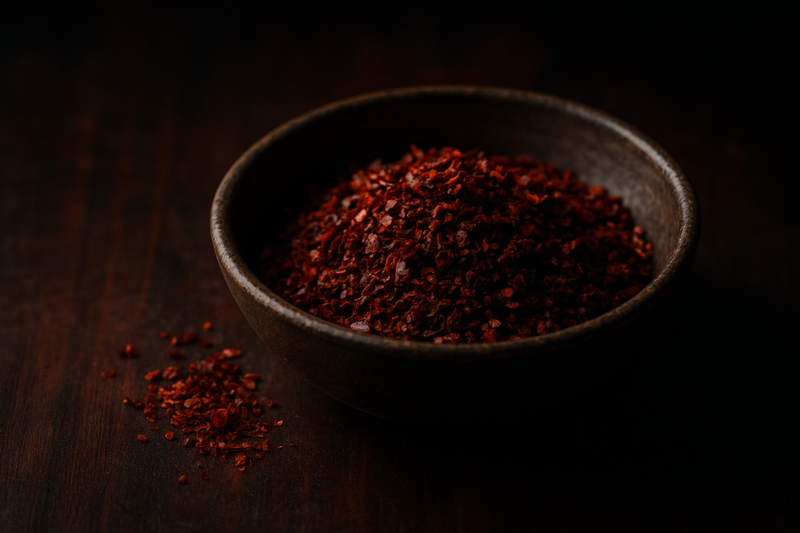
Aleppo Pepper · Photograph
Discover the Aleppo pepper health benefits backed by research: antioxidants, metabolism support, and anti-inflammatory compounds in a fruity, mild-heat Syrian chili flake. Includes nutrition facts per teaspoon, safety notes, and easy ways to use it on hummus, roasted vegetables, and grains.
Key Nutrients
% Daily Value based on 2,000 cal diet
Key active compounds
- Capsaicin and capsaicinoids — The pungent alkaloids (naturally occurring plant compounds) that activate TRPV1 receptors (heat-sensitive nerve receptors in the body). Linked to modest increases in energy expenditure, appetite modulation, and temporary vasodilation (widening of blood vessels).
- Beta-carotene — A fat-soluble carotenoid (orange-red pigment) that the body converts to vitamin A. Supports vision, immune defense, and skin and mucosal barrier health.
- Lutein and zeaxanthin — Yellow carotenoids that accumulate in the retina (the light-sensing layer at the back of the eye) and may help protect against age-related macular degeneration.
- Vitamin C — A water-soluble antioxidant important for collagen synthesis, immune function, and neutralizing free radicals (unstable molecules that can damage cells).
- Phenolic compounds and flavonoids — A broad family of plant polyphenols that contribute to antioxidant capacity and may influence inflammation and vascular function, though Aleppo pepper's specific polyphenol profile has not been well characterized in the literature.
Myths vs. facts about Aleppo pepper
Myth 1: "Aleppo pepper is just fancy chili flakes with no real difference." Fact: Aleppo pepper has a distinct flavor profile — fruity, slightly oily, with mild-to-moderate heat around 10,000–30,000 SHU compared with standard crushed red pepper at 30,000–50,000 SHU. The lower capsaicin load changes both its tolerability and the sensory experience of dishes it finishes.
Myth 2: "Because it's spicy, it's bad for your stomach." Fact: Heat level matters. Many people who find regular red pepper flakes irritating tolerate Aleppo pepper well. Chronic exposure to low-level capsaicin can actually desensitize TRPV1 receptors over time, which may reduce sensitivity in some individuals. That said, anyone with active GERD, gastritis, or ulcers should still introduce it cautiously.
Myth 3: "The antioxidants in one teaspoon make a significant health impact." Fact: A single teaspoon provides meaningful vitamins A and C relative to its calorie count, but the quantities are still small. The stronger benefit is the dietary pattern effect: using Aleppo pepper as a flavor tool helps people eat more vegetables and legumes consistently, which is where the real nutritional power lies.
Prep and pairing ideas
Aleppo pepper shines as a finishing spice — added at the table or in the last 30 seconds of cooking to preserve its fruity aromatics. High heat for extended periods can mute its distinctive flavor.
Three practical pairings:
- Hummus + Aleppo pepper + olive oil — The classic. The oil in hummus (from tahini and added olive oil) helps absorb fat-soluble carotenoids from the pepper, boosting vitamin A bioavailability while adding a gentle, attractive heat to a legume-rich dish.
- Roasted cauliflower or carrots + Aleppo pepper + lemon juice — Toss vegetables with a light coat of oil and Aleppo pepper before roasting, then add a squeeze of lemon after. The acidity brightens the pepper's fruitiness and pairs with its mild heat to make plain vegetables genuinely exciting.
- Grain bowls (farro, freekeh, or brown rice) + Aleppo pepper + toasted nuts — Stirring half a teaspoon into warm grains with a drizzle of olive oil and toasted pine nuts or walnuts delivers a Middle Eastern-inspired bowl that is fiber-rich, satisfying, and anti-inflammatory in its overall dietary pattern.
Bottom line
Aleppo pepper is a genuinely distinctive spice — fruity, moderately hot, and rich in carotenoids and capsaicin — with a plausible (though not yet directly proven) set of health associations drawn from broader chili-pepper research. Its most reliable benefit for most people is practical: it makes vegetables, legumes, and whole grains taste better, which helps you eat more of them more consistently.
If you tolerate spice reasonably well, adding ½ to 1 teaspoon of Aleppo pepper to one or two daily meals is a low-risk, flavorful way to increase antioxidant intake, support a WFPB dietary pattern, and enjoy the metabolic and vascular signals that the capsaicin literature continues to build. People with GERD, gastritis, IBS, or significant capsaicin sensitivity should approach it slowly and check in with a healthcare provider if symptoms arise.
How Aleppo Pepper Compares
| Compared with | What's different |
|---|---|
| Aleppo Pepper vs. Crushed Red Pepper | Lower heat (10k Scoville) with a fruity, salt-cured finish compared to the sharp 30k+ heat of generic flakes. |
| Aleppo Pepper vs. Smoked Paprika | Provides a milder, raisin-like sweetness and oily texture, whereas Smoked Paprika is earthy and dry. |
| Aleppo Pepper vs. Cayenne Pepper | Sharper and hotter than Aleppo, which offers a more complex, sun-dried fruit flavor and less intense burn. |
Health Benefits
Things to Know
GI sensitivity: — Those with GERD, hiatal hernia, active gastritis, peptic ulcers, IBS, or inflammatory bowel disease during a flare should start with a pinch (about ⅛ teaspoon) and increase slowly, monitoring for heartburn, cramping, or loose stools.
Capsaicin sensitivity: — If you experience facial flushing, hives, or intense burning from mildly spicy foods, start very small; these reactions can indicate heightened TRPV1 sensitivity or, rarely, an allergic response.
Sodium: — Many commercial Aleppo-style products include added salt. If you are on a sodium-restricted diet for blood pressure or kidney health, choose unsalted single-ingredient flakes and check labels carefully.
NSAIDs and aspirin: — Combining any spicy food with medications known to irritate the stomach lining (such as ibuprofen or naproxen) may compound gastric irritation in susceptible individuals.
Diabetes medications: — Chili pepper in larger amounts can modestly influence post-meal glucose. If you use insulin or blood-sugar-lowering medications and plan to increase Aleppo pepper significantly, monitor glucose and discuss with your healthcare provider.
Pregnancy: — Culinary amounts are generally considered safe, but pregnant individuals experiencing significant nausea or reflux may find spicy foods aggravating and should adjust to personal comfort.
Children: — Children tend to be more sensitive to capsaicin's burning sensation; introduce very small amounts if adding to family dishes.
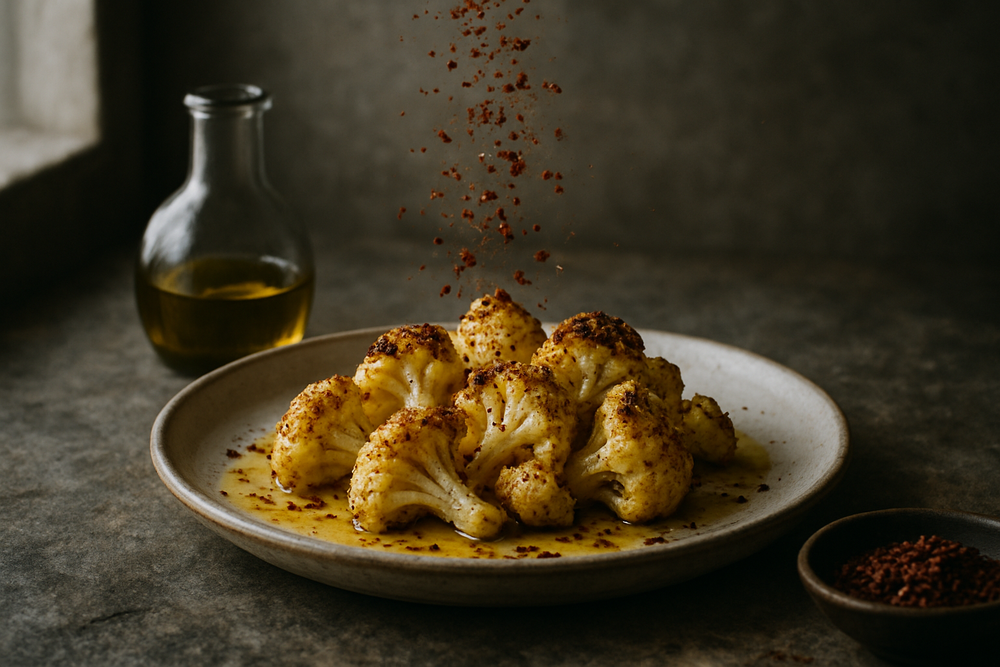
Prep Ideas
- — Hummus + Aleppo pepper + olive oil — The classic. The oil in hummus (from tahini and added olive oil) helps absorb fat-soluble carotenoids from the pepper, boosting vitamin A bioavailability while adding a gentle, attractive heat to a legume-rich dish.
- — Roasted cauliflower or carrots + Aleppo pepper + lemon juice — Toss vegetables with a light coat of oil and Aleppo pepper before roasting, then add a squeeze of lemon after. The acidity brightens the pepper's fruitiness and pairs with its mild heat to make plain vegetables genuinely exciting.
- — Grain bowls (farro, freekeh, or brown rice) + Aleppo pepper + toasted nuts — Stirring half a teaspoon into warm grains with a drizzle of olive oil and toasted pine nuts or walnuts delivers a Middle Eastern-inspired bowl that is fiber-rich, satisfying, and anti-inflammatory in its overall dietary pattern.
Glossary
Shop This Ingredient
Stock your pantry with quality aleppo pepper.
Buy on AmazonAs an Amazon Associate, Plantopedia earns from qualifying purchases. This costs you nothing extra and helps us keep the encyclopedia free.
Frequently Asked Questions
No clinical trials have tested Aleppo pepper specifically. The evidence below comes from studies on chili peppers broadly, red pepper powder, or purified capsaicin, and is applied here by reasonable inference. Evidence levels are labeled throughout. Heart and circulation Observational data (studies that track people's habits over time without controlling variables) consistently show that populations consuming more chili pepper have lower rates of all-cause and cardiovascular mortality. Controlled human trials with capsaicin or red chili powder suggest that capsaicin can promote vasodilation — the relaxing and widening of blood vessels — and may produce modest reductions in blood pressure and improvements in endothelial function (how well the inner lining of blood vessels works). These effects are considered emerging; they're biologically plausible and supported by mechanistic research, but not yet confirmed with the kind of large, randomized trials that establish definitive cause and effect. Aleppo pepper's capsaicin content is moderate, so any cardiovascular contribution would likely come from regular, habitual use rather than occasional sprinkles. Digestive health and microbiome The picture here is genuinely mixed. Some research suggests capsaicin stimulates saliva and gastric juice production, which can aid early-stage digestion, and there is experimental evidence of a gastric-mucosal protective effect (a protective effect on the stomach lining) with chronic low-level capsaicin intake. On the other hand, chili intake is a well-documented trigger for heartburn, functional dyspepsia (recurring indigestion without a clear structural cause), and IBS flares in susceptible people. Aleppo pepper's moderate heat means it may fall below the threshold that causes problems for many people, but individual responses vary considerably. Start with a quarter teaspoon and build up slowly. Blood sugar and metabolism Short-term human trials suggest that adding red chili pepper to a meal can modestly blunt the post-meal rise in blood glucose and insulin. Capsaicin appears to influence hormones involved in glucose regulation and may enhance how efficiently the body uses energy (a concept called insulin sensitivity). Separately, multiple controlled studies show that capsaicin and capsinoids (mild capsaicin-like compounds) increase resting energy expenditure (the number of calories burned at rest) by a small but consistent margin and may reduce appetite. These effects are real but modest — research frames chili as a potential adjunct to a healthy lifestyle for weight management, not a standalone solution. Because Aleppo pepper is milder than many chilis, its capsaicin load per teaspoon is lower, which likely means more modest thermogenic effects but also better tolerability over time. Inflammation and recovery Capsaicin is well established as a topical anti-inflammatory agent — creams and patches are used clinically for nerve pain and arthritis. The picture for oral capsaicin and systemic (whole-body) inflammation is less clear. Cell and animal studies show capsaicin can inhibit the production of several inflammatory signaling molecules, but robust human trials on oral chili intake and blood markers of inflammation are limited and results are inconsistent. Aleppo pepper also provides carotenoid antioxidants, which have their own anti-inflammatory associations in observational research. Overall, this is an area of genuine scientific interest but still early-stage evidence — consider it biologically plausible rather than established.
Traditional coarse flakes are the standard form and the one most consistent with Aleppo pepper's culinary heritage. They dissolve partially into oil and tahini (a paste made from ground sesame seeds), releasing carotenoids more readily than dry-ground powder can from a dish without fat. This makes them ideal for hummus, labneh (strained yogurt), and oil-dressed salads. Fine-ground powder behaves more like cayenne and integrates better into rubs, spice blends, and batters. Because surface area is higher, the heat perception can be slightly more intense per gram, even if the capsaicin content is the same. Chili oil infused with Aleppo pepper steeps the flakes in olive or neutral oil, extracting fat-soluble carotenoids and capsaicin efficiently. This is excellent for drizzling on finished dishes but adds calories from the carrier oil. Spice blends containing Aleppo pepper vary widely in sodium, fat, and filler content. If you are watching sodium or following a low-fat diet, always check the ingredient label — some blends contribute significant added salt. The purest nutritional choice is unsalted, oil-free coarse flakes, ideally from a supplier who sources from authenticated Syrian or Turkish origin for flavor authenticity.
There is no established therapeutic dose for Aleppo pepper specifically. Clinical studies on chili pepper and health outcomes typically use 1–10 g of dried red chili powder per day, or standardized capsaicinoid doses, not Aleppo pepper itself. In practical culinary terms: Starting point: ¼ teaspoon (about 0.5 g) per day, sprinkled on one dish, is a low-risk starting amount for most people. Typical culinary range: ½ to 2 teaspoons (1–4 g) per day, spread across meals. This is what most Middle Eastern recipes assume. Upper comfort range: More than 2 teaspoons at once may cause mouth burning, heartburn, or GI discomfort even in those without underlying conditions, particularly if consumed on an empty stomach. The general principle with any capsaicin-containing spice: start low, go slow, and listen to your body's signals. Regular small amounts over time are more likely to confer metabolic and antioxidant benefits than a single large dose.
Quick Answers
Common questions, answered in a line.
Aleppo pepper is significantly milder than standard crushed red pepper, measuring between 10,000 and 30,000 Scoville Heat Units (SHU). In contrast, standard red pepper flakes typically range from 30,000 to 50,000 SHU, making Aleppo a more tolerable choice for those sensitive to intense heat.
Aleppo pepper contains key active compounds including capsaicin, beta-carotene, vitamin C, and the yellow carotenoids lutein and zeaxanthin. These nutrients support various functions such as immune defense, vision health, and the neutralization of cell-damaging free radicals.
Aleppo pepper is generally easier on the stomach than hotter chilies, and chronic low-level capsaicin exposure may even desensitize pain receptors over time. However, individuals with active GERD, gastritis, or ulcers should still introduce it cautiously to monitor for irritation.
Aleppo pepper provides the most flavor when used as a finishing spice, added either at the table or in the final 30 seconds of cooking. Extended exposure to high heat can mute its distinctive fruity aromatics, so it is best applied to warm grains, roasted vegetables, or hummus just before serving.
Consuming Aleppo pepper with fats, such as olive oil or tahini, helps the body absorb its fat-soluble carotenoids like beta-carotene. This synergy boosts the bioavailability of vitamin A, which is essential for skin health, vision, and immune function.
Individuals taking NSAIDs like ibuprofen or aspirin should be cautious, as combining spicy foods with these medications may compound irritation of the stomach lining. Additionally, those on diabetes medications should monitor blood sugar levels, as capsaicin can modestly influence post-meal glucose.
Aleppo pepper contains capsaicin, which is linked to modest increases in energy expenditure, appetite modulation, and temporary widening of blood vessels. While a single teaspoon has small amounts, using it to flavor healthy vegetables and legumes supports a better overall dietary pattern.
For Readers in the USA
Local context — sourcing, seasonality, and regional notes.
You can buy Aleppo pepper at major US retailers like Whole Foods Market, The Fresh Market, and specialty stores like Penzeys Spices or Kalustyan’s. While it was once difficult to find due to regional conflict, many American grocery chains now carry it in their international or gourmet spice aisles.
Most Aleppo pepper sold in the US is imported from Turkey, as the ongoing conflict in Syria has shifted production across the border to similar growing climates. These peppers are typically harvested in late summer and early autumn before being sun-dried and rubbed with salt and oil for preservation.
In the US, Aleppo pepper is often sold under the name Pul Biber or Maras pepper, which are very similar Turkish varieties used when authentic Syrian Aleppo is unavailable. These varieties share the same mild heat, salty undertones, and oily texture that American chefs prize in Middle Eastern cuisine.
While the FDA does not have specific guidelines for Aleppo pepper, look for the USDA Organic seal to ensure the spice was produced without synthetic pesticides or irradiation. Because Aleppo pepper is traditionally processed with salt and oil, check the nutrition label for sodium content if you are monitoring your salt intake.
AI Clinical Review
- It clearly states that no clinical trials exist on Aleppo pepper itself and appropriately extrapolates from broader chili/capsaicin research.
- It accurately frames capsaicin’s effects on energy expenditure and appetite as modest adjuncts—not a stand‑alone weight‑loss solution.
- The cardiovascular section reflects current evidence: observational links to lower mortality with biologically plausible mechanisms (e.g., vasodilation and endothelial support), while noting limits of causality.
- It gives a balanced view of digestive effects, acknowledging both potential irritation and the possibility of desensitization with small, regular exposure.
- The practical “flavor-as-health” angle is well made: using Aleppo pepper to enjoy more vegetables, legumes, and whole grains supports healthier patterns overall.
- The capsaicin content (and therefore heat and bioactive dose) can vary widely by brand and processing; per‑teaspoon potency is not standardized.
- Evidence for oral chili intake reducing systemic (whole‑body) inflammation is inconsistent; robust human trials are limited, and topical pain-relief data do not translate directly to dietary use.
- Post‑meal glucose and insulin effects appear small and context‑dependent; long‑term outcomes for diabetes prevention or control remain uncertain.
- Aleppo pepper’s specific polyphenol profile and carotenoid bioavailability relative to other chilis are not well characterized.
- Typical culinary use of about 1/2–2 teaspoons per day is reasonable for many people; starting around 1/4 teaspoon and increasing as tolerated is prudent since no therapeutic dose is established.
- Form matters: some “Aleppo‑style” products include added salt and/or oil—check labels if limiting sodium or calories; chili oils add fat and calories even if the spice is the same.
- Use caution and consider checking in with a clinician if you have GERD, active gastritis/ulcer, IBS/IBD in flare, or if you frequently use NSAIDs/aspirin; pregnancy‑related reflux may also worsen with spicy foods.
- If you use insulin or other glucose‑lowering medications, monitor for small changes in post‑meal glucose as you increase intake; children and people with capsaicin sensitivity may react at lower amounts.
Mild heat; those sensitive to capsaicin should start small.
References
- USDA FoodData Central — nutrient data for ground red pepper (reference for chili pepper micronutrient composition) (fdc.nal.usda.gov)
- SnapCalorie — Aleppo pepper flakes nutrition breakdown per teaspoon (snapcalorie.com)
- Fas Kitchen — Aleppo Pepper 101: flavor, nutrition, and culinary uses overview (faskitchen.com)
- Natural Food Series — overview of proposed benefits of Aleppo pepper, based on chili-pepper research (naturalfoodseries.com)
- Spices Inc — bulk Aleppo pepper product nutrition facts and label information (spicesinc.com)
- Vava Pantry — Aleppo pepper nutritional information and product notes on salt and oil content (vavapantry.com.au)
- Zheng J et al. (2017), "Dietary capsaicin and its anti-obesity potency," meta-analysis of capsaicin and energy balance, Nutrients — representative human trial evidence for thermogenesis (pubmed.ncbi.nlm.nih.gov)
- Lippi G et al. (2020), "Chili pepper consumption and cardiovascular mortality: a systematic review," Cardiovascular Research — large observational and review data on chili and heart health (pubmed.ncbi.nlm.nih.gov)
- NIH National Center for Complementary and Integrative Health — capsaicin safety and use overview (nccih.nih.gov)
- The Living Look — Aleppo chili pepper substitute guide: flavor and heat comparison (thelivinglook.com)
Know Your Numbers
Eating healthy is a start. Now get to know your biomarkers.
Food changes bloodwork — inflammation, lipids, blood sugar and nutrient status all respond to what you eat. 59 markers from $59.
- Results in 7–10 days at 2,000+ Quest sites
- Licensed provider reviews every result
- One flat price, no membership, HSA/FSA eligible
Educational information only, not medical advice. Panels are ordered and reviewed through our licensed partner; Plantopedia may earn a commission.