Bird's Eye Chili (Thai Chili) — health benefits and uses
Used in Southeast Asian tradition as a warming, digestion-stimulating chili.
The Short Answer
Bird's eye chili is a potent heat source containing capsaicin, which triggers the TRPV1 receptor to boost metabolism and support heart health. One tablespoon provides 93.5 mg of potassium and 1.4 g of fiber for only 4 calories.
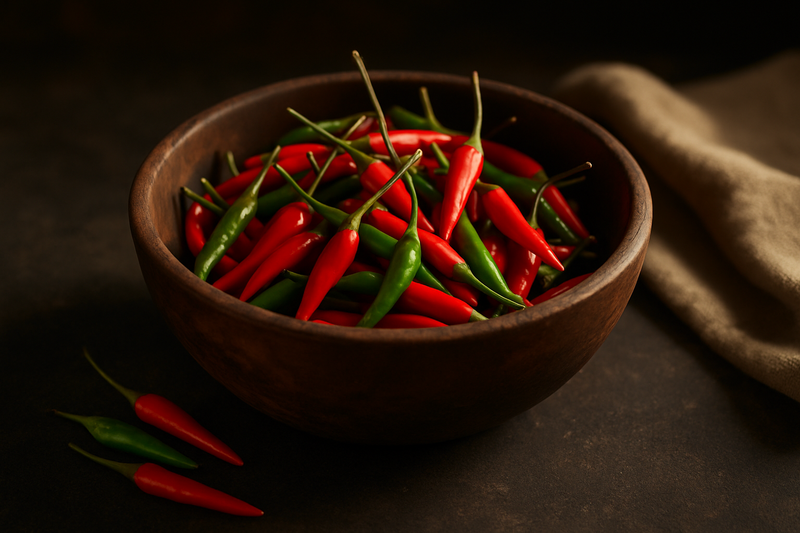
Bird's Eye Chili (Thai Chili) · Photograph
Discover bird's eye chili health benefits and side effects, from metabolism and blood sugar support to heart health and antioxidants. Learn safe daily amounts, nutrition facts, and how to use Thai chili in stir-fries, sauces, and infused vinegars.
Key Nutrients
% Daily Value based on 2,000 cal diet
Key active compounds in bird's eye chili
- Capsaicin and capsaicinoids — The pungent molecules that make bird's eye chilies so hot. They activate a receptor in your body called TRPV1 (a heat-sensing nerve receptor), which triggers the burning sensation and also underlies many of the metabolic and appetite effects seen in research.
- Phenolic compounds (polyphenols) — A broad group of plant-protective chemicals, including phenolic acids and flavonoids, that act as antioxidants and may help modulate inflammatory pathways.
- Carotenoids — Pigments (including capsanthin and beta-carotene) responsible for the red color of ripe chilies. Some carotenoids convert to vitamin A in the body; others act as direct antioxidants.
- Anthocyanins — A subgroup of flavonoids found in the skin of red and purple chilies. Like other polyphenols, they show antioxidant and anti-inflammatory activity in laboratory studies.
Prep and pairing ideas
Bird's eye chili shines in applications where its heat builds gradually rather than hitting all at once.
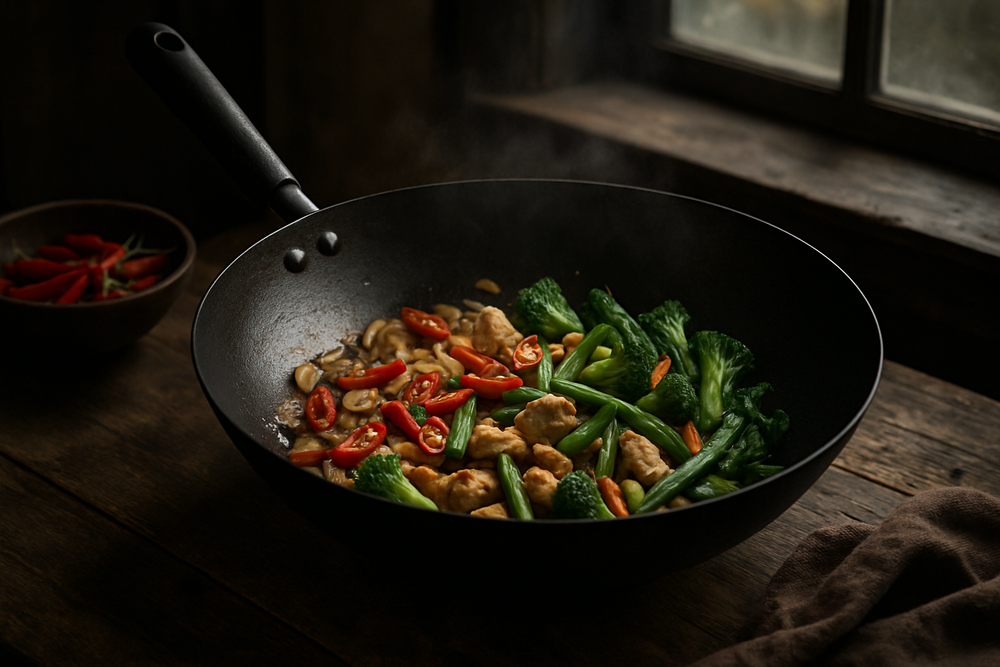
Thai stir-fries and curries: Slice 2–4 fresh chilies thinly and add to a wok with garlic and shallots at the start of cooking. The oil carries the capsaicin throughout the dish, distributing heat evenly. Pair with lean protein, tofu, or plenty of vegetables to balance the intensity.
Infused rice vinegar: Steep 6–8 dried bird's eye chilies in 250 ml rice vinegar for 5–7 days. Strain and keep refrigerated. Use as a table condiment on soups, dumplings, or noodles — a few drops adds heat without committing to a whole chili.
Nam prik (Thai chili dipping sauce): Pound bird's eye chili with garlic, lime juice, fish sauce or soy sauce, and a little palm sugar. Serve with fresh vegetables, steamed rice, or grilled protein. The acidity of the lime and vinegar tempers the heat slightly while preserving capsaicin content.
Common pairings and why they work
- Garlic + bird's eye chili: A classic combination in Thai and Southeast Asian cooking. Garlic contributes its own sulfur-based antioxidants (allicin), and the two flavors amplify each other's savory depth. Start both in oil together for the best flavor base.
- Lime juice + bird's eye chili: Acidity doesn't reduce the heat, but it balances the flavor profile, preventing the chili from tasting one-dimensional. Vitamin C in lime juice also complements the chili's own small vitamin C contribution. This pairing is the backbone of Thai dipping sauces and salad dressings.
- Coconut milk + bird's eye chili: Fat dissolves capsaicin, which means the creamy fat in coconut milk distributes heat throughout a curry sauce smoothly and also softens the immediate burning intensity. This makes coconut-based curries more manageable for people who want the flavor of bird's eye chili without overwhelming heat.
Bottom line
Bird's eye chili is a genuinely functional food ingredient — not a superfood miracle, but a well-studied, whole-plant spice with real (if modest) biological activity. The capsaicin and polyphenols it contains are among the most studied phytochemicals in nutrition science, with decent human evidence supporting modest benefits for post-meal insulin levels, satiety and calorie balance, vascular function, and antioxidant status. The key word throughout is modest: bird's eye chili works best as a flavorful, health-supportive part of a varied diet, not as a standalone treatment for any condition.
Its intensity demands respect. Use it carefully, start small if you're unaccustomed to heat, and be mindful of the caution groups listed above. Within those boundaries, adding 2–5 bird's eye chilies to your stir-fries, dipping sauces, and infused vinegars is a simple, low-calorie way to bring both Southeast Asian flavor and meaningful plant compounds to your plate.
Explore how bird's eye chili fits into your personal health goals at Plantopedia /goals.
How Bird's Eye Chili (Thai Chili) Compares
| Compared with | What's different |
|---|---|
| Bird's Eye Chili (Thai Chili) vs. Jalapeño | Significantly milder (2,500–8,000 Scoville) with a thicker, crunchier flesh. |
| Bird's Eye Chili (Thai Chili) vs. Habanero | Similar heat level but with a distinct fruity, citrus-like flavor profile. |
| Bird's Eye Chili (Thai Chili) vs. Serrano Pepper | Thinner and longer with a more vegetal taste and lower average heat. |
Health Benefits
Things to Know
Start low if you're heat-sensitive.: Even half a small chili can be intensely hot. Introduce bird's eye chili gradually to give your gut time to adapt.
Acid reflux and GERD: Capsaicin can relax the lower esophageal sphincter (the valve between your esophagus and stomach), worsening heartburn. If you have gastroesophageal reflux disease (GERD) or frequent heartburn, use bird's eye chili sparingly or avoid it.
IBS and IBD: People with irritable bowel syndrome (IBS) or inflammatory bowel disease (IBD) may find hot chilies aggravate symptoms. Monitor your response carefully.
Ulcers and hemorrhoids: Very spicy foods can irritate already-inflamed mucosal tissue. Avoid or minimize during flare-ups.
Blood thinners: Experimental data suggest chili phytochemicals may have mild anti-clotting effects. If you take anticoagulant or antiplatelet medications (warfarin, aspirin, clopidogrel), discuss high chili intakes with your healthcare provider.
Blood sugar medications: The modest insulin-lowering effects seen in trials could theoretically add to the effects of hypoglycemic medications (insulin or oral agents). People with diabetes managing blood sugar medically should monitor their response and consult their provider.
Blood pressure medications: Some studies report small changes in heart rate and vascular function with regular chili intake. This is unlikely to be clinically significant at culinary doses, but worth noting if you're on antihypertensive drugs.
NSAIDs: Combining NSAIDs (like ibuprofen or naproxen) with very spicy food may increase the risk of stomach irritation.
Skin and eye safety: Capsaicin transfers easily to hands. Wear gloves when handling large amounts, and always wash hands thoroughly before touching your face or eyes.
Pregnancy: Culinary amounts are generally considered safe, but if you experience significant heartburn or digestive discomfort during pregnancy, reduce or avoid.
Children: The intense heat of bird's eye chili is not appropriate for young children.
Nightshade allergy: Rare, but people with known sensitivity to nightshade-family plants (Capsicum species) should avoid.
Prep Ideas
- — Garlic + bird's eye chili: A classic combination in Thai and Southeast Asian cooking. Garlic contributes its own sulfur-based antioxidants (allicin), and the two flavors amplify each other's savory depth. Start both in oil together for the best flavor base.
- — Lime juice + bird's eye chili: Acidity doesn't reduce the heat, but it balances the flavor profile, preventing the chili from tasting one-dimensional. Vitamin C in lime juice also complements the chili's own small vitamin C contribution. This pairing is the backbone of Thai dipping sauces and salad dressings.
- — Coconut milk + bird's eye chili: Fat dissolves capsaicin, which means the creamy fat in coconut milk distributes heat throughout a curry sauce smoothly and also softens the immediate burning intensity. This makes coconut-based curries more manageable for people who want the flavor of bird's eye chili without overwhelming heat.
Shop This Ingredient
Stock your pantry with quality bird's eye chili (thai chili).
Buy on AmazonAs an Amazon Associate, Plantopedia earns from qualifying purchases. This costs you nothing extra and helps us keep the encyclopedia free.
Frequently Asked Questions
Heart and circulation Human research on chili pepper and heart health is promising but still early-stage. A randomized crossover trial (a study design where the same participants try both options, then results are compared) tested a restaurant-style peri-peri chicken meal made with African bird's eye chili providing about 5.82 mg of total capsaicinoids. Compared with a similar meal without chili, the chili meal improved forearm microvascular reactivity — a measure of how well small blood vessels respond — in overweight adults. Broader observational research associates chili-rich diets with lower cardiovascular mortality, and laboratory work suggests capsaicin may reduce cholesterol absorption and help protect LDL cholesterol (the "bad" type) from oxidation. That said, these are mostly small trials and population observations, not long-term randomized controlled trials, and none focus specifically on Thai bird's eye chili. Results for blood lipids and blood glucose in these studies are generally small or inconsistent. Digestive health and microbiome The relationship between bird's eye chili and digestion is genuinely double-edged. On the positive side, capsaicin activates TRPV1 receptors in the gut lining, which may influence gut motility (how quickly food moves through the intestines), the composition of gut bacteria (the microbiome), and signaling pathways involved in appetite. Some human trials with chili consumption report increased feelings of fullness and reduced calorie intake after meals. On the cautionary side, the same fiery intensity that makes these chilies exciting can trigger heartburn, abdominal cramping, or diarrhea in sensitive people. Most evidence for digestive benefits is still mechanistic — based on how capsaicin is known to act on nerve pathways — rather than from direct clinical trials measuring digestive outcomes. Blood sugar and metabolism This is one of the better-supported areas. In the peri-peri chicken trial mentioned above, the chili meal produced measurably lower two-hour post-meal insulin concentrations in overweight adults compared to the non-chili meal, without dramatically changing blood glucose levels. (Post-meal insulin refers to how much insulin your pancreas releases after eating; high spikes over time are linked to increased metabolic disease risk.) Separately, short-term human trials show that capsaicin — whether tasted in the mouth or entering the gut — reliably increases satiety and reduces total calorie and fat intake at subsequent meals. These are modest, adjunctive effects rather than dramatic metabolic transformations, and they come from chili pepper research broadly, not Thai bird's eye chili exclusively. Inflammation and recovery Laboratory and animal studies consistently show that capsaicin and chili polyphenols can scavenge free radicals (unstable molecules that damage cells) and dial down the activity of certain inflammatory signaling molecules. Some human studies show that regular chili consumption improves resistance of blood lipoproteins to oxidation — a meaningful marker because oxidized LDL cholesterol plays a role in artery-damaging inflammation. However, direct clinical evidence for measurable reductions in systemic inflammation markers (such as CRP, a blood marker of inflammation) specifically from bird's eye chili remains limited. The anti-inflammatory story is supported but mostly pre-clinical. Appetite, energy, and weight Multiple short-term human trials show consistent, if modest, reductions in calorie and fat intake after capsaicin exposure — both from tasting it in the mouth and from its actions further down the gut. The effect appears to be real, but small, and works best as part of an overall healthy dietary pattern rather than as a standalone weight-loss strategy. Calling bird's eye chili a "fat burner" would be an overstatement; calling it a useful appetite-modulating flavor tool is reasonable.
Buying guide: choosing the right form Fresh whole chilies are the gold standard for vitamin C and overall phytochemical content. Look for firm, glossy skin with no soft spots or wrinkling. Bright red or green color indicates freshness. Fresh chilies are best used within a week of purchase, stored in a paper bag or loosely wrapped in the refrigerator. Dried whole chilies are the pantry workhorse. Drying concentrates capsaicinoids and most polyphenols on a per-gram basis, making dried chilies more pungent. Vitamin C drops significantly during drying, but fat-soluble carotenoids and capsaicin hold up well. Look for deep red color and a leathery (not crumbly or dusty) texture. Store in an airtight container away from heat and light; they'll keep for 6–12 months. Chili flakes and powder offer the easiest dosing but can vary widely in potency. Buy in small quantities and store airtight; ground chilies lose punch faster than whole dried ones. Infused vinegars and oils transfer capsaicin and some fat-soluble compounds into the carrier liquid. They're lower in total capsaicin per serving than eating the chili directly, but they're a practical, everyday way to add a consistent level of heat. For infused vinegars, use rice or white wine vinegar; the acidity also helps preserve the chili. Label tips: Look for products with no added sugar, preservatives, or artificial color. The ingredient list should be short: chilies, and whatever carrier (vinegar, oil, salt). "Bird's eye," "prik kee noo," or "Thai chili" on the label are all the same pepper. Scoville heat unit (SHU) information may appear on specialist products; bird's eye chili typically ranges from 50,000 to 100,000 SHU. Capsaicin supplements are used in some clinical studies. These are more concentrated than culinary use and carry a higher risk of gastrointestinal side effects. Supplements are not needed to obtain the dietary benefits of bird's eye chili — real food works fine.
There is no established official recommended daily intake for bird's eye chili or capsaicin in a culinary context. Here is what the evidence suggests: Typical culinary range: Most recipes and human chili studies work with the equivalent of 2 to 10 small fresh chilies per day (approximately 2–10 g fresh weight, or 1–5 g dried). At this range, most healthy adults experience the flavor and phytochemical benefits without significant gastrointestinal distress — though this varies widely by individual heat tolerance. Research doses: The peri-peri chicken trial that showed insulin and vascular benefits used a meal delivering roughly 5.82 mg of total capsaicinoids, equivalent to a modest restaurant-style serving of food seasoned with bird's eye chili. Start low: If you're new to bird's eye chili, begin with half a small chili in a dish and increase gradually over several weeks. Your gut's TRPV1 receptors can adapt with repeated exposure, reducing the burning sensation over time. Supplements vs. food: High-dose capsaicin supplements (used in some research) deliver far more capsaicin than culinary use and carry greater risk of side effects. Food-first is the safer and more practical approach for most people. When to back off: If you notice persistent heartburn, stomach pain, or altered bowel habits after eating bird's eye chili, reduce your intake or eliminate it temporarily and consult a healthcare provider.
Quick Answers
Common questions, answered in a line.
Bird's eye chili contains capsaicin, phenolic compounds (polyphenols), carotenoids like beta-carotene, and anthocyanins. Capsaicin triggers heat-sensing receptors in the body, while the various polyphenols and carotenoids provide antioxidant and anti-inflammatory activity.
Bird's eye chili may support blood sugar by providing modest benefits for post-meal insulin levels. Research suggests the phytochemicals in these chilies have biological activity that helps modulate insulin response, though it is considered a supportive dietary addition rather than a standalone treatment.
People with acid reflux, GERD, IBS, IBD, or active ulcers should avoid or limit bird's eye chili to prevent worsening symptoms. The capsaicin in the chilies can relax the esophageal sphincter, potentially increasing heartburn or irritating inflamed mucosal tissues.
You can make infused rice vinegar by steeping 6 to 8 dried bird's eye chilies in 250 ml of rice vinegar for 5 to 7 days. Once strained and refrigerated, this condiment allows you to add heat to soups or noodles without consuming a whole chili.
Coconut milk is an ideal pairing because its creamy fat dissolves capsaicin, distributing heat smoothly throughout a dish and softening the immediate burning sensation. This makes intense Thai chilies more manageable for those who want flavor without overwhelming heat.
Bird's eye chili may interact with blood thinners, blood sugar medications, and blood pressure drugs. Because the chili's phytochemicals can have mild anti-clotting and insulin-lowering effects, those on medications like warfarin or insulin should consult a healthcare provider.
To handle bird's eye chilies safely, wear gloves when prepping large amounts and wash your hands thoroughly before touching your face or eyes. Capsaicin, the compound responsible for the chili's heat, transfers easily to the skin and can cause intense irritation.
For Readers in the USA
Local context — sourcing, seasonality, and regional notes.
You can find fresh bird's eye chilies at H Mart, 99 Ranch Market, and most independent Asian grocers, as well as select Whole Foods and Sprouts Farmers Market locations. While larger chains like Kroger or Safeway may stock them seasonally, specialty Southeast Asian markets offer the most consistent year-round availability.
In the U.S., bird's eye chilies are typically grown in USDA hardiness zones 9-11, such as Florida, Southern California, and Hawaii, where the growing season lasts from late spring through fall. For those in cooler climates, they are popular container plants that can be moved indoors before the first frost to maintain production.
Look for the "USDA Organic" seal to ensure your chilies were grown without synthetic pesticides or fertilizers, as generic "Thai chili" labels at conventional stores do not guarantee these standards. The FDA also provides guidance for handling fresh produce to prevent foodborne illness, emphasizing that chilies should be washed thoroughly under running water before slicing.
In American grocery stores, bird's eye chilies are most commonly labeled simply as "Thai chilies," though you may also see them referred to as "Prik kee noo" in authentic Thai markets. While similar in heat, they are distinct from the larger, milder serrano peppers often found in the standard U.S. produce aisle.
AI Clinical Review
- Emphasizes that benefits from bird’s eye chili are modest and food‑based, not “miracle” effects.
- Accurately explains capsaicin/TRPV1 and links to satiety and smaller post‑meal insulin responses, noting evidence from small human trials.
- Clearly compares forms (fresh vs. dried vs. infused) and why potency and vitamin C differ.
- Sensibly flags key caution groups (GERD/IBS/ulcers/hemorrhoids) and practical advice to start low.
- Cardiometabolic findings (vascular reactivity, post‑prandial insulin, lipids) come mostly from short, small trials; long‑term clinical outcomes and optimal dosing remain uncertain.
- Digestive and microbiome effects are plausible but largely mechanistic; human symptom responses vary widely.
- Antioxidant/anti‑inflammatory claims are supported mainly by lab and animal data; consistent reductions in human inflammation markers (e.g., CRP) haven’t been demonstrated.
- Most data are on mixed Capsicum species; few studies isolate Thai bird’s eye chili specifically.
- Practical intake: many adults tolerate roughly 2–10 small fresh chilies per day (~2–10 g fresh; ~1–5 g dried). A representative meal study used about 5–6 mg total capsaicinoids—adjust to your own heat tolerance.
- Form and storage: fresh retains more vitamin C; dried concentrates capsaicin; ground chili loses punch faster. Homemade chili oil can pose botulism risk if kept at room temperature—refrigerate and use promptly; vinegar infusions are lower risk but also store chilled.
- Medication/condition cautions: reflux/GERD, ulcers, IBS/IBD, hemorrhoids, pregnancy with significant heartburn, children, and nightshade allergy warrant caution. Those on diabetes meds, anticoagulants/antiplatelets, or multiple antihypertensives should discuss regular high intakes with a clinician.
- If you develop persistent heartburn, abdominal pain, or diarrhea, reduce the dose or pause and reassess with a healthcare professional.
Very hot; use sparingly.
References
- USDA FoodData Central — chili pepper nutrition data (fdc.nal.usda.gov)
- Nutrition Value — bird's eye chili nutrient profile (nutritionvalue.org)
- Bird Eye Chili Nutrition composition per 100 g — Sky Agri Export (skyagriexport.com)
- Kroff & Hume et al. — randomized crossover trial: metabolic effects of peri-peri (African bird's eye chilli) meal in overweight individuals, British Journal of Nutrition (cambridge.org)
- Semantic Scholar — overview of peri-peri trial and broader chili pepper health effects (semanticscholar.org)
- Maejo International Journal of Science and Technology — antioxidant capacity and phenolic content of Thai vegetables including bird chili (mijst.mju.ac.th)
- PMC / NIH — biomedical and antioxidant potentialities of chilli peppers: comprehensive review of capsaicin and capsaicinoids (pmc.ncbi.nlm.nih.gov)
- ScienceDirect — evaluation of antioxidant and anti-inflammatory properties of chili pepper extracts (sciencedirect.com)
- Indian Journal of Pharmaceutical and Quality Assurance — in-vitro antioxidant and anti-inflammation activities of ethanol extracts of chili peppers (impactfactor.org)
- ARCC Journals — Thai cultivar chili pepper (Capsicum annuum var.) characteristics (demo.arccjournals.com)
Know Your Numbers
Eating healthy is a start. Now get to know your biomarkers.
Food changes bloodwork — inflammation, lipids, blood sugar and nutrient status all respond to what you eat. 59 markers from $59.
- Results in 7–10 days at 2,000+ Quest sites
- Licensed provider reviews every result
- One flat price, no membership, HSA/FSA eligible
Educational information only, not medical advice. Panels are ordered and reviewed through our licensed partner; Plantopedia may earn a commission.