Celery Seeds — health benefits and uses
Used in folk practice as a diuretic and to ease joint discomfort.
The Short Answer
Celery seeds are a mineral-dense spice providing 115mg of calcium and 3mg of iron per tablespoon. They are used to add savory depth to slaws and brines or as a base for low-sodium celery salt.
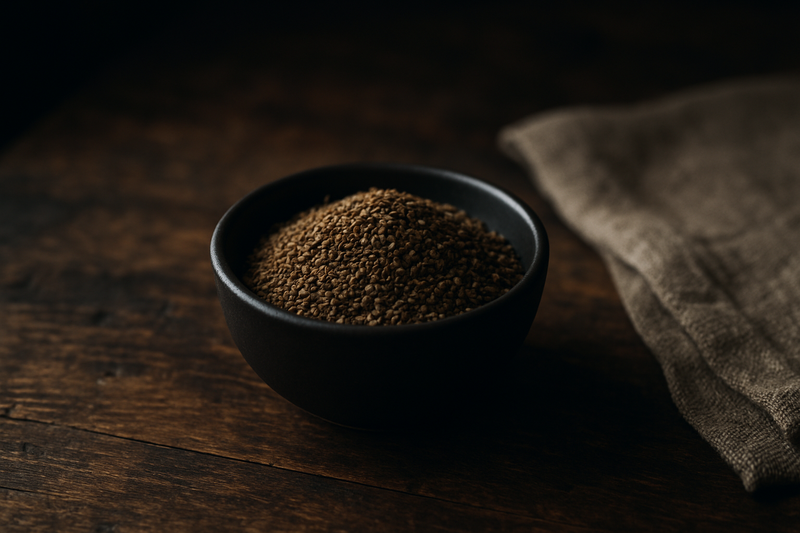
Celery Seeds · Photograph
Discover celery seed benefits, uses, and side effects in one evidence-aligned guide. Learn about celery seed nutrition facts, how to use it in slaws and brines, safe daily amounts, and who should use caution — including during pregnancy.
Key Nutrients
% Daily Value based on 2,000 cal diet
Key active compounds
- Phthalides (fth-AL-idz) — Volatile aromatic compounds responsible for celery's characteristic smell. Preliminary research links them to mild vasodilation (widening of blood vessels) and blood pressure reduction.
- Petroselinic acid — A monounsaturated fatty acid that makes up roughly 49–75% of celery seed's total fat. Being studied for lipid-modulating and anti-inflammatory properties.
- Polyphenols and flavonoids — Plant antioxidants that help neutralize free radicals (unstable molecules that can damage cells). May support vascular and metabolic health.
- Coumarins and related photoreactive compounds — Natural compounds found in celery and related plants that can interact with ultraviolet light. At typical culinary amounts, the risk is low; concentrated extracts or handling large amounts of fresh plant material raises photosensitivity (increased skin sensitivity to sunlight) risk.
- Volatile terpenes — Aromatic compounds in the seed's essential oil; linked to the calming and potential neuromodulatory effects noted in early clinical work.
Prep and pairing ideas
Celery seed is one of those spices that is hard to overuse if you start small and taste as you go. Because the flavor is intense and slightly bitter, less truly is more.
Homemade celery salt Combine 2 parts fine sea salt with 1 part ground celery seed. Store in a small airtight jar. Use as a finishing salt on avocado toast, hard-boiled eggs, or roasted vegetables. You control the ratio — so you can keep the sodium lower than commercial blends.
Classic creamy coleslaw dressing Add ½ teaspoon whole or ground celery seed to the dressing before mixing — it adds savory depth without extra calories and ties together the cabbage, apple, and vinegar notes beautifully.
Quick pickle brine For every 1 cup of brine (vinegar + water + a pinch of salt), add ½ teaspoon whole celery seeds alongside mustard seeds and peppercorns. Works for cucumbers, green beans, and radishes.
Common pairings and why they work
- Celery seed + mustard seed — Both are pungent and slightly bitter; together they form the flavor backbone of nearly every American pickle recipe. The bitterness of each tempers the other while amplifying savoriness.
- Celery seed + lemon zest — The bright citrus cuts through celery seed's earthiness. This pair works well in grain salads, fish marinades, and tahini dressings.
- Celery seed + smoked paprika — Smoky sweetness softens celery seed's sharp edge. A winning combination in dry spice rubs for roasted chickpeas or cauliflower steaks.
Bottom line
Celery seed earns its place in a whole-food kitchen twice over: first as a flavor multiplier that lets you reduce salt in brines, slaws, and spice blends; second as a surprisingly mineral-rich spice that adds iron, calcium, and manganese to dishes where a pinch goes a long way. The health science around concentrated celery seed extract — particularly for blood pressure and blood sugar — is genuinely interesting, but it is also genuinely early. Most trials are small, short-term, and use doses you would not get from cooking. Treat the culinary form as a delicious, safe, WFPB-friendly tool; treat the supplement form as something to discuss with your doctor before trying.
How Celery Seeds Compares
| Compared with | What's different |
|---|---|
| Celery Seeds vs. Fennel Seeds | Larger and milder with a distinct anise-like licorice flavor compared to celery's earthy bitterness. |
| Celery Seeds vs. Coriander Seeds | Lighter in color with a warm, citrusy aroma rather than the savory, grassy notes of celery seed. |
| Celery Seeds vs. Cumin Seeds | Stronger, earthy warmth with a slightly nutty heat, whereas celery seeds are cooling and bitter. |
Health Benefits
Things to Know
Pregnancy: Avoid concentrated extracts and essential oils. Traditional herbal safety guidance cautions against high doses due to possible uterine-stimulating effects. Normal culinary amounts are generally considered fine, but check with your midwife or OB if unsure.
Breastfeeding: Evidence is limited; stick to culinary amounts and consult a healthcare provider before adding supplements.
Kidney disease or fluid restrictions: Celery seed extracts may act as a diuretic (increasing urine output). If you are on fluid limits, keep intake culinary and monitor.
Low blood pressure or antihypertensive medications: Supplements may add to blood-pressure-lowering effects of drugs like ACE inhibitors, ARBs, calcium-channel blockers, or beta-blockers. Monitor closely and tell your doctor.
Diuretic medications or lithium: A diuretic effect could theoretically alter lithium excretion, affecting drug levels. High-dose supplements are not advisable alongside lithium without medical supervision.
Allergy to the Apiaceae family: Celery, carrots, fennel, parsley, coriander, and dill are all related. If you react to any of them, you may cross-react to celery seed.
Photosensitivity: Coumarins in celery can theoretically increase skin sensitivity to sunlight at high exposures. This is more relevant to handling large quantities of fresh plant material or taking concentrated extracts than to normal cooking.
Anticoagulants and antiplatelet drugs: No strong evidence of interaction, but starting any new herbal supplement alongside blood thinners like warfarin warrants a conversation with your pharmacist.
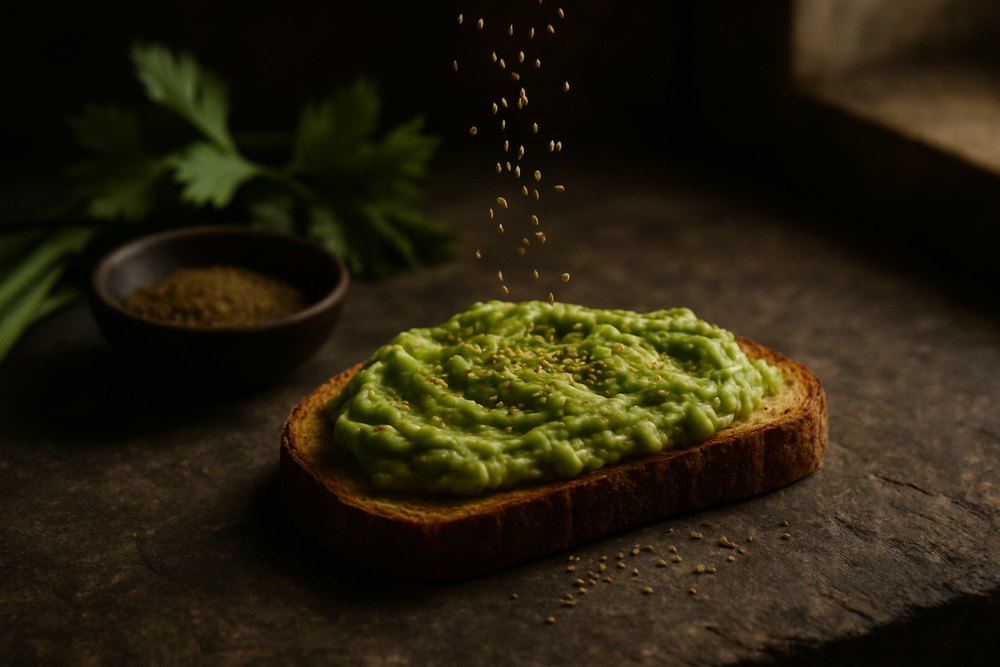
Prep Ideas
- — **Celery seed + mustard seed** — Both are pungent and slightly bitter; together they form the flavor backbone of nearly every American pickle recipe. The bitterness of each tempers the other while amplifying savoriness.
- — **Celery seed + lemon zest** — The bright citrus cuts through celery seed's earthiness. This pair works well in grain salads, fish marinades, and tahini dressings.
- — **Celery seed + smoked paprika** — Smoky sweetness softens celery seed's sharp edge. A winning combination in dry spice rubs for roasted chickpeas or cauliflower steaks.
Glossary
Shop This Ingredient
Stock your pantry with quality celery seeds.
Buy on AmazonAs an Amazon Associate, Plantopedia earns from qualifying purchases. This costs you nothing extra and helps us keep the encyclopedia free.
Frequently Asked Questions
Heart and circulation This is where the strongest human evidence sits, though "strongest" still means "small and short-term." A randomized, double-blind, placebo-controlled trial (the gold standard for clinical research) in 28 adults with hypertension found that 150 mg/day of a standardized celery seed preparation for 12 weeks significantly reduced systolic blood pressure (the top number), diastolic blood pressure (the bottom number), triglycerides (a type of blood fat), VLDL (very-low-density lipoprotein, a cholesterol carrier linked to cardiovascular risk), and uric acid compared with placebo. A meta-analysis (a statistical pooling of multiple studies) of 10 randomized controlled trials covering 511 participants found that celery preparations — mostly seed extracts — significantly improved blood pressure and triglycerides. Effects were larger at doses above 1,000 mg/day. Total, LDL, and HDL cholesterol did not change significantly. Important context: all of these studies used concentrated extracts or capsules, not the quarter-teaspoon of whole seeds you might toss into coleslaw. Culinary amounts likely contribute only modestly to these effects directly, but using celery seed to add flavor can help you cut back on salt, which does support heart health indirectly. Digestive health and microbiome Direct human clinical research on celery seed and digestion is thin. Traditional medicine systems in multiple cultures have long used celery seeds as a carminative (a substance that relieves gas and bloating) and digestive aid, and review articles acknowledge these uses — but they are not backed by controlled human trials yet. Laboratory and animal studies suggest celery seed preparations may modulate gut motility (the movement of food through the digestive tract) and exert mild antimicrobial effects, but those findings are preclinical (meaning they have not yet been confirmed in human studies). In practical terms, swapping a salt-heavy spice mix for celery seed in dressings and brines may lighten digestive load by reducing sodium, which influences fluid retention. That is an indirect benefit worth noting. Blood sugar and metabolism The same meta-analysis that found blood pressure improvements also reported that celery preparations significantly reduced fasting plasma glucose (blood sugar measured after an overnight fast) compared with controls. Effects were most pronounced at doses above 1,000 mg/day of extract. A separate clinical study in people with metabolic syndrome (a cluster of conditions — high blood pressure, high blood sugar, excess abdominal fat, and abnormal cholesterol — that together raise cardiovascular risk) found that celery seed alongside standard care improved several metabolic markers. Mechanistic and animal studies suggest the antidiabetic effects may work through improved insulin sensitivity (how well your cells respond to insulin) and reduced oxidative stress (cellular damage from excess free radicals). However, large long-term human trials are still needed to confirm these effects, and culinary doses are a fraction of study doses. Inflammation and recovery For celery seed anti-inflammatory properties, the honest summary is: promising in the lab, preliminary in people. In vitro (test-tube) and animal models consistently show that celery seed extracts reduce inflammatory mediators — molecules that trigger and sustain inflammation — and alleviate arthritis-associated pain and fever. Some human trials report downstream outcomes like lower blood pressure and better triglycerides that may be partly driven by anti-inflammatory pathways, but direct biomarkers of inflammation such as CRP (C-reactive protein, a blood marker of systemic inflammation) are rarely measured in the published trials. Think of culinary celery seed as a flavorful way to add antioxidant phytochemicals to your diet, not as a stand-alone anti-inflammatory therapy.
Buying guide Whole seeds (dry) The most versatile option. Look for seeds that smell strongly aromatic when you crush one between your fingers — a faint smell signals old stock. Darker brown seeds are often more pungent than pale yellowish ones. Buy in small quantities from a retailer with high turnover; spice aisle sachets may sit on shelves longer than jars at a dedicated spice shop. Ground celery seed (powder) Ideal when you want flavor to distribute evenly — rubs, dough, thick dressings. Grinding increases surface area, so flavor extracts faster but shelf life shortens. If pre-ground smells flat, it is past its best; grind whole seeds fresh instead using a small coffee or spice grinder. Celery salt (celery seed + salt blend) Convenient for finishing dishes, Bloody Mary cocktails, and egg salads. Check the label: some blends are mostly salt with a trace of celery; others are closer to 50/50. If you are watching sodium, choose a higher-seed-ratio product or mix your own (see prep section below). Celery salt cannot be used 1:1 as a salt substitute because the flavor is more assertive. Standardized extract capsules Used in the clinical trials cited here. If you are considering supplements for blood pressure or metabolic support, look for products that state the extract ratio or milligram equivalent on the label, and discuss with your doctor first — especially if you are on antihypertensives or diuretics.
Culinary use (the everyday default) Most recipes call for ¼ to 1 teaspoon (roughly 0.5–2 g) of whole or ground celery seed per serving. At these amounts, celery seed is classified as Generally Recognized As Safe (GRAS) — an FDA designation meaning it has a long history of safe use as a food ingredient — and no adverse effects have been linked to normal cooking quantities in healthy adults. Supplemental use (if you are considering extracts for health goals) Clinical trials have used doses ranging from 150 mg/day of a standardized preparation up to approximately 1,500 mg/day of seed extract for 4–12 weeks. Greater effects on blood pressure and blood sugar were generally seen at doses above 1,000 mg/day. These doses are substantially higher than culinary amounts and are not appropriate to self-prescribe without medical guidance. Start-low principle If you are new to celery seed as a spice, start with ¼ teaspoon in a batch recipe and adjust from there. If you are considering supplements, always start at the lowest studied dose and only under clinical supervision — particularly if you already take blood pressure or water-retention medications.
Quick Answers
Common questions, answered in a line.
Celery seed contains phthalides, which are aromatic compounds linked in preliminary research to mild vasodilation and reduced blood pressure. These compounds help widen blood vessels, while the seed's polyphenols and flavonoids further support overall vascular and metabolic health.
Pregnant individuals should avoid concentrated celery seed extracts and essential oils because they may have uterine-stimulating effects. While normal culinary amounts are generally considered safe, it is best to consult an OB-GYN or midwife before use during pregnancy.
Celery seed pairs exceptionally well with mustard seed, lemon zest, and smoked paprika. Its pungent and earthy profile helps form the flavor backbone of pickle brines, while its savory depth enhances creamy coleslaw dressings and grain salads.
Celery seed may interact with antihypertensive medications, diuretics, and lithium. Because the seed can act as a natural diuretic and may lower blood pressure, it could amplify the effects of blood pressure drugs or alter how the body excretes lithium.
You can make homemade celery salt by combining one part ground celery seed with two parts fine sea salt. This DIY blend allows you to control the sodium ratio and works as an excellent finishing salt for avocado toast, hard-boiled eggs, or roasted vegetables.
Celery seed is a mineral-rich spice that provides iron, calcium, and manganese. It also contains petroselinic acid, a monounsaturated fatty acid being studied for its anti-inflammatory and lipid-modulating properties.
For Readers in the USA
Local context — sourcing, seasonality, and regional notes.
In the United States, celery seeds are a staple in the spice aisle of major grocery chains like Kroger, Publix, and Safeway, and are widely available at specialty retailers like Penzey’s Spices. You can typically find them in whole or ground form year-round, often located near mustard seeds and pickling spices.
The United States is a major producer of celery, particularly in California and Michigan, with the seeds typically harvested in late summer or early autumn once the flower heads have dried. While much of the fresh celery sold in U.S. supermarkets comes from these regions, the dried seeds are often imported from global producers to ensure a year-round supply for American spice brands.
In U.S. culinary tradition, celery seed is the defining flavor in Old Bay Seasoning and is a mandatory ingredient in Chicago-style hot dogs and classic American potato salads. It is culturally synonymous with summer backyard barbecues and coastal seafood boils across the Mid-Atlantic and Midwest regions.
USDA Organic celery seeds are available in most U.S. natural food stores and must be grown without synthetic fertilizers or prohibited pesticides to carry the USDA seal. For consumers concerned about pesticide residues, choosing brands with the organic label ensures the seeds meet strict federal production and handling standards.
AI Clinical Review
- Clearly separates culinary use from supplement use and notes that most human studies use concentrated, standardized extracts at doses far above what you’d add to food.
- Accurately frames the clinical evidence as small but encouraging for modest reductions in blood pressure and fasting glucose, without overselling results.
- Highlights plausible bioactive compounds (phthalides, polyphenols) and mechanisms (mild vasodilation, antioxidant effects) while keeping claims measured.
- Sensibly points out that using celery seed for flavor can help reduce sodium in recipes, which supports heart health indirectly.
- Most trials are short (weeks to a few months) and small, with varying extract types and doses, so it’s hard to generalize or predict long‑term outcomes.
- Digestive and microbiome benefits are largely based on traditional use and preclinical work; robust human studies are limited.
- Anti‑inflammatory effects are promising in lab/animal models, but human trials rarely track direct inflammation markers (for example, CRP), so conclusions remain tentative.
- Lipid effects are inconsistent: triglycerides may improve, but total, LDL, and HDL cholesterol often do not change meaningfully.
- Dose and form matter: typical cooking amounts are about 1/4–1 tsp per serving; studies often use about 150–1,500 mg/day of standardized extract for 4–12 weeks. Celery salt contains significant sodium—use pure seed or a higher‑seed, lower‑salt blend if watching blood pressure.
- Medication and condition cautions: supplements may add to the effects of antihypertensives and diuretics and could interact with lithium; use extra caution with low blood pressure, kidney disease, or fluid restrictions—discuss with your clinician first.
- Pregnancy and lactation: stick to culinary amounts; avoid concentrated extracts and essential oils unless specifically cleared by your obstetric provider.
- Allergy/photosensitivity: those with Apiaceae family allergies (celery, carrot, parsley, dill, coriander) may cross‑react; high exposures or extracts can rarely increase sun sensitivity—start low and monitor your response.
May act as a diuretic and photosensitizer; avoid concentrated doses in pregnancy.
References
- USDA FoodData Central — Celery Seed Nutrition Data (fdc.nal.usda.gov)
- MyPlate — Seeds and Protein Foods Guidance (myplate.gov)
- Meta-analysis of 10 RCTs: celery preparations, blood pressure, blood sugar, and lipids (journals.sagepub.com)
- RCT: celery seed extract for metabolic syndrome (PMC) (pmc.ncbi.nlm.nih.gov)
- RCT: celery seed extract for anxiety and depression in hypertensive patients (PubMed) (pubmed.ncbi.nlm.nih.gov)
- Review: medicinal properties of celery seed — antioxidant, anti-inflammatory, antidiabetic (soeagra.com)
- University of Rochester Medical Center — Celery Seed Overview (urmc.rochester.edu)
- Healthline — 6 Surprising Benefits of Celery Seeds (healthline.com)
- Practical guide: What Is Celery Seed? Uses and Safety (thelivinglook.com)
- Nutriofia — Celery Seed Detailed Nutrition Profile (nutriofia.com)
Know Your Numbers
Eating healthy is a start. Now get to know your biomarkers.
Food changes bloodwork — inflammation, lipids, blood sugar and nutrient status all respond to what you eat. 59 markers from $59.
- Results in 7–10 days at 2,000+ Quest sites
- Licensed provider reviews every result
- One flat price, no membership, HSA/FSA eligible
Educational information only, not medical advice. Panels are ordered and reviewed through our licensed partner; Plantopedia may earn a commission.