Brown Mustard Seeds — health benefits and uses
A pungent seed used in folk poultices and as a warming digestive across cultures.
The Short Answer
Brown mustard seeds are a pungent spice used for tempering in oil or making condiments, providing 12.5 mcg of selenium and 22 mg of magnesium per tablespoon.
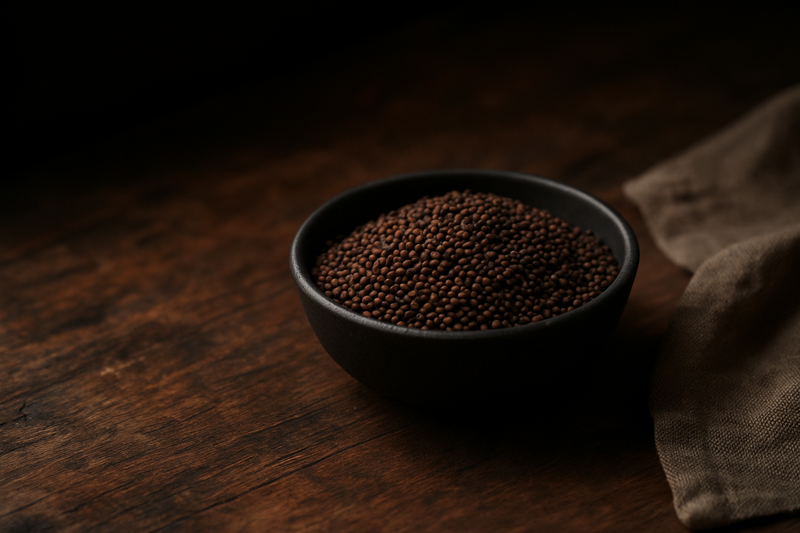
Brown Mustard Seeds · Photograph
Discover brown mustard seeds health benefits and how to use them — from tempering in hot oil for South Indian dals to their selenium content, anti-inflammatory compounds, and digestive support. Evidence-based, layperson-friendly guide.
Key Nutrients
% Daily Value based on 2,000 cal diet
Key active compounds in brown mustard seeds
- Glucosinolates (notably sinigrin): Sulfur-containing plant compounds stored in the seed. When the seeds are crushed or heated, an enzyme called myrosinase converts them into bioactive breakdown products.
- Isothiocyanates (notably allyl isothiocyanate): The pungent, sharp-tasting products of glucosinolate breakdown. These are the compounds most studied for antioxidant, anti-inflammatory, and antimicrobial effects.
- Omega-3 fatty acids (alpha-linolenic acid, or ALA): A plant-based polyunsaturated fat found in the seed's oil fraction. ALA is an essential fat your body cannot make on its own.
- Phenolic compounds and flavonoids: A broad category of plant antioxidants that contribute to the seeds' overall free-radical-neutralizing capacity.
- Dietary fiber: Both insoluble and soluble fractions that support bowel regularity, gut bacteria, and satiety.
Prep and pairing ideas
The classic temper (tarka / tadka): Heat a small amount of oil in a pan over medium-high heat. Add 1 teaspoon of whole brown mustard seeds and cover loosely — they will pop within 30 to 60 seconds. Once popping slows, add aromatics like curry leaves, garlic, or dried chili. Pour immediately over cooked lentils, steamed vegetables, or rice.
Spiced roasted vegetables: Toss cauliflower or root vegetables with olive oil, 1 teaspoon of ground brown mustard, turmeric, and black pepper before roasting. The mustard adds depth and a gentle heat.
Mustard-herb vinaigrette: Whisk 1 teaspoon of whole-grain or ground brown mustard with apple cider vinegar, lemon juice, and a drizzle of extra-virgin olive oil. Toss with bitter greens like arugula or radicchio, which balance the pungency.
Common pairings
- Brown mustard seeds + curry leaves + coconut oil: The backbone of South Indian tempering. Curry leaves contain their own antioxidant compounds (carbazole alkaloids), and coconut oil's high smoke point makes it ideal for the brief, high-heat pop. Use to finish lentil soups or sautéed greens.
- Brown mustard seeds + turmeric + black pepper: A classic anti-inflammatory triad in Ayurvedic and South Asian cooking. Turmeric contributes curcumin, black pepper's piperine may enhance curcumin absorption, and the mustard seeds add selenium and isothiocyanates. Works well in egg-free scrambles, roasted chickpeas, or grain pilafs.
- Brown mustard seeds + apple cider vinegar + whole-grain bread: The acid in vinegar slows glucosinolate hydrolysis, preserving more intact compounds, while the fiber from whole-grain bread complements the seeds' digestive benefits. A homemade whole-grain mustard spread is an easy way to add seeds to everyday meals.
Bottom line
Brown mustard seeds are an underrated culinary ingredient with a genuinely interesting nutritional and phytochemical profile. Their selenium content is notably high for a spice, their glucosinolate-derived isothiocyanates show real biological activity in research models, and the traditional technique of tempering them in hot oil until they pop is both simple and effective at releasing their flavor and bioactives.
The honest caveat: human clinical trials directly testing brown mustard seeds are few and small. Most of the exciting anti-inflammatory and antioxidant findings come from cell studies and animal models that do not always translate cleanly to human health outcomes. The most evidence-based reason to use them remains their nutrient density — especially selenium — within an overall diverse, plant-rich diet.
Used daily at culinary amounts, brown mustard seeds are a low-risk, high-flavor addition to a whole-food, plant-based kitchen. People with mustard allergies, active GI conditions, or thyroid disorders on medication should exercise caution and seek personalized advice.
How Brown Mustard Seeds Compares
| Compared with | What's different |
|---|---|
| Brown Mustard Seeds vs. Yellow Mustard Seeds | Sharper, more pungent heat and smaller in size than the milder yellow variety. |
| Brown Mustard Seeds vs. Black Mustard Seeds | The most intense, spicy heat of all three types, often used in hot mustard pastes. |
Health Benefits
Things to Know
Allergy risk: Mustard is a recognized major food allergen in many countries. Reactions can range from oral itching to anaphylaxis (a severe, life-threatening allergic reaction). If you have a Brassica-family allergy (cabbage, broccoli, watercress), speak to an allergist before adding mustard seeds regularly.
GI sensitivity: The pungent isothiocyanates increase gastric secretions. If you have GERD (acid reflux), gastritis, peptic ulcer disease, or irritable bowel syndrome (IBS), start with very small amounts and monitor symptoms. Mustard seeds may aggravate these conditions.
Skin and mucous membrane irritation: Topical mustard preparations — plasters, pastes, concentrated oil — can cause burning, redness, or blistering. Never apply strong mustard preparations to broken skin or use them on infants or young children.
Thyroid considerations: Brown mustard seeds contain glucosinolates that are classified as goitrogens — compounds that can, in very high doses, interfere with the thyroid gland's uptake of iodine. Culinary amounts are far below levels used in experimental models, but if you have a thyroid disorder and take thyroid hormone medication (such as levothyroxine), keep Brassica foods, including mustard, at moderate food-level amounts and discuss any concerns with your doctor.
Anticoagulant medications: Mustard seeds contain small amounts of vitamin K and bioactive compounds. Evidence of clinically significant interaction with warfarin or other blood thinners at culinary doses is minimal, but consistency in your diet is generally advised when taking these medications.
Antidiabetic medications: The fiber and satiety effects of mustard seeds may slightly influence postprandial (after-meal) glucose. If you are on glucose-lowering drugs, be aware that increasing dietary fiber and spice intake overall can alter glycemic responses.
Pregnancy and breastfeeding: Culinary use is considered safe. Concentrated supplements or medicinal-dose preparations lack adequate safety data for pregnancy — avoid these.
Glossary
Shop This Ingredient
Stock your pantry with quality brown mustard seeds.
Buy on AmazonAs an Amazon Associate, Plantopedia earns from qualifying purchases. This costs you nothing extra and helps us keep the encyclopedia free.
Frequently Asked Questions
Evidence for mustard seeds specifically is still building. Most findings come from cell studies, animal models, and short-term human experiments — not the large, long-term randomized trials that establish clear cause and effect. With that context, here is where the science currently points. Heart and circulation Mustard seeds provide unsaturated fats including ALA, plus fiber and magnesium — three nutritional factors associated with cardiometabolic health in broad dietary research. Their isothiocyanates have been shown in laboratory studies to reduce markers of oxidative stress and inflammation that are linked to cardiovascular disease. However, no large clinical trials have specifically tested mustard seed intake against blood pressure, cholesterol levels, or heart disease events. Consider the heart-health signal plausible and consistent with broader Brassica research, but not yet proven by direct evidence. Digestive health and microbiome The fiber in mustard seeds helps increase stool bulk and supports regular bowel movements — that part is basic fiber physiology with solid human evidence behind it. Beyond fiber, traditional medicine systems have long credited mustard seeds with stimulating saliva and gastric secretions, which may enhance early-stage digestion. Some small experimental reports suggest mustard preparations can increase digestive motility (how quickly food moves through the gut). The human clinical data here are sparse and preliminary, so this is an area to watch rather than a settled conclusion. For most people, adding a teaspoon or two of seeds to meals daily is a low-risk way to modestly increase spice-derived fiber intake. Blood sugar and metabolism Mustard seeds contribute fiber and protein in each serving, both of which slow carbohydrate absorption and support feelings of fullness. This can theoretically help moderate blood sugar spikes when the seeds are part of a higher-fiber meal. No randomized controlled trials have isolated mustard seeds as the variable and measured glucose, insulin, or HbA1c (a blood test measuring average blood sugar over several months) outcomes. The blood-sugar benefit, if it exists, is likely modest and indirect — driven more by the overall meal pattern than the seeds alone. Inflammation and recovery This is where the most mechanistic research exists. Allyl isothiocyanate, the primary breakdown product of sinigrin in brown mustard seeds, consistently shows anti-inflammatory and antioxidant activity in cell and animal models. One small short-term human study (using a mustard preparation delivering about 25 mg of isothiocyanates daily for four days) found modulation of detoxification-related enzymes — a sign that the compounds reach tissues and have biological effects. That said, changing an enzyme level in a short trial is a surrogate marker (a measurable signal), not a clinical outcome like reduced joint pain or lower inflammatory disease risk. More and larger human studies are needed before firm conclusions can be drawn.
The short answer: both are useful, and your choice depends more on culinary purpose than on meaningful nutritional differences. Whole seeds tempered in hot oil are the cornerstone of South Indian and Sri Lankan cooking. The brief blast of heat causes the seeds to pop, fractures the seed coat, and activates myrosinase to begin glucosinolate conversion. You get a nutty aroma and a gentle crunch. This is the most traditional delivery method and arguably the most flavorful. Ground mustard seed (powder) releases flavor faster when added to spice blends, dressings, or marinades. The grinding process also breaks down cell walls, so glucosinolate conversion can begin immediately when moisture or heat is applied. Nutritionally, ground and whole are very similar per gram. Prepared mustard (condiments) — the kind in a squeeze bottle — is made from ground seeds mixed with vinegar, water, and salt. It still provides glucosinolates and some minerals, but the nutrient density per gram is diluted, and sodium content can be significant. It's fine as a condiment but not a concentrated nutritional source. Mustard oil provides the fat-soluble fraction of the seed but lacks most of the fiber and many of the minerals. Strong concentrations can irritate skin. In several countries, including the United States, mustard oil is regulated and not approved for use as a cooking oil due to erucic acid content, though it is sold as a massage oil. For everyday use, whole seeds tempered in oil or ground seeds stirred into dishes are your best bets.
There is no official recommended dietary intake for mustard seeds specifically. Based on traditional culinary practice and the available research: Typical culinary range: 1–2 teaspoons (roughly 2–4 g) per dish, or around 1 tablespoon (6 g) across the meals in a day. Research context: The one small human study on enzyme induction used a mustard preparation delivering about 20 g of seeds per day for four days — substantially higher than everyday cooking use, and not a dose to replicate at home long-term. Practical guidance: For most healthy adults, using 1–2 teaspoons of whole or ground brown mustard seeds in daily cooking is a sensible starting point and well within the range of traditional use. Start low if you have a sensitive digestive system and build gradually. No upper limit is established, but very high intake (far beyond culinary use) may cause GI irritation, and the theoretical goitrogenic concern becomes more relevant at larger, sustained doses. If you want to explore higher amounts for a specific health goal, do so with guidance from a registered dietitian or your healthcare provider.
Quick Answers
Common questions, answered in a line.
Brown mustard seeds are rich in glucosinolates (like sinigrin), omega-3 fatty acids, and selenium. They also provide essential dietary fiber and phenolic compounds that function as antioxidants to help neutralize free radicals in the body.
Brown mustard seeds contain isothiocyanates and phenolic compounds that exhibit anti-inflammatory and antioxidant effects. These bioactive products are created when the seeds' glucosinolates are broken down by the enzyme myrosinase during crushing or heating.
To temper brown mustard seeds, heat oil in a pan and add one teaspoon of whole seeds until they begin to pop, which usually takes 30 to 60 seconds. This traditional method, often called tarka or tadka, releases their flavor and bioactives before they are poured over dishes.
Brown mustard seeds provide digestive support through both soluble and insoluble dietary fiber, which promotes bowel regularity and healthy gut bacteria. However, because they contain pungent isothiocyanates, they may aggravate conditions like acid reflux or IBS in sensitive individuals.
Yes, mustard is a recognized major food allergen that can cause reactions ranging from oral itching to life-threatening anaphylaxis. Individuals with existing allergies to Brassica-family plants like broccoli or cabbage should consult an allergist before using them.
Individuals with thyroid disorders or those taking thyroid medication should consume mustard seeds in moderate culinary amounts. This is because the seeds contain glucosinolates, which act as goitrogens that can potentially interfere with iodine uptake at very high doses.
Brown mustard seeds pair excellently with curry leaves and coconut oil for South Indian dishes, or with turmeric and black pepper for an anti-inflammatory spice blend. You can also whisk them with apple cider vinegar and olive oil to create a pungent vinaigrette.
For Readers in the USA
Local context — sourcing, seasonality, and regional notes.
Brown mustard seeds are widely available at major U.S. grocery chains like Whole Foods and Kroger, as well as specialized Indian grocers and online spice retailers. You will typically find them in the spice aisle labeled as brown or "Rai" seeds, or in the bulk section of natural food stores.
In the U.S., brown mustard is primarily grown in the Northern Great Plains, particularly in North Dakota and Montana, where it is planted in spring and harvested in late summer. While most production is concentrated in these states, the seeds are available year-round in stores nationwide due to their long shelf life.
Yes, the USDA Organic seal ensures brown mustard seeds were grown without synthetic fertilizers or pesticides and are non-GMO. When shopping in the U.S., look for this seal if you want to ensure the seeds meet strict federal organic production and handling standards.
In the United States, brown mustard seeds are most commonly used in the culinary context of Southern "soul food" greens or as the primary pungent kick in artisanal "Deli-style" and whole-grain spicy brown mustards. They are also a staple in the vibrant South Asian-American community for traditional tempering in dals and curries.
AI Clinical Review
- Clearly explains that brown mustard seeds are Brassica plants rich in glucosinolates that convert to isothiocyanates (pungent compounds studied for antioxidant and anti‑inflammatory activity).
- Highlights a meaningful selenium contribution per tablespoon alongside fiber, magnesium, and a bit of ALA (a plant omega‑3), which can complement plant‑forward eating.
- Accurately describes tempering (tadka) and how brief heating helps pop the seeds, release aroma, and initiate glucosinolate conversion—useful, practical cooking guidance.
- Keeps expectations realistic: most supportive data are preclinical or short‑term; culinary amounts are the right context for everyday use.
- Human trials directly linking mustard seed intake to outcomes like lower cardiovascular risk, improved glycemic control, or reduced inflammatory symptoms are limited and small; many findings come from cell or animal models.
- Digestive benefits beyond basic fiber effects (e.g., effects on motility or digestive secretions) rely on traditional use and preliminary reports rather than robust clinical studies.
- The impact of preparation variables (whole vs ground, heat level, acidity) on actual isothiocyanate dose and bioavailability in real‑world meals isn’t fully defined.
- Selenium content can vary by soil and cultivar; numbers are best viewed as estimates rather than exact values for every batch.
- Typical culinary use of 1–2 teaspoons per day is reasonable for most adults; larger or concentrated doses can irritate the GI tract.
- Mustard is a recognized allergen in many countries; anyone with known mustard or Brassica allergies should avoid it and carry typical precautions.
- People with GERD, gastritis, peptic ulcer disease, or IBS may be sensitive to pungent isothiocyanates—start with small amounts and assess tolerance.
- Those with thyroid disorders (especially on levothyroxine) should keep Brassica foods, including mustard, to consistent culinary amounts and ensure adequate iodine intake; discuss any concerns with a clinician.
- Mustard oil may be labeled “for external use only” in the United States due to erucic acid and isn’t approved as a cooking oil; stick to culinary seeds or prepared mustard, and avoid topical plasters/pastes that can irritate skin.
Very pungent whole; concentrated mustard can irritate skin and mucous membranes.
References
- USDA FoodData Central — mustard seed nutrition data (fdc.nal.usda.gov)
- MyPlate guidance on protein foods, including seeds (myplate.gov)
- Mustard seed nutrition facts and selenium content (FatSecret / USDA-derived) (foods.fatsecret.com)
- Herbal Reality — mustard seed monograph including human isothiocyanate trial summary (herbalreality.com)
- NDTV Health — can mustard seeds reduce inflammation? (overview of isothiocyanate research) (ndtv.com)
- Cymbiotika Health Hub — is mustard good for gut health? (cymbiotika.com)
- Martha Stewart — health benefits of mustard seeds, greens, and condiments (marthastewart.com)
- University of Rochester Medical Center — selenium fact sheet (urmc.rochester.edu)
- Vitalibrary — mustard seed health benefits overview (vitalibrary.com)
- LearningHerbs — mustard uses and traditional applications (learningherbs.com)
Know Your Numbers
Eating healthy is a start. Now get to know your biomarkers.
Food changes bloodwork — inflammation, lipids, blood sugar and nutrient status all respond to what you eat. 59 markers from $59.
- Results in 7–10 days at 2,000+ Quest sites
- Licensed provider reviews every result
- One flat price, no membership, HSA/FSA eligible
Educational information only, not medical advice. Panels are ordered and reviewed through our licensed partner; Plantopedia may earn a commission.