Anaheim Pepper — health benefits and uses
A gentle Southwestern chili valued for flavor over heat.
The Short Answer
Anaheim peppers are mild, versatile green chilies known for their high vitamin C content, providing 69 mg per serving. They are best prepared by roasting and peeling to soften their skin for use in salsas, stews, or stuffed dishes like chiles rellenos.
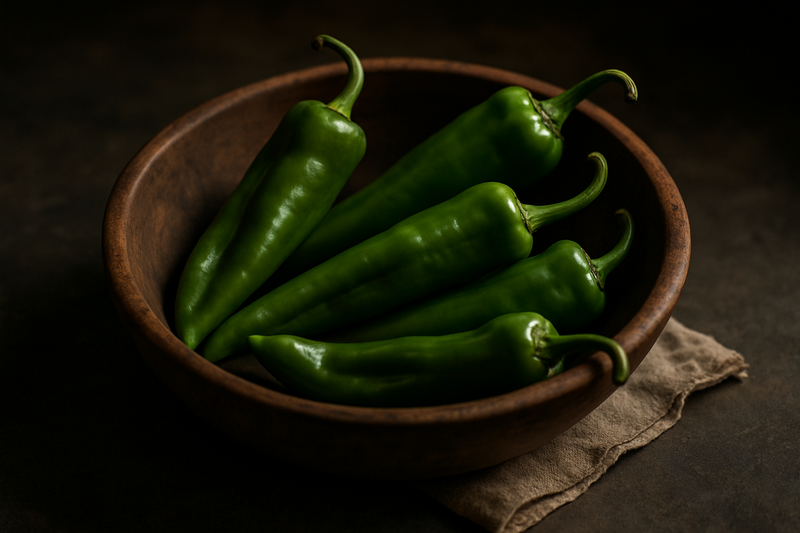
Anaheim Pepper · Photograph
Discover Anaheim pepper nutrition and health benefits — from vitamin C and antioxidants to heart and digestive support. Learn how to roast, peel, and cook this mild green chili, plus what the evidence really says.
Key Nutrients
% Daily Value based on 2,000 cal diet
Key active compounds
Anaheim peppers contain several groups of plant compounds worth knowing:
- Capsaicinoids — The family of mildly spicy alkaloids (natural plant chemicals) unique to chili peppers. Anaheim peppers contain relatively low levels compared with hotter varieties. In other chili research, capsaicinoids are linked to pain modulation and mild thermogenesis (calorie-burning warmth), but these effects are most studied in concentrated or hotter forms.
- Carotenoids (including beta-carotene) — Pigmented antioxidant compounds. Beta-carotene is a provitamin A carotenoid, meaning the body converts it to vitamin A as needed. Green Anaheim peppers have moderate carotenoid levels; red-ripe ones have significantly more.
- Phenolic acids (gallic, caffeic, chlorogenic acids) — Polyphenols (a broad class of antioxidant plant chemicals) identified in Capsicum annuum extracts. Lab studies show strong antioxidant activity; human-level effects at dietary amounts are less established.
- Flavonoids (catechin, epicatechin, rutin, luteolin) — Another group of plant polyphenols that support vascular health and may modulate inflammatory signaling. Evidence is mostly from lab and animal studies.
- Resveratrol — A stilbene polyphenol (also found in grapes and berries) detected in small amounts in some Capsicum annuum cultivars, including Anaheim-type peppers. Its contribution at typical serving sizes is likely minor.
Prep and pairing ideas
Anaheim peppers are one of the most kitchen-friendly chilies available. Here are the essentials:
How to roast and peel Anaheim peppers:
- Place whole peppers directly on a gas flame, under a broiler, or on a hot grill.
- Char on all sides until the skin is blistered and blackened, turning every 2 to 3 minutes.
- Transfer immediately to a covered bowl or sealed bag and let steam for 10 to 15 minutes.
- The steam loosens the skin so it peels off easily with your fingers or a paper towel.
- Remove seeds and stem, then chop or leave whole for stuffing.
Three practical pairings:
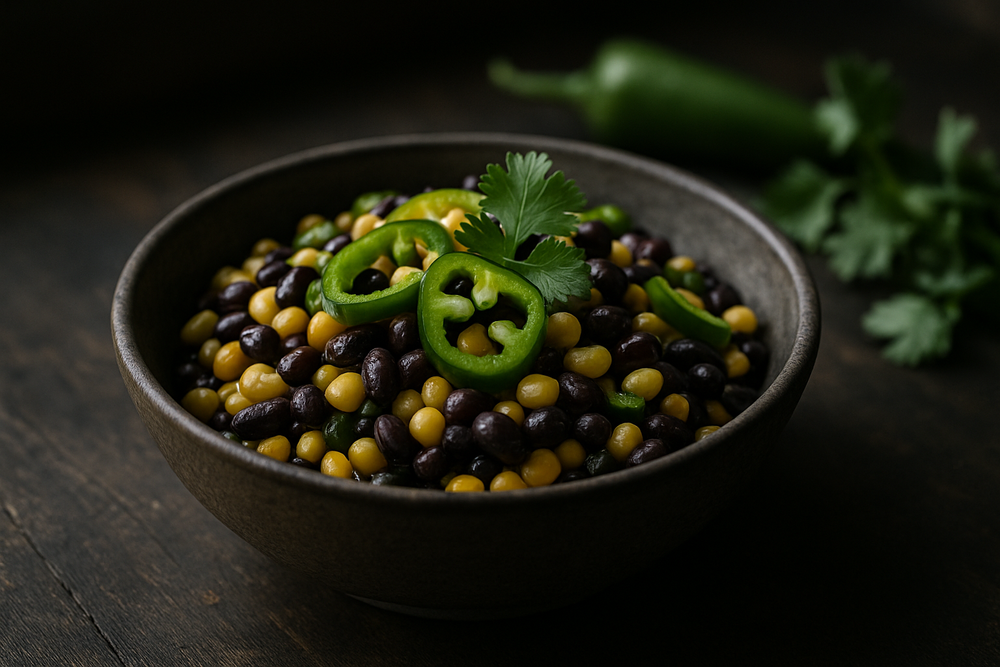
- Anaheim peppers + black beans + brown rice: A complete plant-based meal with complementary proteins, fiber, and complex carbohydrate. The peppers add vitamin C, which also enhances non-heme iron absorption from the beans.
- Anaheim peppers + corn + cilantro (in a salsa or salad): A classic Southwestern combination. Corn adds carotenoids and B vitamins; cilantro provides additional polyphenols. This trio works raw or lightly roasted.
- Anaheim peppers + avocado + tomato (in stuffed peppers or tacos): The healthy fat in avocado improves absorption of fat-soluble carotenoids from both the pepper and the tomato, making this pairing nutritionally smarter than it might appear.
Bottom line
Anaheim peppers are a mild, low-calorie, nutrient-dense whole vegetable that fits naturally into a heart-healthy, plant-forward diet. Their standout nutrient is vitamin C — with nearly three-quarters of the daily value per serving — but they also deliver provitamin A carotenoids, B6, potassium, and a range of antioxidant polyphenols documented in Capsicum annuum research.
Direct clinical trials on Anaheim peppers specifically are limited, so most health inferences draw from broader vegetable, chili pepper, and antioxidant research. The evidence is strong enough to say they are a nutritionally valuable food; it is not strong enough to make specific disease claims.
What is clear: they are easy to prepare, widely available, gentle on the stomach, and delicious. If you are looking to add more vegetables to your routine without overwhelming heat or complexity, the Anaheim pepper is an excellent starting point.
Looking to build a diet that supports heart health, immunity, or weight management? Explore our [/goals] section to find ingredient guides and meal frameworks aligned with your health goals.
How Anaheim Pepper Compares
| Compared with | What's different |
|---|---|
| Anaheim Pepper vs. Poblano Pepper | Poblano peppers have a richer, earthier flavor and slightly more heat than the crisp Anaheim. |
| Anaheim Pepper vs. Bell Pepper | Bell peppers have no capsaicin heat, while Anaheims offer a mild, tangy kick. |
| Anaheim Pepper vs. Jalapeño Pepper | Jalapeños are significantly spicier, measuring 2,500–8,000 Scoville units compared to Anaheim's 500–2,500. |
Health Benefits
Things to Know
GERD, peptic ulcers, or IBS: Even mild capsaicinoids can worsen reflux, heartburn, or irritable bowel symptoms in sensitive individuals. Start with small amounts and observe your response.
Nightshade sensitivity or allergy: Anaheim peppers belong to the nightshade family (Solanaceae), alongside tomatoes, potatoes, and eggplant. People with a known allergy or intolerance to nightshades should approach with care.
Potassium-restricted diets: Those with advanced kidney disease or on potassium-managing medications (such as potassium-sparing diuretics or ACE inhibitors) should count dietary potassium from all sources, including vegetables. Discuss total intake with your clinician.
Very young children: Mild heat can still feel intense to young palates. Introduce in small amounts mixed into familiar foods.
Medication interactions: No significant drug interactions are documented at typical dietary amounts. As with any high-potassium vegetable, those on medications affecting potassium balance should follow clinical guidance.
Prep Ideas
- — Place whole peppers directly on a gas flame, under a broiler, or on a hot grill.
- — Char on all sides until the skin is blistered and blackened, turning every 2 to 3 minutes.
- — Transfer immediately to a covered bowl or sealed bag and let steam for 10 to 15 minutes.
- — The steam loosens the skin so it peels off easily with your fingers or a paper towel.
- — Remove seeds and stem, then chop or leave whole for stuffing.
- — Anaheim peppers + black beans + brown rice: A complete plant-based meal with complementary proteins, fiber, and complex carbohydrate. The peppers add vitamin C, which also enhances non-heme iron absorption from the beans.
- — Anaheim peppers + corn + cilantro (in a salsa or salad): A classic Southwestern combination. Corn adds carotenoids and B vitamins; cilantro provides additional polyphenols. This trio works raw or lightly roasted.
- — Anaheim peppers + avocado + tomato (in stuffed peppers or tacos): The healthy fat in avocado improves absorption of fat-soluble carotenoids from both the pepper and the tomato, making this pairing nutritionally smarter than it might appear.
Shop This Ingredient
Stock your pantry with quality anaheim pepper.
Buy on AmazonAs an Amazon Associate, Plantopedia earns from qualifying purchases. This costs you nothing extra and helps us keep the encyclopedia free.
Frequently Asked Questions
Here is what the current evidence suggests across the main health areas. Where research is specifically on Anaheim peppers, that is noted — but much of the science draws on broader chili pepper and vegetable research, so benefit claims are appropriately cautious. Heart and circulation Anaheim peppers offer several nutrients associated with cardiovascular health: potassium (which helps regulate blood pressure), vitamin C (which supports blood vessel integrity), carotenoids (antioxidants that may protect LDL cholesterol from oxidation), and fiber (which can support healthy cholesterol levels as part of a varied diet). Phenolic acids and flavonoids identified in Capsicum annuum show antioxidant activity in laboratory studies that may be relevant to atherosclerosis (the buildup of plaques in arteries) prevention. However, no clinical trials have tested Anaheim peppers specifically for cardiovascular outcomes. The strongest link is associative: higher overall vegetable intake — the pattern Anaheim peppers support — is consistently tied to lower cardiovascular risk in large observational studies. Digestive health and microbiome Anaheim peppers are mild enough that most people tolerate them well, even those who react to spicier chilies. Each serving provides around 2 g of fiber, contributing to stool bulk and gut motility (the movement of food through your digestive tract). Their high water content and low fat content also make them a high-volume, low-calorie choice that can support satiety without overloading digestion. Because their capsaicinoid content is low compared with hotter varieties, they are less likely to trigger the gastric acid surges or intestinal irritation some people experience with spicy food. That said, individual sensitivity varies — see the cautions section below. Blood sugar and metabolism Anaheim peppers are very low in total carbohydrate and have a low glycemic load (a measure of how much a food raises blood sugar in a realistic portion). Their fiber content can modestly slow carbohydrate absorption when eaten as part of a mixed meal. There are no clinical trials specifically testing Anaheim peppers for blood glucose outcomes, but evidence on vegetable-rich dietary patterns consistently shows better insulin sensitivity and glycemic control over time. Inflammation and recovery Vitamin C, carotenoids, and polyphenols all act as antioxidants — compounds that neutralize free radicals (unstable molecules that can damage cells and drive chronic inflammation). Lab analyses of Capsicum annuum peppers show meaningful total antioxidant capacity related to these compounds. Human evidence directly linking mild pepper consumption to reduced inflammatory markers is limited. Most studies on capsaicin and inflammation involve hotter chili varieties or concentrated supplements. Anaheim peppers likely contribute most to an anti-inflammatory eating pattern through their nutrient density rather than any strong direct effect. Immune support Vitamin C is probably Anaheim peppers' most clinically relevant nutrient for immune function. It supports the production and function of white blood cells, helps maintain the protective lining of the respiratory tract, and plays a role in the body's response to infection. At 76% of the daily value per 100 g serving, Anaheim peppers are a genuinely strong dietary source. Their provitamin A carotenoids also support epithelial integrity — the health of skin and mucosal surfaces that serve as the body's first line of defense against pathogens.
Spice-sensitive eaters who want chili pepper benefits Anaheim's very mild heat lets you enjoy the antioxidant and nutrient benefits of chili peppers without digestive distress. The large, meaty shape makes them easy to roast, stuff, or slice — no special technique required. A great gateway pepper for families with children or older adults who find hotter chilies uncomfortable. People focused on weight management and blood sugar balance At just 23 calories per 100 g, they add significant volume, flavor, and nutrition to meals for minimal caloric cost. Their fiber and water content support satiety, which can help with portion control over a meal. Their low glycemic load makes them a smart substitution for higher-calorie meal components.
The short answer: yes, in all common forms, though each has trade-offs. Raw (sliced or chopped): Preserves the most vitamin C, which is heat-sensitive. Great in salsas, salads, and as a fresh topping. Roasted and peeled: The classic preparation for chiles rellenos and green chili sauces. Roasting caramelizes natural sugars, deepens flavor, and makes the thick skin easy to remove. Some vitamin C is lost with heat, but fat-soluble compounds like carotenoids are unaffected and may even become more bioavailable (easier for your body to absorb) with a small amount of fat. Grilled or broiled: Adds a smoky char and softens the pepper beautifully for tacos, fajitas, and grain bowls. Sautéed or stir-fried: Quick, moderate heat preserves most nutrients while softening texture and blending flavors with other vegetables. Dried or ground: Less common for Anaheim peppers but possible. Drying concentrates flavor and many phytochemicals while reducing vitamin C significantly. In green chili sauces and stews: Roasted, chopped Anaheim peppers form the backbone of New Mexican green chili sauce — a practical way to get a large serving of the pepper in a single dish.
There is no established clinical dose for Anaheim peppers. As with most whole vegetables, more is generally better — up to a point of personal digestive comfort. Practical guidance: 1 to 2 whole peppers per serving (50 to 100 g) several times per week is a reasonable culinary target and consistent with general vegetable intake recommendations. MyPlate and most dietary guidelines recommend that adults fill half their plate with vegetables and fruits daily. Anaheim peppers count toward that goal and can reasonably appear in meals multiple times per week. Start low if you're new to chili peppers or have a sensitive stomach — half a pepper mixed into a dish is a comfortable entry point. No upper limit is established for healthy adults; eating more than 2 to 3 peppers per day simply becomes a matter of culinary practicality rather than health risk. If you are eating Anaheim peppers specifically to increase vitamin C or potassium intake, a single large pepper comfortably contributes meaningful amounts of both without any special effort.
Quick Answers
Common questions, answered in a line.
Anaheim peppers are rich in vitamin C, providing nearly three-quarters of the daily value per serving, along with provitamin A carotenoids, vitamin B6, and potassium. They also contain a range of antioxidant polyphenols, including phenolic acids and flavonoids.
The best way to peel Anaheim peppers is to char the skin under a broiler, gas flame, or grill until blistered, then steam them in a sealed container for 10 to 15 minutes. This process loosens the skin, allowing it to be easily removed with your fingers or a paper towel.
Anaheim peppers contain capsaicinoids, which are linked to mild thermogenesis (calorie-burning warmth) and pain modulation. While these effects are most studied in hotter peppers, Anaheims offer a low-calorie, nutrient-dense option for plant-forward diets.
Pairing Anaheim peppers with healthy fats, such as those found in avocados, helps the body better absorb the pepper's fat-soluble carotenoids. They also pair well with black beans and rice to create a complete plant-based protein meal.
Individuals with GERD, peptic ulcers, or IBS may find that the capsaicinoids in Anaheim peppers worsen reflux or digestive symptoms. People with nightshade allergies or those on potassium-restricted diets for kidney disease should also exercise caution.
Anaheim peppers contain flavonoids like catechin and luteolin, which support vascular health and may modulate inflammatory signaling. Their potassium content also makes them a valuable addition to a heart-healthy, nutrient-dense diet.
For Readers in the USA
Local context — sourcing, seasonality, and regional notes.
Anaheim peppers are primarily grown in New Mexico and California, with their peak harvest season running from late summer through early fall. While they are available year-round in many supermarkets, you will find the freshest, locally-grown crops at US farmers markets between August and September.
You can find Anaheim peppers at major US grocery chains like Kroger, Safeway, and Whole Foods, where they are often labeled as "California chilies." They are a staple in the produce section alongside bell peppers and jalapeños, and are also sold canned as "mild green chilies" by brands like Ortega or Old El Paso.
The Anaheim pepper is a specific cultivar of the New Mexico chile (Numex), famously brought to Anaheim, California, by Emilio Ortega in the early 1900s. While similar to the Hatch chile, true "Hatch" peppers must be grown in the Hatch Valley of New Mexico, whereas "Anaheim" refers to the variety grown more broadly across the West.
Look for the USDA Organic seal to ensure your Anaheim peppers were grown without synthetic pesticides or fertilizers. If you are buying conventional peppers, the FDA recommends washing them thoroughly under cold running water to reduce pesticide residues, as peppers are often included on lists of produce with higher residue levels.
AI Clinical Review
- Clearly explains that Anaheim peppers are a very mild chili (about 500–2,500 SHU) and practical for everyday cooking, which increases the chance people will actually eat them regularly.
- The nutrition snapshot aligns with standard references: very low calorie, high in vitamin C (~69 mg per 100 g), with some provitamin A, vitamin B6, potassium, and fiber.
- Accurately frames antioxidants (carotenoids, phenolic acids, flavonoids) as present in Anaheim peppers while noting that most health data come from broader Capsicum or vegetable research.
- Sensible culinary guidance: raw retains the most vitamin C; light cooking/roasting preserves most other nutrients and pairing with a little fat can improve carotenoid absorption.
- Specific clinical trials on Anaheim peppers and hard outcomes (blood pressure, lipids, inflammatory markers, glycemic control) are lacking; most benefits are inferred from general vegetable intake or studies of hotter chiles/capsaicin supplements.
- The real-world impact of polyphenols at typical serving sizes is uncertain; in vitro and animal findings don’t always translate to measurable human benefits.
- Thermogenic or metabolism effects seen with capsaicin typically require higher doses than mild peppers provide; Anaheim’s contribution here is likely modest.
- Resveratrol content in Anaheim-type peppers appears variable and small; its health impact at culinary amounts is unclear.
- There is no therapeutic “dose” for Anaheim peppers; 1–2 peppers as part of meals several times per week is a reasonable culinary target within overall vegetable goals.
- Individuals with GERD, peptic ulcer disease, IBS, or nightshade allergy/sensitivity may react even to mild peppers—start low and assess tolerance.
- People on potassium-restricted diets or medications that raise potassium (e.g., ACE inhibitors, ARBs, potassium-sparing diuretics) should include peppers in their total potassium planning.
- For children and heat-sensitive eaters, introduce small amounts; wash hands after handling and avoid touching eyes to prevent irritation.
Mild; generally very safe.
References
- USDA FoodData Central — Peppers, raw, green chili (Capsicum annuum): Nutrient reference data for calories, vitamins, minerals, and macronutrients. (fdc.nal.usda.gov)
- MyPlate / USDA — Vegetables group guidance: Federal dietary recommendations supporting increased vegetable intake for overall health. (myplate.gov)
- Pepperscale — Anaheim Pepper Nutrition: How Healthy Are They? Overview of macro and micronutrient content with context for chili pepper nutrition. (pepperscale.com)
- Capsaicinoids, Polyphenols and Antioxidant Activities of Capsicum annuum Cultivars (PMC / NCBI, 2019): Peer-reviewed study documenting phenolic compounds, flavonoids, capsaicinoids, and antioxidant capacity across multiple Capsicum annuum cultivars, including Anaheim-type peppers. (pmc.ncbi.nlm.nih.gov)
- Antioxidant Activity of Peppers (Capsicum annuum L.) Extracts and Characterization of Their Phenolic Constituents (Redalyc): Research identifying phenolic acids and flavonoids including gallic acid, chlorogenic acid, catechin, epicatechin, rutin, luteolin, and resveratrol in pepper extracts. (redalyc.org)
- Anaheim Pepper Nutrition Overview — Gardenia.net: Summary of Capsicum annuum Anaheim pepper nutritional data and general cultivation notes. (gardenia.net)
- Anaheim Pepper Nutrition Facts — Recipal: Per-serving breakdown of calories, protein, carbohydrate, fat, and key vitamins. (recipal.com)
- Restorative Farms — Anaheim Pepper Nutrition and Local Food Information: Community food education resource with macro and micronutrient context. (restorativefarms.org)
- NIH Office of Dietary Supplements — Vitamin C Fact Sheet: Evidence summary for vitamin C's roles in immune function, collagen synthesis, and antioxidant defense. (ods.od.nih.gov)
Know Your Numbers
Eating healthy is a start. Now get to know your biomarkers.
Food changes bloodwork — inflammation, lipids, blood sugar and nutrient status all respond to what you eat. 59 markers from $59.
- Results in 7–10 days at 2,000+ Quest sites
- Licensed provider reviews every result
- One flat price, no membership, HSA/FSA eligible
Educational information only, not medical advice. Panels are ordered and reviewed through our licensed partner; Plantopedia may earn a commission.