Padron Pepper — health benefits and uses
A Galician specialty pepper enjoyed as a fresh whole snack.
The Short Answer
Padron peppers are small Spanish peppers known for their 'Russian Roulette' heat; while most are mild, about one in ten is quite spicy. They are an excellent source of Vitamin C, providing 80 mg per serving, along with skin-healthy carotenoids and capsaicin.

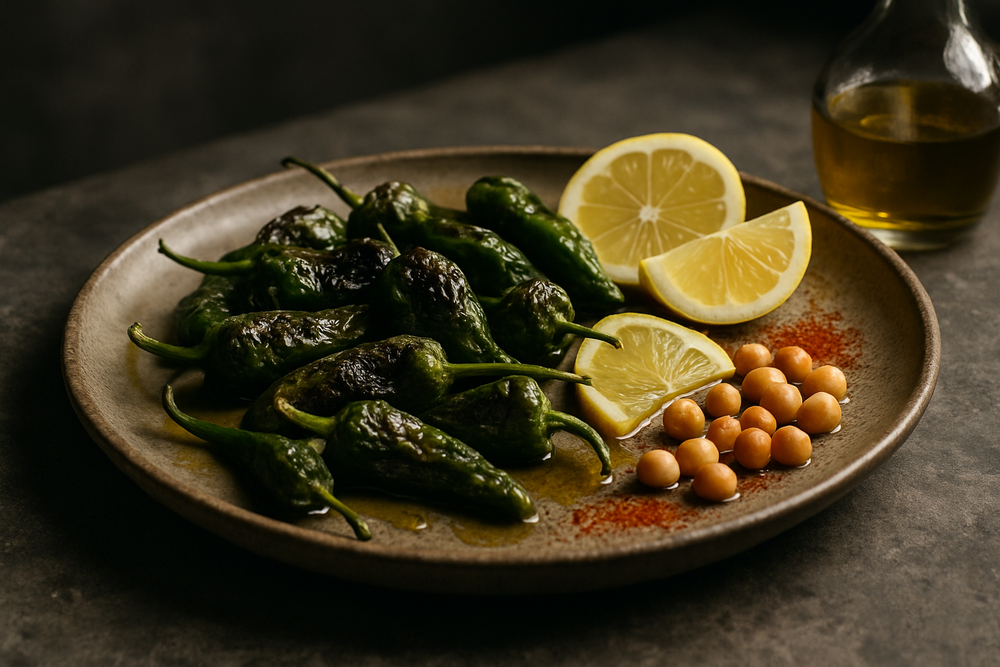
Padron Pepper · Photograph
Discover Padron peppers nutrition and health benefits: calories, vitamins C and A, antioxidants, and how these classic Spanish tapas peppers fit a heart-healthy, Mediterranean, or WFPB diet. Evidence-based, layperson-friendly guide.
Key Nutrients
% Daily Value based on 2,000 cal diet
Key active compounds
Padron peppers owe their health potential to several key phytochemicals (naturally occurring plant compounds with biological activity):
- Capsaicin — The compound responsible for the characteristic heat of chili peppers. It interacts with TRPV1 receptors (pain and temperature sensors in nerve cells). In larger doses from hotter peppers and supplements, capsaicin has been studied for pain relief, thermogenesis (calorie-burning warmth), and cardiovascular effects. Padron peppers contain lower and more variable capsaicin levels than most chili peppers, so effects are likely modest in typical servings.
- Carotenoids (beta-carotene, lutein) — Yellow-orange pigments that act as antioxidants. Beta-carotene converts into vitamin A in the body. Lutein is associated with eye health. The deep green skin of Padron peppers contains both.
- Flavonoids (including quercetin) — Polyphenolic compounds (a broad family of antioxidant plant chemicals) that may reduce oxidative stress (cell damage from unstable molecules called free radicals) and modulate inflammatory pathways.
- Chlorophyll — The green pigment itself. It contributes to the antioxidant profile of green vegetables and gives Padron peppers their characteristic colour.
- Vitamin C (ascorbic acid) — Technically a vitamin, but also one of the most potent water-soluble antioxidants in the diet. Padron peppers are an excellent source.
Who benefits most
The Mediterranean diet follower
- Already eating olives, olive oil, and legumes? Padron peppers slot naturally into that pattern.
- They add chili-pepper phytochemicals and vitamin C to a cuisine that is globally associated with reduced cardiovascular and metabolic disease risk.
- Flash-frying in extra-virgin olive oil is the traditional method — and the fat aids absorption of fat-soluble carotenoids.
The weight-conscious snacker
- At just ~24 calories per 100 g serving (before oil), they are one of the most volume-friendly nibbles around.
- The combination of fiber, water content, and a small kick of capsaicin may help with satiety (the sense of feeling full).
- They replace higher-calorie tapas options without sacrificing the social eating experience.
Prep and pairing ideas
Padron peppers are wonderfully versatile beyond the classic tapas bowl. Three practical pairings:
- Padron peppers + lemon aioli (or tahini) — The acidity of lemon enhances the absorption of iron from any plant foods on the same plate, and the fat in aioli or tahini boosts carotenoid uptake. This is a simple, crowd-pleasing dip plate.
- Padron peppers + chickpeas and smoked paprika — A protein and fiber boost that makes the dish a light main rather than a side. Chickpeas add B vitamins and plant protein; paprika reinforces the carotenoid load and adds depth.
- Padron peppers + eggs (shakshuka style) — Eggs provide high-quality protein and fat, both of which help absorb the fat-soluble nutrients in the peppers. A Padron shakshuka is a nutrient-dense, satisfying brunch that takes under 20 minutes.
Bottom line
Padron peppers are one of the most nutritionally compelling ways to eat more vegetables without feeling like you are compromising on pleasure. They deliver a substantial portion of your daily vitamin C and vitamin A in under 25 calories, alongside fiber, B vitamins, and a spectrum of antioxidant phytochemicals. The evidence for specific health benefits — heart health, digestive support, blood sugar balance, and anti-inflammatory effects — is largely extrapolated from research on chili peppers and vegetable-rich diets in general, rather than from Padron-specific clinical trials. That caveat noted, the overall picture is very positive. They are safe for most people, fit naturally into Mediterranean and whole-food, plant-based diets, and are genuinely enjoyable to eat. Flash-fry them whole, finish with flaky salt, and consider the health benefits a bonus.
How Padron Pepper Compares
| Compared with | What's different |
|---|---|
| Padron Pepper vs. Fresno Pepper | Significantly hotter (2,500+ Scoville units) with thicker walls and a bright red color when ripe. |
| Padron Pepper vs. Shishito Pepper | Uniformly sweet with no heat, whereas roughly 1 in 10 Padron peppers is surprisingly spicy. |
| Padron Pepper vs. Bell Pepper | Larger, sweeter, and contains significantly more sugar with no capsaicin heat. |
Health Benefits
Things to Know
Generally very safe: — Padron peppers are food, not a supplement, and are consumed without adverse effects by millions of people in Mediterranean diets.
GI sensitivity: — People with GERD, IBS, acid reflux, or peptic ulcers should introduce them cautiously. The occasional hot one can cause a burning sensation beyond what you expect.
Nightshade allergy: — If you have a known allergy to peppers, tomatoes, aubergine (eggplant), or other nightshade vegetables, avoid Padron peppers or seek medical advice first.
Kidney disease: — Padron peppers contain modest potassium (200 mg per 100 g). This is not a concern for most people, but individuals on a medically prescribed low-potassium diet (often due to advanced kidney disease) should count it as part of their daily allowance.
Anticoagulant medications: — They contain small amounts of vitamin K. The contribution is far smaller than leafy greens, but people on warfarin or other anticoagulants (blood thinners) are generally advised to keep vitamin K intake consistent day to day. Moderate Padron pepper consumption is unlikely to cause issues, but check with your prescriber.
Pregnancy: — Mild chili peppers are generally considered safe in pregnancy as food. There is no specific concern with Padron peppers at culinary amounts.
Children and heat sensitivity: — Most Padron peppers are mild, but the occasional hot one may be too spicy for young children or heat-sensitive individuals.
Best Forms
Keeping peppers intact limits the surface area exposed to heat and oxidation (breakdown caused by oxygen), preserving more vitamin C and delicate flavonoids.
A quick blister (2–4 minutes) minimises total heat exposure. Prolonged cooking degrades water-soluble vitamins like C and B6 more significantly.
A small amount of healthy fat is actually beneficial here: fat-soluble nutrients like beta-carotene and other carotenoids are absorbed much more efficiently when eaten with dietary fat. Extra-virgin olive oil also adds its own polyphenols (a type of antioxidant plant compound).
Flaky sea salt finishes the dish beautifully. Using just a pinch keeps sodium in check, which matters for heart health.
Prep Ideas
- — Padron peppers + lemon aioli (or tahini) — The acidity of lemon enhances the absorption of iron from any plant foods on the same plate, and the fat in aioli or tahini boosts carotenoid uptake. This is a simple, crowd-pleasing dip plate.
- — Padron peppers + chickpeas and smoked paprika — A protein and fiber boost that makes the dish a light main rather than a side. Chickpeas add B vitamins and plant protein; paprika reinforces the carotenoid load and adds depth.
- — Padron peppers + eggs (shakshuka style) — Eggs provide high-quality protein and fat, both of which help absorb the fat-soluble nutrients in the peppers. A Padron shakshuka is a nutrient-dense, satisfying brunch that takes under 20 minutes.
Glossary
Shop This Ingredient
Stock your pantry with quality padron pepper.
Buy on AmazonAs an Amazon Associate, Plantopedia earns from qualifying purchases. This costs you nothing extra and helps us keep the encyclopedia free.
Frequently Asked Questions
It is important to be clear upfront: no human clinical trials have been conducted specifically on Padron peppers. All health benefits discussed below are inferred from their nutrient profile and from the broader scientific evidence on chili peppers, vegetables, and individual nutrients. Evidence levels are labelled accordingly. Heart and circulation Evidence level: moderate (extrapolated from vegetable and chili-pepper research) Padron peppers are very low in calories and sodium, and they provide potassium, fiber, vitamin C, and carotenoids — a combination that fits well-established heart-healthy dietary patterns. Large observational studies and dietary intervention trials consistently show that higher vegetable intake is associated with lower blood pressure, better lipid profiles (cholesterol and triglyceride levels), and reduced cardiovascular disease risk. Potassium, in particular, helps counterbalance the blood-pressure-raising effects of sodium by supporting healthy kidney function and blood vessel relaxation. Fiber contributes to healthy cholesterol levels by binding bile acids in the gut. Some research on capsaicin (in hotter peppers and supplements) also suggests it may support endothelial function — the health of the inner lining of blood vessels — but this evidence is preliminary and does not directly apply to the milder levels in Padron peppers. Digestive health and microbiome Evidence level: moderate (fiber evidence is strong; Padron-specific data absent) Each 100 g serving provides about 1.6 g of dietary fiber, which adds bulk to stool and supports regular bowel movements. Human trials consistently support dietary fiber for digestive regularity and colon health. Fiber also acts as a prebiotic — food for beneficial gut bacteria — which emerging science links to broader health outcomes including immune function and mood. One note of caution: people with gastroesophageal reflux disease (GERD, chronic acid reflux) or irritable bowel syndrome (IBS) may find that even mildly spicy foods aggravate their symptoms, especially on the occasion they encounter a hotter pepper. Blood sugar and metabolism Evidence level: emerging Padron peppers are a low-glycemic food (they cause minimal rise in blood sugar) because they are low in total carbohydrates and provide fiber. Non-starchy vegetables like Padron peppers can be eaten freely on most blood-sugar-conscious eating plans. Broader research on capsaicin-rich peppers and capsaicin supplements has shown modest effects on glucose metabolism and insulin sensitivity in some trials, but those studies use different pepper types and concentrated forms that cannot be directly applied to Padron servings. Inflammation and recovery Evidence level: emerging Vitamin C is one of the best-studied anti-inflammatory nutrients: high dietary vitamin C intake is associated with lower markers of systemic inflammation (such as C-reactive protein) in human observational studies. Padron peppers' carotenoids and flavonoids add additional antioxidant support. Capsaicin also has demonstrated anti-inflammatory properties in topical (skin-applied) preparations and some dietary studies, but again, Padron peppers' capsaicin levels are low and variable. Overall, any anti-inflammatory benefit from Padron peppers is likely modest and works best as part of a broader plant-rich diet.
The traditional preparation is also one of the best nutritionally: flash-fry whole peppers in a small amount of olive oil over high heat until blistered, then finish with flaky sea salt. Here is why this works: Whole, not chopped — Keeping peppers intact limits the surface area exposed to heat and oxidation (breakdown caused by oxygen), preserving more vitamin C and delicate flavonoids. High heat, short time — A quick blister (2–4 minutes) minimises total heat exposure. Prolonged cooking degrades water-soluble vitamins like C and B6 more significantly. Olive oil — A small amount of healthy fat is actually beneficial here: fat-soluble nutrients like beta-carotene and other carotenoids are absorbed much more efficiently when eaten with dietary fat. Extra-virgin olive oil also adds its own polyphenols (a type of antioxidant plant compound). Minimal salt — Flaky sea salt finishes the dish beautifully. Using just a pinch keeps sodium in check, which matters for heart health. Roasting and grilling are solid alternatives with a similar nutritional outcome. Pickling retains most macronutrients but can be higher in sodium, so check the label if buying pickled peppers. Frozen Padron peppers retain most of their nutrients and cook well from frozen — a convenient year-round option.
There is no established therapeutic dose for Padron peppers — they are a food, not a medicine. General guidance: Typical tapas serving: 50–100 g (about 6–10 whole peppers). This is the amount most nutrition data is based on and is a sensible starting point. Vegetable guidelines: U.S. dietary guidelines recommend 2.5–3 cups of vegetables per day for adults. One 100 g serving of Padron peppers counts toward that total. Start low if you are new to spicy vegetables: Even though most Padron peppers are mild, begin with a small portion (4–5 peppers) to gauge your tolerance, particularly if you have a sensitive gut. No upper limit from a safety standpoint, but large amounts of any vegetable can cause digestive discomfort in some people. Eating them as part of a varied diet is always preferable to relying on any single food. Oil and salt matter: The peppers themselves are very low in calories and sodium, but generous cooking oil and heavy-handed salt can change the nutritional picture significantly. If you are looking for ways to build more vegetables into your routine, explore the goals section at Plantopedia for diet-pattern guidance.
Quick Answers
Common questions, answered in a line.
Padron peppers are very low in calories, providing only about 24 calories per 100-gram serving before adding oil. Their combination of fiber, high water content, and capsaicin can help promote satiety and support weight management goals.
Padron peppers are an excellent source of Vitamin C, which acts as a potent water-soluble antioxidant. They also provide significant amounts of Vitamin A (via beta-carotene), B vitamins, and modest amounts of potassium and Vitamin K.
Yes, Padron peppers contain capsaicin, the compound responsible for chili heat, as well as carotenoids like beta-carotene and lutein. They are also rich in flavonoids, such as quercetin, and chlorophyll, all of which contribute to the vegetable's antioxidant profile.
People with nightshade allergies or gastrointestinal sensitivities, such as GERD, IBS, or acid reflux, should be cautious when eating Padron peppers. Those with advanced kidney disease or those taking anticoagulant medications should also monitor their intake due to potassium and vitamin K content.
To maximize nutrient absorption, pair Padron peppers with healthy fats like extra-virgin olive oil, tahini, or eggs. The fats help your body absorb fat-soluble carotenoids, while adding acidic ingredients like lemon can enhance the absorption of iron from other plant foods on your plate.
Padron peppers are considered heart-healthy because they fit perfectly into the Mediterranean diet, which is associated with reduced cardiovascular disease risk. They provide fiber and phytochemicals like capsaicin that have been studied for their potential cardiovascular benefits.
For Readers in the USA
Local context — sourcing, seasonality, and regional notes.
Padron peppers are primarily grown in California and the Pacific Northwest, with the peak US harvest season running from late summer through early autumn. While they thrive in these Mediterranean-like climates, you can often find them year-round in specialty markets thanks to greenhouse cultivation and imports from Mexico.
You can find Padron peppers at major upscale grocery chains like Whole Foods Market, at local farmers markets, or through specialty produce distributors. Because they are considered a specialty item, they are more commonly stocked in the produce section during the summer months rather than being a staple at every discount supermarket.
In the US, look for the USDA Organic seal if you want peppers grown without synthetic pesticides, as thin-skinned peppers are often included in discussions regarding pesticide residue. The FDA regulates these peppers as raw produce, recommending they be thoroughly washed under running water before consumption to ensure food safety.
While known globally as Padron, in US markets they are sometimes marketed as "Russian Roulette" peppers due to the fact that about one in ten is surprisingly spicy. They are frequently compared to Shishito peppers in American cuisine, which have a similar appearance and mild flavor profile but lack the occasional high-heat surprise of the Padron.
AI Clinical Review
- Sensibly frames benefits as coming from the pepper’s nutrient profile and from broader vegetable/chili research, noting the lack of Padron-specific clinical trials.
- Nutrition snapshot (very low calories; high vitamin C with some provitamin A, B6, and fiber) is directionally consistent with major nutrition databases.
- Cooking guidance is practical and evidence-aligned: quick high-heat blistering limits vitamin C loss, and a little olive oil helps absorb fat‑soluble carotenoids.
- Places Padron peppers well within Mediterranean and whole‑food, plant‑based patterns and highlights their value for volume‑friendly, lower‑calorie eating.
- Cardiovascular, glycemic, and anti‑inflammatory effects are inferred from studies on vegetables in general or hotter/capsaicin‑richer peppers; typical Padron servings likely deliver smaller, harder‑to‑measure effects.
- Nutrient levels vary by cultivar, ripeness, storage, and cooking; vitamin C in particular is heat‑ and time‑sensitive, so real‑world values can be lower than raw‑food tables.
- Mentions of endothelial function (blood‑vessel lining health) and thermogenesis largely come from higher‑dose capsaicin data; applicability to mild peppers is uncertain.
- Portion reality: a typical 50–100 g serving is reasonable; added oil drives most of the calories (≈40 kcal per teaspoon/5 mL) and salt can raise sodium, especially with pickled products.
- GI sensitivity: people with GERD, IBS, or peptic symptoms may react to occasional “hot” outliers; start small and assess tolerance.
- Medications/conditions: peppers contain little vitamin K, but those on warfarin should keep intake consistent; individuals on potassium‑restricted diets should count ~200 mg potassium per 100 g.
- Allergies and heat: avoid if you have a nightshade allergy; supervise children or heat‑sensitive eaters since a minority of peppers can be unexpectedly spicy, and wash hands to prevent eye irritation.
Usually mild with an occasional hot one; very safe.
References
- USDA FoodData Central — authoritative nutrition database (fdc.nal.usda.gov)
- U.S. MyPlate — federal vegetable intake guidelines (myplate.gov)
- Nutriscan — Pimientos de Padrón calories and nutrition breakdown (nutriscan.app)
- SnapCalorie — Padron pepper complete nutrition guide (snapcalorie.com)
- KnowThePepper — Padrón pepper taste, heat, and variety profile (knowthepepper.com)
- Specialty Produce — Padron chile pepper information and culinary facts (specialtyproduce.com)
- Agroatlas — Padrón pepper agricultural and nutritional overview (agroatlas.es)
- NutritionValue.org — Padron peppers micronutrient detail (nutritionvalue.org)
- Tesco Finest Padron Peppers — commercial product nutrition label reference (tesco.com)
- Marks & Spencer Padron Peppers — additional commercial label reference (marksandspencer.com)
Know Your Numbers
Eating healthy is a start. Now get to know your biomarkers.
Food changes bloodwork — inflammation, lipids, blood sugar and nutrient status all respond to what you eat. 59 markers from $59.
- Results in 7–10 days at 2,000+ Quest sites
- Licensed provider reviews every result
- One flat price, no membership, HSA/FSA eligible
Educational information only, not medical advice. Panels are ordered and reviewed through our licensed partner; Plantopedia may earn a commission.