Banana Pepper — health benefits and uses
A sweet-mild pepper valued more for tang than heat.
The Short Answer
Banana peppers are mild, tangy chili peppers that provide over 100% of your daily Vitamin C (102 mg) and 4.2 grams of fiber per cup. They are exceptionally low in calories and rank very low on the Scoville scale, typically between 0 and 500 units.
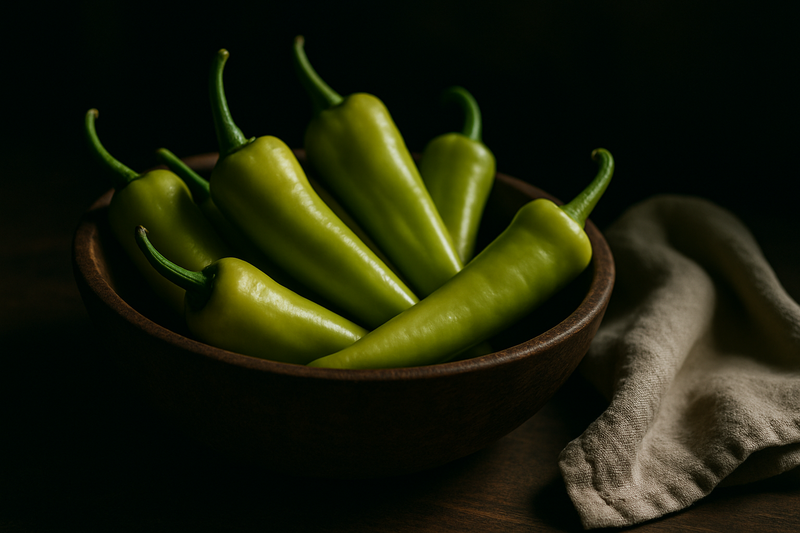
Banana Pepper · Photograph
Discover banana pepper nutrition and health benefits — from vitamin C and fiber to heart health and digestion support. Learn how to use fresh, pickled, and stuffed banana peppers in a whole-food diet.
Key Nutrients
% Daily Value based on 2,000 cal diet
Key active compounds
These are the plant compounds that researchers think are doing most of the work inside banana peppers:
- Capsaicin (low levels): The alkaloid (a naturally occurring nitrogen-containing compound) responsible for the characteristic heat of chili peppers. Banana peppers are very mild — typically 0–500 Scoville Heat Units (SHU) — so capsaicin is present in small amounts only. At higher doses in hotter peppers, capsaicin has been studied for effects on metabolism and pain signaling; those effects are likely minimal here.
- Carotenoids — beta-carotene, lutein, zeaxanthin: Yellow-orange pigment compounds that act as antioxidants. Beta-carotene is a precursor to vitamin A. Lutein and zeaxanthin concentrate in eye tissue and are associated with macular (central vision) protection.
- Flavonoids (quercetin-like compounds): Polyphenols — a large class of plant chemicals with antioxidant and cell-signaling properties — found across the pepper's flesh and skin. They contribute to overall antioxidant capacity and may support vascular health.
- Vitamin C (ascorbic acid): Technically a vitamin but also one of the body's primary water-soluble antioxidants, important for immune defense and collagen (the structural protein in skin and blood vessels) formation.
Prep and pairing ideas
Banana peppers are one of the most versatile mild peppers in the kitchen. Here are three practical pairings and why they work:
1. Banana pepper + chickpeas + tahini wrap The fiber in both the pepper and chickpeas compounds the digestive benefit. The acidic tang of the pepper cuts through tahini's richness, and the vitamin C in the pepper may actually boost the absorption of plant-based iron from the chickpeas (vitamin C enhances non-heme iron absorption).
2. Banana pepper + feta + whole-grain bowl Stuffed or chopped banana peppers pair naturally with creamy, salty feta and hearty grains like farro or brown rice. The potassium in the pepper helps balance the sodium in the feta. Roasting the pepper first deepens its sweetness.
3. Pickled banana pepper rings + avocado toast A few pickled rings add a bright, acidic counterpoint to creamy avocado. The pepper's tangy acidity enhances perceived flavor without needing extra salt. Just watch sodium totals if you are using heavily brined jarred peppers.
Quick prep tips:
- Remove seeds and white pith (the inner membrane) if you want maximum mildness.
- Slice thinly crosswise for pizza or pasta; halve lengthwise for stuffing.
- Rinse pickled peppers under water before using to reduce sodium content by up to 30–40%.
- Store fresh banana peppers unwashed in the crisper drawer for up to 1–2 weeks.
Bottom line
Banana peppers are a genuinely nutritious, very low-calorie vegetable that deserve more credit than they usually get as a pizza or deli sandwich topping. Their most notable claim to nutritional fame is an outstanding vitamin C content — over 100% of your daily need per cup — alongside meaningful fiber, potassium, and a range of antioxidant plant compounds. Evidence for specific health benefits like heart support, blood sugar regulation, and reduced inflammation is largely extrapolated from research on these nutrients and on vegetables broadly, since banana-pepper-specific clinical trials are scarce. That is not unusual for a whole food.
For most people, eating banana peppers regularly — raw, cooked, or pickled in moderation — is a safe, enjoyable, and evidence-consistent way to add color, crunch, and micronutrients to a plant-forward diet. If you have acid reflux, a sensitive gut, or a need to limit sodium, choose fresh over pickled and introduce them gradually.
How Banana Pepper Compares
| Compared with | What's different |
|---|---|
| Banana Pepper vs. Jalapeño | Significantly hotter (2,500–8,000 SHU) with thicker walls and a deep green color. |
| Banana Pepper vs. Yellow Bell Pepper | Sweeter with no heat at all, featuring a wider, bell-like shape rather than a long, tapered point. |
| Banana Pepper vs. Hungarian Wax Pepper | A hotter, wax-coated pepper (5,000+ SHU) that is often confused for the milder banana pepper. |
Health Benefits
Things to Know
Acid reflux or GERD: Peppers — especially in their acidic pickled form — can relax the lower esophageal sphincter (the valve between the esophagus and stomach) or increase acid exposure in some individuals, worsening symptoms.
Irritable bowel syndrome (IBS): Some people with IBS find nightshade vegetables (the broader plant family that includes peppers, tomatoes, and eggplant) trigger bloating or cramping. Individual response varies widely.
Active gastritis or peptic ulcer: Acidic and mildly spicy foods can aggravate an already irritated stomach lining. Fresh raw peppers may be better tolerated than pickled in this case.
Low-sodium diet (hypertension, heart failure, kidney disease): Pickled banana peppers can be a surprising sodium source. Check labels and choose low-sodium jarred versions or use fresh.
Nightshade sensitivity or allergy: Rare, but people with known sensitivity to Solanaceae family plants should exercise caution.
Medications: High-sodium pickled peppers may partially counteract antihypertensive (blood pressure–lowering) medications. People taking proton pump inhibitors or H2 blockers for reflux should monitor whether acidic foods worsen symptoms.
Pregnancy: Banana peppers are safe in food amounts during pregnancy and are a good source of folate, which supports fetal neural tube development. No special restrictions apply.
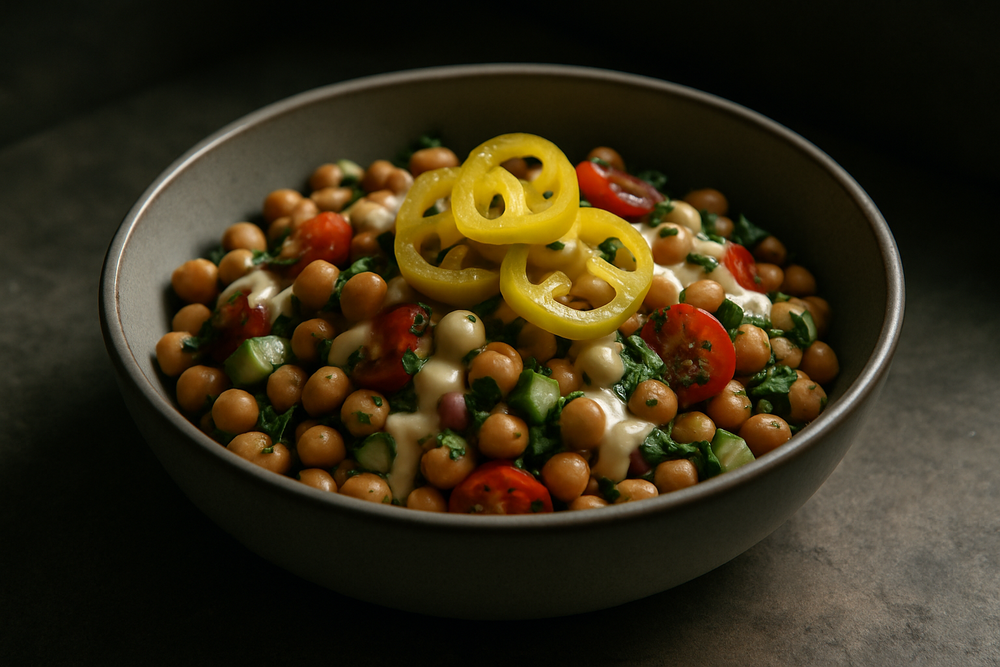
Prep Ideas
- — Remove seeds and white pith (the inner membrane) if you want maximum mildness.
- — Slice thinly crosswise for pizza or pasta; halve lengthwise for stuffing.
- — Rinse pickled peppers under water before using to reduce sodium content by up to 30–40%.
- — Store fresh banana peppers unwashed in the crisper drawer for up to 1–2 weeks.
Glossary
Shop This Ingredient
Stock your pantry with quality banana pepper.
Buy on AmazonAs an Amazon Associate, Plantopedia earns from qualifying purchases. This costs you nothing extra and helps us keep the encyclopedia free.
Frequently Asked Questions
Research on banana peppers specifically is limited — most of the evidence comes from studies on vegetables generally, Capsicum peppers broadly, and specific nutrients that banana peppers happen to be rich in. That is worth keeping in mind as you read. Benefits described below are plausible and evidence-informed, not guaranteed. Heart and circulation Banana peppers contain three nutrients consistently linked to cardiovascular health in large human cohort studies: vitamin C, potassium, and dietary fiber. Vitamin C may help protect LDL cholesterol (the so-called "bad" cholesterol) from oxidation — a key early step in artery-clogging plaque formation. Multiple meta-analyses (studies that pool results from many trials) suggest higher vitamin C intake is associated with lower cardiovascular disease risk. Potassium helps regulate blood pressure by counteracting the vessel-tightening effect of sodium. The Dietary Approaches to Stop Hypertension (DASH) eating pattern emphasizes potassium-rich foods for exactly this reason. Dietary fiber from vegetables is associated with reduced LDL cholesterol and improved blood vessel function in intervention trials. One caveat: if you eat banana peppers primarily in pickled form, the sodium in the brine can partially offset the potassium benefit. Check the label and opt for low-sodium versions if heart health is a priority. Digestive health and microbiome At roughly 4 grams of fiber per cup, banana peppers can make a genuine contribution to the 25–38 grams of daily fiber most adults need but rarely hit. Dietary fiber: Adds bulk to stool, supporting regular bowel movements and reducing constipation Acts as a prebiotic — feeding the beneficial bacteria (the gut microbiome) that play roles in immune function, mood, and metabolism May reduce the risk of diverticular disease and colorectal cancer over the long term, according to prospective cohort data Their high water content (about 92%) also supports hydration and gentle digestive transit. That said, people with irritable bowel syndrome (IBS) or acid reflux (GERD) may find peppers — especially pickled, acidic versions — aggravating. Raw banana peppers are usually gentler than hotter chili varieties. Blood sugar and metabolism Banana peppers are extremely low in carbohydrates (roughly 6–7 grams per cup) and high in fiber, giving them a very low glycemic index — meaning they are unlikely to cause rapid blood sugar spikes. Adding fiber-rich, low-energy vegetables like banana peppers to meals can slow the absorption of carbohydrates from other foods, potentially supporting steadier blood glucose levels throughout the day. Studies on capsaicin in hotter peppers suggest it may improve insulin sensitivity and post-meal glucose response, but because banana peppers contain only trace capsaicin, these effects cannot be assumed here. Inflammation and recovery Chronic low-grade inflammation — a persistent, low-level activation of the immune system — is a recognized driver of many chronic diseases. The vitamin C and carotenoids in banana peppers are well-established antioxidants that help neutralize free radicals (unstable molecules that can damage cells and trigger inflammatory cascades). Human studies link higher dietary intake of vitamin C and carotenoids to lower markers of inflammation such as C-reactive protein (CRP). The flavonoids in banana peppers may contribute additional anti-inflammatory signaling, though banana-pepper-specific trial data do not yet exist.
Are banana peppers spicy? No, not meaningfully. On the Scoville scale (the standard measure of pepper heat), banana peppers register 0–500 SHU. For comparison, jalapeños range from 2,500–8,000 SHU. Most people describe banana peppers as tangy rather than hot — the flavor is often more acidic than spicy, especially when pickled. Does the form you eat them in change the nutritional value? Raw and fresh — Best for vitamin C (heat-sensitive) and crunch. Add to salads, sandwiches, and grain bowls. Roasted or sautéed — Modest vitamin C loss during cooking, but other nutrients like carotenoids become slightly more bioavailable (easier for the body to absorb) with light heat. Great for stuffed pepper dishes or pasta. Pickled (jarred) — Convenient and still provides fiber and some vitamins, but sodium content can range from 200–500 mg per serving depending on the brand. Worth checking the label if you are sodium-conscious. The vinegar brine is acidic and may irritate sensitive stomachs. Frozen — Nutritional profile is close to fresh; texture softens after thawing, making them better suited for cooked applications.
The vitamin C seeker Eating fresh or frozen banana peppers regularly can help people who rarely eat citrus or other vitamin C–rich foods hit their daily target. Particularly relevant for smokers (who deplete vitamin C faster), older adults, and people recovering from illness or surgery who have higher collagen-repair needs. One cup covers the whole day's recommendation in a single serving. The low-calorie, high-fiber eater At only 33 calories per cup with 4+ grams of fiber, banana peppers are an ideal volume food — they take up plate space and support satiety without adding significant energy. Useful for people managing weight, blood sugar, or simply trying to eat more vegetables without dramatically changing their calorie intake. Their mild flavor means they pair with almost any dish without dominating it.
There is no established upper limit for banana pepper intake — they are a whole vegetable food with a strong safety record. That said, some practical guidance: Culinary amounts: 1–2 whole medium peppers (roughly 30–60 g) or up to 1 cup sliced (about 124 g) per day is a common range in studies of vegetable-rich diets. Start lower if you have a sensitive stomach: Even though banana peppers are mild, their acidity and fiber can cause transient bloating or discomfort if you dramatically increase vegetable intake all at once. Add them gradually. Pickled forms: If you rely on jarred pickled banana peppers, consider capping intake at 2–4 tablespoons (a few rings) per meal to keep sodium in check. No supplement needed: Banana peppers are best consumed as whole food. There is no concentrated banana pepper extract or supplement with meaningful evidence behind it. Looking for more guidance on building vegetable-rich meals around specific health goals? Browse the Plantopedia goals hub for structured eating approaches.
Quick Answers
Common questions, answered in a line.
Banana peppers are exceptionally high in vitamin C, providing over 100% of your daily requirement in just one cup. This high concentration of ascorbic acid acts as a primary antioxidant to support immune defense and collagen formation in the skin and blood vessels.
Yes, banana peppers are considered very mild with a Scoville Heat Unit (SHU) rating typically between 0 and 500. While they contain small amounts of the alkaloid capsaicin, they lack the intense heat found in most other chili pepper varieties.
Banana peppers can benefit eye health because they contain the carotenoids lutein and zeaxanthin. These specific plant pigments concentrate in eye tissue and are associated with protecting central vision and the macula.
Fresh banana peppers are generally better for those on low-sodium diets, as pickled versions can be a significant source of salt. If using jarred peppers, you can reduce their sodium content by 30–40% by rinsing them under water before consumption.
Eating banana peppers alongside iron-rich foods like chickpeas can improve the absorption of plant-based (non-heme) iron. This occurs because the high vitamin C content in the peppers enhances the body's ability to uptake iron from legumes and grains.
Banana peppers may worsen symptoms for individuals with acid reflux or GERD because they can relax the lower esophageal sphincter. The acidic nature of pickled banana peppers, in particular, may increase acid exposure and aggravate the stomach lining.
Store fresh, unwashed banana peppers in the crisper drawer of your refrigerator to keep them fresh for one to two weeks. For the best flavor and texture, avoid washing them until you are ready to use them in a meal.
For Readers in the USA
Local context — sourcing, seasonality, and regional notes.
Banana peppers grow best in USDA zones 3–11, with peak harvest occurring from mid-summer through early fall across the United States. These peppers thrive in warm weather and are commonly cultivated in states with long growing seasons like California, Florida, and throughout the Midwest.
You can find fresh banana peppers at most major U.S. grocery chains like Kroger, Publix, and Safeway, while pickled varieties are staples in the condiment aisle nationwide. Look for them at local farmers markets between July and September for the freshest, locally-grown options.
Banana peppers are frequently confused with Hungarian Wax peppers in U.S. markets, though the latter are significantly spicier. While they look nearly identical, the banana pepper is a sweet variety, whereas the Hungarian Wax pepper can reach up to 10,000 Scoville units.
Banana peppers are a staple of American "sub shop" culture, traditionally served pickled as a tangy topping for Italian-style deli sandwiches and pizzas. They are also a popular choice in the South and Midwest for home-canning and stuffing with sausage or cream cheese.
AI Clinical Review
- Accurately frames banana peppers as a mild Capsicum annuum option that’s easy to eat regularly—useful for building vegetable intake.
- Nutrition snapshot aligns with standard databases: very high vitamin C for minimal calories, plus meaningful fiber, potassium, and some B vitamins.
- Cardiovascular discussion is evidence-consistent: potassium and fiber support blood pressure and lipids, and the sodium caveat for pickled forms is appropriate (fits with DASH-style guidance).
- Digestive benefits are plausibly tied to fiber and water content, with a sensible note that acidic/pickled peppers can aggravate reflux in some people.
- Preparation differences are explained well: raw preserves heat‑sensitive vitamin C; light cooking can aid carotenoid absorption; pickled forms trade convenience for added sodium.
- Direct studies on banana peppers are scarce; most health claims extrapolate from broader vegetable, fiber, and vitamin C research rather than pepper‑specific trials.
- Metabolic effects attributed to capsaicin largely come from hotter peppers and higher doses; given banana peppers’ very low heat, these effects are likely minimal.
- Anti‑inflammatory language rests on nutrient markers (for example, lower C‑reactive protein [CRP], a blood marker of inflammation) rather than clinical outcomes tied specifically to banana pepper intake.
- Blood sugar steadiness is plausible due to low carbs and fiber, but randomized trials testing banana peppers within mixed meals are lacking.
- Practical intake: 1 cup sliced (or 1–2 peppers) per day is a reasonable food amount within overall vegetable goals; there’s no established upper limit for typical culinary use.
- Form matters: jarred/pickled peppers can be high in sodium—rinsing helps, but label reading is key if you manage hypertension, heart, or kidney disease.
- Sensitive GI conditions (GERD/reflux, IBS, active gastritis/ulcer): start with small amounts, favor fresh over pickled, and follow personal tolerance.
- Rare nightshade allergy/sensitivity can occur. Pregnancy is fine in normal food amounts. Those on blood pressure medications should be mindful that high‑sodium pickled foods can counteract treatment goals.
Very safe; usually very mild.
References
- USDA FoodData Central — Pepper, banana, raw (ID 169394): Nutrition data reference for all macro and micronutrient values on this page. (fdc.nal.usda.gov)
- MyPlate — Vegetables food group guidance: U.S. government guidance on daily vegetable intake and health benefits. (myplate.gov)
- WebMD — Health Benefits of Banana Peppers: Overview of banana pepper nutritional profile and potential benefits. (webmd.com)
- Pepperscale — Banana Pepper Nutrition: Detailed breakdown of banana pepper nutrients and comparison to other peppers. (pepperscale.com)
- NIH Office of Dietary Supplements — Vitamin C Fact Sheet: Evidence summary for vitamin C functions, immune support, and cardiovascular associations. (ods.od.nih.gov)
- NIH Office of Dietary Supplements — Potassium Fact Sheet: Evidence on potassium and blood pressure regulation. (ods.od.nih.gov)
- Reynolds et al., 2019 (The Lancet) — Carbohydrate quality and human health: Large meta-analysis linking higher dietary fiber intake to reduced cardiovascular disease, type 2 diabetes, and colorectal cancer risk. (doi.org31809-9)
- Aune et al., 2017 (International Journal of Epidemiology) — Fruit and vegetable intake and health outcomes: Dose-response meta-analysis of fruit and vegetable intake and chronic disease risk in human cohort studies. (doi.org)
- Wikipedia — Banana pepper: General overview of history, varieties, and culinary uses. (en.wikipedia.org)
Know Your Numbers
Eating healthy is a start. Now get to know your biomarkers.
Food changes bloodwork — inflammation, lipids, blood sugar and nutrient status all respond to what you eat. 59 markers from $59.
- Results in 7–10 days at 2,000+ Quest sites
- Licensed provider reviews every result
- One flat price, no membership, HSA/FSA eligible
Educational information only, not medical advice. Panels are ordered and reviewed through our licensed partner; Plantopedia may earn a commission.