Kabocha Squash — health benefits and uses
A staple warming winter vegetable in Japanese home cooking.
The Short Answer
Kabocha squash is a nutrient-dense winter squash with a sweet, chestnut-like flavor and edible skin. It is high in beta-carotene for eye health and provides 3 grams of fiber and 241 mg of potassium per serving.
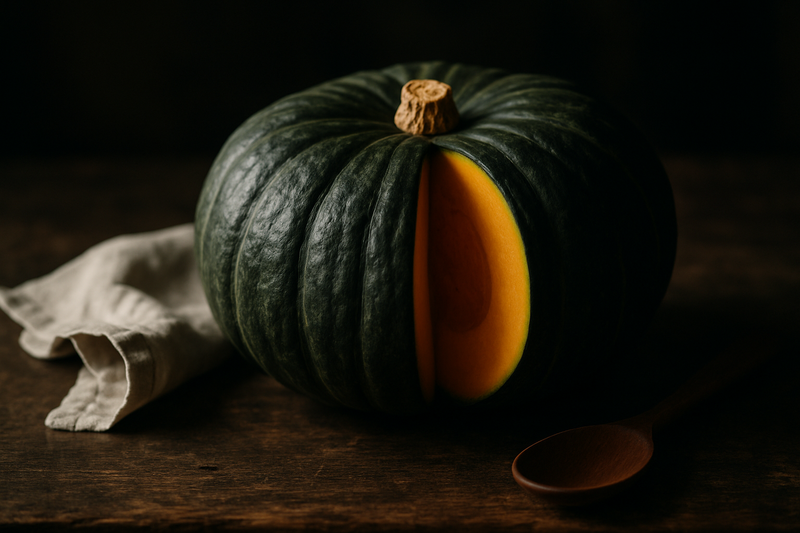
Kabocha Squash · Photograph
Discover the kabocha squash health benefits backed by nutrition science — from heart and digestive support to blood sugar balance and immune function. Includes nutrition facts, cooking tips, and safety notes for everyday eating.
Key Nutrients
% Daily Value based on 2,000 cal diet
Key active compounds in kabocha squash
- Beta-carotene — The pigment that turns the flesh orange. A provitamin A carotenoid (meaning the body converts it into vitamin A as needed). Acts as an antioxidant and supports vision, skin, and immune barriers.
- Mixed carotenoids — Including lutein and related fat-soluble pigments that may help protect against age-related eye changes when eaten regularly as part of a colorful diet.
- Vitamin C — A water-soluble antioxidant that supports immune defenses, collagen production (the protein that holds skin and joints together), and helps the body absorb non-heme iron (the form found in plant foods).
- Flavonoids and polyphenols — Broad class of plant compounds that help neutralize free radicals (unstable molecules that can damage cells) and support vascular function.
- Dietary fiber — Both soluble fiber (which can slow digestion and blunt blood sugar spikes) and insoluble fiber (which adds bulk to stool and supports regularity).
Prep and pairing ideas
Kabocha's dense sweetness and earthy depth make it adaptable across cuisines. Here are three practical pairings worth trying:
Kabocha + miso + ginger — The classic Japanese combination. Simmer cubed kabocha in a light dashi or vegetable broth with white miso and a slice of fresh ginger. The miso adds umami depth and the ginger brightens the sweetness. Nutritionally, you get the fiber and beta-carotene of the squash alongside the probiotics and minerals in miso.
Kabocha + black beans + lime — Roast kabocha cubes and toss with cooked black beans, lime juice, cilantro, and a pinch of cumin. The beans add protein and additional fiber, making this a complete, low-calorie plant-based meal with complementary amino acid profiles.
Kabocha + tahini + pomegranate — Roast kabocha wedges and drizzle with tahini (sesame paste) thinned with lemon juice, then scatter with pomegranate seeds. The sesame fat boosts carotenoid absorption, and the pomegranate adds a polyphenol hit with bright visual contrast.
Prep tip: Kabocha's tough raw skin can make cutting it feel risky. Microwave the whole squash for 3–4 minutes first to slightly soften it before cutting — this makes slicing much safer and easier.
Bottom line
Kabocha squash is a nutritionally dense, low-calorie whole plant food with a genuinely satisfying flavor and texture. Its beta-carotene, fiber, potassium, and vitamin C content align it with dietary patterns that human research consistently links to better cardiovascular, digestive, and immune health. No kabocha-specific clinical trials exist, so claims should stay grounded in its nutrient profile and the broader evidence on orange vegetables and high-fiber diets — both of which are robust.
For most people, kabocha is a very safe vegetable to eat regularly. Those managing diabetes, kidney disease, or taking potassium-affecting medications should factor it into their individual eating plans with appropriate guidance.
How Kabocha Squash Compares
| Compared with | What's different |
|---|---|
| Kabocha Squash vs. Butternut Squash | Kabocha has a drier, fluffier texture and edible skin, whereas Butternut is creamier and must be peeled. |
| Kabocha Squash vs. Pumpkin | Kabocha is significantly sweeter and starchier, with a flavor profile closer to a roasted chestnut. |
Health Benefits
Things to Know
Diabetes or insulin resistance: Kabocha is a starchy vegetable. It is lower in calories than most starches, but still contributes carbohydrates to your total daily intake. Count it in your carbohydrate plan and monitor your response.
Chronic kidney disease or potassium-restricted diets: Kabocha provides meaningful potassium. If your doctor or dietitian has asked you to limit dietary potassium, factor kabocha into your daily totals.
Cucurbit allergy: Kabocha belongs to the same plant family as pumpkin, zucchini, and cucumber (Cucurbitaceae). If you have a known allergy to other squash or cucumbers, introduce kabocha cautiously.
Potassium-sparing diuretics, ACE inhibitors, and ARBs: These medications can raise blood potassium levels. People on these drugs should follow their doctor's guidance on overall potassium intake from vegetables including kabocha.
IBS or sensitive digestion: Increasing fiber quickly can cause gas or bloating. Start with a smaller portion and increase gradually over a couple of weeks.
High-fiber meals and oral medications: Large increases in dietary fiber may modestly affect how quickly some medications are absorbed. Space significant high-fiber meals away from time-sensitive medications if your pharmacist has recommended this.
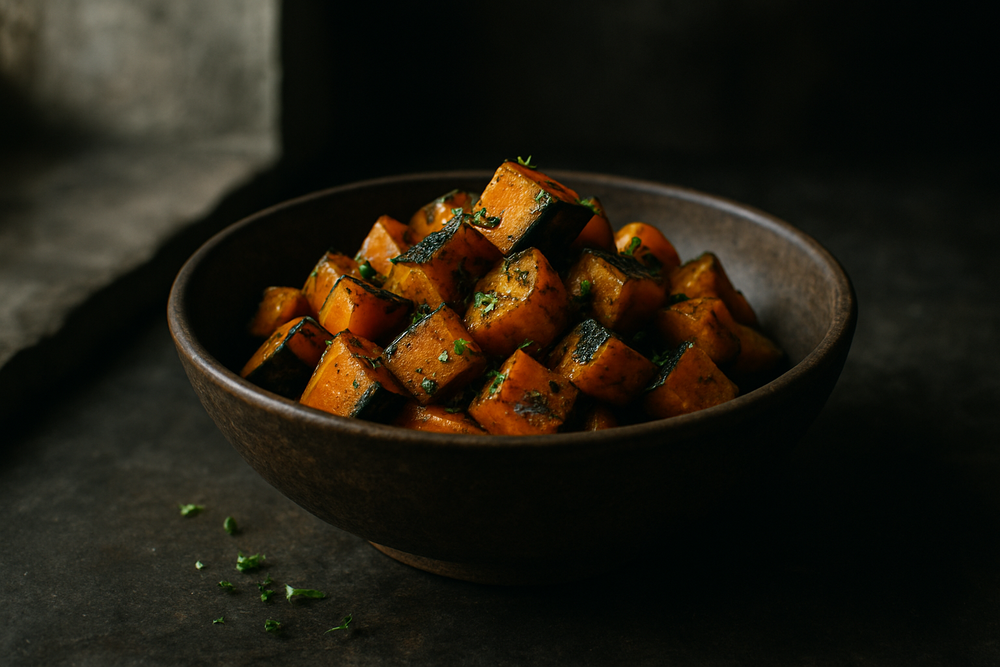
Glossary
Shop This Ingredient
Stock your pantry with quality kabocha squash.
Buy on AmazonAs an Amazon Associate, Plantopedia earns from qualifying purchases. This costs you nothing extra and helps us keep the encyclopedia free.
Frequently Asked Questions
It's worth being upfront: there are no large clinical trials that tested kabocha squash specifically as a health intervention. What exists is strong, consistent evidence on the nutrients kabocha contains — particularly beta-carotene, dietary fiber, potassium, and vitamin C — and what those nutrients do in the human body at population scale. The sections below draw on that evidence. Heart and circulation Kabocha delivers meaningful potassium (241 mg per 100 g) with virtually no sodium or saturated fat. Decades of human dietary research, including large cohort studies and controlled intervention trials, show that increasing potassium-rich vegetables while reducing sodium intake is associated with lower blood pressure and reduced cardiovascular risk. Kabocha works as a component of that pattern rather than as a standalone heart drug. Swapping a salty, high-fat side dish for roasted kabocha is the kind of substitution heart-healthy eating guidelines actively encourage. Digestive health and gut microbiome Three grams of fiber per 100 g serving adds up quickly when you eat a generous portion. Dietary fiber from whole vegetables feeds beneficial gut bacteria (the microbiome), adds bulk to stool, and helps keep bowel movements regular. Human studies on high-fiber vegetable diets consistently link them to reduced constipation, better gut microbial diversity, and lower risk of colorectal issues over time. Kabocha's fiber is gentle enough for most people, especially when introduced gradually. Blood sugar and metabolism Kabocha is a starchy vegetable, which means it does contain carbohydrates — but it pairs those carbohydrates with fiber and very little fat, producing a more gradual effect on post-meal blood sugar than refined grains or processed snacks. Research on low-energy-density, high-fiber diets consistently supports better glycemic control and weight management. That said, people managing diabetes should still count kabocha as a starchy vegetable within their carbohydrate plan. It is helpful — it is not carbohydrate-free. Inflammation and recovery Beta-carotene and vitamin C are both antioxidants, meaning they help mop up free radicals before they can trigger cellular damage. Observational studies of populations eating more colorful vegetables consistently show lower levels of circulating inflammatory markers. The evidence here is associations, not direct cause-and-effect from kabocha specifically, but eating more orange and yellow vegetables is one of the most repeated and consistent dietary patterns linked to lower chronic inflammation in large human studies. Immune support and eye health Vitamin A — which the body makes from kabocha's beta-carotene — is essential for maintaining the mucosal barriers in your nose, throat, and gut that act as a first line of defense against pathogens. It is also required for normal vision in low light. One 100 g serving of kabocha provides about 29% of the recommended daily intake for vitamin A, making it an easy, whole-food route to meeting that requirement without supplements. Vitamin C adds a second layer of immune support by helping immune cells work more efficiently.
Home cooks looking to add variety to vegetable-rich meals A genuinely sweet, satisfying texture that works in both savory and slightly sweet dishes Low calorie density helps increase portion satisfaction without overloading calories Edible skin means less prep waste and more fiber per serving People working on heart health or weight management Replaces higher-calorie, higher-sodium sides naturally Fiber and water content support fullness between meals Potassium content aligns with heart-healthy dietary patterns recommended by major nutrition bodies
The healthiest preparations keep added fat, sodium, and sugar minimal while making the most of kabocha's natural flavor. Roasting is the most popular method: cut into wedges or cubes, toss with a small amount of olive oil, and roast at around 200°C (400°F) for 25–35 minutes until tender and caramelized. A little fat actually increases carotenoid absorption — beta-carotene is fat-soluble, meaning it needs some fat present in the meal to be absorbed efficiently. Simmering in broth (Japanese nimono style) softens the flesh beautifully and allows the skin to become fully tender and edible. Keeping sodium low in the broth maximizes the heart-health benefit. Steaming or baking whole preserves the most water-soluble nutrients like vitamin C, which can leach out into cooking water. Tempura and deep-frying are traditional and delicious but add substantial calories from oil — fine occasionally, not ideal as the everyday preparation if managing weight or cardiovascular risk. Can you eat kabocha squash skin, and is it good for you? Yes — once cooked thoroughly, the skin softens completely and is fully edible. Eating the skin adds additional fiber and phytochemicals that would otherwise be discarded. Most people find roasted or simmered kabocha skin perfectly palatable once the squash is soft through to the center. Raw kabocha skin is very tough and not enjoyable to eat.
There is no established therapeutic dose for kabocha squash because it is a whole food, not a supplement. USDA dietary guidelines recommend adults eat 2½ to 3 cups of vegetables per day, with a weekly emphasis on red and orange vegetables — the group kabocha belongs to. A practical and realistic serving is ½ to 1 cup of cooked kabocha (roughly 85–150 g) eaten several times per week as part of varied meals. If you are new to kabocha or are significantly increasing your vegetable intake overall, starting with smaller portions (½ cup) and building up gives your digestive system time to adapt to the additional fiber without discomfort. There is no evidence that eating kabocha daily is harmful for most healthy adults. Its very low calorie density and broad nutrient profile make it a sensible everyday vegetable.
Quick Answers
Common questions, answered in a line.
Kabocha squash is rich in beta-carotene, vitamin C, dietary fiber, and various antioxidants like flavonoids and polyphenols. These compounds work together to support immune function, skin health, and digestive regularity while helping to neutralize cell-damaging free radicals.
To make cutting a tough kabocha squash safer and easier, microwave the whole squash for 3 to 4 minutes to soften it. This simple prep step makes the dense rind much easier to slice through before roasting or simmering.
Kabocha squash supports heart health through its content of potassium, dietary fiber, and polyphenols that support vascular function. Fiber helps manage cholesterol levels, while potassium is an essential mineral for maintaining healthy blood pressure.
People with chronic kidney disease or those taking potassium-sparing medications should monitor their kabocha intake due to its high potassium content. Additionally, individuals with diabetes should account for its carbohydrate content, and those with IBS should increase fiber intake gradually.
Kabocha squash contains lutein and beta-carotene, which are fat-soluble pigments known to support vision and protect against age-related eye changes. These carotenoids are converted by the body into vitamin A, which is essential for maintaining healthy eyes and immune barriers.
Kabocha squash is a starchy vegetable that provides dietary fiber, which can help slow digestion and blunt blood sugar spikes. While it is lower in calories than many other starches, people with insulin resistance should still count its carbohydrates as part of their daily meal plan.
Pairing kabocha squash with healthy fats like tahini (sesame paste) helps your body better absorb its fat-soluble carotenoids. Other healthy pairings include miso and ginger for probiotics, or black beans and lime for a complete, fiber-rich plant-based meal.
For Readers in the USA
Local context — sourcing, seasonality, and regional notes.
In the U.S., kabocha squash is typically in season from late summer through early winter, with the peak harvest occurring between September and December. While many varieties are grown in California and the Pacific Northwest, their thick rinds allow them to be stored and sold in grocery stores nationwide well into the spring.
You can find kabocha squash at major U.S. retailers like Whole Foods Market, Trader Joe's, and Safeway, as well as at local farmers markets and H Mart or other Asian grocery stores. Because it has grown in popularity, many conventional supermarkets now stock it alongside butternut and acorn squash during the fall months.
Kabocha squash is frequently referred to as "Japanese pumpkin" in U.S. supermarkets and at American farmers markets. While the green-skinned variety is most common in the States, you may also encounter a bright orange-skinned version known as Sunshine or Red Kuri squash in specialty produce sections.
Look for the USDA Organic seal on kabocha squash to ensure it was grown without synthetic fertilizers or pesticides, though both conventional and organic varieties offer similar fiber and beta-carotene levels. The FDA classifies all winter squash as a nutrient-dense vegetable, encouraging its consumption as part of a diet to reduce the risk of chronic disease.
AI Clinical Review
- Clearly explains that kabocha is a low-calorie, fiber- and potassium-containing winter squash rich in provitamin A carotenoids, aligning with guidance to eat more red and orange vegetables.
- Appropriately frames benefits as part of an overall dietary pattern rather than disease treatment, with practical cooking tips (e.g., a little oil helps carotenoid absorption, skin is edible once cooked).
- Sensibly addresses blood sugar by noting kabocha is a starchy vegetable that should be counted in carbohydrate plans, while its fiber supports gentler post-meal glucose rises.
- Highlights realistic servings and preparation methods that limit added sodium and saturated fat, reinforcing heart-health goals.
- There are no clinical trials on kabocha itself; most health claims are extrapolated from its nutrients and from broader vegetable-focused research.
- Antioxidant and anti-inflammatory effects are largely based on observational data or biomarker changes, not hard clinical endpoints specific to kabocha.
- Conversion of beta-carotene to vitamin A varies by genetics, health status, and meal composition, so the actual vitamin A delivered can differ person to person.
- Fiber supports a healthy microbiome, but specific gut microbiota changes from kabocha have not been mapped in controlled studies.
- Practical intake: 1/2–1 cup cooked per serving fits well for most adults; if you track carbs for diabetes, count kabocha as a starch and monitor your response.
- Potassium caution: people with chronic kidney disease or those taking ACE inhibitors, ARBs, or potassium-sparing diuretics should factor kabocha’s potassium into daily totals and follow clinician guidance.
- Digestive sensitivity: if you have IBS or are increasing fiber, build up portions gradually; the cooked skin is nutritious but can be omitted at first if it bothers you.
- Medication timing: very high-fiber meals can modestly affect absorption of certain drugs; separate time-sensitive medications when your clinician or pharmacist advises it.
Very safe; tough skin softens fully when cooked.
References
- USDA FoodData Central — primary nutrition database for all macronutrient and micronutrient data (fdc.nal.usda.gov)
- USDA MyPlate — dietary guidance on red and orange vegetables, including winter squash (myplate.gov)
- WebMD — overview of kabocha squash health benefits (webmd.com)
- Nutrition-and-you.com — detailed kabocha nutrient profile including carotenoid and vitamin data (nutrition-and-you.com)
- Dr. Axe / Nutrition review — kabocha squash nutrition and digestion overview (draxe.com)
- HealthCastle — squash health benefits and cooking guidance (healthcastle.com)
- Zest Nutrition Service — USDA-referenced nutrient summary for kabocha squash (zestnutritionservice.com)
- StyleCraze — USDA-aligned kabocha nutrition breakdown (stylecraze.com)
- University of Hawaii at Manoa Hawaii Foods — regional food facts entry for kabocha squash (manoa.hawaii.edu)
Know Your Numbers
Eating healthy is a start. Now get to know your biomarkers.
Food changes bloodwork — inflammation, lipids, blood sugar and nutrient status all respond to what you eat. 59 markers from $59.
- Results in 7–10 days at 2,000+ Quest sites
- Licensed provider reviews every result
- One flat price, no membership, HSA/FSA eligible
Educational information only, not medical advice. Panels are ordered and reviewed through our licensed partner; Plantopedia may earn a commission.