Habanero — health benefits and uses
Used in tropical folk tradition as a warming, circulation-boosting food.
The Short Answer
Habanero peppers are highly nutritious, providing 19 mg of vitamin C and significant capsaicinoids that may support metabolism and heart health. Their intense heat comes from capsaicin, which is concentrated in the inner white membrane.
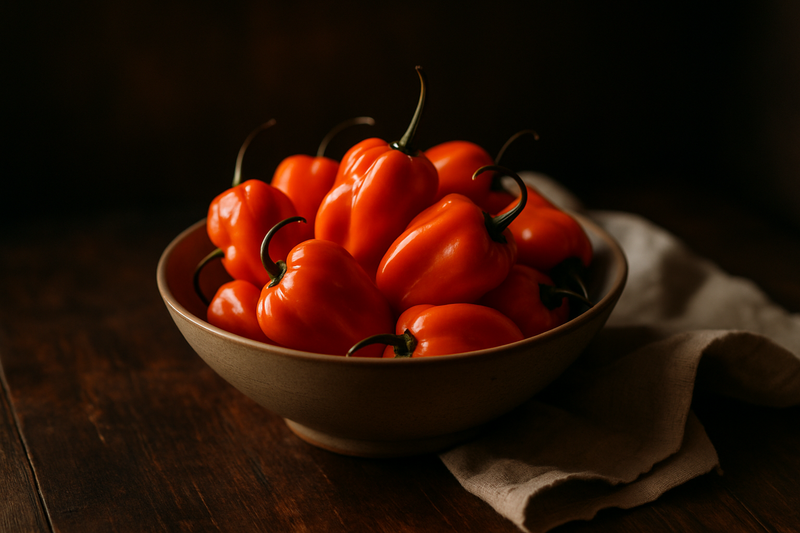
Habanero · Photograph
Discover the habanero pepper health benefits and side effects, from capsaicin-driven metabolism support and heart health to digestive cautions and safe daily amounts. Evidence-aligned, layperson-friendly guide.
Key Nutrients
% Daily Value based on 2,000 cal diet
Key active compounds
- Capsaicin and capsaicinoids — Alkaloid (nitrogen-containing plant compound) responsible for heat; activates TRPV1 receptors; drives most of the studied metabolic, cardiovascular, and anti-inflammatory effects.
- Carotenoids (beta-carotene, capsanthin) — Fat-soluble pigments that give habanero its orange-red colour; converted partly to vitamin A in the body; function as antioxidants (compounds that neutralise cell-damaging free radicals).
- Vitamin C (ascorbic acid) — Water-soluble antioxidant and essential cofactor for collagen synthesis and immune defence; habanero is among the highest dietary sources per gram.
- Polyphenols (quercetin, apigenin, luteolin) — Plant phenolic compounds present in modest amounts; contribute to antioxidant capacity and may influence inflammatory pathways.
- Vitamin B6 (pyridoxine) — Water-soluble B vitamin involved in amino acid metabolism and neurotransmitter production.
Prep and pairing ideas
Habanero's fruity heat works best when balanced with sweetness, acidity, or fat. Here are three tried-and-tested culinary pairings:
1. Habanero + mango (or pineapple): The fruit's natural sugars and acidity tame the heat and complement the pepper's own tropical, apricot-like fruitiness. Classic in Caribbean-style hot sauces and marinades for grilled vegetables or tofu. The vitamin C from both ingredients together is genuinely impressive.
2. Habanero + black beans and citrus: A few thin slices of habanero stirred into black bean stew with lime juice creates a smoky, spicy base that is a staple across Yucatán-style cooking. The fibre from the beans also helps slow capsaicin's transit through the gut, reducing the likelihood of irritation.
3. Habanero + coconut milk: Fat binds to capsaicin molecules (capsaicin is fat-soluble, not water-soluble — that's why water doesn't relieve the burn but milk does). A Caribbean-style curry or coconut-based sauce with a small amount of habanero gives complex heat without overwhelming the dish.
Handling tip: Remove the seeds and white inner membrane (the placenta) to significantly reduce heat while keeping the flavour. The membrane contains the highest concentration of capsaicin in the pepper.
Bottom line
The habanero pepper is far more than a heat challenge. It is genuinely nutrient-dense — especially for vitamin C and carotenoids — and its capsaicin content links it to a credible body of research on metabolism, cardiovascular markers, and anti-inflammatory pathways. The catch is that most of this research used standardised capsaicin extracts or mixed chili peppers, not habaneros eaten as food, so the benefits for everyday culinary use are plausible but not yet directly proven.
Is habanero pepper good for you? For healthy adults who enjoy spicy food, yes — used sparingly in habanero hot sauce and Caribbean-style marinades, it adds a burst of antioxidants and capsaicin with essentially zero calories. The risks are real but manageable: wear gloves, start with tiny amounts, and skip it if you have a sensitive gut. Think of habanero as a high-intensity spice that rewards respect and moderation.
How Habanero Compares
| Compared with | What's different |
|---|---|
| Habanero vs. Jalapeño | Significantly hotter (100k–350k SHU) with a fruity, apricot-like aroma. |
| Habanero vs. Cayenne Pepper | A different species (C. annuum) with thinner walls and a more neutral, earthy heat. |
| Habanero vs. Bell Pepper | Larger, milder (0–500 SHU) fruit with zero spice and higher water content. |
Health Benefits
Things to Know
Always wear gloves: when handling fresh habaneros. The capsaicin oils penetrate skin quickly and can cause intense burning that lasts hours. Never touch your eyes, nose, or lips after handling, even after washing hands.
GI conditions: People with GERD, gastritis, peptic ulcer disease, IBS, hemorrhoids, or inflammatory bowel disease should avoid or strictly limit habanero, as it commonly worsens symptoms.
Pregnancy and breastfeeding: Small culinary amounts are generally considered low risk, but habanero can worsen reflux (very common in pregnancy) and should be used in moderation.
Children: More sensitive to capsaicin's effects; very hot peppers are not appropriate for young children.
Blood pressure medications: Capsaicin may modestly lower blood pressure; if you take antihypertensive drugs, large amounts of very hot chili could have additive effects. Standard culinary use is unlikely to be an issue.
Diabetes medications: Capsaicin may influence postprandial (after-meal) glucose. If you're on insulin or oral hypoglycemics, be aware that concentrated capsaicin products could interact with glycemic control.
Topical capsaicin therapies: If you're using prescription capsaicin patches or creams (e.g., for neuropathy), avoid significantly increasing dietary capsaicin without medical guidance.
Start small: If you're unused to hot peppers, begin with a tiny amount — 1/8 of a small pepper — and build up tolerance gradually.

Glossary
Shop This Ingredient
Stock your pantry with quality habanero.
Buy on AmazonAs an Amazon Associate, Plantopedia earns from qualifying purchases. This costs you nothing extra and helps us keep the encyclopedia free.
Frequently Asked Questions
Heart and circulation Small human trials and observational studies on chili pepper intake suggest that regular capsaicin consumption may help lower total and LDL (low-density lipoprotein, or "bad") cholesterol without reducing HDL ("good") cholesterol, and may support healthier blood pressure. One short-term intervention referenced in secondary sources reported improved cholesterol markers with capsaicinoid supplementation over six weeks, though sample sizes were small and the study used standardised capsaicin doses rather than whole habanero. Capsaicin's TRPV1 activation also appears to inhibit platelet aggregation (the clumping of blood cells that can contribute to clots) and may support healthy blood vessel function. These are promising signals for habanero heart health and blood pressure, but they are not yet strong enough to replace proven cardiovascular interventions like diet, exercise, or prescribed medications. Digestive health and microbiome This is where habanero becomes a double-edged sword. In small amounts, capsaicin may stimulate saliva production, increase gastric motility (the speed food moves through the stomach), and promote digestive secretions. Some traditional medicine traditions have long used hot chili peppers as digestive aids. However, habanero pepper effects on digestion and stomach are strongly dose-dependent. Too much capsaicin can irritate the lining of the oesophagus, stomach, and intestines, leading to burning pain, bloating, and diarrhea. If you have gastritis, GERD (gastroesophageal reflux disease), or irritable bowel syndrome (IBS), very hot peppers like habanero are more likely to cause flares than benefits. Blood sugar and metabolism Research into habanero pepper blood sugar and diabetes links draws primarily from capsaicin studies showing reduced post-meal blood glucose spikes and lower insulin surges in small human trials. The proposed mechanism involves capsaicin slowing glucose absorption and improving insulin sensitivity — the body's ability to respond to insulin effectively. Evidence is preliminary and not habanero-specific, so habanero should be viewed as a supportive dietary spice rather than a blood sugar therapy. Inflammation and recovery Capsaicin's anti-inflammatory effects are well established in one specific context: topical pharmaceutical capsaicin creams and patches used for arthritis pain, diabetic neuropathy, and migraines. These products use concentrated, standardised doses far higher than what you'd get from eating habanero. At a dietary level, habanero's combination of capsaicin, vitamin C, and carotenoids contributes to the body's antioxidant defences, which are associated with lower levels of chronic, low-grade inflammation. This is biologically plausible, but direct clinical trials on eating habanero and inflammatory markers haven't been done. Consider habanero anti-inflammatory benefits at the culinary level as supportive rather than therapeutic. Metabolism and weight management This is arguably the best-supported benefit of the capsaicin family. Meta-analyses (studies that pool results from multiple trials) of chili and capsaicin research consistently show that capsaicin increases thermogenesis — the body's heat-producing, calorie-burning process — and fat oxidation. Estimates suggest capsaicin supplementation may increase energy expenditure by 5–16%, potentially burning an additional 50–100 calories per day. The habanero pepper benefits for metabolism and weight loss angle is plausible because habanero has among the highest capsaicin concentrations of any common culinary pepper. That said, most trials used capsaicin capsules, not whole peppers eaten in food, so direct translation is uncertain. Habanero is a useful spice to include in a balanced diet, not a magic weight-loss ingredient.
Buying guide Fresh habanero is the most common form and delivers the full spectrum of capsaicin, vitamins, and flavour. Look for firm peppers with smooth, taut skin and a vibrant orange, red, or yellow colour (depending on variety). Avoid soft spots or shrivelled skin. Fresh habaneros keep in the fridge for 1–2 weeks or can be frozen whole. Dried or powdered habanero concentrates capsaicin and flavour — use roughly ¼ teaspoon of powder to substitute for one fresh pepper. Useful in spice rubs and dry marinades. Check the label: pure habanero powder should list only dried chili as the ingredient, with no fillers or added salt. Hot sauces and pastes made with habanero are the most accessible format, especially for those new to the heat. The vinegar or fruit base dilutes the capsaicin, making dosing easier. Choose products where habanero appears as a named ingredient rather than a generic "chili pepper" blend if you want to ensure you're getting the real thing. Capsaicin supplements are not habanero-specific and are typically derived from mixed chili extracts. If you're interested in the therapeutic doses studied in clinical trials, discuss standardised capsaicin products with a healthcare provider rather than scaling up your habanero intake.
There is no established official daily recommended intake for habanero specifically. Human trials on capsaicin have used standardised doses typically equivalent to the capsaicin in roughly 1–3 g of dried habanero per day. In culinary terms, that translates to approximately ¼ to 1 fresh habanero pepper per dish, consumed a few times a week rather than daily if you are not accustomed to the heat. Start low and go slow: If you've never eaten habanero before, begin with a sliver — 1/8 of a small pepper — mixed into a large dish, and assess your tolerance over several days. Many regular chili eaters build significant tolerance over weeks; the burning sensation genuinely decreases with repeated, gradual exposure. For most healthy adults, enjoying habanero in normal culinary quantities a few times a week is safe and may contribute meaningfully to vitamin C intake. There is no compelling evidence that eating more than a whole pepper per sitting delivers proportionally greater health benefits, and it substantially increases the risk of GI discomfort. If you experience severe abdominal pain, persistent diarrhea, or signs of allergic reaction after eating habanero, stop and consult a healthcare provider.
Quick Answers
Common questions, answered in a line.
The main active compound in habaneros is capsaicin, an alkaloid responsible for the pepper's heat and most of its metabolic and anti-inflammatory effects. Habaneros also contain carotenoids like beta-carotene, vitamin C, polyphenols, and vitamin B6.
You should always wear gloves when handling fresh habanero peppers to prevent capsaicin oils from penetrating the skin and causing intense burning. It is also vital to avoid touching your eyes, nose, or lips after handling the peppers, even if you have washed your hands.
To reduce the heat of a habanero while keeping its tropical flavor, you should remove the seeds and the white inner membrane, known as the placenta. The membrane contains the highest concentration of capsaicin, the compound responsible for the pepper's spiciness.
Habanero peppers pair best with ingredients that provide sweetness, acidity, or fat, such as mango, pineapple, citrus, and coconut milk. These elements help balance the intense heat and complement the pepper's natural apricot-like fruitiness.
Individuals with gastrointestinal conditions like GERD, gastritis, IBS, or stomach ulcers should avoid or strictly limit habaneros because they can worsen symptoms. Additionally, those on blood pressure or diabetes medications should be cautious, as capsaicin may interact with these treatments.
If you are new to hot peppers, it is recommended to start with a very small amount, such as 1/8 of a small pepper, to gradually build a tolerance. Using habanero sparingly in sauces or marinades allows you to enjoy the antioxidant benefits without overwhelming your digestive system.
Fat binds to capsaicin molecules, which is why dairy milk or coconut milk can relieve the burn of a habanero while water cannot. Because capsaicin is fat-soluble rather than water-soluble, drinking water will not effectively neutralize the heat.
For Readers in the USA
Local context — sourcing, seasonality, and regional notes.
In the United States, habaneros are commercially grown in warm regions like California, Texas, and Florida, with the peak domestic harvest occurring from late summer through early fall. While they are available year-round due to imports from Mexico, locally grown peppers are most abundant in American farmers markets between August and October.
Habanero peppers are widely available at major US grocery chains like Kroger, Publix, and Safeway, as well as specialty retailers like Whole Foods and Latin American carnicerías. You can typically find them in the produce section near other hot peppers like jalapeños, often sold by the pound or in small pre-packaged containers.
The orange habanero is the most common variety in US supermarkets, but regional markets often carry the Red Savina (a hotter California-bred cultivar) or Chocolate Habaneros. While the orange variety is the standard for heat and fruitiness, specialty growers in the Southwest may offer these distinct colors and heat levels.
The USDA Organic seal ensures that habaneros were grown without synthetic fertilizers or pesticides, which is a popular choice for consumers who use the pepper skins in raw salsas. Additionally, the FDA provides guidelines for handling hot peppers to prevent cross-contamination and foodborne illness in commercial kitchens.
AI Clinical Review
- Accurately identifies capsaicin as the main bioactive and explains its TRPV1 (a heat‑sensing nerve receptor) mechanism in clear, consumer terms.
- Correctly frames most benefits (metabolism/thermogenesis, potential effects on cholesterol and blood pressure) as “promising but not proven,” especially for whole-food habanero.
- Appropriately highlights vitamin C and carotenoids as key antioxidants, while noting that real-world portions are small.
- Provides practical safety tips (gloves, avoiding eye contact) and sensible culinary dosing for a very hot pepper.
- Most human data come from standardized capsaicin or mixed‑chili studies, not habanero itself; translating capsule doses to culinary amounts is uncertain.
- Cardiometabolic findings (LDL, BP, post‑meal glucose) are based on small, short trials with modest effect sizes; long‑term outcomes are unknown.
- Anti-inflammatory benefits are well supported for topical capsaicin, but evidence for systemic effects from dietary intake is limited.
- Potential digestive or microbiome benefits remain inconsistent and highly individual, with dose and tolerance playing major roles.
- Dose: starting with a sliver (about 1/8 pepper) and keeping typical use to roughly 1/4–1 pepper per dish is reasonable; more isn’t necessarily better and raises GI risk. Supplements deliver higher, standardized capsaicin and should be clinician‑guided.
- Who should be cautious: people with GERD, gastritis, peptic ulcers, IBS, hemorrhoids, or inflammatory bowel disease—flare risk is common with very hot peppers.
- Possible medication considerations: additive effects with antihypertensive drugs and influence on post‑meal glucose for those using insulin or oral agents; discuss concentrated capsaicin products with your clinician.
- Life stages: pregnancy (reflux is common) and young children warrant extra caution with very hot chilies due to sensitivity and discomfort potential.
Very hot; handle with gloves and use tiny amounts.
References
- USDA FoodData Central — chili pepper nutrient data (fdc.nal.usda.gov)
- Britannica — Habanero: description, hotness level, and health benefits, including capsaicin clinical context (britannica.com)
- Biology Insights — Are habanero peppers good for you? Capsaicin and nutrient overview (biologyinsights.com)
- Behrnes — 3 spicy health benefits of habanero: blood pressure, cholesterol, blood sugar data summary (behrnes.com)
- PepperScale — Habanero nutrition: how healthy are they? (pepperscale.com)
- Gardenia — Habanero: benefits, side effects, uses, nutrient table (gardenia.net)
- The Yucatan Times — Habanero pepper has many healing properties: traditional and proposed health effects (theyucatantimes.com)
- Alibaba Spice Basics — Habaneros health benefits: science-based analysis of capsaicin research (spice.alibaba.com)
- Netmeds — Spectacular health benefits of habanero: capsaicin and cholesterol (netmeds.com)
- Mel Magazine — Ranking chili peppers by health: meta-analysis and capsaicin thermogenesis context (melmagazine.com)
Know Your Numbers
Eating healthy is a start. Now get to know your biomarkers.
Food changes bloodwork — inflammation, lipids, blood sugar and nutrient status all respond to what you eat. 59 markers from $59.
- Results in 7–10 days at 2,000+ Quest sites
- Licensed provider reviews every result
- One flat price, no membership, HSA/FSA eligible
Educational information only, not medical advice. Panels are ordered and reviewed through our licensed partner; Plantopedia may earn a commission.