Kashmiri Chili — health benefits and uses
Used in Indian cooking for warming color without harsh heat.
The Short Answer
Kashmiri chili is a mild Indian spice prized for its vibrant red color and low heat level. It provides significant Vitamin A through carotenoids like capsanthin, offering a fruity warmth rather than intense spiciness.
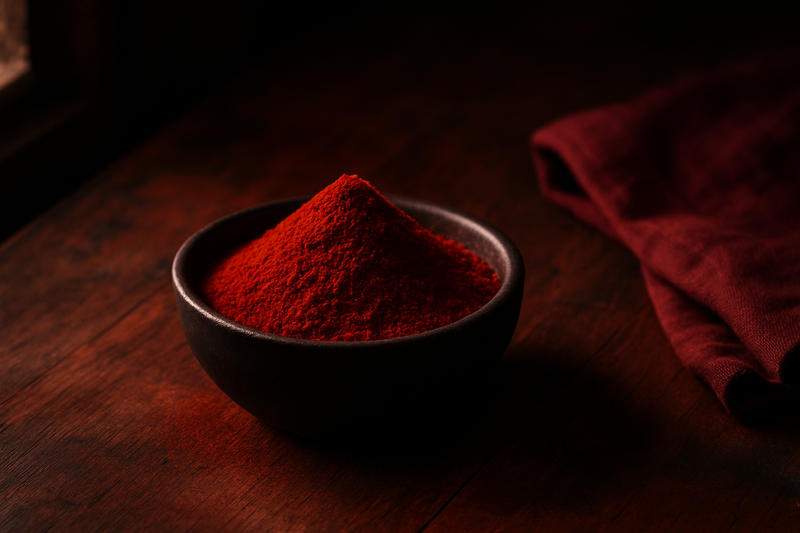
Kashmiri Chili · Photograph
Discover the real Kashmiri chili powder benefits and side effects — from its deep-red carotenoids and gentle heat to its nutrition facts per tablespoon, how to use it in cooking, and who should take caution. Evidence-aligned, layperson-friendly guide.
Key Nutrients
% Daily Value based on 2,000 cal diet
Key active compounds in Kashmiri red chili powder
- Capsanthin and capsorubin — Red xanthophyll carotenoids (a subtype of carotenoid with an oxygen-containing structure) responsible for the vivid color. Act as potent antioxidants in laboratory studies, scavenging free radicals that can damage cells.
- Beta-carotene and other provitamin A carotenoids — Orange-red carotenoids convertible to vitamin A in the body. Support vision, immune function, and skin health.
- Capsaicin and dihydrocapsaicin — Capsaicinoids that activate TRPV1 receptors (heat-sensing proteins on nerve endings), producing warmth, modest thermogenesis (calorie burning via heat generation), and, at higher doses, pain desensitization. Present in smaller quantities in Kashmiri chili than in hotter varieties.
- Quercetin, luteolin, and other polyphenols — Plant antioxidant compounds that may modulate inflammatory pathways and support vascular function in experimental models.
Prep and pairing ideas
Kashmiri chili is remarkably versatile for a single spice. Here are three practical ways to use it:
1. Tandoori-style marinade Combine 1–2 teaspoons of Kashmiri chili powder with plain yogurt (or coconut yogurt for plant-based), garlic, ginger, and a squeeze of lemon. The chili's color blooms in fat, turning the marinade a vivid orange-red. Use on tofu, paneer, or vegetables before baking or grilling. The pairing works because fat-soluble carotenoids absorb better when eaten with a small amount of fat.
2. Dal or lentil curry base Add 1 teaspoon to a tadka of cumin seeds and onion sautéed in a little oil. Stir in tomatoes, then your lentils. The Kashmiri chili provides deep color and a faint fruity warmth without overpowering the lentil flavor. Lentils pair well here because their high fiber and protein content make the meal satisfying, and the spice makes a plain pulse dish genuinely appealing.
3. Soup or stew color booster Stir ½ teaspoon into roasted red pepper soup, tomato-based stew, or a bean chili that needs color depth without adding heat. Unlike smoked paprika (which has a dominant smokiness), Kashmiri chili adds color and mild fruity warmth without changing the flavor profile dramatically. This makes it a useful substitute for paprika when you want color but less smokiness.
Bottom line
Kashmiri chili powder is a genuinely useful culinary spice with a nutritional profile that punches above its weight for something used by the teaspoon. Its outstanding quality is color — delivered by a dense array of carotenoids that also carry antioxidant activity. Its lower capsaicin content relative to hot chili varieties makes it accessible to a broader range of people, including those who find typical chili powders too intense.
The health evidence for Kashmiri chili specifically is limited; most research applies to chili peppers and capsaicin broadly. What exists suggests modest benefits for heart health, metabolism, blood sugar regulation, and anti-inflammatory pathways — but these are extrapolated findings, not proven outcomes from Kashmiri chili trials. At the same time, there is very little risk in using it in normal culinary amounts for most people.
The most evidence-aligned way to think about Kashmiri chili: it is a flavorful, antioxidant-rich spice that makes it easier to build and stick to a colorful, plant-forward diet. That dietary pattern, taken as a whole, is where the robust long-term health evidence lies.
Explore more: Looking to build a diet around spices and whole plant foods? Browse the Plantopedia Goals hub for evidence-based ingredient guides organized by what you want to achieve.
How Kashmiri Chili Compares
| Compared with | What's different |
|---|---|
| Kashmiri Chili vs. Cayenne Pepper | Lower heat (1,000–2,000 SHU) and a more vibrant red color compared to Cayenne's sharp spice. |
| Kashmiri Chili vs. Smoked Paprika | Has a mild, fruity flavor profile whereas Smoked Paprika adds a dominant, wood-fired aroma. |
Health Benefits
Things to Know
GI-sensitive individuals: If you have GERD (gastroesophageal reflux disease), IBS (irritable bowel syndrome — especially the diarrhea-predominant subtype), active gastritis, peptic ulcer disease, hemorrhoids, or inflammatory bowel disease during a flare, even mild chili can aggravate symptoms. Start with very small amounts and monitor your response.
Nightshade sensitivity or allergy: Kashmiri chili is a member of the Solanaceae (nightshade) family. If you have a known allergy or intolerance to bell peppers, tomatoes, or other nightshades, exercise caution.
Blood pressure medications: Culinary amounts are unlikely to interfere, but high-dose capsaicin supplements have theoretical interactions with antihypertensive (blood-pressure-lowering) drugs. Stick to food-level use.
NSAIDs (anti-inflammatory pain relievers): Frequent NSAID use can already irritate the stomach lining; pairing with high spice intake may compound discomfort in sensitive individuals.
Pregnancy: Kashmiri chili in normal culinary amounts is generally considered safe during pregnancy, but very large amounts of any spicy food may worsen pregnancy-related heartburn.
Children: The mildness of Kashmiri chili makes it more child-friendly than hot chili powder, but introduce gradually.
Supplements vs. food: Capsaicin and capsicum supplements involve concentrated doses far beyond what you get from cooking. This guide covers culinary use only; supplement decisions should involve a healthcare provider.

Glossary
Shop This Ingredient
Stock your pantry with quality kashmiri chili.
Buy on AmazonAs an Amazon Associate, Plantopedia earns from qualifying purchases. This costs you nothing extra and helps us keep the encyclopedia free.
Frequently Asked Questions
The honest answer is that most human evidence relates to chili peppers and capsaicin broadly. Where Kashmiri-specific data are absent, the following reflects research extrapolated from Capsicum annuum studies, with notes on how Kashmiri chili's milder profile may affect outcomes. Heart and circulation Large observational studies (studies that track what people eat and follow their health over time without controlling their diets) have found that regular chili pepper consumers tend to have lower rates of cardiovascular mortality. Small controlled trials with capsaicin suggest short-term benefits including mild vasodilation (widening of blood vessels), modest blood pressure reductions, and improved endothelial function (the health of the inner lining of blood vessels). Because Kashmiri chili contains less capsaicin per gram than hotter chilies, these effects are likely smaller at equivalent kitchen doses. The more practical cardiovascular benefit may be indirect: using a flavorful, colorful spice like Kashmiri chili helps make vegetable- and legume-rich meals more appealing, replacing salt and saturated fat as flavor drivers. Digestive health and microbiome The evidence here is genuinely mixed. Some controlled studies show that repeated low-dose capsaicin exposure can desensitize gut pain receptors and reduce symptoms of functional dyspepsia (recurring upper abdominal discomfort without a clear structural cause). Kashmiri chili also contributes dietary fiber, which supports a healthy gut microbiome (the community of microorganisms living in your intestines). On the other hand, spicy foods can worsen heartburn, abdominal cramping, or loose stools in susceptible individuals. Because Kashmiri chili is milder than most hot chili powders, it may be better tolerated, but this is individual — see "Things to know before starting" below. Blood sugar and metabolism Small human trials with red chili peppers have found modest improvements in postprandial (after-meal) insulin and glucose responses, possibly through effects on gastric emptying rate and insulin sensitivity. Again, these studies use chilies or capsaicin extracts generally, not Kashmiri chili specifically. Given the lower capsaicin content, any glycemic benefit would likely be weaker at a comparable gram dose. What Kashmiri chili can do well here is practical: its appealing color and gentle heat can make high-fiber, low-glycemic meals (dals, sabzis, legume curries) more enjoyable, supporting consistent healthy eating. Inflammation and recovery Kashmiri chili's carotenoids — particularly capsanthin and capsorubin — are potent antioxidants in laboratory settings, neutralizing free radicals (unstable molecules that can damage cells and promote inflammation). Its polyphenols also show anti-inflammatory activity in experimental models. However, translating these test-tube findings into clear clinical anti-inflammatory benefits in humans requires more research. High-dose topical capsaicin has strong evidence for relieving certain neuropathic (nerve-related) pain conditions, but this involves concentrated pharmaceutical preparations on the skin, not ground chili on dinner. At culinary doses, Kashmiri chili is best understood as one of many colorful plant foods that may support an overall anti-inflammatory dietary pattern. Metabolism and weight management Multiple human trials on chili peppers and capsaicin show small but consistent increases in energy expenditure (calories burned) and fat oxidation, along with modest reductions in appetite. Typical research doses are 1–10 g of chili per day. Because Kashmiri chili is milder, the capsaicin load per gram is lower, so direct metabolic effects are likely smaller. As with blood sugar, the more meaningful role may be in making nutritious, lower-calorie whole-food meals more satisfying.
Ground Kashmiri chili powder The most practical everyday form. Disperses color and flavor evenly through sauces, marinades, and spice rubs. Shelf-stable for 6–12 months in an airtight container away from light and heat. Look for powder with a vivid deep-red color; browning or orange tones suggest oxidation (exposure to air or light has degraded the carotenoids). Whole dried Kashmiri chili pods Used in tadka (tempering — frying whole spices briefly in oil to release their flavor) or soaked and blended into pastes. Pods can be removed before serving for color without any heat sensation at all. A good choice if you want maximum color and zero burn. Commercial blends containing Kashmiri chili Convenience products like tandoori masala or Kashmiri chili blends are fine, but check labels — some contain added salt, oil, or MSG. If you are watching sodium intake, pure ground Kashmiri chili powder (single ingredient) gives you full control. Label tip: Authentic Kashmiri chili powder should list only Capsicum annuum (Kashmiri variety). Cheaper blends sometimes add synthetic food dye (like Red 40) or mix in other chili varieties. A deep, matte burgundy-red color and a mildly earthy, slightly fruity aroma are signs of quality.
There is no official recommended daily intake for Kashmiri chili powder. Culinary practice across Indian cooking typically uses: Per meal: ¼ to 2 teaspoons (roughly 0.5–4 g) per person Total daily range: 0.5–10 g is common in spice-forward cuisines Research context: Human chili studies typically use 1–10 g of whole chili or doses providing 2–10 mg of capsaicinoids per day Because Kashmiri chili is mild, you may naturally use more of it than you would a hot chili — and that is generally fine for most adults. If you are new to spiced food, start with ¼ teaspoon per meal and build up over one to two weeks to let your gut adjust. Practical guidance: For color without any heat: ½ to 1 teaspoon per serving is usually sufficient For mild warmth alongside other spices: 1 to 2 teaspoons per serving No evidence supports using Kashmiri chili powder in supplement-level doses for specific health outcomes
The spice-curious cook who can't handle heat Wants to cook colorful Indian or Middle Eastern dishes at home Has been avoiding chili powder because previous experiences were too spicy Can use 1–2 teaspoons freely to get vivid results without burning Also useful for cooking for mixed-tolerance groups (adults and children together) The plant-forward eater focused on dietary variety Wants to add antioxidant-rich, colorful plant compounds to everyday meals Is building a whole-food diet around legumes, vegetables, and whole grains Benefits from Kashmiri chili's ability to make simple dals and roasted vegetables genuinely enjoyable Gains modest contributions of vitamin A, fiber, and carotenoids without relying on supplements
Quick Answers
Common questions, answered in a line.
Kashmiri chili is distinct for its vibrant, deep-red color and mild heat profile compared to standard chili powders. It contains a high concentration of red xanthophyll carotenoids like capsanthin and capsorubin, which provide intense color and antioxidant activity without intense spiciness.
Kashmiri chili powder contains carotenoids like beta-carotene, capsanthin, and capsorubin, as well as polyphenols such as quercetin and luteolin. These plant compounds act as antioxidants that scavenge free radicals and may support immune function, vision, and skin health.
Kashmiri chili can be used in tandoori-style marinades, lentil curries (dal), or as a color booster in soups and stews. Its carotenoids are fat-soluble, so pairing the spice with healthy fats like yogurt or oil helps the body absorb its nutrients more effectively.
Kashmiri chili is a milder spice than many other varieties, making it accessible to those who find typical chili powders too hot. However, people with GERD, IBS, gastritis, or nightshade allergies should exercise caution as even mild chilies can aggravate these conditions.
Kashmiri chili powder is a useful substitute for paprika when you want deep red color and a faint fruity warmth without the dominant smokiness of smoked paprika. It allows you to add visual depth to a dish without dramatically altering its primary flavor profile.
Kashmiri chili contains capsaicin and dihydrocapsaicin, which activate receptors that produce warmth and modest thermogenesis. While it has lower levels than hotter peppers, these compounds may contribute to metabolic support and calorie burning via heat generation.
For Readers in the USA
Local context — sourcing, seasonality, and regional notes.
In the U.S., you can find authentic Kashmiri chili powder at specialized Indian grocery stores like Patel Brothers or via major online retailers like Amazon and Walmart. While standard American supermarkets often carry generic "chili powder," they rarely stock Kashmiri varieties, so checking international aisles or spice boutiques is recommended.
While India is the primary exporter, Kashmiri-style peppers can be grown in USDA Hardiness Zones 9-11, such as parts of California, Arizona, and Florida. In cooler U.S. climates, home gardeners typically start seeds indoors in early spring to accommodate the long, warm growing season these peppers require to develop their signature red pigment.
Kashmiri chili is distinct from "American chili powder," which is actually a spice blend containing cumin, garlic, and oregano. If a U.S. recipe calls for Kashmiri chili and you cannot find it, the best domestic substitute is a 50/50 mix of mild Paprika and Cayenne pepper to mimic the color and heat.
The FDA regulates imported Kashmiri chili powder for safety, and consumers can look for the USDA Organic seal to ensure the product meets strict U.S. organic production standards. Choosing brands that undergo third-party testing is a common practice for U.S. consumers to avoid potential adulterants like artificial dyes sometimes found in low-quality imported spices.
AI Clinical Review
- Clearly distinguishes Kashmiri chili as a mild pepper (about 1,000–2,000 SHU) with high red carotenoids (capsanthin/capsorubin), which aligns with laboratory evidence for antioxidant activity.
- Sets appropriate expectations by noting that most human data come from chili/capsaicin research generally, not Kashmiri-specific trials, and that effects at culinary doses are likely modest.
- Provides a reasonable nutrition snapshot and correctly reminds readers that real-world serving sizes are small; highlighting fat-assisted carotenoid absorption is practical and accurate.
- Offers useful kitchen guidance that can help people flavor plant-forward, lower-sodium meals—an evidence-based path to better long-term health.
- Human outcomes specific to Kashmiri varieties are not available; because it contains less capsaicin than hotter chilies, any cardiometabolic effects seen elsewhere may be smaller at equal gram doses.
- Antioxidant and anti-inflammatory claims stem largely from in vitro/animal studies; clinical significance at teaspoon-level intakes remains uncertain.
- Observational links between chili intake and cardiovascular risk are vulnerable to confounding and do not establish causation; controlled trials in typical eaters are limited and short.
- Typical culinary use ranges from about 0.5–4 g (¼–2 tsp) per serving; total daily intakes of 0.5–10 g are common in spice-forward diets. If sensitive, start low and increase gradually.
- People with GERD, IBS (especially diarrhea-predominant), active gastritis/ulcer, hemorrhoids, IBD flares, or a known nightshade allergy should use caution; pregnancy can heighten reflux.
- Food-level amounts rarely interact with medicines, but high-dose capsaicin/capsicum supplements are a different exposure—avoid or discuss with a clinician first.
- Quality and form matter: choose single-ingredient Kashmiri chili (avoid dyed blends), store airtight away from light/heat to preserve color, and consider whole pods when you want maximal color with minimal perceived heat.
Mild; generally well tolerated.
References
- USDA FoodData Central — Red chili pepper, ground (nutrition reference) (fdc.nal.usda.gov)
- Nutritional analysis of dried Kashmiri chili powder — Sky Agri Export (skyagriexport.com)
- Organic Kashmiri red chilli powder — nutritional value per 100 g (5.imimg.com)
- Antioxidant properties of Indian Capsicum species — Research Journal of Pharmacy and Technology (rjptonline.org)
- Chemical composition and antioxidant activity of chilli varieties — AGRIS/FAO (agris.fao.org)
- Kashmiri mirch 101: nutrition, benefits, how to use, buy, store — FasKitchen (faskitchen.com)
- Kashmiri chilli nutrition facts — calories, protein, vitamins — MealPlan.fit (mealplan.fit)
- Dry Kashmiri chili: flavor and health benefits — Chefadora (chefadora.com)
- NIH National Center for Complementary and Integrative Health — Capsaicin/Capsicum overview (nccih.nih.gov)
- Spice World Kashmiri chili powder nutrition facts — Eat This Much (eatthismuch.com)
Know Your Numbers
Eating healthy is a start. Now get to know your biomarkers.
Food changes bloodwork — inflammation, lipids, blood sugar and nutrient status all respond to what you eat. 59 markers from $59.
- Results in 7–10 days at 2,000+ Quest sites
- Licensed provider reviews every result
- One flat price, no membership, HSA/FSA eligible
Educational information only, not medical advice. Panels are ordered and reviewed through our licensed partner; Plantopedia may earn a commission.