Cremini Mushrooms — health benefits and uses
Cultivated mushrooms valued as a savory, satisfying plant food.
The Short Answer
Cremini mushrooms, also known as baby bellas, provide significant amounts of selenium, copper, and B vitamins for only 19 calories per cup. They are particularly rich in antioxidants like ergothioneine and glutathione, which support cellular health and immune
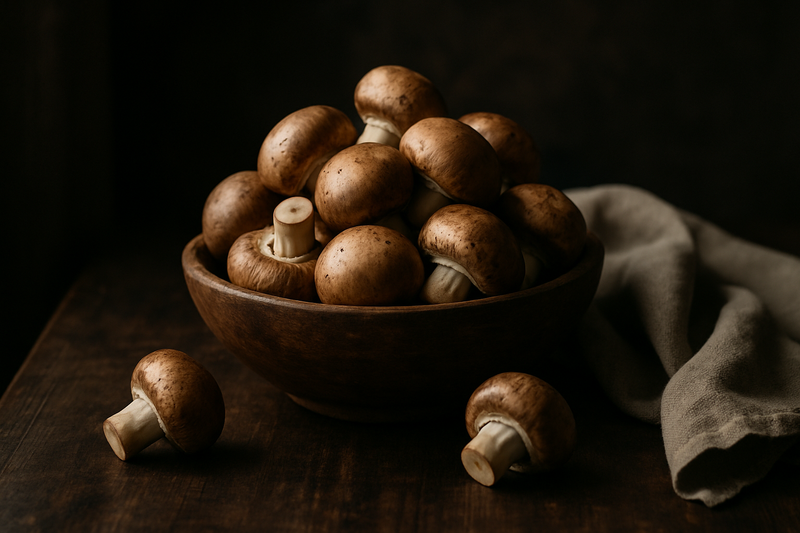
Cremini Mushrooms · Photograph
Discover the cremini mushroom health benefits backed by nutrition science — from immune support and heart health to brain-protective antioxidants. Learn how baby bella mushrooms compare to white button, how to cook them for best digestion, and how much to eat per day.
Key Nutrients
% Daily Value based on 2,000 cal diet
Key active compounds in cremini mushrooms
- Ergothioneine — A sulfur-containing, amino acid–like antioxidant found in unusually high concentrations in Agaricus bisporus mushrooms. Research suggests it may help protect cells — including neurons and blood vessel cells — from oxidative damage. (Oxidative damage = harm caused when unstable molecules called free radicals attack healthy cells.)
- Glutathione — A tripeptide (three-amino-acid chain) antioxidant naturally produced by the body and also present in mushrooms. It supports cellular detoxification and works alongside selenium and vitamins to maintain redox balance (the equilibrium between antioxidants and free radicals).
- Beta-glucans — Branched polysaccharides (complex carbohydrates) in the fungal cell wall that act as both soluble fiber and immune-modulating compounds. They may interact with immune cells in the gut and promote growth of beneficial gut bacteria.
- Phenolic compounds — A broad family of plant and fungal molecules with antioxidant properties that may support vascular and cellular health.
- Selenium and copper — Mineral cofactors (helper molecules) for antioxidant enzymes such as glutathione peroxidase and superoxide dismutase.
- B vitamins (riboflavin, niacin, pantothenic acid) — Involved in converting food into usable energy and supporting nerve, skin, and cardiovascular function.
Prep and pairing ideas
Buying guide
- Fresh: Look for firm, dry caps with no sliminess. The surface should be uniformly brown with gills that are pale, not dark or wet. Avoid packages with condensation pooled inside.
- Stored: Keep cremini unwashed in a paper bag (not plastic) in the refrigerator. They last 5–7 days. Washing before storage speeds up spoilage.
- Dried: Check that the package lists cremini or Agaricus bisporus; some "mixed mushroom" powders contain primarily sawdust-filler fillers. Store in a cool, dark, airtight container.
- UV-exposed: Look for a "high vitamin D" or "UV-treated" call-out on the label. These mushrooms look identical to standard cremini.
Three practical pairings
- Cremini + garlic + fresh thyme — One of the most classic combinations. Garlic's allicin and sulfur compounds complement mushroom umami; thyme adds a herbal note that balances earthiness. Sauté together in a dry or lightly oiled pan for pasta, grain bowls, or toast toppings.
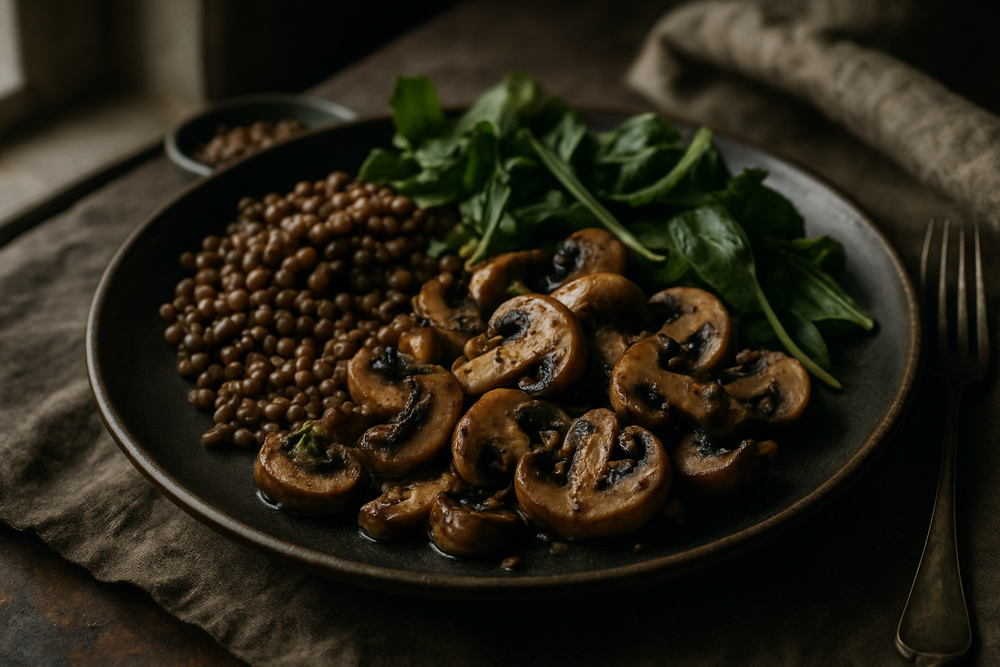
- Cremini + lentils or legumes — Cremini add meaty texture and depth to lentil soups, dal, or bean stews. The combination provides complementary amino acids and a significant iron + B vitamin package for plant-based eaters.
- Cremini + leafy greens (spinach, kale) + lemon — The vitamin C in the lemon may help improve absorption of plant-based iron from both the mushrooms and greens. The combination makes a nutritionally complete side dish in under 10 minutes.
Bottom line
Cremini mushrooms are an everyday whole food that earns a permanent spot in a plant-based kitchen. They are low in calories, high in selenium, copper, and B vitamins, and contain antioxidants — ergothioneine and glutathione — that are difficult to obtain from other plant foods. Their beta-glucan fibers offer prebiotic support, their potassium aids blood pressure management, and UV-exposed versions can meaningfully contribute to vitamin D intake. The direct clinical trial evidence specifically on cremini is still limited, so most benefits should be understood as plausible and emerging rather than definitively proven. Cook them thoroughly for best digestion, eat them regularly as part of a varied diet, and treat them as a nutritional workhorse rather than a supplement.
Explore more: If you're building a diet centered on everyday foods that support long-term wellness, visit Plantopedia's goals hub for curated ingredient combinations matched to specific health goals.
How Cremini Mushrooms Compares
| Compared with | What's different |
|---|---|
| Cremini Mushrooms vs. White Button Mushroom | Milder flavor and softer texture because they are harvested earlier in the growth cycle. |
| Cremini Mushrooms vs. Portobello Mushroom | Mature version of the same species with a wider, flatter cap and a deeper, more robust flavor. |
Health Benefits
Things to Know
Cook thoroughly.: Raw cremini contain chitin in a form that can be harder to digest. Cooking improves both nutrient availability and tolerability for most people.
Digestive sensitivity.: People with irritable bowel syndrome (IBS) or a sensitive gut may react to mushroom fibers and mannitol (a natural sugar alcohol). Start with small cooked portions and increase gradually.
Mushroom allergy.: A small number of people have a true Agaricus allergy. Signs include oral itching, skin reactions, or, rarely, more severe responses. If you have a known mushroom allergy, avoid cremini.
Kidney disease.: Dried or concentrated cremini forms contain higher levels of phosphorus and potassium. Individuals on medically restricted low-phosphorus or low-potassium diets should factor this in, especially when using large amounts.
Immunocompromised individuals.: Thorough cooking is especially important; handle and store cremini carefully to minimize any foodborne contamination risk.
Pregnancy.: Everyday culinary amounts of fresh cremini are considered safe. High-dose mushroom supplements or extracts are a different matter — safety data in pregnancy are limited, so check with your provider before using anything beyond normal food portions.
Medications.: No significant drug interactions are documented for normal culinary use of cremini. High-dose mushroom supplements (not typical for cremini) may interact with immunosuppressants or anticoagulants — speak to a provider before combining.
Wild mushroom confusion.: Only buy cremini from reputable grocery sources. Do not forage unless you are an expert; wild look-alikes can be toxic.
Prep Ideas
- — **Fresh:** Look for firm, dry caps with no sliminess. The surface should be uniformly brown with gills that are pale, not dark or wet. Avoid packages with condensation pooled inside.
- — **Stored:** Keep cremini unwashed in a paper bag (not plastic) in the refrigerator. They last 5–7 days. Washing before storage speeds up spoilage.
- — **Dried:** Check that the package lists cremini or *Agaricus bisporus*; some "mixed mushroom" powders contain primarily sawdust-filler fillers. Store in a cool, dark, airtight container.
- — **UV-exposed:** Look for a "high vitamin D" or "UV-treated" call-out on the label. These mushrooms look identical to standard cremini.
- — **Cremini + garlic + fresh thyme** — One of the most classic combinations. Garlic's allicin and sulfur compounds complement mushroom umami; thyme adds a herbal note that balances earthiness. Sauté together in a dry or lightly oiled pan for pasta, grain bowls, or toast toppings.
- — **Cremini + lentils or legumes** — Cremini add meaty texture and depth to lentil soups, dal, or bean stews. The combination provides complementary amino acids and a significant iron + B vitamin package for plant-based eaters.
- — **Cremini + leafy greens (spinach, kale) + lemon** — The vitamin C in the lemon may help improve absorption of plant-based iron from both the mushrooms and greens. The combination makes a nutritionally complete side dish in under 10 minutes.
Glossary
Shop This Ingredient
Stock your pantry with quality cremini mushrooms.
Buy on AmazonAs an Amazon Associate, Plantopedia earns from qualifying purchases. This costs you nothing extra and helps us keep the encyclopedia free.
Frequently Asked Questions
The evidence base for cremini specifically is still emerging. Most research has been conducted on Agaricus bisporus mushrooms as a group, with fewer trials isolating cremini. That said, because cremini and white button mushrooms are the same species at a slightly different growth stage, the nutrient and phytochemical overlap is high enough that researchers generally consider findings applicable to both. Heart and circulation Cremini mushrooms are naturally very low in sodium, fat-free, and contain no cholesterol — a useful nutritional profile for cardiovascular (heart and blood vessel) health. Their potassium content (448 mg per 100 g, about 10% DV) supports healthy blood pressure by helping counterbalance sodium's vessel-constricting effects. B vitamins including riboflavin and niacin participate in energy metabolism and may support healthy blood lipid levels (fats in the bloodstream, such as cholesterol and triglycerides). Ergothioneine and other antioxidants may protect LDL cholesterol (low-density lipoprotein, sometimes called "bad" cholesterol) from oxidative modification — a step thought to contribute to arterial plaque buildup. Most evidence linking mushroom consumption to improved cardiometabolic markers comes from observational studies and mechanistic research rather than large clinical trials; cremini-specific cardiovascular trials are not yet available. Digestive health and microbiome A 100 g raw serving of cremini provides about 0.6 g of dietary fiber, which is modest on its own. More relevant for gut health is the presence of beta-glucans in the cell walls, which function as prebiotic fibers — meaning they feed beneficial bacteria in the large intestine rather than being digested by you directly. Emerging research on mushroom fibers broadly suggests they may support microbiome diversity and bowel regularity. Thoroughly cooked cremini are generally well tolerated; raw or very large portions may cause gas or bloating in sensitive individuals due to mushroom-specific sugar alcohols and fibers. Blood sugar and metabolism Cremini mushrooms contain roughly 4.1 g of carbohydrate per 100 g, of which about 1.7 g are sugars — a very low glycemic load (the degree to which a food raises blood glucose). Swapping cremini for starchy or high-calorie ingredients in mixed dishes can meaningfully lower the glycemic impact of a meal. Their low energy density (calories per gram of food) is also practical for anyone managing body weight, which is itself a key driver of metabolic health. Human trials specifically testing cremini on blood glucose or insulin are lacking; the blood sugar case rests primarily on their nutrient profile and general mushroom research. Inflammation and recovery Selenium (47% DV per 100 g) is a cofactor for several selenoproteins — selenium-dependent proteins — that form part of the body's antioxidant defense system. Copper (33% DV) supports superoxide dismutase, an enzyme that neutralizes a particularly damaging type of free radical. Together with ergothioneine and glutathione, these nutrients position cremini as a plausible everyday contributor to reducing low-grade oxidative stress. Whether this translates into measurable changes in inflammatory markers in humans eating cremini regularly is not yet established by controlled trials; the anti-inflammatory angle should be considered supportive and emerging. Brain health Ergothioneine and glutathione have attracted interest from researchers studying neurodegeneration (the gradual loss of nerve cell function). A 2021 observational study (not specific to cremini) found that regular mushroom consumers had lower rates of mild cognitive impairment. The B vitamin cluster in cremini — including riboflavin, niacin, pantothenic acid, and B6 — plays roles in neurotransmitter synthesis (the production of chemical messengers in the brain) and energy metabolism in neurons. These are plausible pathways, but clinical trials specifically testing cremini on cognitive outcomes have not been conducted; brain-health framing should be understood as a long-term, population-level signal rather than an immediate effect. Vitamin D (a note on UV-exposed cremini) Standard cremini mushrooms contain very little vitamin D (0.2 mcg per 100 g). However, when exposed to UV light — mimicking sunlight — the ergosterol naturally present in mushroom cell membranes converts to vitamin D2. UV-treated cremini can contain up to 25.5 mcg of vitamin D per 80 g serving (well above most adults' daily needs of 15–20 mcg). Some brands now sell UV-exposed cremini, and you can also boost vitamin D by placing cut cremini gill-side up in direct sunlight for 15–30 minutes before cooking. Human studies on UV-treated Agaricus bisporus mushrooms confirm they can raise serum 25(OH)D (the main blood marker of vitamin D status), making this one of the few meaningful whole-food vitamin D sources for plant-based eaters.
Fresh cremini (cooked) is the most practical and widely studied form. Sautéing, roasting, or grilling concentrates flavor, softens texture, and breaks down some of the more insoluble cell-wall compounds that can cause digestive discomfort when eaten raw. The Maillard reaction (the browning that occurs during dry-heat cooking) also develops additional savory, umami depth. Raw cremini are edible but are generally not recommended as a regular eating habit. Raw mushrooms contain chitin — a tough structural fiber in fungal cell walls — in a form that is harder for humans to digest, which can reduce the bioavailability of some nutrients and increase the likelihood of digestive upset. Dried cremini are dramatically more calorie- and nutrient-dense (roughly 350 kcal, 23 g protein, and 11 g fiber per 100 g dried). They are best rehydrated in warm water or broth and used in sauces, soups, and risottos. Because portion sizes are much smaller, they are less practical as a primary vegetable serving but excellent for flavor boosting. Cremini powder (finely ground dried mushroom) functions as a flavor enhancer. Small amounts — a teaspoon or two — can be stirred into sauces, dressings, or oatmeal for an umami hit and a concentrated micronutrient boost. UV-exposed cremini are the best choice if vitamin D is a specific goal. Look for packaging that states "UV-exposed" or "high in vitamin D," or sun-treat fresh cremini at home before cooking.
There is no officially established recommended daily intake for cremini mushrooms, and no clinical trials have determined a minimum "therapeutic dose" for this specific variety. General dietary guidance from sources such as MyPlate encourages a variety of vegetables, including mushrooms, as part of a balanced diet. Practical guidance based on available evidence: A typical culinary serving is ½ to 1 cup cooked cremini (roughly 75–150 g fresh), used 3–7 times per week. Human studies examining mushroom health effects generally use around 100 g fresh mushrooms per day — a roughly ½ cup cooked equivalent — though these trials typically involve other Agaricus species. Start low if you're new to mushrooms or have a sensitive gut: try ¼ cup cooked, see how you feel over a few days, and scale up. For vitamin D goals, aim specifically for UV-exposed cremini; 80 g (about 4 mushrooms) of UV-treated cremini can provide more than a full day's vitamin D requirement. There is no evidence suggesting harm from eating cremini daily at culinary amounts for most healthy adults. Variety across mushroom types (cremini, oyster, shiitake) is a sensible approach if you eat them regularly.
Quick Answers
Common questions, answered in a line.
You should look for firm, dry caps that are uniformly brown with pale gills and no sliminess. Avoid purchasing packages with pooled condensation, as moisture can lead to faster spoilage.
Cremini mushrooms contain ergothioneine and glutathione, two potent antioxidants that help protect cells from oxidative damage caused by free radicals. These mushrooms also provide selenium and copper, which act as helper molecules for the body's own antioxidant enzymes.
Cooking cremini mushrooms thoroughly is recommended because their raw form contains chitin, which can be difficult to digest. Heat treatment improves both the tolerability of the mushroom and the availability of its nutrients.
Store unwashed cremini mushrooms in a paper bag in the refrigerator to help them last for 5 to 7 days. You should avoid using plastic bags or washing them before storage, as these methods will speed up spoilage.
Cremini mushrooms contain beta-glucans, which are complex carbohydrates that act as soluble fiber and prebiotic support for beneficial gut bacteria. These fibers also function as immune-modulating compounds by interacting with immune cells in the gut.
People with IBS or sensitive guts may experience reactions to the natural fibers and mannitol (a sugar alcohol) found in cremini mushrooms. Additionally, those with kidney disease should monitor their intake due to the potassium and phosphorus content, especially in dried forms.
Cremini mushrooms are an excellent source of B vitamins, including riboflavin, niacin, and pantothenic acid. These vitamins are essential for supporting nerve function, skin health, and the conversion of food into usable energy.
For Readers in the USA
Local context — sourcing, seasonality, and regional notes.
In the United States, cremini mushrooms are widely available year-round at major grocery chains like Kroger, Whole Foods, and Walmart, as well as local farmers markets. While they are grown in temperature-controlled indoor facilities across the country, Pennsylvania is the leading producer, accounting for nearly two-thirds of the U.S. mushroom crop.
Cremini mushrooms are the exact same species (Agaricus bisporus) as white button and portobello mushrooms, differing only by their age and color. In American supermarkets, "baby bella" is simply a marketing name for cremini, representing a middle stage of maturity between the mild white button and the fully grown, large portobello.
Look for the USDA Organic seal on cremini packaging if you want to ensure the mushrooms were grown without synthetic fertilizers or pesticides. Because mushrooms are highly absorbent, the USDA regulates the growing medium (substrate) used in organic production to ensure it meets strict national organic standards.
Cremini mushrooms are a staple of the "Plant-Forward" movement in the U.S., frequently used in "The Blend"—a technique where chopped mushrooms are mixed with ground beef to reduce fat and calories. This culinary trend is popular in American school lunches and burger chains to improve the nutritional profile of traditional comfort foods.
AI Clinical Review
- Clearly explains that cremini, white button, and portobello are the same species and that cremini are nutrient‑dense (notably selenium, copper, riboflavin, niacin, pantothenic acid, and potassium).
- Accurately highlights mushroom‑specific antioxidants (ergothioneine, glutathione) and why they’re biologically plausible for cardiovascular and brain support.
- Correctly notes that UV exposure boosts vitamin D2 in Agaricus bisporus and that eating UV‑treated mushrooms can raise blood 25(OH)D.
- Offers practical, evidence‑consistent advice that cooking improves digestibility and that substituting mushrooms can lower meal calories and saturated fat.
- Most human studies pool Agaricus bisporus; cremini‑specific randomized trials for heart, metabolic, immune, or brain outcomes are limited.
- Links between mushroom intake and cognition are largely observational, so they cannot prove cause and effect or define an optimal intake.
- Microbiome and immune effects (via beta‑glucans/prebiotic fibers) are promising but based on mechanistic and early human data; the real‑world impact of typical servings is uncertain.
- Antioxidant and anti‑inflammatory claims (e.g., LDL oxidation, systemic markers) remain plausible but not firmly established in long‑term trials.
- Practical intake: ½–1 cup cooked cremini (about 75–150 g) per serving, several times per week; many studies use roughly 100 g per day of Agaricus bisporus.
- For vitamin D, choose products labeled UV‑exposed or high in vitamin D, or briefly sun‑expose sliced mushrooms at home; D2 raises 25(OH)D, though some research suggests D3 may maintain levels slightly better.
- Tolerance varies: mannitol and chitin can cause gas or bloating, especially when raw; people with IBS or sensitive digestion may do best with small, well‑cooked portions.
- Special situations: avoid if you have a mushroom allergy; those with chronic kidney disease should be mindful of potassium/phosphorus in dried or concentrated forms; immunocompromised individuals should ensure thorough cooking; in pregnancy, stick to food‑level amounts and avoid high‑dose extracts unless cleared by a clinician.
Cook thoroughly for best digestibility.
References
- USDA FoodData Central — Mushrooms, brown, Italian, or Crimini, raw (nutrition data foundation for this page) (fdc.nal.usda.gov)
- MyPlate — Vegetables Food Group (public health guidance on vegetable intake, including mushrooms) (myplate.gov)
- The Mushroom Council — Crimini mushroom overview (variety description, UV vitamin D data, culinary guidance) (mushroomcouncil.org)
- WebMD — Health Benefits of Crimini Mushrooms (consumer-level evidence summary) (webmd.com)
- Rupa Health — Cremini Mushroom Benefits (clinical nutrition perspective on baby bella research) (rupahealth.com)
- Nutrivore — Cremini Mushroom Nutrients (detailed micronutrient breakdown) (nutrivore.com)
- Greatist — Cremini Mushroom Nutrition Facts and Health Benefits (accessible evidence review) (greatist.com)
- NutritionAdvance — What Are Cremini Mushrooms? (overview of active compounds and safety) (nutritionadvance.com)
- Observational study: Mushroom consumption and cognitive impairment — Feng L. et al., Journal of Alzheimer's Disease, 2019 (mushroom intake associated with lower mild cognitive impairment risk; not cremini-specific) (doi.org)
- Human trial: UV-exposed mushrooms raise serum vitamin D — Urbain P. et al., European Journal of Clinical Nutrition, 2011 (UV-treated Agaricus bisporus mushrooms effectively increased serum 25(OH)D) (doi.org)
Know Your Numbers
Eating healthy is a start. Now get to know your biomarkers.
Food changes bloodwork — inflammation, lipids, blood sugar and nutrient status all respond to what you eat. 59 markers from $59.
- Results in 7–10 days at 2,000+ Quest sites
- Licensed provider reviews every result
- One flat price, no membership, HSA/FSA eligible
Educational information only, not medical advice. Panels are ordered and reviewed through our licensed partner; Plantopedia may earn a commission.