Chanterelle Mushrooms — health benefits and uses
A prized wild forage across Europe and North America.
The Short Answer
Chanterelle mushrooms are highly nutritious fungi providing 3.47 mg of iron and 212 IU of vitamin D per cup. They are best enjoyed sautéed to highlight their unique peppery, apricot-like flavor and firm texture.
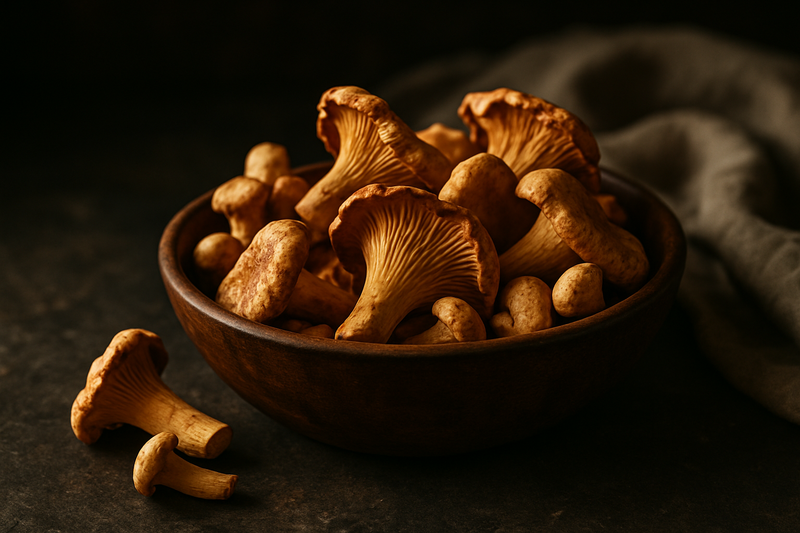
Chanterelle Mushrooms · Photograph
Discover chanterelle mushroom health benefits and how to use them: nutrition facts, immune and antioxidant support, vitamin D content, safe foraging tips, and simple cooking ideas for your whole food plant-based diet.
Key Nutrients
% Daily Value based on 2,000 cal diet
Key active compounds
Chanterelles owe much of their potential health activity to a mix of phytochemicals — bioactive plant and fungal compounds:
- Phenolic compounds — Plant-derived molecules such as phenolic acids and flavonoids with antioxidant and anti-inflammatory signaling properties. In lab studies, chanterelle phenolics help neutralize free radicals (unstable molecules that damage cells) and may dial down inflammatory pathways.
- Indole derivatives — Bioactive molecules built around an indole ring structure. Found in various fungi and plants, these have shown neuroprotective (brain-protecting) and antimicrobial effects in laboratory models, though human data are limited.
- Polysaccharides and dietary fibers — Complex, non-digestible carbohydrates found in fungal cell walls. These can act as prebiotics — fuel for beneficial gut bacteria — and may influence immune responses in experimental systems.
- Vitamin precursors (provitamins) — Compounds the body can convert into active vitamins, including forms of provitamin D that become more active when the mushroom is exposed to sunlight or UV light during growth or drying.
Prep and pairing ideas
- Quick weeknight sauté: Heat olive oil in a wide pan, add sliced chanterelles, cook 5–7 minutes until golden, season with salt, fresh thyme, and lemon. Serve on toast, polenta, or pasta.
- Autumn grain bowl: Toss sautéed chanterelles with warm farro, roasted squash, spinach, and a lemon-tahini drizzle.
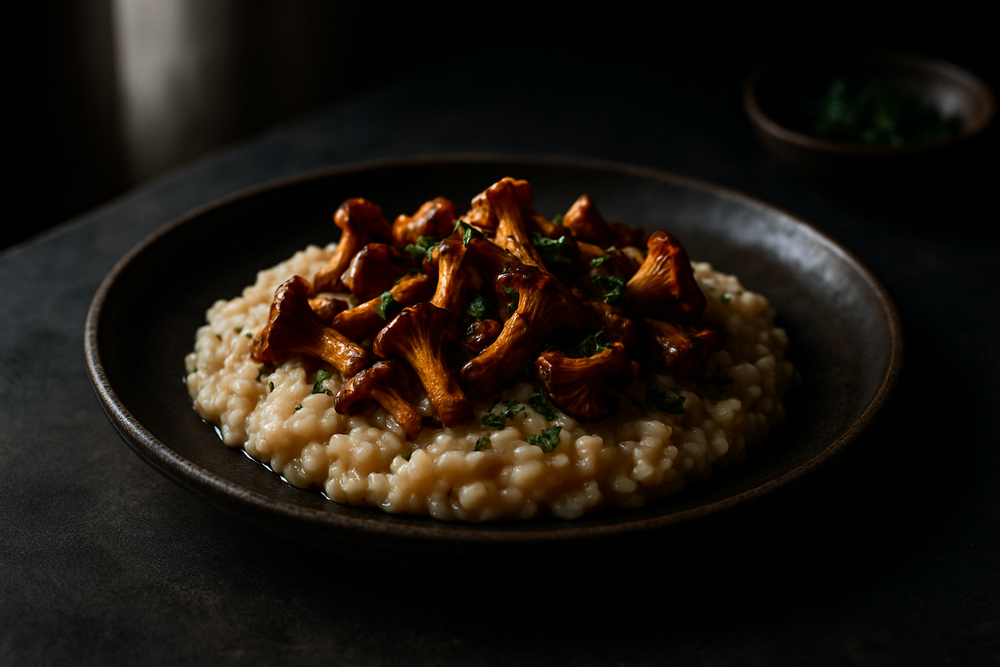
- Creamy (dairy-free) risotto: Stir chanterelles into a plant-based risotto in the last 5 minutes of cooking with nutritional yeast for a cheesy depth of flavor.
- Simple broth: Use chanterelle soaking liquid (from dried mushrooms) as a base for vegetable soup — rich, earthy, and full of flavor.
- Egg-free scramble: Fold cooked chanterelles into a firm tofu scramble with turmeric and chives for a protein- and mineral-rich breakfast.
If you are looking for meal ideas that use chanterelles alongside other whole plant foods, the Plantopedia goals page has inspiration organized by health outcome.
Bottom line
Chanterelle mushrooms are a genuinely nutrient-dense whole plant food — rare for being a meaningful source of vitamin D and iron in a plant-based context, and notable for their fiber, B vitamins, copper, and potassium. Lab and animal research points toward antioxidant, anti-inflammatory, immune-supporting, and prebiotic potential, but human clinical trials on chanterelles specifically are still thin on the ground. The most evidence-aligned way to enjoy any of these benefits is through regular culinary use: properly identified, thoroughly cooked, and eaten as part of a varied, whole-food diet.
They are not a cure for anything, but as seasonal ingredients go, few deliver this much nutrition alongside this much flavor. Just make sure you know what you are picking — or buy from someone who does.
How Chanterelle Mushrooms Compares
| Compared with | What's different |
|---|---|
| Chanterelle Mushrooms vs. Porcini Mushrooms | Chanterelles are fruity and peppery, while Porcini are nutty, meaty, and much earthier in flavor. |
| Chanterelle Mushrooms vs. Oyster Mushrooms | Chanterelles have a distinctive funnel shape and ridges; Oysters have flat, fan-like caps. |
| Chanterelle Mushrooms vs. Button Mushrooms | Chanterelles provide a rare plant-based source of Vitamin D (212 IU) and significantly more Iron. |
Health Benefits
Things to Know
Always cook chanterelles thoroughly.: Raw chanterelles can cause nausea, vomiting, or diarrhea. Cooking neutralizes digestibility issues.
Never eat wild mushrooms you cannot identify with certainty.: Several species — including the jack-o'-lantern mushroom (Omphalotus species) — closely resemble chanterelles but are toxic. If you forage, go with an experienced mycologist (mushroom identification expert) or buy from a reputable supplier.
Mushroom allergy or fungal sensitivity.: If you react to molds, yeasts, or other fungi, introduce chanterelles cautiously and stop if you notice hives, swelling, or digestive symptoms.
Sensitive digestion / IBS / IBD.: Start with a small portion (50 g or less cooked) and increase gradually. Fibrous mushrooms can cause gas or cramping, especially if eaten undercooked or in large amounts.
Pregnancy and breastfeeding.: Culinary portions of thoroughly cooked, properly identified chanterelles from a reputable source are likely safe, but concentrated extracts or supplements have no established safety profile for this group. When in doubt, consult your midwife or physician.
Immunosuppressant medications.: Lab studies suggest chanterelle compounds may influence immune responses. Culinary amounts are unlikely to cause issues, but discuss high-dose mushroom supplements with your prescribing clinician.
Blood sugar medications.: Animal studies hint at glucose-lowering activity from chanterelle extracts. Culinary servings are unlikely to cause hypoglycemia (blood sugar dropping too low), but if you use insulin or other antidiabetic drugs, monitor your response when making significant dietary changes.
Anticoagulants (e.g., warfarin).: No direct interaction evidence exists for chanterelles, but high-dose mushroom supplements are best discussed with a clinician if you are on blood-thinning medication.
Foraging from potentially polluted areas.: Mushrooms can accumulate heavy metals and environmental contaminants from soil. Collect only from clean, unpolluted habitats, or buy commercially grown or wild-harvested mushrooms from trusted sources.
Best Forms
A wide pan over medium heat with a little olive oil or plant-based butter lets chanterelles release their moisture and brown lightly without steaming into mush. Avoid crowding the pan.
Salt, pepper, fresh thyme, and a squeeze of lemon is often all you need. Overpowering aromatics can mask the mushroom's natural flavor.
Raw or undercooked chanterelles are harder to digest and can cause gastrointestinal upset. Aim for a golden, cooked-through result, not a raw or barely warm texture.
Because they cook quickly, stir chanterelles in during the last few minutes to preserve texture.
should be rehydrated in warm water for 20–30 minutes, then drained and cooked just like fresh — the soaking liquid makes a flavorful broth addition.
Prep Ideas
- — Quick weeknight sauté: Heat olive oil in a wide pan, add sliced chanterelles, cook 5–7 minutes until golden, season with salt, fresh thyme, and lemon. Serve on toast, polenta, or pasta.
- — Autumn grain bowl: Toss sautéed chanterelles with warm farro, roasted squash, spinach, and a lemon-tahini drizzle.
- — Creamy (dairy-free) risotto: Stir chanterelles into a plant-based risotto in the last 5 minutes of cooking with nutritional yeast for a cheesy depth of flavor.
- — Simple broth: Use chanterelle soaking liquid (from dried mushrooms) as a base for vegetable soup — rich, earthy, and full of flavor.
- — Egg-free scramble: Fold cooked chanterelles into a firm tofu scramble with turmeric and chives for a protein- and mineral-rich breakfast.
Shop This Ingredient
Stock your pantry with quality chanterelle mushrooms.
Buy on AmazonAs an Amazon Associate, Plantopedia earns from qualifying purchases. This costs you nothing extra and helps us keep the encyclopedia free.
Frequently Asked Questions
Most of the findings below are from lab, animal, or observational research. Direct human clinical trials on chanterelles are rare, so treat these areas as promising rather than proven. Heart and circulation Chanterelles are naturally low in calories, saturated fat, and sodium, while delivering potassium (506 mg per 100 g) and fiber — two nutrients consistently linked with healthier blood pressure and cholesterol levels in human research on overall diet patterns. Diets rich in vegetables and mushrooms are associated with lower cardiovascular risk in population-level studies. Lab work on chanterelle extracts also reports antioxidant and anti-inflammatory effects in cell and animal models — both of which are relevant to vascular (blood vessel) health — but these mechanisms have not yet been confirmed in human trials. Digestive health and microbiome The roughly 3.8 g of dietary fiber in a 100 g serving of chanterelles supports bowel regularity, stool bulk, and the gut microbiome — the community of trillions of microorganisms that live in your intestines and influence digestion, immunity, and even mood. Chanterelle polysaccharides have shown prebiotic effects in experimental models, meaning they may selectively feed beneficial gut bacteria. That said, if you have a sensitive gut (for example, irritable bowel syndrome), go slowly: fibrous mushrooms eaten in large amounts or undercooked can cause gas or cramping in some people. Blood sugar and metabolism Chanterelles are low in digestible carbohydrates and calories, making them an inherently low-glycemic (low blood-sugar-spiking) addition to meals. Their fiber content also slows the absorption of sugars from the rest of a meal. In animal and cell studies, chanterelle extracts have shown antidiabetic activity — improving glucose tolerance and modulating enzymes involved in carbohydrate metabolism — but these experiments used concentrated extracts, not the amounts you would eat at dinner. No human trials have tested chanterelles specifically for blood sugar management. Inflammation and recovery Chanterelles contain phenolic compounds and other antioxidants that, in laboratory settings, help reduce markers of oxidative stress (cellular damage caused by free radicals) and lower levels of inflammatory signaling molecules. A 2024 peer-reviewed review highlights reported anti-inflammatory and antioxidant actions in both cell and animal models. Eating a wide variety of antioxidant-rich plant foods — chanterelles included — is broadly consistent with a diet pattern that supports lower chronic inflammation, but chanterelles should not be positioned as a stand-alone anti-inflammatory treatment. Immune and brain health Chanterelles are rich in copper, niacin, riboflavin, and zinc — micronutrients that support immune cell production, energy metabolism in neurons (brain cells), and antioxidant enzyme systems. Polysaccharides from chanterelles have shown immunomodulatory (immune-regulating) and neuroprotective effects in experimental models, and indole derivatives from the mushroom have been flagged in early research for potential brain-protective roles. These findings are hypothesis-generating, not clinical proof, but they align with the broader evidence that nutrient-dense mushrooms fit well in a brain- and immune-supportive diet. Vitamin D — a rare plant-side win Vitamin D is notoriously difficult to find in plant foods. Chanterelles are one of the few plant-group foods that provide meaningful amounts — around 212 IU (35% of the daily value) per 100 g, though actual levels can vary with species, growing conditions, and storage. Vitamin D supports bone metabolism, calcium regulation, immune function, and a range of hormonal processes. It is not a cure for deficiency on its own, but adding chanterelles to a varied diet can be a useful dietary contribution to overall vitamin D intake, especially in populations with limited sun exposure.
Plant-based eaters looking for iron and B vitamins With 43% of the daily value for iron per 100 g, chanterelles are one of the most iron-rich plant foods available. They also provide niacin, riboflavin, and pantothenic acid — B vitamins often under-consumed on purely plant-based diets. Pairing chanterelles with a vitamin C–rich food (such as lemon juice or tomatoes) may help your body absorb non-heme (plant-sourced) iron more effectively. People with limited sun exposure or low vitamin D intake Chanterelles are a rare culinary source of natural vitamin D, a nutrient that many people — especially those living at northern latitudes or who spend most time indoors — struggle to get enough of from food. Enjoying chanterelles seasonally alongside other vitamin D sources (fortified foods, or a supplement if recommended by your clinician) can support a more complete nutrient picture. Levels vary, so they should complement — not replace — other vitamin D strategies.
Chanterelles are delicate, and their signature apricot-like aroma fades quickly with rough handling or high heat. Here is how to get the most from them: Sauté gently in oil — A wide pan over medium heat with a little olive oil or plant-based butter lets chanterelles release their moisture and brown lightly without steaming into mush. Avoid crowding the pan. Keep it simple first — Salt, pepper, fresh thyme, and a squeeze of lemon is often all you need. Overpowering aromatics can mask the mushroom's natural flavor. Cook thoroughly — Raw or undercooked chanterelles are harder to digest and can cause gastrointestinal upset. Aim for a golden, cooked-through result, not a raw or barely warm texture. Add near the end of soups and pasta dishes — Because they cook quickly, stir chanterelles in during the last few minutes to preserve texture. Dried chanterelles should be rehydrated in warm water for 20–30 minutes, then drained and cooked just like fresh — the soaking liquid makes a flavorful broth addition. Common pairings and why they work | Pairing | Why it works | | --- | --- | | Chanterelles + lemon juice or tomatoes | Vitamin C from the citrus or tomatoes enhances absorption of non-heme (plant) iron in the mushrooms. | | Chanterelles + whole grain pasta or polenta | The fiber and complex carbohydrates in whole grains complement chanterelle fiber for a sustained-energy, gut-friendly meal. | | Chanterelles + fresh herbs (thyme, chives, tarragon) | Herbs add polyphenols and flavor without masking the mushroom's delicate apricot notes — a classic culinary match in French and Northern European cooking. |
There is no established therapeutic dose for chanterelles because they have not been studied in human clinical trials as a supplement or treatment. What we do know comes from culinary tradition and nutritional analysis: Typical culinary serving: 50–100 g cooked chanterelles per meal (roughly ½ to 1 cup). This is where most people will experience the flavor and nutrients without digestive overload. Start low if you are new to them: If you have never eaten chanterelles or are sensitive to high-fiber foods, begin with about 50 g cooked and see how your digestion responds before eating larger portions. Frequency: Chanterelles are a seasonal wild mushroom, so most people eat them occasionally when available rather than daily. There is no evidence that daily consumption at culinary amounts is harmful for healthy adults. Supplements and extracts: Chanterelle-specific supplements are not well-studied in humans. Stick to culinary use unless directed otherwise by a qualified healthcare provider. Dried to fresh ratio: About 10 g of dried chanterelles rehydrates to roughly 50–60 g cooked, so proportions shift when you switch between forms.
Quick Answers
Common questions, answered in a line.
Chanterelle mushrooms are a rare and meaningful plant-based source of vitamin D, iron, fiber, B vitamins, copper, and potassium. They also contain bioactive phytochemicals like phenolic compounds and polysaccharides that may support immune health and provide antioxidant effects.
You should always cook chanterelles thoroughly because eating them raw can cause nausea, vomiting, or diarrhea. Cooking neutralizes these digestibility issues and ensures the mushroom is safe for consumption.
Chanterelles contain polysaccharides and dietary fibers that act as prebiotics, providing fuel for beneficial gut bacteria. These complex carbohydrates found in the fungal cell walls may also influence immune responses in experimental systems.
Yes, chanterelles contain indole derivatives, which are bioactive molecules that have shown brain-protecting (neuroprotective) effects in laboratory models. While human data is limited, these compounds are a key part of the mushroom's phytochemical profile.
You should avoid foraging in polluted areas because mushrooms can accumulate heavy metals and environmental contaminants from the soil. It is best to collect them from clean habitats or buy from trusted, reputable suppliers.
People using blood sugar medications or insulin should monitor their response when eating chanterelles, as animal studies suggest the extracts may have glucose-lowering activity. Additionally, those on immunosuppressants or anticoagulants should consult a clinician before using high-dose supplements.
Chanterelles can be sautéed in olive oil with thyme and lemon, stirred into dairy-free risotto, or folded into a tofu scramble with turmeric. You can also use the soaking liquid from dried chanterelles as a flavorful, earthy base for vegetable soups.
For Readers in the USA
Local context — sourcing, seasonality, and regional notes.
In the United States, wild chanterelles are most abundant in the Pacific Northwest and the Appalachian region from mid-summer through late fall. While the West Coast season often stretches into December, East Coast and Midwestern varieties typically peak between July and September following heavy rains.
You can find chanterelles at high-end grocery chains like Whole Foods and Wegmans, or at local farmers markets during their regional harvest season. Because they are difficult to cultivate commercially, they are often labeled as "wild-foraged" and command a higher price than cremini or button mushrooms.
The Pacific Golden Chanterelle (Cantharellus formosus) is the most common variety in the Western US, while the smaller Cinnabar Red Chanterelle is a prized find in Eastern forests. Both varieties are highly sought after by American culinary enthusiasts for their distinct apricot-like aroma and firm texture.
The USDA Organic seal on chanterelles ensures they were harvested from land that hasn't had prohibited substances applied for three years and follows strict wild-crop harvesting stowage. However, many foragers sell high-quality "wild-crafted" mushrooms that are naturally organic but lack the official certification due to the cost for small-scale harvesters.
AI Clinical Review
- Accurately emphasizes chanterelles’ nutrient density (notably copper, iron, B vitamins, potassium, fiber) and that they are an uncommon plant-group source of vitamin D.
- Clearly states that most health claims come from lab and animal work, not human clinical trials, which keeps expectations realistic.
- Provides practical, safety-forward cooking advice (thorough cooking, avoid raw) and cautions about toxic look‑alikes when foraging.
- Offers useful culinary context—typical serving ranges and pairing with vitamin C–rich foods to enhance non‑heme iron absorption.
- Cardiovascular, glycemic, immune, and neuroprotective benefits are based largely on cell/animal studies or associations; human trials on chanterelles specifically are scarce.
- Vitamin D content varies widely by species, sun/UV exposure, and storage; helpful as a contribution to intake but not a reliable fix for deficiency.
- Prebiotic and immunomodulatory effects of chanterelle polysaccharides need confirmation in well‑designed human microbiome studies; results from concentrated extracts may not apply to normal portions.
- Observational links between mushroom-rich diets and better health can’t be attributed to chanterelles alone or separated from overall diet quality.
- Reasonable culinary intake is about 50–100 g cooked per serving; start around 50 g if you have a sensitive gut, and always cook thoroughly to reduce GI upset.
- Source from reputable sellers or forage only with an expert; jack‑o’‑lantern and other look‑alikes can cause severe illness.
- People using immunosuppressants, diabetes medications, or warfarin should discuss high‑dose mushroom products with a clinician; typical culinary amounts are generally safe.
- Mushrooms can accumulate environmental contaminants—avoid harvesting from polluted areas. In pregnancy or breastfeeding, stick to properly cooked culinary portions and avoid concentrated extracts due to limited safety data.
Cook thoroughly; only eat properly identified specimens, toxic look-alikes exist.
References
- USDA FoodData Central — Chanterelle mushrooms, raw (nutrition data) (fdc.nal.usda.gov)
- Healthline — Chanterelle Mushrooms: Nutrients, Benefits, and Recipe (healthline.com)
- WebMD — Health Benefits of Chanterelle Mushrooms (webmd.com)
- Nutrition-and-you — Chanterelle mushroom nutrition facts and health benefits (nutrition-and-you.com)
- Wikipedia — Chanterelle (overview of species, identification, culinary use) (en.wikipedia.org)
- PubMed — Insights into chemical components, health-promoting effects, and bioactivities of chanterelle mushrooms (peer-reviewed review, 2024) (pubmed.ncbi.nlm.nih.gov)
- MyPlate (USDA) — Vegetables group guidance including mushrooms (myplate.gov)
- NIH Office of Dietary Supplements — Vitamin D fact sheet (context for vitamin D in food) (ods.od.nih.gov)
- NIH Office of Dietary Supplements — Iron fact sheet (context for plant-based iron) (ods.od.nih.gov)
Know Your Numbers
Eating healthy is a start. Now get to know your biomarkers.
Food changes bloodwork — inflammation, lipids, blood sugar and nutrient status all respond to what you eat. 59 markers from $59.
- Results in 7–10 days at 2,000+ Quest sites
- Licensed provider reviews every result
- One flat price, no membership, HSA/FSA eligible
Educational information only, not medical advice. Panels are ordered and reviewed through our licensed partner; Plantopedia may earn a commission.