Foods That Support Focus and Clear Thinking
No single food clears brain fog, but a specific cluster of foods has real research behind attention, processing speed, and steady mental energy: plant sources of omega-3 fats like walnuts and chia seeds, flavonoid-rich blueberries, leafy greens like spinach, whole grains such as oats, extra...
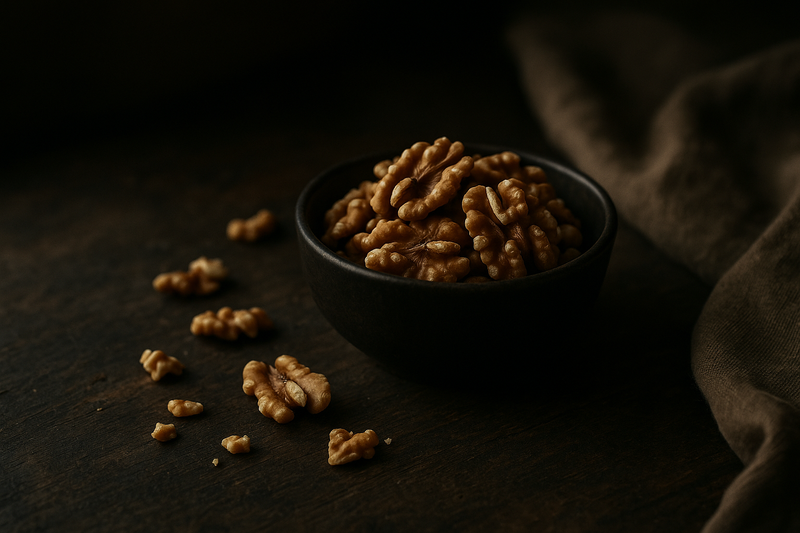
No single food clears brain fog, but a specific cluster of foods has real research behind attention, processing speed, and steady mental energy: plant sources of omega-3 fats like walnuts and chia seeds, flavonoid-rich blueberries, leafy greens like spinach, whole grains such as oats, extra virgin olive oil, and moderate caffeine from tea or coffee. Brain fog itself almost always has a cause, poor sleep, dehydration, blood sugar swings, low B12 or iron, stress, or an underlying condition, so food changes work best alongside that cause, not as a replacement for finding it.
Key takeaways
- Brain fog is a symptom, not a diagnosis, so foods that support attention work best alongside finding and addressing the underlying cause.
- The strongest evidence favors an overall dietary pattern (Mediterranean- and MIND-style eating) over any single "brain food."
- Plant omega-3 sources, berries, leafy greens, whole grains, and olive oil each have a specific, evidence-backed mechanism related to cognitive function.
- Steady blood sugar from whole grains and legumes matters as much as any specific nutrient, since glucose swings themselves cause fogginess.
- Sudden confusion, slurred speech, or one-sided weakness are stroke warning signs and need emergency care, not a dietary fix.
How these foods were chosen
This list prioritizes foods with human research tied to cognitive outcomes, attention, memory, processing speed, rather than foods that are simply high in a nutrient assumed to help the brain. That distinction matters: a food can be rich in antioxidants without any trial showing it changes how clearly a person thinks. Where the evidence is a controlled trial with a measurable outcome, that's noted as such; where it's an observational association or a plausible mechanism, that's noted too, since those are weaker forms of evidence than a clinical trial. The selection also leans on dietary pattern research from the National Institute on Aging and Harvard Health, since single-nutrient studies are far less consistent than studies of whole eating patterns like the Mediterranean and MIND diets.
The food list, and why each earns its place
Walnuts. Walnuts are one of the few plant foods that supply meaningful alpha-linolenic acid (ALA), a plant-based omega-3. The Walnuts and Healthy Aging (WAHA) study, a two-year randomized trial in older adults, is one of the larger controlled trials testing walnuts against cognitive outcomes, though a broader meta-analysis of walnut trials found the evidence mixed enough that no single conclusion has been reached. They're a reasonable everyday choice, not a guaranteed fix. Chia seeds and flaxseed. Chia seeds and ground flaxseed are other concentrated plant sources of ALA omega-3s, useful for people who don't eat fish and want a whole-food source of these fats. Blueberries and other berries. Blueberries are rich in flavonoids, plant compounds associated in some trials with modest improvements in memory tests among older adults, likely tied to better blood flow to the brain. Other berries share a similar flavonoid profile. Leafy greens. Spinach, kale, and similar greens supply folate, vitamin K, lutein, and dietary nitrates. Observational research on the MIND diet found that people who ate more green leafy vegetables had slower rates of cognitive decline than those who ate less, though this is an association, not proof that greens alone caused the difference. Extra virgin olive oil. Extra virgin olive oil is the primary fat in the Mediterranean and MIND diets, both linked in large observational studies to better long-term cognitive outcomes. Its polyphenols and monounsaturated fat profile are the leading proposed mechanisms. Oats and other whole grains. Oats digest more slowly than refined grains, which means a steadier glucose supply to the brain instead of a spike-and-crash pattern that can itself feel like fogginess. Green tea. Green tea pairs a modest amount of caffeine with L-theanine, an amino acid studied for producing calmer, more sustained alertness than caffeine alone, though most of this research uses concentrated extracts rather than a cup of tea.
How to actually use them
Small, repeatable swaps matter more than a single "brain food" binge. Use extra virgin olive oil as your default cooking fat instead of butter. Add a handful of walnuts or a spoonful of chia seeds to breakfast a few times a week. Keep berries on hand for a snack rather than treating them as a rare treat. Aim for leafy greens most days, not just occasionally. Choose oats or another whole grain over refined cereal or white bread most mornings. If you drink caffeine, pair it with food and keep the timing earlier in the day so it doesn't disrupt sleep, since poor sleep is itself one of the most common causes of brain fog. None of these changes need to happen overnight; building two or three of them into a normal week is more sustainable than an aggressive overhaul.
Why the overall pattern matters more than any single food
Individual-nutrient studies are notoriously inconsistent: a food that shows a benefit in one trial often shows nothing in the next, partly because cognition is influenced by sleep, stress, blood sugar, medication, and dozens of other factors at once. The research base is much stronger for whole dietary patterns. NIA-funded studies following hundreds of older adults found that closely following the MIND diet, built around vegetables, berries, whole grains, olive oil, and modest fish or plant omega-3 intake, was associated with a slower rate of cognitive decline and fewer signs of Alzheimer's-related brain pathology at autopsy. That kind of consistent, whole-pattern signal is more trustworthy than any claim built around one ingredient.
Who should adapt or be cautious
People taking warfarin or other vitamin K-sensitive blood thinners should keep leafy green intake consistent from week to week rather than swinging between very low and very high amounts, and should talk to their prescriber before making a big change. Anyone with a tree nut allergy should skip walnuts and lean on chia or flax instead. Caffeine can worsen anxiety, disrupt sleep, or raise heart rate in sensitive people, and pregnant people are generally advised to limit caffeine, so treat green tea's caffeine content accordingly. People with diabetes on glucose-lowering medication should track how whole grains and fruit affect their blood sugar rather than assuming any food is automatically safe. Anyone with kidney disease should ask a clinician before increasing potassium-rich foods like leafy greens.
When to seek care
Brain fog that comes on gradually and fits a pattern (worse when tired, better after a good night's sleep) is common and rarely urgent. But some presentations need immediate medical attention: sudden confusion, slurred speech, one-sided weakness or numbness, or a severe headache unlike any before are stroke warning signs and require emergency care right away. Fever with confusion, brain fog paired with unexplained weight loss, rapid heartbeat, or heat intolerance (possible thyroid involvement), memory loss that's interfering with work or daily tasks, or brain fog alongside low mood, hopelessness, or thoughts of self-harm all warrant a prompt visit to a clinician. If brain fog started after a new medication or a head injury, mention that specifically when you seek care, and don't stop or change any prescribed medication without talking to the prescriber first.
Bottom line
Foods rich in plant omega-3s, flavonoids, folate, and steady-release carbohydrates, eaten as a consistent pattern rather than a one-off fix, have the best evidence for supporting attention and mental clarity. They work alongside, not instead of, addressing the actual cause of brain fog, whether that's sleep, hydration, blood sugar, a nutrient deficiency, or something that needs medical evaluation.
Frequently asked questions
Can a single meal or food clear brain fog fast?
No. Foods that support cognition work through gradual, cumulative changes in inflammation, blood flow, and blood sugar stability. Anything promising an immediate fix from one meal is overstating the evidence.
Is brain fog the same as ADHD or a memory disorder?
No. Brain fog is a general term for feeling mentally slow or unfocused, and it can happen to anyone regardless of whether they have ADHD, a memory condition, or neither. Persistent or worsening symptoms deserve a proper evaluation rather than a self-diagnosis.
Does skipping meals cause brain fog?
It can. Skipping meals or going long stretches without eating can lower blood sugar enough to affect concentration and mood in some people, though the effect varies by individual and by how the body is otherwise regulating glucose.
Should I take an omega-3 or B12 supplement instead of changing my diet?
That depends on whether you actually have a deficiency, which a blood test can check. Supplements make sense for a diagnosed deficiency; using food first is a reasonable default for people without one, but talk to a clinician if fatigue and fog persist.
How much caffeine is reasonable for focus without side effects?
This varies by person, but most healthy adults tolerate moderate intake, roughly the equivalent of a few cups of tea or coffee, without major issues. Anxiety, sleep problems, pregnancy, or certain heart conditions are reasons to keep intake lower and talk to a clinician about what's appropriate.
Sources and evidence
- National Institute on Aging, What Do We Know About Diet and Prevention of Alzheimer's Disease
- National Institute on Aging, MIND and Mediterranean Diets Linked to Fewer Signs of Alzheimer's Brain Pathology
- NIH Office of Dietary Supplements, Omega-3 Fatty Acids Fact Sheet for Consumers
- Walnut intake, cognitive outcomes and risk factors: a systematic review and meta-analysis, PMC
- University of Rochester Medicine, What Causes Brain Fog
- Northwestern Medicine, Best Brain-Boosting Foods
- USDA FoodData Central
Know Your Numbers
Eating healthy is a start. Now get to know your biomarkers.
Food changes bloodwork — inflammation, lipids, blood sugar and nutrient status all respond to what you eat. 59 markers from $59.
- Results in 7–10 days at 2,000+ Quest sites
- Licensed provider reviews every result
- One flat price, no membership, HSA/FSA eligible
Educational information only, not medical advice. Panels are ordered and reviewed through our licensed partner; Plantopedia may earn a commission.