Black Walnuts — health benefits and uses
A traditional Appalachian food and folk remedy; the hulls were used medicinally.
The Short Answer
Black walnuts are highly nutritious wild nuts known for their bold, earthy flavor and high protein content. They provide 7 grams of plant protein and 17 grams of healthy fats per serving, along with essential minerals like manganese and magnesium.
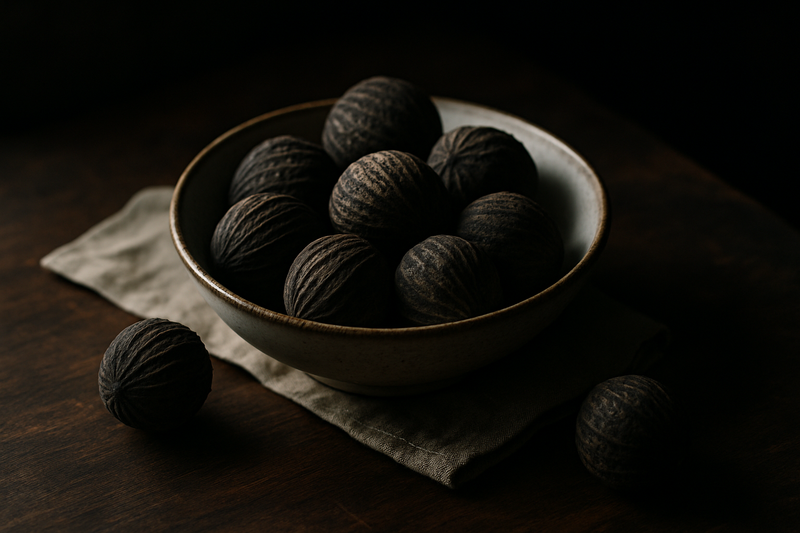
Black Walnuts · Photograph
Discover the science-backed black walnut health benefits and side effects, including heart support, omega-3 content, and plant protein. Learn black walnut nutrition facts, how to use them in baking, and who should be cautious — all in plain English.
Key Nutrients
% Daily Value based on 2,000 cal diet
Key active compounds in black walnuts
- Alpha-linolenic acid (ALA, omega-3): An essential plant-based omega-3 fatty acid (~2.68 g per 100 g). ALA serves as a precursor to longer-chain omega-3s and is associated with cardiovascular support in nut research.
- Phenolic acids and polyphenols: A broad family of plant compounds with antioxidant properties, found at levels comparable to English walnuts.
- Flavonoids: A subgroup of polyphenols (plant-based antioxidants) that may support vascular health and modulate inflammation-related cell signaling.
- Gallotannins: Hydrolysable tannins — compounds made up of gallic acid units — that contribute to black walnuts' astringent edge and overall antioxidant capacity.
- Phytosterols: Plant-derived compounds structurally similar to cholesterol that can compete with cholesterol for intestinal absorption, potentially supporting healthy LDL levels.
- Vitamin E (alpha-tocopherol): A fat-soluble antioxidant that helps protect cell membranes from damage caused by free radicals (unstable molecules that can harm cells).
- Magnesium, copper, manganese, zinc, selenium: Trace and macro minerals that act as cofactors (essential helpers) in hundreds of enzymatic reactions, from energy production to immune defense.
How to use black walnuts in baking and desserts (common pairings)
Black walnuts have such a distinct, almost woodsy flavor that a little restraint goes a long way. Here are three pairings that work particularly well:
1. Black walnuts + dark chocolate (brownies or fudge) Bittersweet chocolate tempers the astringency of the gallotannins and creates a complementary depth. Use 2–3 tablespoons of chopped black walnuts per standard brownie batch — enough for flavor without domination.
2. Black walnuts + maple syrup (oatmeal or energy balls) The natural caramel sweetness of maple syrup rounds out the earthiness beautifully. Toss a tablespoon of chopped black walnuts with rolled oats, maple syrup, and a pinch of cinnamon for a nutrient-dense breakfast topping.
3. Black walnuts + banana or vanilla base (plant-based ice cream) A neutral or lightly sweet base — banana "nice cream" or vanilla coconut milk ice cream — lets the black walnut flavor read as complex and aromatic rather than overpowering. Start with 1–2 tablespoons per two-serving batch and adjust from there.
Prep and pairing ideas
- Chop and toast lightly in a dry pan over medium-low heat for 3–4 minutes. The aroma intensifies dramatically, and the slight crunch improves texture in salads and grain bowls.
- Pulse in a food processor into a coarse meal and use as a partial substitute for almond flour in gluten-free baking — the flavor is bolder, so pair with strong spices like cinnamon or cardamom.
- Mix into energy bites with dates, rolled oats, and a spoon of nut butter. The protein and fat from black walnuts help slow sugar absorption from the dates.
- Sprinkle over roasted root vegetables (beets, carrots, sweet potato) with a drizzle of black walnut oil and fresh thyme for an earthy side dish.
- Swirl into plant-based yogurt with a drizzle of molasses — a nod to traditional Appalachian flavor combinations that highlight the nut's indigenous American roots.
- Store in the freezer: Black walnuts' high unsaturated fat content makes them prone to rancidity (breakdown of fats that causes an off flavor). Keep shelled kernels in an airtight container in the freezer for up to one year.
Bottom line
Black walnuts are a genuinely impressive native North American nut — higher in plant protein than most tree nuts, rich in unsaturated fats including omega-3 ALA, and loaded with antioxidant compounds that earned them a place in whole-food, plant-based eating long before they attracted scientific attention. The honest caveat is that rigorous human clinical trials targeting black walnut kernels specifically are still thin. Most of the health case rests on their nutrient and phytochemical composition and on research from English walnuts and mixed tree nuts — a reasonable extrapolation, but not yet a proven one.
For most healthy adults without a tree nut allergy, a 1 oz serving a few times a week is a safe, flavorful way to diversify nut intake and pick up meaningful amounts of protein, copper, manganese, and heart-friendly fats. Use them sparingly in baking and desserts — their intensity is a feature, not a flaw, when you let it shine in small doses. Store them in the freezer, start with half a serving if you're new to them, and fold them into an otherwise varied, plant-rich diet rather than treating them as a targeted remedy.
How Black Walnuts Compares
| Compared with | What's different |
|---|---|
| Black Walnuts vs. English Walnuts | Black walnuts have a bold, earthy, and musky flavor compared to the mild, buttery taste of English walnuts. |
| Black Walnuts vs. Pecans | Black walnuts provide more protein (7g per serving) and a much harder shell than softer, milder pecans. |
Health Benefits
Things to Know
Tree nut allergen: Black walnuts are one of the major tree nut allergens. If you have a known walnut or tree nut allergy, or a history of anaphylaxis (a severe, potentially life-threatening allergic reaction) to any nut, avoid black walnuts entirely and consult an allergist.
Calorie density: At ~170 kcal per oz, black walnuts can add up quickly. Measure portions if you're managing energy intake carefully.
GI sensitivity: Large amounts — more than 2 oz at once — can cause bloating or loose stools in some people due to high fat and fiber content. Start with half a serving if you're not used to eating nuts regularly.
Children: Whole or large pieces of black walnuts pose a choking risk for young children. Serve only finely ground.
Specific health conditions: People with fat-malabsorption conditions (e.g., certain pancreatic or gallbladder disorders) should discuss nut intake with their care team.
Medications: No well-documented drug interactions exist for culinary-level black walnut kernel intake. Indirectly, their effect on weight and lipid profiles may be relevant to people on cardiometabolic medications — mention them to your dietitian or doctor as part of your overall eating pattern.
Hull extracts: Concentrated black walnut hull preparations are not the same as eating the kernel. Their safety profile is poorly characterized and they are not part of a whole-food, plant-based approach.
Pregnancy and breastfeeding: Black walnuts in normal food amounts are not specifically contraindicated, but given the allergy risk and limited safety data in these populations, discuss with your provider if you are adding them for the first time.

Glossary
Shop This Ingredient
Stock your pantry with quality black walnuts.
Buy on AmazonAs an Amazon Associate, Plantopedia earns from qualifying purchases. This costs you nothing extra and helps us keep the encyclopedia free.
Frequently Asked Questions
Heart and circulation Black walnuts' fat profile is dominated by unsaturated fatty acids — roughly 15 g of monounsaturated fat and 36 g of polyunsaturated fat per 100 g, including 2.7 g of omega-3 ALA. They also supply magnesium, potassium, phytosterols, and vitamin E, all of which appear in the research literature as cardio-supportive nutrients. The U.S. FDA has recognized tree nuts broadly as foods that may help reduce cardiovascular risk, based on their low saturated fat content and high unsaturated fat, fiber, and phytochemical profile. Intervention studies on English walnuts and mixed tree nuts show improvements in blood lipid profiles (cholesterol and triglyceride levels) when nuts replace less healthy foods — but no randomized controlled trial has isolated black walnut kernels specifically. The heart-health case for black walnuts is therefore inferred from composition and broader nut science, not directly demonstrated. It's a plausible and reasonable inference, but worth naming clearly. Digestive health and microbiome One ounce of black walnuts provides about 2 g of dietary fiber. While that's modest in absolute terms, it adds to daily totals meaningfully, especially in a nut-forward plant-based diet. Fiber from nuts and other whole plant foods is well-established in human studies to support bowel regularity and slower gastric emptying (the rate at which food leaves the stomach). Their combination of fiber, healthy fat, and protein also promotes satiety — the feeling of fullness — which can support comfortable eating patterns. No clinical trials have specifically evaluated black walnuts as a digestive treatment. Blood sugar and metabolism Black walnuts are very low in sugar (1.1 g per 100 g) and provide fat, protein, and fiber that together slow digestion and help blunt post-meal blood sugar spikes when they replace refined carbohydrates. Human trials with mixed nuts and English walnuts have shown modest improvements in fasting glucose and HbA1c (a marker of average blood sugar over 2–3 months) in people with type 2 diabetes — but again, no direct trial evidence exists for black walnuts specifically. They can fit sensibly into blood-sugar-friendly eating patterns; they are not a standalone therapy. Inflammation and oxidative stress Black walnuts contain a meaningful concentration of flavonoids, gallotannins, phenolic acids, vitamin E, and selenium — all of which can scavenge free radicals and modulate inflammatory pathways in cell and animal studies. Similar compounds in other nuts are associated with reduced oxidative stress markers in human research. However, clinical trials specifically measuring inflammatory biomarkers after black walnut consumption have not been published to date. The anti-inflammatory potential of black walnuts in living humans is emerging and biologically plausible, but not yet directly confirmed. Plant protein and micronutrient density This is where black walnuts genuinely stand out among nuts. At 24 g protein per 100 g (7 g per oz), they deliver more plant protein than most tree nuts (almonds offer 6 g/oz; English walnuts 4.3 g/oz). Combined with their copper, manganese, magnesium, phosphorus, zinc, and selenium content, a small handful adds a real micronutrient contribution to plant-based meals — particularly useful for people eating little or no animal protein.
Raw (dried, shelled) kernels preserve the full range of phytochemicals and are ideal for snacking, sprinkling over oatmeal or salad, or blending into trail mix. Most nutrient data — including USDA figures — are based on this form. Roasted kernels develop a richer, nuttier flavor. The heat may slightly reduce some heat-sensitive antioxidants, but fat, protein, and mineral content stay largely intact. Light dry-roasting at home is a good middle ground. Ground or chopped (meal, crumble) is the most practical form for baking. Finely chopped black walnuts can be folded into cake batters, brownie doughs, fudge, or quick breads — distributing that bold, earthy flavor without overwhelming any single bite. This is the form most strongly associated with the ingredient's culinary identity. In frozen desserts (ice cream or plant-based alternatives): a small handful stirred into base mix or scattered as a topping is all you need. Black walnut ice cream is a regional American classic precisely because the intensity shines at low doses. Black walnut oil captures the unsaturated fat profile but removes most fiber and some micronutrients. It works beautifully as a finishing oil for dressings or drizzled over roasted vegetables, but it is not a substitute for eating the whole nut. Hull extracts and tinctures use the green hull, not the kernel, and fall entirely outside whole-food dietary use. Evidence for hull preparations is largely anecdotal and mechanistic; safety data in humans is limited, and they should only be considered under professional guidance.
There are no clinical dosing studies specifically for black walnut kernels. Guidance is extrapolated from the broader nut literature and general nutrition principles: Typical serving: 1 oz (28 g / about ¼ cup chopped) is the standard reference amount and a reasonable daily portion. Research context: Nut intervention trials generally use 1–2 oz of walnuts or mixed nuts per day to observe benefits in blood lipids, blood sugar, and inflammation markers. Practical ceiling: Because black walnuts are calorie-dense and intensely flavored, most people naturally self-limit to ½–1 oz in culinary use. This is nutritionally sensible. Start low: If you're new to black walnuts or to high-nut diets generally, start with half a serving (about 14 g) to assess digestive tolerance before increasing. Frequency: A few times per week as part of total nut intake (not necessarily every day) fits comfortably within dietary guidance from organizations like the American Heart Association. Not a supplement: Think of black walnuts as a flavorful, nutrient-dense food — not a medicine to be dosed. There is no established therapeutic dose for any specific health outcome. Looking for ways to build black walnuts into a broader heart-supportive or plant-based eating pattern? Browse our plant-based protein goals guide for practical whole-food strategies.
Plant-based athletes and active people Need efficient protein sources that don't rely on animal foods Benefit from the magnesium and manganese content, which support muscle function and energy metabolism Can use black walnuts to add caloric density and flavor variety to overnight oats, smoothie bowls, and post-workout snacks Home bakers looking for a flavor upgrade Want a distinctive, bolder alternative to standard walnuts or pecans in holiday baking Can use small amounts in fudge, quick breads, and brownies to achieve complex, earthy depth Benefit from the fiber and protein in the nut, which slightly offset the refined flour and sugar in baked goods
Quick Answers
Common questions, answered in a line.
Black walnuts are high in plant protein, heart-friendly omega-3 fats, and antioxidants like vitamin E and polyphenols. These nutrients, along with minerals like magnesium and copper, support cardiovascular health and immune defense when eaten as part of a plant-rich diet.
Black walnuts are a major tree nut allergen and should be avoided entirely by anyone with a walnut or tree nut allergy. Additionally, their high fat and fiber content may cause bloating or loose stools if consumed in large amounts, such as more than 2 ounces at once.
Black walnuts have a distinct, woodsy flavor that pairs exceptionally well with dark chocolate, maple syrup, and vanilla or banana bases. Because their flavor is so intense and slightly astringent, they are best used in small quantities, such as 2–3 tablespoons for a batch of brownies.
Black walnuts should be stored in an airtight container in the freezer to prevent them from going rancid. Their high unsaturated fat content makes them prone to spoilage, but they can stay fresh for up to one year when kept frozen.
Yes, black walnuts contain approximately 2.68 grams of alpha-linolenic acid (ALA) per 100 grams. ALA is an essential plant-based omega-3 fatty acid that serves as a precursor to longer-chain omega-3s and is associated with cardiovascular support.
Black walnuts are safe for most healthy adults, but those with tree nut allergies or fat-malabsorption conditions like gallbladder disorders should avoid them. Because whole nuts are a choking hazard, they should only be served finely ground to young children.
To enhance the flavor of black walnuts, chop and toast them lightly in a dry pan over medium-low heat for 3–4 minutes. This process intensifies their woodsy aroma and adds a crunch that works well in salads, grain bowls, or as a topping for roasted root vegetables.
For Readers in the USA
Local context — sourcing, seasonality, and regional notes.
American Black Walnuts (Juglans nigra) are native to the central and eastern United States, with the largest commercial harvests occurring in the Midwest and Appalachian regions. Missouri is currently the leading producer of wild-harvested black walnuts in the country.
Wild black walnuts typically ripen and fall from trees between late September and October across the United States. While the harvest is seasonal, you can find shelled, vacuum-sealed black walnuts in retail stores year-round.
Black walnuts are available at major U.S. retailers like Walmart, Kroger, and Whole Foods, often found in the baking aisle rather than the snack nut section. For the freshest supply, many consumers purchase them directly from Midwest-based processors like Hammons or at local farmers markets in the Ohio River Valley.
In the United States, look for the USDA Organic seal if you want nuts grown without synthetic pesticides, though many black walnuts are wild-harvested and naturally organic. The FDA classifies black walnuts as a major tree nut allergen, so they must be clearly labeled on all packaged foods.
AI Clinical Review
- Clearly distinguishes black walnuts from English walnuts and highlights their higher protein and robust mineral profile, while noting the strong unsaturated fat content that aligns with heart‑healthy dietary patterns.
- Appropriately frames most health inferences as extrapolated from broader walnut/tree‑nut research and nutrient composition, not from black‑walnut–specific clinical trials.
- Offers practical guidance on portions (about 1 oz/28 g), culinary uses, and storage to prevent rancidity—useful for everyday decisions.
- Sensibly addresses safety basics, including tree‑nut allergy risk and the important difference between edible kernels and non‑culinary hull extracts.
- Human clinical trials testing black walnut kernels specifically for cholesterol, glycemic control, or inflammatory biomarkers are limited; most benefits are inferred from English walnuts or mixed‑nut studies.
- Antioxidant and anti‑inflammatory claims are largely based on composition and lab/animal data; direct evidence linking black walnuts to improved human health outcomes is not yet strong.
- Cardiovascular endorsements and qualified health claims generally apply to nuts as a category; it’s reasonable—but not proven—to assume black walnuts confer similar effects.
- Microbiome‑specific impacts of black walnuts have not been rigorously studied in humans.
- Portion and calories: 0.5–1 oz (about 14–28 g) is a sensible serving; nut trials often use 1–2 oz/day, but black walnuts are calorie‑dense (~170 kcal/oz) and quite filling.
- Safety: Strictly avoid if you have a walnut or tree‑nut allergy; introduce gradually if you have a sensitive GI tract. Large pieces can be a choking risk for young children.
- Form matters: Whole or chopped kernels provide fiber and micronutrients; oils lack fiber; concentrated hull extracts/tinctures are not the same as food and have limited safety data.
- Medical context: No well‑documented drug interactions at food‑level intakes, but any lipid or glucose changes may affect monitoring if you’re on cardiometabolic medications—share dietary changes with your clinician.
Tree nut allergen; distinct intense flavor may overpower dishes.
References
- USDA FoodData Central — Nuts, walnuts, black, dried (FDC ID 170186): Official U.S. government nutrient database entry for dried black walnuts. (fdc.nal.usda.gov)
- MyPlate — Protein Foods Group: U.S. dietary guidance classifying nuts and seeds within the protein foods group. (myplate.gov)
- University of Nebraska Nutrition Study on Black Walnuts (Hammons Products): Technical analysis comparing nutrient composition of black walnuts vs English walnuts, including amino acids and minerals. (black-walnuts.com)
- Black Walnut Nutritional Data per 100 g (Hammons/USDA SR28): Compositional data table for black walnut kernels. (black-walnuts.com)
- Nuts, walnuts, black, dried — FatSecret/USDA values: Secondary nutrient profile consistent with USDA reference data. (foods.fatsecret.com)
- Nutrition Advance — Black Walnuts Nutrition Review: Evidence-based consumer article summarizing black walnut macros, micros, and potential benefits. (nutritionadvance.com)
- PMC/NIH — Review of walnut phytochemicals and health (2022): Peer-reviewed article covering phenolic content, antioxidant activity, and health associations for walnuts. (pmc.ncbi.nlm.nih.gov)
- CORDIS EU — U.S. Authorities Declare Tree Nuts Cardioprotective: Summary of FDA and broader regulatory recognition of tree nuts as cardiovascular-supportive foods. (cordis.europa.eu)
- Healthline — Black Walnuts Overview: Consumer health summary of black walnut nutrition and practical use considerations. (healthline.com)
- USDA Forest Service / Treesearch — Black Walnut Research: USDA Forest Service scientific resource on Juglans nigra characteristics and research. (research.fs.usda.gov)
Know Your Numbers
Eating healthy is a start. Now get to know your biomarkers.
Food changes bloodwork — inflammation, lipids, blood sugar and nutrient status all respond to what you eat. 59 markers from $59.
- Results in 7–10 days at 2,000+ Quest sites
- Licensed provider reviews every result
- One flat price, no membership, HSA/FSA eligible
Educational information only, not medical advice. Panels are ordered and reviewed through our licensed partner; Plantopedia may earn a commission.