Butternuts (White Walnuts) — health benefits and uses
A traditional food of northeastern Indigenous and settler communities.
The Short Answer
Butternuts, or white walnuts, are nutrient-dense tree nuts known for their sweet, buttery flavor and high concentration of omega-3 fatty acids (ALA). They provide 7 grams of protein and 66 mg of magnesium per ounce, supporting heart health and reducing
Butternuts (White Walnuts) · Photograph
Discover butternuts (white walnuts) nutrition and health benefits — from omega-3 rich healthy fats and plant protein to heart, blood sugar, and antioxidant support. Learn how this rare native nut compares to English walnuts, how much to eat, and what to watch out for.
Key Nutrients
% Daily Value based on 2,000 cal diet
Key active compounds in butternuts
- Alpha-linolenic acid (ALA): A plant-derived, essential omega-3 polyunsaturated fatty acid — meaning your body cannot make it, so it must come from food. Butternuts are a rich source, contributing to the anti-inflammatory and heart-supportive effects seen in broader nut research.
- Flavonoids: A broad family of plant polyphenols (natural plant chemicals with antioxidant properties) found in butternut nuts and husks. Linked to antioxidant and anti-inflammatory activity in experimental studies.
- Tannins: Astringent polyphenols that can bind proteins and affect microbial activity in the digestive tract. Historically relevant to butternut's traditional digestive uses, though their clinical significance at food-level intakes is unclear.
- Juglone: A naphthoquinone compound (a type of naturally occurring organic molecule) found across Juglans species, including butternut. Laboratory studies show antifungal and antimicrobial activity; human data are very limited.
- Beta-carotene: A carotenoid that the body can convert into vitamin A; functions as an antioxidant and may support eye health and immune function. Present in butternuts in modest amounts.
Prep and pairing ideas
Butternuts have a milder, creamier flavor than English walnuts, with none of the slight bitterness. That sweetness makes them versatile:
- Classic maple brittle: Toast lightly, then coat in pure maple syrup and a pinch of sea salt. The regional combination is iconic for a reason.
- Grain bowl topping: Sprinkle roughly chopped butternuts over a farro or wild rice bowl with roasted root vegetables and a miso-tahini dressing. The fat in the nuts helps you absorb fat-soluble nutrients from the vegetables.
- Banana-butternut breakfast loaf: Substitute butternuts for walnuts in any banana bread recipe. The sweeter, less tannic flavor pairs especially well with banana and warm spices.
- Savory herb stuffing: Fold butternuts into a whole-grain stuffing with sage, celery, and onion — a genuinely traditional autumn preparation in the northeastern United States.
- Nut butter: If you can source enough, blend raw butternuts into a smooth butter (similar to walnut butter). Spread on whole-grain toast with a drizzle of raw honey.
Bottom line
Butternuts are a nutritionally impressive, genuinely rare native tree nut. They deliver healthy unsaturated fats (including omega-3 ALA), solid plant protein, and an exceptional magnesium hit — all in a sweet, creamy package that is unlike anything most people have tasted. The honest caveat is that butternut-specific human trials are essentially nonexistent, so health claims are extrapolated from English walnut research and from the nuts' measured nutrient and phytochemical content. For a culinary whole food eaten in modest portions, that extrapolation is reasonable and the safety profile is good — unless you have a tree-nut allergy, in which case they are a hard no.
If you encounter fresh butternuts at a farmers' market or forage them yourself, grab them. Crack them, toast them lightly, fold them into maple candy, or just eat them straight. You are tasting a piece of North American food heritage that, thanks to canker disease, is genuinely endangered — and getting a nutrient-dense whole food in the bargain.
Buying guide
Fresh shelled butternuts are the gold standard — look for them at northeastern U.S. farmers' markets in early autumn, or from specialty foraging suppliers online. The shell should be hard and intact; kernels should smell sweet and slightly buttery, never musty or paint-like (a sign of rancidity).
Frozen butternuts from specialty suppliers preserve freshness well and are often a more reliable option than trying to source fresh ones out of season. Check that the only ingredient is butternuts — no added oils or preservatives.
Dried/shelf-stable butternuts are available from some online retailers. Check the packaging date carefully; because of their high polyunsaturated fat content, they have a shorter shelf life than lower-fat nuts. Vacuum-sealed packages are preferable.
Label tips: Avoid any product labeled "butternut squash seeds" — a completely different food. Look for Juglans cinerea or "white walnuts" to confirm you have the right product. If buying from a forager or market vendor, ask when they were cracked — freshness from shelling matters more than with some other nuts.
Skip: Pre-chopped or pre-ground butternuts sold in see-through plastic bags with no seal date — oxidation will already be underway.
How Butternuts (White Walnuts) Compares
| Compared with | What's different |
|---|---|
| Butternuts (White Walnuts) vs. English Walnut | Butternuts have a sweeter, buttery flavor without the bitter tannic skin found on English walnuts. |
| Butternuts (White Walnuts) vs. Black Walnut | Butternuts are richer and oilier with a more oblong shell compared to the earthy, round Black walnut. |
Health Benefits
Things to Know
Tree-nut allergy: Butternuts are tree nuts. Anyone with a confirmed or suspected tree-nut allergy should avoid them entirely. Cross-reactivity with other Juglans species (including English walnuts) is possible.
Calorie density: At ~171 calories per ounce, butternuts are energy-dense. A couple of generous handfuls can add 300–400+ calories. This is not inherently problematic — those calories bring real nutritional value — but if you are working toward a calorie deficit, measure portions.
Children under 5: Whole nuts are a choking hazard for young children. Finely ground butternuts mixed into foods are safer.
Bark preparations during pregnancy/breastfeeding: Butternut bark laxative products lack safety data for pregnancy or lactation and should be avoided without explicit medical guidance.
Laxative interactions: If you use prescription or OTC laxatives, butternut bark products (distinct from the culinary nut) may add an unpredictable additive effect. Stick to the food form if in doubt.
Oxidative stability: Because butternuts are rich in polyunsaturated fats, they can go rancid relatively quickly once shelled. Store shelled butternuts in an airtight container in the refrigerator (up to 3 months) or freezer (up to a year). Rancid nuts taste bitter and should be discarded.
Juglone sensitivity in gardening: If you grow your own or forage near butternut trees, note that juglone leached from the roots can suppress growth of some nearby plants — unrelated to eating the nuts, but worth knowing.
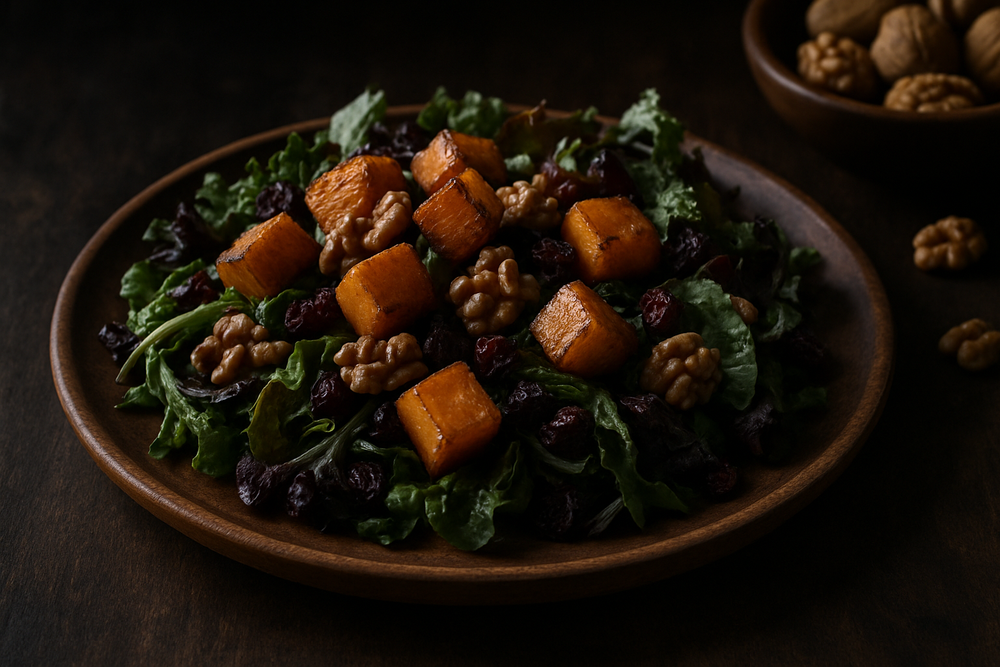
Prep Ideas
- — **Classic maple brittle:** Toast lightly, then coat in pure maple syrup and a pinch of sea salt. The regional combination is iconic for a reason.
- — **Grain bowl topping:** Sprinkle roughly chopped butternuts over a farro or wild rice bowl with roasted root vegetables and a miso-tahini dressing. The fat in the nuts helps you absorb fat-soluble nutrients from the vegetables.
- — **Banana-butternut breakfast loaf:** Substitute butternuts for walnuts in any banana bread recipe. The sweeter, less tannic flavor pairs especially well with banana and warm spices.
- — **Savory herb stuffing:** Fold butternuts into a whole-grain stuffing with sage, celery, and onion — a genuinely traditional autumn preparation in the northeastern United States.
- — **Nut butter:** If you can source enough, blend raw butternuts into a smooth butter (similar to walnut butter). Spread on whole-grain toast with a drizzle of raw honey.
Glossary
Shop This Ingredient
Stock your pantry with quality butternuts (white walnuts).
Buy on AmazonAs an Amazon Associate, Plantopedia earns from qualifying purchases. This costs you nothing extra and helps us keep the encyclopedia free.
Frequently Asked Questions
Because no controlled human trials have been conducted specifically on butternut nuts, the benefits below are drawn from their documented nutrient and phytochemical profile plus research on closely related nuts — primarily English walnuts. Think of this as informed extrapolation, not proven certainty. Heart and circulation Butternuts' fat profile is dominated by polyunsaturated fats, including the plant omega-3 ALA. English walnut research — the closest available proxy — consistently shows that replacing refined carbohydrates or saturated fats with roughly 30–60 g of walnuts per day can improve lipid profiles, particularly by lowering LDL ("bad") cholesterol and supporting healthier HDL levels. These cardiovascular effects are thought to stem from the same unsaturated fat and polyphenol chemistry that butternuts share. Butternuts also contribute magnesium (237 mg per 100 g is a notably high value), a mineral involved in blood pressure regulation, vascular tone, and normal heart rhythm. Adequate magnesium intake is consistently associated with lower cardiovascular risk in population studies, though nut consumption as a magnesium vehicle is just one part of a broader dietary picture. Digestive health and microbiome Butternuts provide modest dietary fiber (1.3 g per ounce), and like other nuts, the combination of fiber and healthy fats may support comfortable bowel regularity when they replace more processed snack foods. The traditional reputation of butternut bark preparations as a mild laxative is well-documented in North American herbal medicine, but modern evidence reviews conclude there is no good scientific evidence from controlled human studies to back these uses up. The bark is a different product from the culinary nut, and the two should not be conflated. From a microbiome standpoint, nuts in general have been associated with modest favorable shifts in gut bacteria in human studies, but butternut-specific data simply do not exist yet. Blood sugar and metabolism Butternuts are low in carbohydrates and high in protein and fat — a macronutrient pattern associated with a low glycemic load (meaning they cause a slow, modest rise in blood sugar rather than a spike). In mixed tree-nut studies, substituting nuts for refined carbohydrates has shown modest improvements in glycemic control and insulin sensitivity in people with type 2 diabetes. Those findings are not specific to butternuts, but the logic reasonably extends to them given the similar macronutrient profile. People managing diabetes can include a small handful of butternuts as part of a balanced meal plan, though they should account for the calorie and fat contribution. Inflammation and recovery The ALA, flavonoids, and tannins in butternuts all show anti-inflammatory and antioxidant activity in laboratory and preclinical settings. Broader walnut research in humans reports modest reductions in inflammatory markers (like C-reactive protein, a blood marker of systemic inflammation) when walnuts are eaten regularly as part of a heart-healthy diet. Whether butternuts produce the same effects in humans is genuinely unknown, but the phytochemical overlap is substantial.
Raw or lightly toasted whole nuts are the most nutrient-intact form. Minimal heat preserves heat-sensitive polyphenols and prevents the formation of oxidized fats (which can occur when polyunsaturated-fat-rich nuts are roasted at high temperatures or stored after roasting for too long). Light toasting — low oven temperature, short duration — enhances the naturally buttery flavor without significantly altering the nutrient profile. Chopped or ground butternuts work beautifully in baking, grain bowls, and savory stuffings. Grinding increases surface area exposure to air and heat, so use ground butternuts promptly and store any excess in an airtight container in the fridge or freezer. Butternut maple candies and confections are a beloved regional tradition but come with added sugar. Enjoy them as an occasional treat rather than a daily nutrition strategy. Butternut oil concentrates the unsaturated fats, but processing strips the fiber and most of the protein. It can be a flavorful finishing oil used in small amounts, but it is not a direct substitute for eating the whole nut. Bark-based preparations (teas, tinctures) fall outside culinary use entirely. Modern evidence reviews note insufficient evidence for their safety and efficacy, and they should not be used without guidance from a knowledgeable healthcare provider.
The plant-forward protein seeker Butternuts offer roughly 7 g of protein per ounce — higher than almonds (6 g) and close to pumpkin seeds, making them a useful whole-food protein contributor. They pair well with legumes and whole grains to build varied amino acid intake across the day. Their healthy fat density means a small handful genuinely satisfies hunger, helping prevent the urge to snack on less nutritious options. The magnesium-minded adult Many adults fall short of the magnesium RDA (Recommended Dietary Allowance — the daily intake level considered adequate for most healthy people); butternuts are one of the higher-magnesium whole foods available. A handful a few times per week can meaningfully contribute to daily magnesium intake alongside leafy greens, legumes, and whole grains. People who experience muscle cramps, poor sleep, or fatigue sometimes find that closing the dietary magnesium gap makes a noticeable difference, though individual responses vary.
No standardized therapeutic dose has been established for butternut nuts specifically. The most useful reference point is general nut guidance: major dietary guidelines and nut research typically use a serving of roughly 1 oz (28 g), eaten several times per week as part of a varied, whole-foods diet. Practically speaking: Start with 1 small handful (about 28 g) a few times per week, especially if nuts are new to your diet or you are watching calorie intake. Up to 40 g daily aligns with intake levels used in walnut cardiovascular research and is unlikely to cause problems for most healthy adults when balanced within overall calorie needs. More is not always better. Beyond about 40–60 g, additional cardiovascular benefit is not well established, and the calorie contribution climbs quickly. If you are eating butternuts for their magnesium content specifically, a daily 28-g serving contributes roughly 16% of the adult RDA — a meaningful but partial contribution that works best alongside other magnesium-rich whole foods. A dietitian can help you figure out how butternuts fit within your individual calorie and macronutrient targets.
Quick Answers
Common questions, answered in a line.
Butternuts, also known as white walnuts, have a milder and creamier flavor profile compared to English walnuts, lacking the typical slight bitterness. They are physically characterized by a sweet, buttery taste and are often used as a sweeter substitute in baking recipes.
Butternuts are an excellent plant-based source of Alpha-linolenic acid (ALA), an essential omega-3 polyunsaturated fatty acid that the body cannot produce on its own. These fats contribute to anti-inflammatory and heart-supportive effects, similar to those found in other nuts.
Shelled butternuts should be stored in an airtight container in the refrigerator for up to three months or in the freezer for up to one year. Because they are rich in polyunsaturated fats, they are prone to oxidation and can go rancid quickly if left at room temperature.
You should avoid butternuts if you have a confirmed or suspected tree-nut allergy, as they are part of the Juglans species. There is a high risk of cross-reactivity for those already allergic to English walnuts or other tree nuts.
To identify genuine butternuts, look for the scientific name Juglans cinerea or the common name "white walnuts" on the label. Be careful to avoid products labeled "butternut squash seeds," which are an entirely different food item.
Butternuts provide a variety of bioactive compounds including flavonoids, tannins, and beta-carotene, which offer antioxidant and anti-inflammatory properties. They also contain juglone, a compound being studied in laboratories for its potential antifungal and antimicrobial activity.
One ounce of butternuts contains approximately 171 calories, making them an energy-dense food choice. While they offer significant nutritional value, those monitoring their caloric intake should measure portions to avoid adding unintended calories to their diet.
For Readers in the USA
Local context — sourcing, seasonality, and regional notes.
Butternuts are native to the Eastern United States, primarily found from New England and the Mid-Atlantic states west to Minnesota and south to the mountains of North Carolina. They are harvested in the early autumn months, typically from late September through October.
Butternuts are rarely found in major US grocery chains like Kroger or Safeway; instead, look for them at local farmers markets in the Northeast and Midwest or through specialty online foragers. Because of the butternut canker disease, they are considered a specialty item and are often sold directly by independent growers.
While rare, you may find butternuts labeled with the USDA Organic seal if they are harvested from certified land, but most are "wild-foraged," which does not require official certification. Always check that the botanical name Juglans cinerea is on the label to ensure you aren't buying imported English walnuts or squash seeds.
AI Clinical Review
- Clearly distinguishes the edible nut from bark-based herbal products and appropriately notes the lack of clinical evidence for bark uses.
- Accurately frames health effects as extrapolations from English walnut and mixed–tree nut research, highlighting an ALA-rich, unsaturated fat profile linked to heart health when nuts replace saturated fats/refined carbs.
- Provides practical serving guidance (about 1 oz/28 g; up to ~40 g/day) that aligns with amounts commonly used in walnut studies and general diet guidance.
- Calls out meaningful nutrients (magnesium, protein) and practical storage considerations due to the nuts’ polyunsaturated fat content.
- Appropriately flags tree‑nut allergy risk and choking hazards for young children.
- There are no randomized human trials on butternut consumption; cardiometabolic, inflammatory, or microbiome benefits remain inferred from related nuts.
- The exact ALA and polyphenol content of butternuts likely varies by cultivar, harvest, and storage; dose–response data for ALA from butternuts specifically are not defined.
- Human relevance of juglone, tannins, and other phytochemicals is uncertain; most supportive data are in vitro or animal-based.
- Comparisons suggesting higher magnesium/iron than other nuts rely on limited composition datasets; broader analyses would help confirm typical ranges.
- Portion size matters: ~171 kcal per ounce. Fit servings into total daily energy needs, especially for weight management or diabetes meal planning.
- Form differences: raw or lightly toasted whole nuts best preserve nutrients; confections add sugar; expressed oils lack fiber and most protein.
- Storage: PUFA-rich nuts can turn rancid—store shelled butternuts refrigerated or frozen and discard if bitter or "paint-like" in smell.
- Avoid entirely with any tree‑nut allergy or uncertain allergy status. Pregnant or breastfeeding individuals should avoid bark/laxative preparations and consult a clinician before any non-food use.
Tree nut allergen; increasingly rare due to canker disease.
References
- USDA FoodData Central — Nuts, butternuts, dried (nutrition data foundation for this page): (fdc.nal.usda.gov)
- MyPlate — Protein Foods guidance (context for nuts as a protein source): (myplate.gov)
- WebMD Natural Medicines — Butternut overview, uses, side effects, and interactions (safety and evidence review): (webmd.com)
- Healthline — Walnuts 101: Nutrition Facts and Health Benefits (primary proxy evidence from English walnut research): (healthline.com)
- Edible Madison — Butternuts (seasonal and culinary context): (ediblemadison.com)
- Only Foods — Juglans cinerea (Butternut) phytochemical and traditional use overview: (onlyfoods.net)
- Agric4Profits — 20 Medicinal Health Benefits of Juglans cinerea (traditional and preclinical claims; note: limited human trial evidence): (agric4profits.com)
- Nootropics Planet — Butternut: Benefits, Dosage, Side Effects, Drug Interactions: (nootropicsplanet.com)
- Reality Pathing — Types of Walnuts: Understanding Their Unique Nutritional Profiles (butternut vs walnut comparison): (realitypathing.com)
- Eat This Much — Butternuts Nutrition Facts (per-serving macro reference): (eatthismuch.com)
Know Your Numbers
Eating healthy is a start. Now get to know your biomarkers.
Food changes bloodwork — inflammation, lipids, blood sugar and nutrient status all respond to what you eat. 59 markers from $59.
- Results in 7–10 days at 2,000+ Quest sites
- Licensed provider reviews every result
- One flat price, no membership, HSA/FSA eligible
Educational information only, not medical advice. Panels are ordered and reviewed through our licensed partner; Plantopedia may earn a commission.