Almond Meal — health benefits and uses
Ground almond has been a Mediterranean and Persian baking base for centuries.
The Short Answer
Almond meal is a coarse flour made from whole ground almonds, providing 7 grams of protein and 3 grams of fiber per quarter-cup serving. It is naturally gluten-free and contains the almond skins, which offer more antioxidant flavonoids than blanched almond
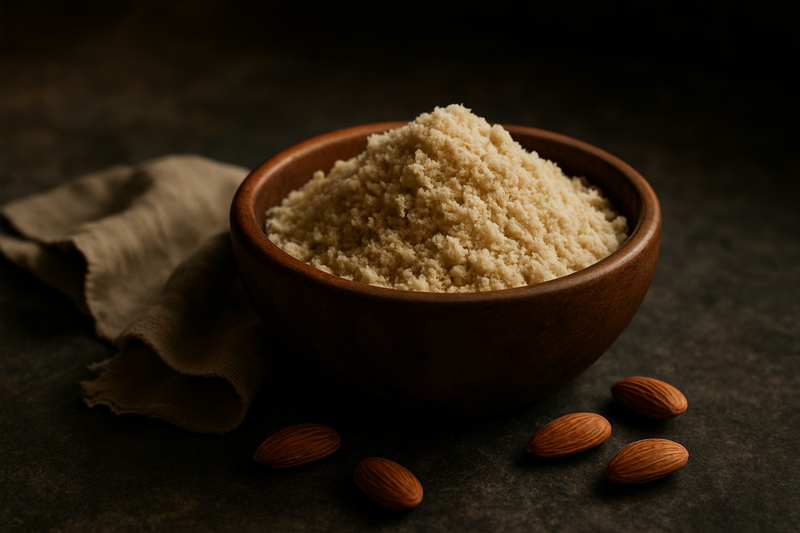
Almond Meal · Photograph
Discover almond meal health benefits and nutrition facts, including how this skin-on, whole-ground nut flour supports heart health, blood sugar, and digestion. Learn how it compares to almond flour, how to use it in baking, and who should take care.
Key Nutrients
% Daily Value based on 2,000 cal diet
Key active compounds in almond meal
- Tocopherols (vitamin E family): Fat-soluble antioxidant molecules — alpha-tocopherol is the dominant form in almonds — that protect cell membranes and LDL particles (the "bad" cholesterol carrier) from oxidative damage.
- Flavonoids and phenolic acids (in the skin): Polyphenolic compounds — including flavan-3-ols and phenolic acids — concentrated in the brown almond skin. They exert antioxidant and anti-inflammatory effects and can support a healthy gut microbiome. Because almond meal keeps the skin, it contains more of these than blanched almond flour.
- Phytosterols (e.g., beta-sitosterol): Plant-derived sterols structurally similar to cholesterol. They compete with cholesterol for absorption in the small intestine, helping to nudge LDL levels down.
- Monounsaturated fatty acids (primarily oleic acid): The same heart-healthy fat type found in olive oil. These make up the majority of almond meal's fat content and are linked to improved lipid profiles and insulin sensitivity when they replace saturated fats in the diet.
- Prebiotic fiber: Insoluble and soluble fibers that feed beneficial gut bacteria and contribute to digestive regularity and satiety.
Prep and pairing ideas
Almond meal's coarser grind and slightly oily texture make it ideal for recipes where you want a moist crumb, a nutty bite, or a crunchy coating. Here are three practical pairings that highlight why it works so well:
1. Almond meal + dark berries (in cakes or crumbles) The tannins and anthocyanins (plant pigments with antioxidant properties) in dark berries like blueberries and raspberries complement almond meal's vitamin E and polyphenols to create an antioxidant-rich dessert. Texturally, berries add moisture that balances almond meal's density.
2. Almond meal + eggs or flax egg (in crusts and tarts) Fat and protein bind together well. Almond meal's oleic acid-rich fat combines with the lecithin in eggs (or ground flaxseed mixed with water for a plant-based binder) to create a short, crumbly pastry that holds its shape without refined flour. This is the backbone of the classic French financier and Italian almond tart.
3. Almond meal + lemon zest (in coatings for baked tofu or vegetables) The citrus oils in lemon zest cut through the richness of almond meal's fats, producing a lighter-tasting crumb coat. The combination works brilliantly on baked cauliflower florets, eggplant slices, or pressed tofu — adding protein and crunch without deep frying.
Basic use ratios: In most recipes, almond meal can replace up to 25–50% of wheat flour for a moister, denser result. For fully gluten-free baking, it typically needs a binder (egg, flax egg, or psyllium husk) to compensate for the lack of gluten structure.
Bottom line
Almond meal is a whole-food nut flour that earns its place in both the kitchen and a nutrient-conscious diet. Retaining the almond skin gives it a modest nutritional edge over blanched almond flour — more fiber, more polyphenols, and a similar generous dose of vitamin E, plant protein, and heart-healthy monounsaturated fats. The evidence behind these benefits, drawn mainly from whole-almond human trials, consistently points toward meaningful improvements in LDL cholesterol, blood sugar response, gut microbiome health, and inflammatory markers.
It is not a magic ingredient, and it won't single-handedly transform a poor diet. But as a practical, versatile swap for refined wheat flour in rustic cakes, crusts, and coatings, it makes everyday baking meaningfully more nutritious. Store it cold, respect its calorie density, and keep the allergen risk in mind when cooking for others.
Looking to explore more ways food can support your health goals? Browse our Plantopedia goals hub to see ingredient guides grouped by what you're working toward.
How Almond Meal Compares
| Compared with | What's different |
|---|---|
| Almond Meal vs. Almond Flour | Made from blanched almonds without skins, resulting in a finer texture and lighter color. |
| Almond Meal vs. Wheat Flour | Higher in carbohydrates and protein, with a much finer, powdery consistency for airy cakes. |
| Almond Meal vs. Coconut Flour | Significantly higher in fiber and requires much more liquid/moisture in recipes. |
Health Benefits
Things to Know
Tree nut allergy: Almond meal is a major allergen. Anyone with a known almond or broader tree nut allergy must avoid it. Reactions can range from mild oral itching to severe anaphylaxis. Always check packaged food labels.
Rancidity risk: The high unsaturated fat content means almond meal goes rancid faster than wheat flour. Store in an airtight container in the fridge for up to 3 months, or in the freezer for up to 6 months. Smell it before use — a bitter, paint-like odour means it has turned.
Calorie density: A quarter cup delivers around 180 calories. Almond meal is nutritious but energy-dense; portions matter, especially for people managing their weight.
Digestive sensitivity: Introduce gradually if you are not used to high-fiber, high-fat foods. Gas and bloating are possible when intake increases quickly.
Medication interactions: People taking medications for hyperlipidaemia (high blood fats) or on insulin therapy should flag significant dietary changes — including regular almond meal use — to their healthcare provider, as almonds can influence lipid levels and postprandial blood sugar.
Vitamin E supplements: If you take high-dose vitamin E supplements, note that almond meal already provides close to half the daily vitamin E target per serving. Very high combined vitamin E intakes may theoretically interact with anticoagulant (blood-thinning) medications; discuss with a pharmacist or doctor if this applies to you.
Pregnancy: Almond meal is generally considered safe during pregnancy as part of a varied diet. The main concern remains the allergen risk; if you have a personal or family history of nut allergies, consult a healthcare provider.
Children: Almond meal in baked goods is more appropriate for young children than whole almonds (choking risk), but allergy considerations still apply.

Glossary
Shop This Ingredient
Stock your pantry with quality almond meal.
Buy on AmazonAs an Amazon Associate, Plantopedia earns from qualifying purchases. This costs you nothing extra and helps us keep the encyclopedia free.
Frequently Asked Questions
Most clinical research uses whole or chopped almonds rather than almond meal specifically. However, because almond meal is essentially ground whole almonds, its nutritional profile — and therefore its likely health effects — is very similar. Where the evidence comes from whole-almond trials, this is noted clearly below. Heart and circulation The cardiovascular evidence for almonds is among the strongest in the nut research world. A 6-week randomised trial published in 2020 found that adults at above-average cardiovascular risk who snacked on whole almonds (roughly 43 g/day) significantly improved endothelial function (the ability of blood vessel walls to relax and contract properly) and reduced LDL cholesterol compared with a control snack group. A 12-week trial in adolescents and young adults also reported reduced LDL and total cholesterol from daily almond intake. Broader reviews of almond clinical trials conclude that regular consumption can favourably shift lipid composition, blood pressure, and oxidative status — all meaningful risk markers for heart disease. The mechanism involves several overlapping pathways: oleic acid and phytosterols lowering LDL, vitamin E protecting LDL from oxidation, and polyphenols from the skin supporting blood vessel flexibility. Almond meal, with its skins retained, may offer a slight edge over blanched almond flour for these benefits — though head-to-head trials comparing the two forms have not yet been done. Digestive health and microbiome Almond meal contributes around 3 g of dietary fiber per quarter-cup serving. A 2025 study published in npj Science of Food found that adults who snacked on almonds for 6 weeks showed meaningful shifts in their gut microbiome composition and related metabolites, with changes correlating to improvements in cardiometabolic and inflammatory markers. This suggests almonds act as a prebiotic — feeding the beneficial bacteria that help regulate digestion, immunity, and inflammation. The coarser texture of almond meal, combined with its insoluble fiber and skin polyphenols, may be particularly useful for gut health compared with finer, blanched almond flour. That said, a sudden large increase in almond meal can cause gas or bloating in people with sensitive digestion; building intake up gradually is the sensible approach. Blood sugar and metabolism Several human studies suggest that almonds can blunt the blood sugar spike after a meal. In one randomised trial of 19 adults (including people with type 2 diabetes), adding just 28 g of almonds to a test meal reduced postprandial glycemia — the rise in blood glucose after eating — by roughly 30% compared with an almond-free meal of the same calorie level. A separate 12-week study in Asian Indian adults with overweight found daily almond intake improved insulin resistance and overall blood glucose control. Another 12-week trial in adolescents and young adults linked almond snacking to lower HbA1c (a 3-month average blood sugar marker). Almond meal is naturally low in digestible carbohydrate, so baked goods made with it tend to produce a gentler blood sugar response than the same recipe made with refined wheat flour — an effect that is plausible but has not been tested in dedicated controlled trials comparing the two flours directly. Inflammation and recovery Almond meal's combination of vitamin E, oleic acid, magnesium, and skin polyphenols forms a credible anti-inflammatory package. Reviews of almond consumption consistently report favourable changes in oxidative status and inflammatory biomarkers such as C-reactive protein (CRP, a blood marker of systemic inflammation). The 2025 gut microbiome trial also found that improvements in the microbiome after almond snacking were associated with reduced inflammatory markers, suggesting the effect may partly run through the gut-immune axis. This evidence is based on biomarker changes rather than hard clinical endpoints like hospitalisations, so it should be interpreted as supportive rather than conclusive. Hormones and cycle health Most hormone-related research on almonds focuses on metabolic hormones. Several trials show improved insulin sensitivity and better pancreatic function after regular almond intake — relevant for anyone managing prediabetes, metabolic syndrome, or PCOS (polycystic ovary syndrome), a condition linked to insulin resistance. Body composition data also suggests almonds can help manage appetite without promoting weight gain, which may indirectly reflect hormonal shifts in satiety signalling. Evidence on sex hormones, thyroid function, or menstrual cycle effects is limited; treat any hormone-related claims as preliminary until more research is available.
This is one of the most common questions about almond meal vs almond flour health benefits, and the answer depends on what you are using it for. Almond meal (whole-ground, skins on): Coarser texture; works well in rustic cakes, tart bases, crumble toppings, and breadings Slightly higher in fiber, minerals, and skin polyphenols Denser, more speckled appearance in baked goods Nutritionally closer to eating the whole nut Almond flour (finely ground, blanched): Smooth, pale flour; better for delicate sponge cakes, macarons, and pastry Similar macronutrient profile but slightly less fiber and fewer polyphenols due to skin removal Finer grind can produce a lighter crumb Bottom line on form: If your goal is maximum nutritional value, almond meal wins modestly. If you need a light, fine-textured bake, almond flour is more practical. For most everyday cooking, either is an excellent whole-food upgrade from refined white flour.
The gluten-free home baker Needs a flavourful, versatile wheat flour alternative that doesn't produce gummy or cardboard-textured baked goods Benefits from almond meal's natural moisture and fat content, which compensate for the absence of gluten Gets a meaningful nutritional upgrade — more protein, fiber, and micronutrients — compared with rice flour or tapioca-based blends The plant-based eater looking to boost protein and healthy fats Often looking for whole-food protein sources beyond legumes and tofu Almond meal provides 7 g plant protein per quarter-cup with no cholesterol and minimal saturated fat The vitamin E, magnesium, and copper in almond meal fill gaps that are common on plant-based diets, particularly for people not eating a wide variety of nuts and seeds regularly
Human trials showing cardiometabolic benefits generally use 28–60 g of almonds per day (roughly 1 to 2 oz, or about 2 to 4 tablespoons of almond meal). Most participants in these studies did not gain weight, particularly when almond meal or almonds replaced less nutritious snacks rather than being added on top of an unchanged diet. Practical starting guidance: Start with 1 to 2 tablespoons per day if you are new to high-fat, high-fiber foods, to give your digestive system time to adjust. Work toward 2 to 4 tablespoons (roughly 30–60 g) as a regular culinary amount, incorporated into meals — a slice of almond meal cake, a tart crust, or a breaded baked dish. There is no universally agreed upper limit for healthy adults. At very high intakes (several cups per day), calorie surplus becomes the main concern, not toxicity. If you have a health condition or are managing medications, discuss how much is appropriate for you with a qualified health professional.
Quick Answers
Common questions, answered in a line.
Almond meal is rich in monounsaturated fatty acids, phytosterols, and tocopherols (vitamin E) which collectively help improve lipid profiles. Phytosterols compete with cholesterol for absorption in the small intestine, specifically helping to nudge LDL levels down.
Almond meal can typically replace 25% to 50% of wheat flour in most recipes to create a moister, denser result. For fully gluten-free baking, you will usually need to add a binder like eggs, flax eggs, or psyllium husk to compensate for the lack of gluten.
Almond meal should be stored in an airtight container in the refrigerator for up to three months or in the freezer for up to six months. Because of its high unsaturated fat content, it can go rancid quickly; a bitter or paint-like odor indicates it has spoiled.
Almond meal contains prebiotic fiber and polyphenolic compounds, such as flavonoids and phenolic acids, which support a healthy gut microbiome. These fibers feed beneficial gut bacteria and contribute to digestive regularity and satiety.
Yes, almond meal is rich in tocopherols (vitamin E) and monounsaturated fatty acids like oleic acid, which are linked to improved insulin sensitivity. It also helps manage blood sugar response when used as a whole-food alternative to refined flours.
Almond meal contains more flavonoids and phenolic acids than blanched almond flour because these antioxidant compounds are concentrated in the brown almond skin. These polyphenols exert anti-inflammatory effects and support gut health.
For Readers in the USA
Local context — sourcing, seasonality, and regional notes.
California produces approximately 80% of the world's almond supply, with the peak harvest occurring between August and October. While almonds are harvested in late summer, almond meal is processed and available year-round in grocery stores across the United States.
You can find almond meal at major U.S. retailers like Trader Joe's, Whole Foods Market, and Costco, as well as in the bulk bins of local natural food cooperatives. Look for it in the baking aisle or the specialized gluten-free section, where it is often sold under brands like Bob's Red Mill or store-brand labels.
For a product to be labeled as "USDA Organic" almond meal, it must be produced without synthetic pesticides or GMOs, which is a popular choice for U.S. consumers concerned about agricultural chemicals. While conventional almonds are widely available, the USDA organic seal ensures strict adherence to federal soil quality and pest control standards.
In the U.S., "almond meal" typically refers to the coarse grind of whole almonds with skins, whereas "almond flour" usually denotes a finer grind made from blanched (skinless) nuts. While some American brands use the terms interchangeably, checking the package for brown specks will confirm you are buying the skin-on meal described in this article.
AI Clinical Review
- Clearly explains the difference between almond meal (skins on) and blanched almond flour, and why retaining the skin modestly boosts fiber and polyphenols.
- The nutrition snapshot (about 7 g protein, mostly unsaturated fats, and ~7 mg vitamin E per 30 g) aligns with standard food composition data for ground almonds.
- Summarizes human research showing that regular almond intake can modestly lower LDL cholesterol, improve endothelial function, and blunt post‑meal glucose spikes when almonds replace other calories.
- Practical guidance on gluten‑free baking uses, binders, and cold storage to reduce rancidity is accurate and consumer‑friendly.
- Most benefits are extrapolated from trials using whole or chopped almonds; direct studies on almond meal—and head‑to‑head comparisons with almond flour—are limited.
- Early microbiome findings are promising but based on small, short‑term studies; links to long‑term clinical outcomes remain uncertain.
- Anti‑inflammatory and hormone/PCOS discussions rely largely on biomarker changes; evidence for effects on hard outcomes (symptoms, events) is not yet established.
- The glycemic impact of almond‑meal baked goods versus comparable wheat‑flour versions has not been rigorously tested in controlled trials.
- Allergy: Almond meal is a tree‑nut allergen. People with nut allergies should avoid it and watch for cross‑contact in packaged foods and shared kitchens.
- Portions and storage: Start with 1–2 tablespoons/day if new to it; 2–4 tablespoons (about 30–60 g/day) is a common research range. It’s calorie‑dense; store airtight in the fridge or freezer to slow rancidity.
- Medical considerations: If you use insulin or other glucose‑lowering medicines that can cause hypoglycemia, or take anticoagulants or high‑dose vitamin E supplements, discuss regular almond‑meal use with your clinician.
- Digestive and kidney stone concerns: Almond products can be higher in fermentable carbs and oxalate; individuals with IBS or a history of calcium‑oxalate stones may need portion control or personalized advice.
Tree nut allergen; store cold to prevent the oils from going rancid.
References
- USDA FoodData Central — Almonds, ground (nutrition data): (fdc.nal.usda.gov)
- USDA MyPlate — Protein Foods group, includes nuts and seeds (public health guideline): (myplate.gov)
- Harvard T.H. Chan School of Public Health, The Nutrition Source — Almonds (nutrition overview): (nutritionsource.hsph.harvard.edu)
- Randomised trial: 6-week whole-almond snacking improved endothelial function and LDL cholesterol in adults at above-average CVD risk (2020, AJCN): (pubmed.ncbi.nlm.nih.gov)
- Randomised trial: Almond snacking modulates gut microbiome and metabolome, associated with improved cardiometabolic and inflammatory markers (2025, npj Science of Food): (nature.com)
- Review: Nutritional and health-beneficial values of almond nut consumption (2023, Food Production, Processing and Nutrition): (link.springer.com)
- Review: Almond clinical trials and weight outcomes (2021, Nutrients): (pmc.ncbi.nlm.nih.gov)
- Randomised trial: 12-week almond-enriched diet and biomarkers of cardiometabolic health (2020, Nutrients): (pmc.ncbi.nlm.nih.gov)
- Randomised trial: Almond consumption and metabolic risk factors including blood sugar (2021, Nutrients): (pmc.ncbi.nlm.nih.gov)
- Almond Board of California — Research summary: almonds and blood sugar: (almonds.org)
Know Your Numbers
Eating healthy is a start. Now get to know your biomarkers.
Food changes bloodwork — inflammation, lipids, blood sugar and nutrient status all respond to what you eat. 59 markers from $59.
- Results in 7–10 days at 2,000+ Quest sites
- Licensed provider reviews every result
- One flat price, no membership, HSA/FSA eligible
Educational information only, not medical advice. Panels are ordered and reviewed through our licensed partner; Plantopedia may earn a commission.