Cashew Flour — health benefits and uses
Draws on the Indian and Brazilian tradition of cashew as a versatile creamy base.
The Short Answer
Cashew flour is a gluten-free nut flour that provides 5.1g of protein and 82mg of magnesium per quarter-cup serving. It is prized for its mild sweetness and high monounsaturated fat content, making it an ideal thickener for dairy-free sauces or a moist base

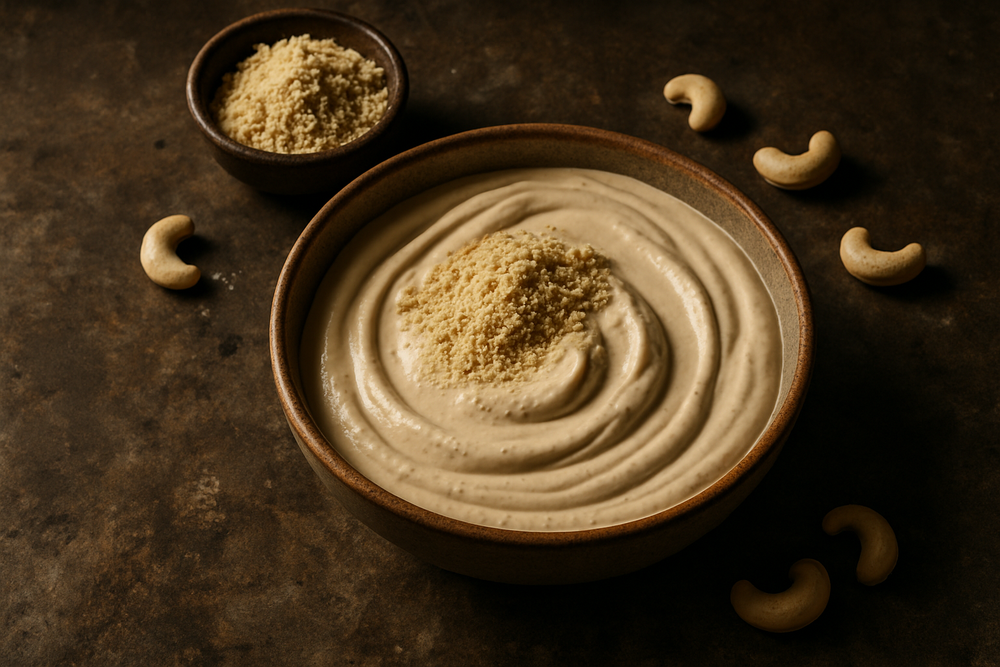
Cashew Flour · Photograph
Discover cashew flour health benefits and how to use it in grain-free baking and creamy sauces. Get the full nutrition facts, magnesium content, safety tips, and evidence-based guidance on this mild, gluten-free nut flour.
Key Nutrients
% Daily Value based on 2,000 cal diet
Key active compounds
- Monounsaturated fatty acids (MUFA) — primarily oleic acid: The dominant fat in cashews. MUFAs have one double bond in their carbon chain. They are linked to improved blood lipid profiles and reduced cardiovascular risk when they replace saturated fat.
- Linoleic acid (an omega-6 polyunsaturated fatty acid): An essential fat your body cannot make on its own. It supports cell membrane integrity and normal growth and is part of the healthy fat package in cashew flour.
- Phytosterols: Plant compounds that look structurally similar to cholesterol. They compete with cholesterol for absorption in the gut, contributing to small but meaningful reductions in LDL (low-density lipoprotein, often called "bad") cholesterol.
- Tocopherols (vitamin E family): Antioxidant compounds that help protect fats in cell membranes from oxidative damage and may contribute to cardiovascular protection.
- Polyphenols: A broad class of plant chemicals with antioxidant and anti-inflammatory signaling roles. Cashew-specific polyphenol profiles are less studied than those of almonds or walnuts, but the broader nut research suggests they contribute to reduced cardiovascular risk.
- Magnesium, copper, zinc, phosphorus, iron, potassium: Key minerals found in meaningful amounts per serving, supporting energy metabolism, immune function, bone health, and blood pressure regulation.
Prep and pairing ideas
Cashew flour's mild sweetness and creamy fat profile make it one of the most versatile nut flours in the kitchen. A few starting points:
In grain-free baking: Substitute cashew flour for 25–50% of almond flour in cookies or muffins to get a more neutral flavor and slightly denser, moister texture. It pairs naturally with vanilla, cinnamon, and lemon zest.
As a creamy sauce base: Whisk 2–3 tablespoons of cashew flour into warm broth or plant milk, then simmer until thickened. Season with nutritional yeast, garlic, and black pepper for a dairy-free Alfredo-style sauce.
As a coating or crust: Press seasoned cashew flour onto tofu, tempeh, or vegetables before baking or pan-frying for a lightly crisp, golden crust.
Three practical pairings:
- Cashew flour + lemon + nutritional yeast — the classic combination for cheesy, creamy plant-based sauces and dips. The acidity of lemon brightens the mild fat flavor.
- Cashew flour + oat flour + banana — a binding trio for grain-free pancakes or breakfast bars that holds together without eggs, because the fats in cashew flour help with cohesion.
- Cashew flour + cocoa powder + dates — a no-bake bliss ball base that delivers sweetness, fat, and a mineral hit (magnesium from both cashews and cocoa) in a convenient snack.
Bottom line
Cashew flour is a nutrient-dense, gluten-free, grain-free flour made from ground whole cashews. It brings plant protein, heart-friendly monounsaturated fats, copper, magnesium, and a cluster of protective phytochemicals to recipes that might otherwise be nutritionally thin. Research on whole cashew nuts — the most relevant evidence we have — suggests moderate, directionally positive effects on cholesterol, blood pressure, and fasting blood sugar, with a good safety record in non-allergic adults at typical serving sizes.
Its biggest limitation is also important: cashew allergy is serious, increasingly common, and capable of causing life-threatening anaphylaxis in susceptible individuals. Anyone with a tree nut allergy should avoid cashew flour entirely. For everyone else, cashew flour is a genuinely useful pantry ingredient — not a miracle food, but a practical, evidence-aligned choice for making grain-free and plant-based cooking more satisfying and more nourishing.
Explore more plant-based ingredient goals: See how cashew flour and similar whole-food ingredients fit your eating pattern at /goals.
How Cashew Flour Compares
| Compared with | What's different |
|---|---|
| Cashew Flour vs. Almond Flour | Sweeter and more neutral in flavor with a softer, moister texture in grain-free baking. |
| Cashew Flour vs. Coconut Flour | Lower in fat but significantly higher in carbohydrates and fiber than cashew flour. |
Health Benefits
Things to Know
Tree nut allergy — serious risk: Cashew allergy is now the leading cause of tree-nut-induced anaphylaxis (a severe, whole-body allergic reaction) in children, and reactions can occur with tiny amounts. Anyone with a diagnosed cashew or tree nut allergy must strictly avoid all cashew products, including flour. Keep an epinephrine auto-injector on hand if prescribed, and seek emergency care immediately after any reaction.
Cross-reactivity: People allergic to pistachios may react to cashews as well, because the two nuts share similar allergy proteins. Check with an allergy specialist before introducing either.
Kidney disease: Cashew flour is relatively high in phosphorus (~166 mg per ¼ cup, 13% DV) and potassium (~185 mg per ¼ cup). People with chronic kidney disease who are on mineral-restricted diets should discuss amounts with their healthcare team.
Calorie density: At ~155 calories per ¼ cup, cashew flour is energy-dense. It can contribute to excess calorie intake if used in large amounts without adjusting the rest of the diet — especially relevant for weight management plans.
Fat malabsorption: People with pancreatitis, gallbladder disease, or other fat malabsorption conditions may find high-fat foods like cashew flour aggravating. Consult your doctor if unsure.
No known drug interactions: have been identified for cashews in clinical trials. However, people on medications sensitive to potassium or phosphorus levels (such as certain medications used in kidney disease management) should coordinate with their prescriber.
Pregnancy: Cashews have not been studied specifically in pregnancy trials. They are generally considered safe as part of a varied diet unless a nut allergy is present. Avoid if allergy history is unknown.
Storing: Refrigerate or freeze cashew flour in an airtight container to slow rancidity of its unsaturated fats. Use within 2–3 months of opening at room temperature or up to 6 months refrigerated.
Prep Ideas
- — Cashew flour + lemon + nutritional yeast — the classic combination for cheesy, creamy plant-based sauces and dips. The acidity of lemon brightens the mild fat flavor.
- — Cashew flour + oat flour + banana — a binding trio for grain-free pancakes or breakfast bars that holds together without eggs, because the fats in cashew flour help with cohesion.
- — Cashew flour + cocoa powder + dates — a no-bake bliss ball base that delivers sweetness, fat, and a mineral hit (magnesium from both cashews and cocoa) in a convenient snack.
Shop This Ingredient
Stock your pantry with quality cashew flour.
Buy on AmazonAs an Amazon Associate, Plantopedia earns from qualifying purchases. This costs you nothing extra and helps us keep the encyclopedia free.
Frequently Asked Questions
Most evidence comes from randomized controlled trials (RCTs — studies where participants are randomly assigned to a treatment or control group, the gold standard for nutrition research) using whole cashew nuts at doses of roughly 28–50 g per day (about 1–2 oz, or ¼–½ cup of ground flour). No flour-specific RCTs exist yet, but since cashew flour is simply ground nuts, researchers consider the findings applicable. Heart and circulation Several RCTs have tested cashew nuts on cardiovascular (heart and blood vessel) risk markers with encouraging, if mixed, results: A 12-week trial in Asian Indians with type 2 diabetes found that replacing some dietary carbohydrates with cashews significantly raised HDL (high-density lipoprotein, the "protective" cholesterol) and reduced systolic (top-number) blood pressure, with no adverse effects on body weight or blood sugar. A crossover controlled-feeding trial — where participants ate both a cashew-rich diet and a control diet in alternating periods — found that the cashew diet significantly reduced total cholesterol, LDL cholesterol, non-HDL cholesterol, and the total-to-HDL cholesterol ratio. A third well-designed trial using about 1.5 servings of cashews per day found no significant lipid changes, though PCSK9 — a protein that regulates how many LDL receptors the liver makes — did decrease, suggesting a potential mechanism for long-term benefit. A meta-analysis (a statistical pooling of multiple studies) concluded that cashew consumption modestly improved triglycerides (a type of blood fat) and both systolic and diastolic blood pressure, though effects on total or LDL cholesterol were inconsistent across studies. Bottom line on heart health: Evidence is moderate and directionally positive, but effects are modest rather than dramatic. Cashew flour used in amounts similar to those tested may support heart health as part of a broader plant-forward diet. Digestive health and microbiome Cashew flour is not a high-fiber food — about 1 g of fiber per ¼-cup serving — so it should be thought of as a fiber complement rather than a fiber driver. The healthy fats in cashew flour can help soften stool and contribute to digestive comfort. Clinical trials of whole cashews have not formally measured microbiome changes, but none of the studies at 28–50 g/day reported meaningful gastrointestinal side effects in non-allergic participants. If you are new to nut flours, starting with smaller amounts allows your digestive system to adjust. Blood sugar and metabolism The 12-week RCT in people with type 2 diabetes found that adding cashews to the diet did not worsen blood glucose or HbA1c (a measure of average blood sugar over 3 months). A meta-analysis of tree nut studies found a modest decrease in fasting blood glucose (0.08 mmol/L) at median doses of about 50 g/day. Cashew flour does contain carbohydrates (8.5 g per ¼ cup), so people managing blood sugar should still count those carbs within their overall daily plan rather than treating cashew flour as a "free" food. Inflammation and recovery Cashew-specific trials have rarely measured inflammatory biomarkers (blood markers of inflammation) directly. However, large observational studies and umbrella reviews — systematic reviews of multiple systematic reviews — consistently link higher nut and seed intake with lower rates of cardiovascular disease and all-cause mortality, outcomes that researchers partly attribute to anti-inflammatory effects of nut fats, polyphenols, and tocopherols. This evidence is extrapolated from broader nut research rather than cashew trials specifically, so claims should be treated as promising rather than proven.
The grain-free home baker Looking for a wheat-free flour that doesn't taste like cardboard or sand. Wants a tender crumb in cookies, pancakes, or quick breads without a strong nut flavor. Benefits from the extra protein and minerals compared with most white or rice-based alternative flours. The plant-based cook making creamy sauces Replaces dairy cream or butter in pasta sauces, soups, and dips. Appreciates that cashew flour blends smoothly and thickens without starchy aftertaste. Gains heart-friendly unsaturated fats and magnesium while keeping the dish fully plant-based.
Raw whole-cashew flour is the most widely available option and the closest match to what was studied in clinical trials. It retains the full fat, fiber, mineral, and phytochemical content of unprocessed nuts and works well in both sweet and savory recipes. Roasted cashew flour or meal has a more intense, toasty flavor and is well-suited to cookies, crusts, and breading. Roasting can slightly reduce some heat-sensitive compounds, but macronutrient content remains comparable to raw flour. Partially defatted cashew flour has had some of its oil pressed out before grinding. The result is lower in calories and fat but higher in protein by weight — useful if you specifically want to boost protein in a recipe. It is less common in home-cooking contexts and may behave differently in baking because the fat content affects texture. Homemade cashew flour is as simple as pulsing raw, unsalted cashews in a high-speed blender or food processor until fine. Stop before it turns into cashew butter. Coarser grinds work as breading or crumble toppings; finer grinds work in batters and sauces. Homemade flour has the shortest shelf life and should be used promptly or refrigerated.
Human trials on cashew nuts typically used 28–50 g per day — roughly ¼ to ½ cup of ground cashew flour — incorporated into otherwise controlled eating plans. These amounts showed no harm and some benefit for cardiometabolic markers in non-allergic adults over 8–12 weeks. For everyday cooking, 2–4 tablespoons (12–30 g) per serving is a practical culinary starting point, balancing nutrient density with calorie awareness. If you are new to nut flours, start with 1–2 tablespoons and build up over a week or two to let your digestive system adjust. There is no established upper limit for cashew flour, but because it is calorie-dense, using more than ½ cup (about 56 g) per day would add roughly 300+ calories from a single ingredient. Factor that into your overall daily intake rather than treating cashew-flour baked goods as lighter than regular baked goods.
Quick Answers
Common questions, answered in a line.
Cashew flour is a nutrient-dense, gluten-free, and grain-free alternative to traditional wheat flour made from ground whole cashews. It is rich in plant protein, heart-friendly monounsaturated fats, and essential minerals like copper and magnesium.
You can use cashew flour as a thickener for creamy dairy-free sauces, a coating for vegetables and tofu, or as a partial substitute for almond flour in grain-free baking. Its mild sweetness and high fat content provide a denser, moister texture to cookies and muffins.
Cashew flour contains monounsaturated fatty acids (MUFAs), phytosterols, and tocopherols (Vitamin E) that help protect heart health and improve blood lipid profiles. These compounds work by competing with cholesterol for absorption and protecting cell membranes from oxidative damage.
People with a tree nut allergy must strictly avoid cashew flour, as it can cause life-threatening anaphylaxis even in tiny amounts. Additionally, those with chronic kidney disease should consult a doctor due to the flour's phosphorus and potassium content.
To prevent the unsaturated fats from going rancid, you should store cashew flour in an airtight container in the refrigerator or freezer. It generally stays fresh for 2–3 months at room temperature or up to 6 months when refrigerated.
Cashew flour provides a significant "mineral hit" of magnesium, copper, zinc, phosphorus, iron, and potassium. These minerals are vital for supporting energy metabolism, immune function, bone health, and blood pressure regulation.
Cashew flour is energy-dense, containing approximately 155 calories per 1/4 cup serving. While it is nutrient-dense, it should be used mindfully within a balanced diet to avoid unintended excess calorie intake.
For Readers in the USA
Local context — sourcing, seasonality, and regional notes.
You can find cashew flour at major U.S. retailers like Whole Foods Market, Sprouts Farmers Market, and Trader Joe's, or purchase it through online marketplaces like Amazon and Thrive Market. While less common in conventional neighborhood grocery stores than almond flour, it is a staple in the baking aisles of most health-focused national chains.
In the U.S., look for the USDA Organic seal to ensure the cashew flour was produced without synthetic pesticides or fertilizers and meets strict federal production standards. Because cashews are imported to the U.S., organic certification provides an extra layer of oversight regarding how the nuts were processed before being ground into flour.
While the U.S. imports the vast majority of its cashews from Vietnam and Africa, cashew flour is available year-round in American markets due to the long shelf life of the processed nuts. There is no specific U.S. "growing season" that affects price or availability, as the product relies on global supply chains that keep shelves stocked throughout all four seasons.
Cashew flour is a popular choice in American Paleo, Whole30, and ketogenic communities as a grain-free, nutrient-dense alternative to wheat flour. Its mild flavor profile makes it a preferred "neutral" base in the U.S. for recreating classic American comfort foods like dairy-free mac and cheese sauce or gluten-free chocolate chip cookies.
AI Clinical Review
- Accurately explains that cashew flour is simply ground cashews and will share the nutrient profile of whole nuts (healthy unsaturated fats, plant protein, notable magnesium and copper).
- Appropriately characterizes cardiometabolic findings as modest and mixed, reflecting randomized trials of whole cashews rather than dramatic claims.
- Clearly flags cashew allergy as a serious issue and notes pistachio cross‑reactivity—practical and safety‑forward for readers.
- Provides realistic intake ranges (about 28–50 g/day in trials; 2–4 Tbsp in everyday cooking) and sensible storage guidance for preserving quality.
- Most data come from studies of whole cashews, not flour; while composition is similar, we lack flour‑specific trials and long‑term outcomes (e.g., cardiovascular events, diabetes complications).
- Lipid and blood pressure effects vary across studies; reductions are generally small and may depend on what cashews replace in the diet (e.g., refined carbs vs. saturated fats).
- Limited direct evidence on inflammation or gut microbiome responses to cashews; current statements are extrapolated from broader nut research.
- Data in specific groups (pregnancy, advanced kidney disease, pediatric populations without allergy) remain sparse.
- Allergy: Anyone with cashew or pistachio allergy should avoid cashew flour entirely and follow their emergency action plan; even trace amounts can trigger severe reactions.
- Portion and calories: Cashew flour is energy‑dense (~150–160 kcal per ¼ cup). The 2–4 Tbsp (12–30 g) per‑serving range balances nutrition with calorie awareness.
- Medical considerations: People with chronic kidney disease (due to potassium/phosphorus), fat‑malabsorption disorders, or those counting carbohydrates for diabetes should discuss appropriate amounts with a clinician or dietitian.
- Form matters: Raw vs roasted vs partially defatted flours have similar macronutrients but differ in flavor and baking behavior; homemade flour has shorter shelf life and greater variability.
Tree nut allergen; keep refrigerated.
References
- USDA FoodData Central — raw cashew nuts, nutritional profile (FDC #170162) (fdc.nal.usda.gov)
- MyPlate — Protein Foods Group guidance on nuts and seeds (myplate.gov)
- 12-week RCT: cashew nuts raise HDL and lower blood pressure in adults with type 2 diabetes (pubmed.ncbi.nlm.nih.gov)
- Crossover controlled-feeding trial: cashew-rich diet reduces total and LDL cholesterol (semanticscholar.org)
- Systematic review and meta-analysis: cashew effects on cardiovascular risk factors and endothelial function (pmc.ncbi.nlm.nih.gov)
- Meta-analysis: tree nuts and metabolic syndrome criteria including blood glucose and triglycerides (pmc.ncbi.nlm.nih.gov)
- Umbrella review: nut and seed consumption and health outcomes including cardiovascular disease and mortality (pmc.ncbi.nlm.nih.gov)
- Cashew nut allergy associated with high anaphylaxis risk — peer-reviewed case evidence (pubmed.ncbi.nlm.nih.gov)
- Cashew now leading cause of tree-nut-induced anaphylaxis in children — clinical report (pmc.ncbi.nlm.nih.gov)
- Cleveland Clinic — Tree Nut Allergy: Causes, Symptoms & Treatment (public health reference) (my.clevelandclinic.org)
Know Your Numbers
Eating healthy is a start. Now get to know your biomarkers.
Food changes bloodwork — inflammation, lipids, blood sugar and nutrient status all respond to what you eat. 59 markers from $59.
- Results in 7–10 days at 2,000+ Quest sites
- Licensed provider reviews every result
- One flat price, no membership, HSA/FSA eligible
Educational information only, not medical advice. Panels are ordered and reviewed through our licensed partner; Plantopedia may earn a commission.