Mixed Seed Butter — health benefits and uses
A modern take drawing on traditional seed-forward diets from around the world.
The Short Answer
Mixed seed butter is a nut-free spread made from sunflower, pumpkin, and sesame seeds that provides 7g of protein and 120mg of magnesium per serving. It is rich in heart-healthy phytosterols and vitamin E, making it a nutrient-dense alternative to traditional

Mixed Seed Butter · Photograph
Discover the mixed seed butter health benefits of a sunflower, pumpkin, and sesame blend — from heart health and plant protein to magnesium and omega-rich fats. Learn how to use it, how much to eat, and who should check the label first.
Key Nutrients
% Daily Value based on 2,000 cal diet
Key active compounds
Mixed seed butter's benefits trace back to a handful of well-studied plant chemicals (called phytochemicals — naturally occurring compounds in plants that have biological activity in the body):
- Sesamin — A lignan (a type of polyphenol found in seeds and grains) from sesame seeds. Human studies show sesamin-rich sesame intake can improve markers of lipid peroxidation (damage to fats by unstable molecules called free radicals) and may help lower triglycerides.
- Sesamolin — A close cousin of sesamin, also from sesame. Works alongside sesamin to support antioxidant defense and may help regulate lipid metabolism.
- Phytosterols — Plant-derived compounds structurally similar to cholesterol. They compete with dietary cholesterol for absorption in the gut, potentially reducing LDL cholesterol (the so-called "bad" cholesterol linked to arterial plaque build-up) when consumed regularly.
- Polyunsaturated fatty acids (PUFAs) — Essential fats including linoleic acid (an omega-6 fat) and small amounts of alpha-linolenic acid (an omega-3 precursor) found in all three seeds. Replacing saturated fat with these fats is associated with improved lipid profiles in intervention studies.
- Tocopherols (Vitamin E compounds) — A family of fat-soluble antioxidants especially abundant in sunflower seeds. They protect cell membranes from oxidative damage and support immune and vascular function.
Buying guide: what to look for on the label
This is one of the two areas where mixed seed butter really rewards a close read of the label.
What to look for:
- Ingredient list of 1–4 items: seeds (sunflower, pumpkin, sesame), possibly salt. Shorter is generally better.
- No added oils: palm oil, sunflower oil, or "fully hydrogenated" oils inflate calories and can tip the fat profile in a less healthy direction.
- No added sugars: honey, cane sugar, or syrups can turn a whole-food spread into something closer to dessert.
- Sodium under 100 mg per serving: especially important for anyone managing blood pressure. Many commercial seed butters exceed 200–350 mg of sodium per serving.
- Minimal separation: natural oil separation is expected and healthy — it means no stabilisers have been added. Just stir before using.
Roasted vs. raw:
- Roasted seeds offer a deeper, nuttier flavour, but high-heat roasting can reduce vitamin E content.
- Raw seed butter has a milder taste and better preserves heat-sensitive compounds, but may feel less familiar to people used to nut butters.
Refrigerate after opening to slow oil oxidation and preserve flavour.
Prep and pairing ideas
Mixed seed butter is pleasantly versatile — nuttier and less sweet than peanut butter, with a slightly earthy depth from the pumpkin and sesame seeds.
Three practical pairings:
- Mixed seed butter + apple slices The fiber and pectin in apple skin (a soluble fiber) complement the protein and fat in seed butter, making this a slow-burning snack that sustains energy well between meals. The sweetness of apple balances the earthier sesame notes.
- Mixed seed butter + whole-grain toast + banana A classic breakfast trio: the toast provides complex carbohydrates, the banana adds potassium and quick-release glucose, and the seed butter contributes protein and healthy fats to blunt the glycaemic spike. A practical upgrade for school mornings.
- Mixed seed butter + smoothie or oat bowl Stirring 1 tablespoon into a morning smoothie or overnight oats boosts magnesium, zinc, and vitamin E without significantly changing the texture. It blends especially well with cacao, banana, or frozen mango.
Beyond toast:
- Thin with warm water, lemon juice, tamari, and garlic for an instant satay-style sauce over noodles or roasted vegetables.
- Swirl into hummus for extra depth and mineral density.
- Use as a base for no-bake energy balls with oats, dates, and cacao nibs.
Bottom line
Mixed seed butter — made from sunflower, pumpkin, and sesame seeds — is one of the most nutritionally complete spreads you can put on a slice of whole-grain bread. It delivers meaningful plant protein, a broad spectrum of minerals (especially magnesium, zinc, copper, and iron), and fat-soluble vitamin E, all in a nut-free format that works for most families and school environments.
The evidence base is encouraging but still maturing. Human trials on sesame seeds and pumpkin seed oil suggest genuine benefits for blood lipids, triglycerides, and blood pressure. Extrapolating those benefits to a whole-seed butter blend is logical but not yet formally proven in clinical trials. What is well-established is that seed butters fit cleanly into the protein foods group, provide heart-healthy unsaturated fats, and offer a practical whole-food swap for processed spreads.
Two caveats worth repeating: sesame is a major allergen — confirm safety before using this product — and label reading matters because added oils, sugars, and salt in commercial versions can undercut the whole-food advantages. Choose simple, short-ingredient products and use 1–2 tablespoons as part of a varied, plant-forward diet.
Who benefits most
The nut-allergic household
- Peanut and tree nut allergies affect millions of children and adults; mixed seed butter offers a comparable creamy-spread experience without the top allergens (provided sesame allergy is ruled out).
- School-safe and lunchbox-friendly in most nut-free environments.
- Provides the protein and fat that growing children and active adults need from a spread.
The plant-based athlete or active adult
- Two tablespoons contribute 7 g of plant protein alongside minerals critical for muscle function: magnesium (29% DV) and zinc (23% DV).
- Vitamin E (53% DV per serving) supports post-exercise recovery by protecting cell membranes from exercise-induced oxidative stress.
- Easy to incorporate into pre- or post-workout snacks — on rice cakes, blended into smoothies, or stirred into oat porridge.
Explore more ways to eat for your goals with our plant-based whole food guides.
How Mixed Seed Butter Compares
| Compared with | What's different |
|---|---|
| Mixed Seed Butter vs. Peanut Butter | Nut-free and higher in magnesium (120mg), with a more savory, earthy flavor profile. |
| Mixed Seed Butter vs. SunButter | Contains sesame (tahini) and pumpkin seeds, offering a broader mineral profile than pure sunflower. |
| Mixed Seed Butter vs. Tahini | Less bitter and more complex, as it blends sesame with sunflower and pumpkin seeds. |
Health Benefits
Things to Know
Sesame is a major allergen.: Since 2023, sesame is legally classified as one of the nine major food allergens in the US. Reactions can range from mild (hives, GI upset) to severe anaphylaxis. Anyone with a known or suspected sesame allergy must avoid this product.
Sunflower and pumpkin seed allergies are rare but real.: Sensitised individuals can experience immediate hypersensitivity reactions, including anaphylaxis.
Sodium load.: Salted seed butters can add 200–350 mg of sodium per serving. If you have hypertension (high blood pressure), opt for unsalted or lightly salted versions.
Calorie density.: At roughly 190 calories per 2-tablespoon serving, portion awareness matters — especially for those managing weight or energy balance.
Children with multiple food allergies or atopic disease: should be introduced to seed butters under medical guidance.
Antihypertensive medications.: Pumpkin seed oil has shown blood pressure–lowering effects in trials. While food-level intakes are unlikely to cause clinically significant hypotension, those on multiple blood-pressure medications may wish to discuss regular, larger-than-normal seed butter intake with their healthcare provider.
Lipid-lowering medications.: Sesame and pumpkin seed products can modestly improve triglycerides and lipid profiles; patients on statins may see overlapping effects, though no major adverse interactions have been reported.
Fat malabsorption or gallbladder issues.: High-fat foods including seed butters can trigger symptoms in sensitive individuals.
Pregnancy.: Seed butters are generally considered safe and nutritious in pregnancy, but confirm sesame allergy status and choose low-sodium options.
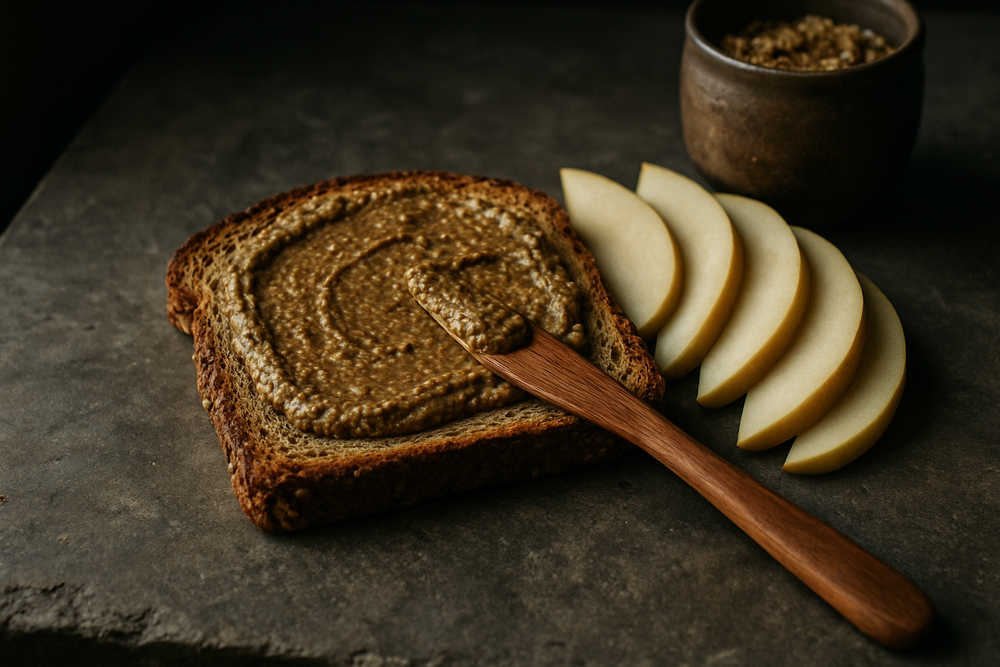
Prep Ideas
- — Mixed seed butter + apple slices The fiber and pectin in apple skin (a soluble fiber) complement the protein and fat in seed butter, making this a slow-burning snack that sustains energy well between meals. The sweetness of apple balances the earthier sesame notes.
- — Mixed seed butter + whole-grain toast + banana A classic breakfast trio: the toast provides complex carbohydrates, the banana adds potassium and quick-release glucose, and the seed butter contributes protein and healthy fats to blunt the glycaemic spike. A practical upgrade for school mornings.
- — Mixed seed butter + smoothie or oat bowl Stirring 1 tablespoon into a morning smoothie or overnight oats boosts magnesium, zinc, and vitamin E without significantly changing the texture. It blends especially well with cacao, banana, or frozen mango.
- — Thin with warm water, lemon juice, tamari, and garlic for an instant satay-style sauce over noodles or roasted vegetables.
- — Swirl into hummus for extra depth and mineral density.
- — Use as a base for no-bake energy balls with oats, dates, and cacao nibs.
Shop This Ingredient
Stock your pantry with quality mixed seed butter.
Buy on AmazonAs an Amazon Associate, Plantopedia earns from qualifying purchases. This costs you nothing extra and helps us keep the encyclopedia free.
Frequently Asked Questions
Heart and circulation This is where the evidence is strongest, though still largely seed-specific rather than spread-specific. Several human trials have examined sesame seeds and pumpkin seed oil: Sesame and lipids: In hyperlipidaemic adults (people with elevated blood fats), sesame seed supplementation improved total cholesterol, LDL cholesterol, and markers of lipid peroxidation, and increased antioxidant enzyme activity. A systematic review and meta-analysis of sesame fractions concluded that sesame intake can significantly reduce serum triglycerides (a type of fat in the blood linked to cardiovascular risk), though effects on LDL and HDL were less consistent. Pumpkin seed oil and blood pressure: A randomised trial in postmenopausal women found that pumpkin seed oil supplementation (around 1,000 mg per day) improved arterial hemodynamics (the mechanics of how blood flows through arteries) and reduced both brachial and central systolic blood pressure (the upper number in a blood pressure reading, reflecting pressure during heartbeats). Phytosterols and PUFAs: All three seeds provide phytosterols and unsaturated fats. Replacing saturated fat — found in butter or lard — with PUFA-rich seed fats has improved lipid profiles in intervention studies. The practical takeaway: using mixed seed butter instead of butter, cream cheese, or processed spreads on toast or crackers is a meaningful, evidence-aligned swap for heart health. Digestive health and microbiome Mixed seed butter made from whole, minimally refined seeds retains most of the fiber and prebiotic compounds (substances that selectively feed beneficial gut bacteria) present in the original seeds. A 2-tablespoon serving provides around 3 g of dietary fiber — roughly 11% of the daily value. Higher-fiber diets are consistently associated with better bowel regularity, improved stool bulk, and a more diverse gut microbiome (the community of trillions of microorganisms living in your digestive tract). Evidence for seed-specific fiber effects comes from dietary pattern research rather than mixed seed butter trials, but the fiber content is real and meaningful. One caution: eating a large amount of seed butter alongside inadequate fluid intake can cause GI discomfort or sluggish digestion — a gradual increase and plenty of water help. Blood sugar and metabolism No randomised trial has directly tested mixed seed butter or individual seed butters for blood sugar control. However, seeds are inherently low in digestible carbohydrates (the type that raises blood glucose), and their combination of fiber, protein, and healthy fat slows gastric emptying (how quickly food leaves the stomach) and blunts postprandial (after-eating) blood glucose spikes when eaten alongside carbohydrate-rich foods. Replacing sugary jam or chocolate spread with mixed seed butter on whole-grain toast, for example, would logically reduce the meal's glycaemic impact — though this specific swap has not been formally tested in clinical trials. Individuals managing diabetes should still account for the calorie density of seed butter and check labels for added sugars. Hormones and cycle health The evidence here is emerging and indirect. A clinical study in postmenopausal women found pumpkin seed oil improved vascular metrics that can be affected by hormonal changes post-menopause, though the study did not measure hormone levels directly. Sesame lignans (sesamin and sesamolin) have been studied for effects on lipid metabolism and antioxidant status, but robust hormone-focused clinical outcomes — such as changes in oestrogen, testosterone, or menopausal symptoms — are not yet well characterised for sesame or mixed seed products. Mixed seed butter does provide magnesium, zinc, and healthy fats, all of which are required for steroid hormone synthesis (the body's manufacture of hormones like oestrogen and testosterone). However, this relationship is drawn from general nutrition science, not seed-specific trials. Inflammation and recovery Sunflower and pumpkin seeds are rich in vitamin E, magnesium, and PUFAs — nutrients associated with lower oxidative stress (an imbalance between free radicals and the body's ability to neutralise them) in observational and mechanistic research. In hyperlipidaemic patients, sesame seed supplementation increased antioxidant enzyme activities such as glutathione peroxidase and superoxide dismutase (enzymes that act as the body's internal free-radical cleanup crew) and reduced lipid peroxidation. Direct evidence for mixed seed butter reducing inflammatory biomarkers (measurable biological indicators of inflammation, such as CRP or IL-6) in humans doesn't yet exist. Animal models and mechanistic studies are promising, but more human trials are needed before strong claims can be made.
Most of the seed-specific research uses seed oils or isolated extracts, not whole-seed spreads. Despite this, there are good reasons to prefer whole-seed butter over oils when possible: | Form | Pros | Cons | | --- | --- | --- | | Mixed seed butter (smooth or crunchy) | Retains fiber; whole-food format; versatile | Energy-dense; quality varies by brand | | Individual seed oils (pumpkin, sesame) | Used in most clinical trials; concentrated active compounds | No fiber; easy to over-consume calories | | Whole seeds (sprinkled) | Maximum fiber and texture variety | Less convenient as a spread | | Tahini (sesame only) | Traditional; well-studied in trials | Missing pumpkin and sunflower benefits | | Commercial flavoured blends | Convenient; varied flavours | Often contain added sugar, salt, or refined oils | The bottom line on form: Look for products whose ingredient list reads something like "sunflower seeds, pumpkin seeds, sesame seeds" — and nothing else, or at most a small amount of salt. Cold-pressed or minimally roasted versions may preserve more heat-sensitive compounds like vitamin E.
The USDA MyPlate guidelines classify 1 tablespoon of seed or nut butter as one ounce-equivalent of protein (meaning it provides a similar protein contribution to 1 oz of meat or fish). Most adults eating a varied diet would benefit from 2–3 ounce-equivalents of protein foods at each meal, so 1–2 tablespoons of mixed seed butter per sitting fits naturally. Practical ranges: Minimum meaningful dose: 1 tablespoon (about 16 g, 95 calories) — adds nutrients without significantly impacting overall calorie intake. Typical serving: 2 tablespoons (about 32 g, 190 calories) — this is the standard reference serving used in nutritional analysis. Upper practical limit for most people: 3–4 tablespoons per day, keeping in mind that the calorie, fat, and sodium content add up quickly with larger or more frequent servings. Start low: If you haven't eaten much seed butter before, begin with 1 teaspoon and increase gradually over a week or two. This gives your digestive system time to adjust to the higher fiber and fat content without cramping or bloating. Children: Nut and seed butters are appropriate for most children over 12 months of age (always thinly spread or mixed into food to reduce choking risk). Portion sizes naturally scale down with body weight.
Quick Answers
Common questions, answered in a line.
Mixed seed butter contains sunflower, pumpkin, and sesame seeds, which provide essential minerals like magnesium and zinc. This blend is also rich in vitamin E, plant protein, and healthy fats like phytosterols and polyunsaturated fatty acids.
Mixed seed butter is an excellent nut-free alternative for those with peanut or tree nut allergies, provided there is no allergy to sesame. It offers a similar creamy texture and protein content, making it a school-safe and lunchbox-friendly option for most environments.
When buying mixed seed butter, look for a short ingredient list of one to four items with no added oils or sugars. Ideally, choose a product with less than 100 mg of sodium per serving and natural oil separation, which indicates a lack of chemical stabilizers.
Mixed seed butter supports heart health through phytosterols and lignans like sesamin, which help lower LDL cholesterol and triglycerides. These plant compounds compete with dietary cholesterol absorption and help protect fats from oxidative damage.
Athletes can benefit from mixed seed butter because it provides plant protein for muscle support and vitamin E to protect cell membranes from exercise-induced oxidative stress. It also contains magnesium and zinc, which are critical minerals for healthy muscle function.
Mixed seed butter should be refrigerated after opening to slow the oxidation of its natural oils and preserve its flavor. Because it often lacks stabilizers, natural oil separation is normal and simply requires stirring before each use.
While generally healthy, mixed seed butter contains sesame, which is a major food allergen that can cause severe reactions. Additionally, individuals on blood pressure medication should be mindful of intake, as pumpkin seed components may have overlapping blood pressure-lowering effects.
For Readers in the USA
Local context — sourcing, seasonality, and regional notes.
You can find mixed seed butter at major US retailers like Whole Foods, Trader Joe’s, and Sprouts, as well as via national brands like 88 Acres available at Target or Walmart. Most stores stock these in the health food aisle or alongside traditional peanut and almond butters.
Mixed seed butter is widely considered a "school-safe" alternative to peanut butter in the US because it is free from the most common tree nut allergens. However, since the FDA officially recognized sesame as the ninth major food allergen in 2023, you must ensure your specific school's policy allows sesame-based products.
Look for the USDA Organic seal if you want to ensure the sunflower and pumpkin seeds were grown without synthetic pesticides or fertilizers. Additionally, checking for a "Non-GMO Project Verified" butterfly label is common for US consumers seeking seeds grown from traditional, non-modified crops.
While the seeds used in the butter are harvested in the fall—mostly across the Midwest and Great Plains—mixed seed butter is available year-round in the US due to the shelf-stability of dried seeds. You can often find artisanal, freshly-ground versions at local farmers markets during the autumn harvest season.
AI Clinical Review
- Clearly explains what mixed seed butter is and why combining sunflower, pumpkin, and sesame can broaden the nutrient profile (vitamin E, magnesium, zinc, copper) beyond a single-seed butter.
- Places the product appropriately within cardiometabolic nutrition: using unsaturated seed fats to replace saturated spreads aligns with human evidence on lipid improvement and heart health.
- Accurately notes that most human data involve individual seeds or their oils (especially sesame and pumpkin) and avoids overstating benefits for the blended butter.
- Practical guidance is strong: look for short ingredient lists without added oils/sugars, keep sodium low, expect natural oil separation, refrigerate after opening, and use 1–2 tablespoons as a typical serving.
- No clinical trials have tested a “mixed seed butter” blend; benefits are inferred from studies on single seeds or seed oils. The whole-food matrix, roast level, and blend ratios could change real-world effects.
- Blood sugar and satiety advantages are mechanistic/plausible (fiber, fat, protein slow digestion) but direct post-meal trials with seed butters are limited.
- Inflammation and hormone-related outcomes (e.g., menopausal symptoms) are not well established in rigorous human studies for these seeds as a combined spread.
- Allergies: sesame became a major declared allergen in the U.S. in 2023. Anyone with known/suspected sesame allergy should avoid these blends; sunflower and pumpkin seed allergies are uncommon but possible. Check for cross-contact if processed in nut-handling facilities.
- Dose and calories: 1–2 tablespoons (about 95–190 kcal) is a reasonable daily amount for most adults. Use it as a swap for saturated-fat spreads rather than an add-on if you’re managing weight.
- Form matters: whole-seed butters retain fiber compared with oils, but roasting can lower some heat‑sensitive nutrients (e.g., vitamin E). “No added oils/sugars” and <100 mg sodium per serving are good label targets, especially for those with hypertension.
- Omega-3 nuance: these seeds provide small amounts of ALA (plant omega‑3) but no EPA/DHA; do not rely on seed butter alone for omega‑3 needs. Balance higher omega‑6 intake with other omega‑3 sources (e.g., flax, chia, walnuts, or marine options if used).
- Special situations: people with gallbladder disease, fat malabsorption, advanced chronic kidney disease (phosphorus/potassium management), or on multiple blood‑pressure medications should discuss regular, larger servings with their clinician.
Contains sesame (allergen); check labels for added oils and sugar.
References
- USDA MyPlate — Protein Foods group (myplate.gov)
- USDA FoodData Central — seed nutrition data (fdc.nal.usda.gov)
- Sesame fractions and lipid profiles: a systematic review and meta-analysis (pubmed.ncbi.nlm.nih.gov)
- Effect of sesame seed on lipid profile and redox status in hyperlipidaemic patients (pubmed.ncbi.nlm.nih.gov)
- Pumpkin seed oil supplementation and arterial hemodynamics in postmenopausal women (RCT) (pubmed.ncbi.nlm.nih.gov)
- Replacement of dietary saturated fat by PUFA-rich pumpkin seed oil (PMC) (pmc.ncbi.nlm.nih.gov)
- Antihypertensive and cardioprotective effects of pumpkin (pubmed.ncbi.nlm.nih.gov)
- Sesame allergy — FARE (Food Allergy Research & Education) (foodallergy.org)
- Prevalence and severity of sesame allergy in the United States (PMC review) (pmc.ncbi.nlm.nih.gov)
- A practical focus on sesame allergy and a brief review of other seed allergies (PMC) (pmc.ncbi.nlm.nih.gov)
Know Your Numbers
Eating healthy is a start. Now get to know your biomarkers.
Food changes bloodwork — inflammation, lipids, blood sugar and nutrient status all respond to what you eat. 59 markers from $59.
- Results in 7–10 days at 2,000+ Quest sites
- Licensed provider reviews every result
- One flat price, no membership, HSA/FSA eligible
Educational information only, not medical advice. Panels are ordered and reviewed through our licensed partner; Plantopedia may earn a commission.