Fermented Pumpkin Seed Cheese — health benefits and uses
A modern seed ferment delivering probiotics and magnesium without nuts.
The Short Answer
Fermented pumpkin seed cheese is a probiotic plant-based spread providing 8.5g of protein and 156mg of magnesium per 2-tablespoon serving. It offers a nut-free, dairy-free alternative to traditional cheese with added gut-health benefits from lactic acid

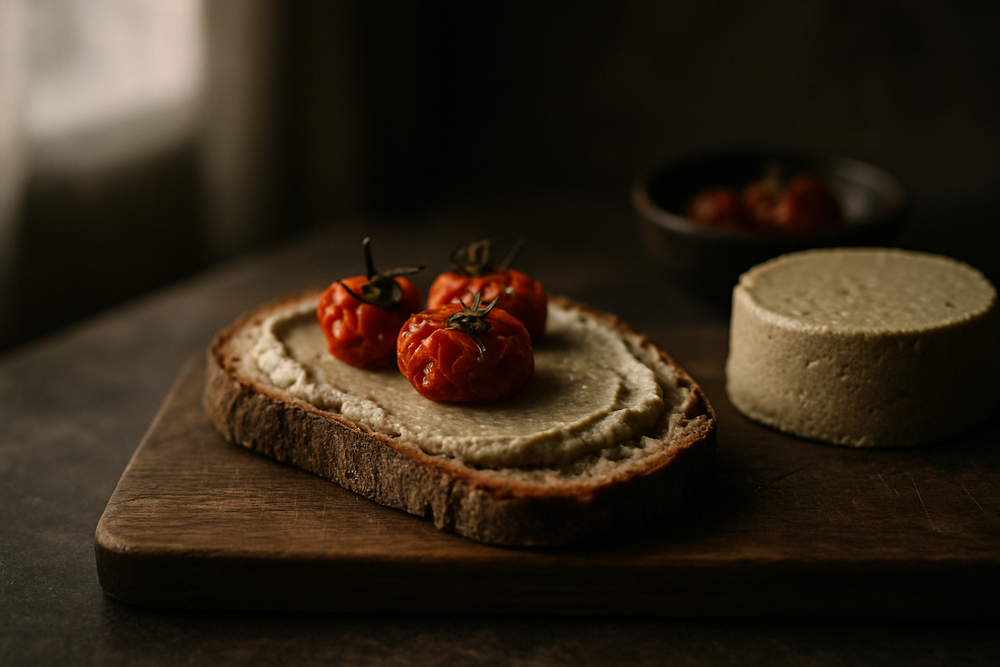
Fermented Pumpkin Seed Cheese · Photograph
Discover the pumpkin seed cheese health benefits backed by nutrition science: gut-friendly probiotics, magnesium, plant protein, and heart-supportive fats — all in a striking, nut-free, dairy-free cultured spread.
Key Nutrients
% Daily Value based on 2,000 cal diet
Key active compounds
- Phytosterols — Plant-derived sterols structurally similar to cholesterol. They compete with dietary cholesterol for absorption in the gut, and regular intake is associated with modest LDL-lowering effects.
- Phenolic compounds — A broad family of plant polyphenols with antioxidant and anti-inflammatory properties. Fermentation of pumpkin seeds has been shown in lab studies to increase total phenolic content.
- Flavonoids — A subgroup of polyphenols that contribute to reduced oxidative stress and may modulate cell-signaling pathways linked to inflammation.
- Tocopherols (Vitamin E) — Fat-soluble antioxidants that protect cell membranes from oxidative damage and support cardiovascular health.
- Carotenoids — Pigmented antioxidant compounds with some provitamin A activity; they contribute to the seed's green-gold color.
- Cucurbitacins — Bioactive triterpenoids (a class of plant compounds built on a 30-carbon skeleton) found naturally in Cucurbita species. They show anti-inflammatory effects in preclinical studies, though their relevance at typical food amounts is still uncertain.
- Lignans — Plant compounds with mild phytoestrogenic activity (meaning they can weakly interact with estrogen receptors) that gut bacteria convert into bioactive forms.
- Tryptophan — An essential amino acid and the raw material your body uses to make serotonin and melatonin. Pumpkin seeds are one of the higher plant-food sources.
- Lactic acid bacteria (LAB) — The live microorganisms introduced during fermentation. When present in sufficient numbers in a food, they are associated with gut microbiome benefits similar to those of yogurt and kefir.
Prep and pairing ideas
Fermented pumpkin seed cheese is versatile enough to work as a condiment, a dip, or a meal component. Its bold, earthy tang means a little goes a long way.
Spread on sourdough with roasted tomatoes: The acidity of sourdough and tomatoes complements the lactic tang of the cheese; lycopene from tomatoes is fat-soluble and absorbs better alongside the seed fats. Top with fresh basil.
Dolloped into vegetable soup: Stir a tablespoon into a bowl of minestrone or lentil soup just before serving. The protein and fat round out the meal's nutritional profile and add creaminess without dairy.
Stuffed into endive or radicchio leaves: The slight bitterness of chicory family leaves balances the richness of the spread. Add a drizzle of lemon juice and a few seeds on top for crunch. This makes an excellent appetizer for people who need nut-free canapés.
Blended into salad dressing: Thin with lemon juice, a little water, and fresh herbs for a creamy green goddess–style dressing that adds protein and magnesium to any salad bowl.
Bottom line
Fermented pumpkin seed cheese earns its place in a food-as-medicine kitchen for several overlapping reasons: it brings together the impressive mineral and phytochemical profile of pumpkin seeds, the digestive and microbiome benefits associated with lactic acid bacteria–cultured foods, and meaningful plant protein — all in a format that excludes dairy and tree nuts. The evidence base is largely extrapolated from pumpkin seed nutrition research and broader fermented-food science rather than from clinical trials on the product itself, so benefit claims should be held with appropriate humility.
That said, as a whole-food, minimally processed, fermented spread, it stands comfortably within dietary patterns consistently linked to better metabolic and gut health outcomes. Store it cold, watch your portion size, and if you have kidney disease, a seed allergy, or a condition managed by medication, check with your healthcare provider before making it a daily staple.
Curious which eating patterns best support gut health and mineral repletion? Explore Plantopedia's goals guides to see how fermented foods fit into the bigger picture.
How Fermented Pumpkin Seed Cheese Compares
| Compared with | What's different |
|---|---|
| Fermented Pumpkin Seed Cheese vs. Almond Cheese | Made from almonds; higher in Vitamin E but lower in magnesium and iron than pumpkin seeds. |
| Fermented Pumpkin Seed Cheese vs. Vegan Cream Cheese | Lower in protein and minerals; relies on coconut or starches rather than whole seeds. |
| Fermented Pumpkin Seed Cheese vs. Miso Paste | Made from soy; higher in sodium and lacks the specific magnesium density of pumpkin seeds. |
Health Benefits
Things to Know
Calorie density: Two tablespoons packs around 163 calories. It is easy to overshoot portions when spreading generously. People managing weight, diabetes, or heart disease should be mindful of total intake.
Seed allergy: "Nut-free" does not mean allergen-free. Anyone with a documented seed allergy — particularly to pumpkin or other Cucurbita seeds — should avoid this product.
Kidney disease: The high phosphorus, magnesium, and potassium content means people on mineral-restricted diets (common in chronic kidney disease) should check with their nephrologist before adding this regularly.
Immunocompromised individuals: Live-culture foods carry a small theoretical risk for people undergoing chemotherapy, post-transplant immunosuppression, or advanced HIV. Discuss with your care team.
Digestive sensitivity: High-fiber fermented foods can cause gas, bloating, or loose stools if introduced too quickly. Start with a small amount (1 teaspoon to 1 tablespoon) and increase gradually over one to two weeks.
Medication interactions: Regular high-fiber, probiotic food intake can modestly affect glucose control and blood pressure. If you use insulin, oral hypoglycemics, or antihypertensives, keep your prescriber informed of significant dietary shifts.
Sodium watch: Commercial and some homemade versions include added salt for flavor and preservation. If you follow a sodium-restricted diet, check or adjust salt levels in recipes.
Gallbladder or fat malabsorption conditions: The relatively high fat content (14 g per oz) may trigger symptoms in sensitive individuals.
Pregnancy: Fermented foods with live cultures are generally considered safe in pregnancy, but high-risk pregnancies should seek individual guidance. The high zinc and iron content is potentially beneficial for pregnant people.
Storage: Always refrigerate after fermentation. Like any live-culture food, it can spoil at room temperature. Most homemade batches are best within five to seven days; commercial versions vary.
Shop This Ingredient
Stock your pantry with quality fermented pumpkin seed cheese.
Buy on AmazonAs an Amazon Associate, Plantopedia earns from qualifying purchases. This costs you nothing extra and helps us keep the encyclopedia free.
Frequently Asked Questions
No clinical trials have been run on fermented pumpkin seed cheese itself. The benefits below are extrapolated from well-studied pumpkin seed nutrition and from research on lactic acid bacteria–fermented foods broadly. That distinction matters — extrapolated evidence is genuinely useful, but it is not the same as direct proof. Heart and circulation Pumpkin seeds deliver unsaturated fats, phytosterols, magnesium, potassium, and plant protein — a nutritional combination consistently associated with better cardiometabolic markers in population studies. Reviews of pumpkin seed components describe potential cholesterol-modulating and blood pressure–supportive effects, though most high-quality human trials have used pumpkin seed oil rather than the whole seed. Lactic acid bacteria–fermented foods have shown modest LDL-lowering effects in some human studies, suggesting that a regular habit of eating a fermented seed cheese could carry similar probiotic-related cardiovascular signals. Using it as a substitute for higher-saturated-fat dairy cheeses is a plausible practical benefit even without dedicated trials. Digestive health and microbiome This is where the fermented format earns its keep. Pumpkin seeds provide dietary fiber that feeds short-chain fatty acid–producing bacteria in the colon — bacteria associated with gut barrier integrity and lower systemic inflammation. Blending the seeds, as is done in cheese making, makes that fiber and the polyphenols more accessible to gut microbes than chewing whole seeds would. On top of that, the live LAB cultures from fermentation can transiently colonize the gut and shift microbial composition in ways that human studies of yogurt, kefir, and lacto-fermented vegetables have documented. Together, these two mechanisms — prebiotic fiber and probiotic cultures — make fermented pumpkin seed cheese a plausible gut-health food, though research on the specific product is still needed. Blood sugar and metabolism Fiber, protein, and healthy fats all slow gastric emptying, which blunts the rise in blood glucose (blood sugar) after a meal. Magnesium, abundant in pumpkin seeds, is involved in insulin signaling — the process by which cells respond to insulin and take up glucose. Reviews of pumpkin seed research describe anti-diabetic potential in preclinical and small human studies, mostly involving pumpkin seed preparations rather than the fermented cheese form. Lactic acid bacteria–fermented foods have shown modest improvements in fasting glucose and insulin resistance in some trials involving people with type 2 diabetes. Evidence is emerging rather than established, but adding fermented pumpkin seed cheese to a balanced meal is a reasonable strategy for lowering the overall glycemic impact of that meal. Inflammation and recovery Fermentation of pumpkin seeds increases total phenolic and flavonoid content in laboratory analyses, which translates to stronger free-radical–scavenging (antioxidant) capacity in test-tube models. Lactic acid bacteria–fermented foods have demonstrated anti-inflammatory effects in some human and animal studies, including reductions in pro-inflammatory cytokines (chemical messengers that promote inflammation) and improvements in gut barrier markers. Most of this evidence is not specific to fermented pumpkin seed cheese, so the anti-inflammatory angle is best treated as supporting — part of a broader anti-inflammatory dietary pattern rather than a standalone remedy. Hormones and cycle health Pumpkin seeds are a notable plant source of lignans and tryptophan, both of which interact with hormone pathways. Lignans are metabolized by gut bacteria into compounds that can weakly interact with estrogen receptors. Traditional and some clinical attention has focused on pumpkin seed preparations for prostate and urinary health, although the human evidence mostly involves pumpkin seed oil, and results are mixed. Magnesium supports enzymatic reactions involved in steroid hormone synthesis and stress response. These are interesting links, but hormone-related benefits of fermented pumpkin seed cheese remain theoretical at this stage.
The form you choose affects both the probiotic potential and the flavor intensity. Fermented spread (most common homemade form): Soaked seeds are blended smooth, inoculated with a starter — rejuvelac (a fermented grain liquid), probiotic capsule contents, or a small amount of a previous batch — then left at warm room temperature for 24–48 hours. If not heated after fermentation, this retains live cultures. Cultured wheel or firm block: A longer-fermented, thicker product. Can develop more complex flavor and, if unheated, also retains LAB. Firmer texture makes it easier to slice. Unfermented pumpkin seed butter or spread: Similar macronutrients and minerals but lacks the enhanced phenolics and probiotic potential of the cultured version. Still nutritious, just different. Commercially made pumpkin seed cheese (like block-style aged products): Check the label. If the product has been heat-treated after fermentation (pasteurized), live cultures will not survive. Look for "contains live cultures" or "raw" if gut benefit is the goal. Ground seed flour products: Research on fermented pumpkin seed flour shows improved protein digestibility and antioxidant activity, suggesting the fermentation principle extends across different formats — but these are more experimental.
The nut-allergic plant-eater Excludes tree nuts (cashews, almonds, macadamias) entirely — the seeds underlying most vegan cheeses. Provides a creamy, tangy cheese experience that most seed-free or nut-free diets completely miss. Can be used in virtually any recipe calling for cashew cream or almond ricotta. The gut-health focused eater new to fermented foods Milder in flavor than kimchi or sauerkraut — a gentler entry point into fermented foods. Delivers both fiber (prebiotic) and live cultures (probiotic) in one food. Easy to control portion size compared with drinking kefir or kombucha.
No therapeutic dose has been established for this specific product. Practical guidance can be drawn from two angles: Pumpkin seeds: Human studies and dietary guidance commonly reference 1–2 oz (28–56 g) of pumpkin seeds per day as a reasonable dietary amount. At that level, you get substantial magnesium, zinc, and plant protein without excessive calorie load. Fermented foods broadly: Many nutrition guidelines and human trials involve roughly ½ to 1 cup of a fermented food daily (think yogurt or kefir). For a calorie-dense fermented cheese, a realistic daily target is 2–4 tablespoons (roughly 1–2 oz / 28–56 g), delivering around 160–325 calories. Practical starting point: If you are new to fermented foods or to high-seed diets, begin with 1 tablespoon per day, observe digestive response for a week, and build from there. Individuals managing weight should account for the calorie density and treat it as a fat source within their overall eating pattern rather than an unlimited condiment.
Homemade (best for live cultures): Full control over ingredients — no added gums, fillers, or excess sodium. Requires 24–48 hours of planning ahead. Must be used within 5–7 days and refrigerated immediately after fermentation. Use hulled (shell-free) raw green pumpkin seeds for the smoothest result. Commercial refrigerated cultured spreads: Increasingly available in natural food stores. Look for: "contains live and active cultures" on the label, a short ingredient list (seeds, water, salt, cultures), and no pasteurization note. Avoid products with "processed with heat" or "thermally treated" if probiotic benefit is your goal. Commercially made aged pumpkin seed cheese blocks (e.g., Dutch-style): These are often aged dairy-style cheeses that contain pumpkin seeds as a mix-in rather than being made from pumpkin seeds. Check ingredient lists carefully — they may contain dairy. Label tips: Sodium: Aim for under 150 mg per 2-tablespoon serving if you are watching sodium. Oil: Some commercial recipes add coconut oil for texture. This increases saturated fat; worth noting for heart-health goals. Starter type: Rejuvelac, probiotic powder, or named bacterial strains (e.g., Lactobacillus plantarum) are all valid. The more specific the labeling, the more confidence you can have in live culture content.
Quick Answers
Common questions, answered in a line.
Fermented pumpkin seed cheese contains phytosterols, phenolic compounds, flavonoids, tocopherols, and carotenoids. These active compounds provide antioxidant and anti-inflammatory properties, while phytosterols specifically compete with dietary cholesterol to help lower LDL levels.
Yes, fermented pumpkin seed cheese is a natural source of tryptophan, an essential amino acid your body uses to produce serotonin and melatonin. Because it is one of the higher plant-based sources of this amino acid, it may support pathways linked to mood and sleep regulation.
People with kidney disease should consult a doctor before eating pumpkin seed cheese due to its high phosphorus, magnesium, and potassium content. Those on mineral-restricted diets need to be cautious as these seeds are naturally dense in these specific minerals.
You can use fermented pumpkin seed cheese as a spread on sourdough, a creamy dollop in vegetable soups, or a base for a "green goddess" salad dressing. Its bold, earthy tang also makes it an ideal nut-free filling for endive or radicchio leaves.
Fermented pumpkin seed cheese supports gut health by providing lactic acid bacteria (LAB) and plant fibers. These live microorganisms are associated with microbiome benefits similar to those found in yogurt and kefir, though new users should start with small amounts to avoid gas or bloating.
Fermented pumpkin seed cheese is high in fat (14g per ounce) and relatively calorie-dense, with two tablespoons containing about 163 calories. While it fits into healthy dietary patterns, those managing weight or diabetes should be mindful of portion sizes to avoid overshooting caloric goals.
For Readers in the USA
Local context — sourcing, seasonality, and regional notes.
You can find fermented pumpkin seed cheese at national natural grocers like Whole Foods Market and Erewhon, or via specialty vegan retailers like Riverdel. Many regional farmers markets in the Pacific Northwest and Northeast also feature artisanal producers selling cultured seed spreads.
While pumpkin seeds are harvested in the fall, fermented pumpkin seed cheese is available year-round in the US due to the shelf-stability of dried seeds. You will find the freshest artisanal batches during the peak pumpkin season from September through November at local markets.
Look for the USDA Organic seal to ensure the seeds were grown without synthetic pesticides and the fermentation process meets federal organic handling standards. This certification is the most reliable way for US consumers to verify the quality of plant-based fermented products.
In the US, most commercial pumpkin seed cheese is made from "Styrian" or "AA" grade seeds, often referred to as pepitas. These hull-less varieties are preferred by American producers for their deep green color and high oil content, which creates a smoother fermented texture.
AI Clinical Review
- Clear explanation of what fermented pumpkin seed cheese is and why it’s nut‑free and dairy‑free—useful for people avoiding tree nuts or lactose.
- Strong, evidence‑aligned emphasis on minerals and protein: the magnesium, zinc, and protein figures cited are consistent with USDA data for hulled pumpkin seeds.
- Balanced framing of fermentation benefits: notes potential increases in phenolics (antioxidant compounds) and the presence of lactic acid bacteria (LAB) that may support gut diversity when products retain live cultures.
- Practical guidance on portions and substitutions—helpful given the calorie density and the potential cardiometabolic upside of replacing higher‑saturated‑fat cheeses.
- Thoughtful safety overview, including kidney disease mineral load, seed allergies, sodium content, and considerations for immunocompromised individuals.
- There are no clinical trials on fermented pumpkin seed cheese itself; benefits are extrapolated from studies on pumpkin seeds (often oils or extracts) and on fermented foods in general.
- Lab findings that fermentation raises phenolics/antioxidant activity don’t yet translate to proven health outcomes in humans for this product.
- Probiotic effects depend on viable dose and strains; heat treatment, long storage, or suboptimal handling can reduce live LAB, so effects may be inconsistent across brands/batches.
- Glycemic and lipid effects seen with pumpkin seed oil or small whole‑seed studies may not mirror a fermented seed spread in real‑world portions.
- Portion guide: 2–4 tablespoons (about 1–2 oz/28–56 g) per day is a reasonable range; if new to fermented or high‑fiber foods, start with ~1 tablespoon and increase gradually to limit GI symptoms.
- Form matters for “probiotic” aims: choose unheated, refrigerated products labeled “contains live cultures.” Pasteurized items won’t provide live microbes.
- Who should check in with a clinician first: people with chronic kidney disease or mineral‑restricted diets, those who are immunocompromised, anyone with known seed allergies, and individuals on glucose‑ or blood‑pressure–lowering medications.
- Nutrition variables to watch: sodium (aim lower if managing blood pressure) and added oils (e.g., coconut oil raises saturated fat). People with gallbladder issues or fat malabsorption may need smaller portions.
Calorie-dense; store cold.
References
- USDA FoodData Central — pumpkin seed nutrition data (fdc.nal.usda.gov)
- PMC review: Health effects of lactic acid bacteria–fermented foods in humans (pmc.ncbi.nlm.nih.gov)
- Frontiers in Nutrition: Phytochemical composition and health benefits of pumpkin seeds (frontiersin.org)
- PMC review: Nutritional value, phytochemical potential, and therapeutic benefits of pumpkin (pmc.ncbi.nlm.nih.gov)
- PMC review: Pumpkin seed phytochemical composition and functional properties (pmc.ncbi.nlm.nih.gov)
- Scitepress 2018: Utilization of pumpkin seeds in fermented products — antioxidant activity study (scitepress.org)
- Annals of the University of Cluj-Napoca: Nutritional evaluation of fermented, germinated, and roasted pumpkin seed flour (reference-global.com)
- Harvard Health Publishing: Is cheese a healthy source of probiotics? (health.harvard.edu)
- Verywell Health: Why grinding pumpkin seeds can make them more nutritious (verywellhealth.com)
- Medical News Today: Pumpkin seeds — benefits, nutrition, uses (USDA-referenced) (medicalnewstoday.com)
Know Your Numbers
Eating healthy is a start. Now get to know your biomarkers.
Food changes bloodwork — inflammation, lipids, blood sugar and nutrient status all respond to what you eat. 59 markers from $59.
- Results in 7–10 days at 2,000+ Quest sites
- Licensed provider reviews every result
- One flat price, no membership, HSA/FSA eligible
Educational information only, not medical advice. Panels are ordered and reviewed through our licensed partner; Plantopedia may earn a commission.