Fermented Macadamia Cheese — health benefits and uses
A newer artisanal ferment showcasing rich nuts as a cultured food.
The Short Answer
Fermented macadamia cheese is a probiotic-rich, dairy-free alternative high in heart-healthy monounsaturated fats, particularly oleic and palmitoleic acids. It provides 105 calories and 21g of fat per 15g serving, offering a creamy texture and gut-health

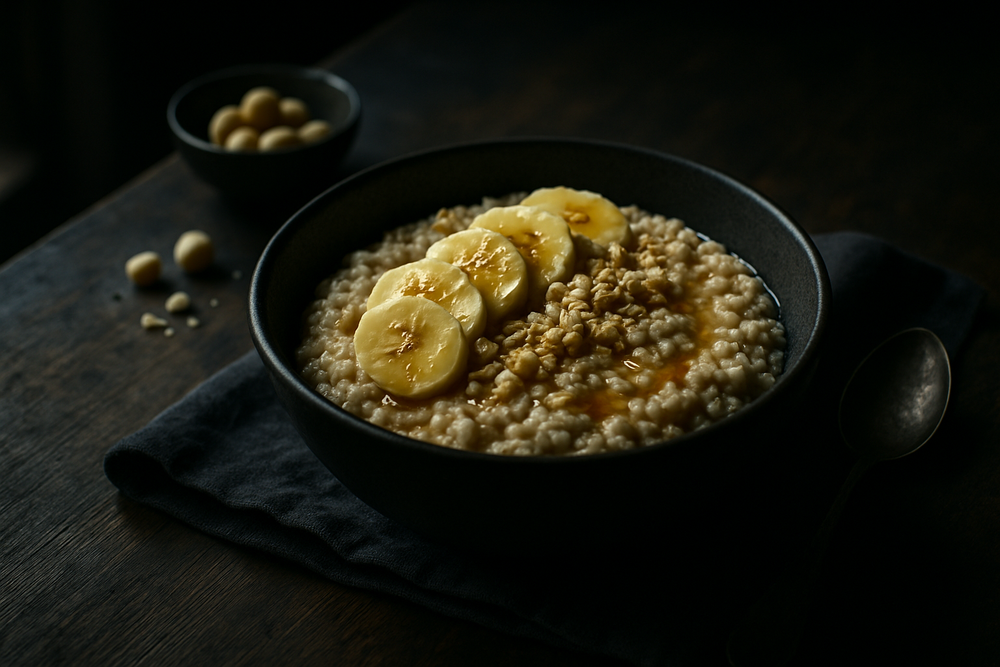
Fermented Macadamia Cheese · Photograph
Discover the fermented macadamia cheese health benefits backed by research — from heart-healthy fats and gut-friendly probiotics to blood sugar support. Learn serving sizes, nutrition facts, safety tips, and how this creamy dairy-free brie fits a whole-food plant-based diet.
Key Nutrients
% Daily Value based on 2,000 cal diet
Key active compounds
- Oleic acid — A monounsaturated fatty acid (a fat with one double bond in its chemical structure) that makes up roughly 55–60% of the fat in macadamia nuts. Associated with favourable LDL cholesterol management.
- Palmitoleic acid — An omega-7 monounsaturated fat that is unusually abundant in macadamias. Emerging research links it to insulin sensitivity and anti-inflammatory signalling, though evidence in humans is still early.
- Phytosterols — Plant-derived sterols structurally similar to cholesterol. They compete with cholesterol for absorption in the gut, contributing to LDL-lowering effects.
- Tocopherols — Vitamin E-related antioxidant compounds that help protect unsaturated fats (including those in the cheese itself) from oxidation.
- Thiamine (vitamin B1) — A water-soluble vitamin essential for converting carbohydrates into energy; macadamias are one of the richest nut sources.
- Manganese — A trace mineral that acts as a cofactor in antioxidant enzymes and supports bone mineralisation.
- Fermentation-derived bioactives — Organic acids (mainly lactic acid), peptides, and microbial metabolites produced during culturing that may modulate gut microbiota composition and immune signalling.
- Lactic acid bacteria (LAB) — The live microorganisms used to culture the cheese; when present in sufficient numbers in the final product, they may act as probiotics (live microorganisms that, when consumed in adequate amounts, confer a health benefit on the host).
Prep and pairing ideas
Fermented macadamia cheese is versatile beyond a simple spread. Here are three practical pairings and why they work nutritionally and culinarily:
1. Whole-grain sourdough + fermented macadamia cheese + sliced pear The sourdough provides complex carbohydrates and additional fermentation-derived organic acids; the pear adds natural sweetness and soluble fibre (pectin) that feeds beneficial gut bacteria. Together, this is a genuinely satisfying snack that layers three fermented or fibre-rich components.
2. Roasted beetroot salad + crumbled macadamia cheese Beetroot's earthy sweetness and natural nitrates (which may support blood vessel flexibility) contrast beautifully with the buttery tang of the cheese. The fat in the cheese also helps absorb fat-soluble phytonutrients from the vegetables — a practical nutrition bonus.
3. Stuffed dates + macadamia cheese Medjool dates provide quick-release energy and potassium; the high-fat cheese slows absorption and prevents a sharp blood sugar spike. This is a calorie-dense pairing — appropriate as a small dessert or post-workout snack rather than an everyday nibble.
Storage tip: Fresh fermented macadamia cheese keeps refrigerated for 5–7 days after culturing. If the product separates slightly, stir before serving. Discard if you see unexpected mould colours (white culture rind is normal in brie-style versions; green, black, or pink patches are not).
Bottom line
Fermented macadamia cheese is one of the most nutritionally interesting plant-based cheese alternatives available. It starts with a nut that has genuine human-trial evidence behind it for cholesterol management and cardiometabolic health, and then adds the potential gut-health dimension of live fermentation. The fat profile — dominated by oleic and palmitoleic monounsaturated acids — is genuinely heart-aligned, not just "plant-based by default."
The caveats are real: the calorie density demands small portions, the evidence on the fermented cheese form specifically is largely extrapolated from nut and fermented food research rather than direct trials, and certain groups (allergy, immunocompromised, histamine-sensitive) need to exercise caution.
Used thoughtfully — 1–2 tablespoons per day, in a varied WFPB diet rich in vegetables, legumes, and whole grains — fermented macadamia cheese is a genuinely useful ingredient rather than a wellness gimmick.
Explore how fermented and probiotic foods fit your personal health goals at /goals.
How Fermented Macadamia Cheese Compares
| Compared with | What's different |
|---|---|
| Fermented Macadamia Cheese vs. Cashew Cheese | Higher in fat and lower in protein, with a buttery, neutral flavor rather than a nutty tang. |
| Fermented Macadamia Cheese vs. Dairy Brie | Contains live probiotics and higher levels of heart-healthy monounsaturated fats. |
Health Benefits
Things to Know
Calorie density is the primary caution.: At roughly 200 calories per 28 g, fermented macadamia cheese contains more calories per gram than most other whole foods. Small servings (1–2 tablespoons) are practical; large helpings can add a significant unintended calorie load.
Tree nut allergy: Macadamia is a tree nut. Anyone with a tree nut allergy should avoid this product entirely. Cross-reactivity between macadamia and other tree nuts exists.
High-fat food sensitivity: People with gallbladder disease, pancreatitis, or difficulty digesting high-fat foods may experience discomfort. Start with very small amounts.
Sodium/salt: Commercial fermented macadamia cheeses and many recipes include added salt. Check labels or recipes if you are on a sodium-restricted diet, particularly if managing blood pressure with medication.
Immunocompromised individuals: General probiotic safety guidance cautions that people on chemotherapy, organ transplant recipients, or those on high-dose immunosuppressants should consult a clinician before consuming high-probiotic foods regularly.
Histamine sensitivity: Fermented foods generate histamine as a natural byproduct of bacterial activity. People with histamine intolerance may experience headaches, skin flushing, or GI symptoms. Start with a very small portion and monitor response.
Medication interactions: No direct drug–macadamia interactions are documented. People on statins (cholesterol-lowering drugs) or antihypertensives should be aware of the fat content and sodium level and coordinate dietary changes with their clinician. Those on immunosuppressants should discuss regular probiotic food use with their healthcare team.
Pregnancy: Fermented foods made with live cultures are generally considered safe in pregnancy in small amounts, but unpasteurised products carry a theoretical (very low) pathogen risk. Opt for commercially produced versions if pregnant.
Shop This Ingredient
Stock your pantry with quality fermented macadamia cheese.
Buy on AmazonAs an Amazon Associate, Plantopedia earns from qualifying purchases. This costs you nothing extra and helps us keep the encyclopedia free.
Frequently Asked Questions
The short answer is: the underlying ingredient has solid evidence for cardiovascular support, and the fermented cheese form is likely to carry similar benefits — though no trials have tested the cheese specifically. Heart and circulation Two controlled human trials on macadamia nuts are particularly relevant. In a randomised crossover feeding study, a diet providing about 42.5 g of macadamias per day significantly reduced total cholesterol, LDL cholesterol, and non-HDL cholesterol compared with a typical American diet, while also improving the TC:HDL and LDL:HDL ratios (two established markers of cardiovascular risk). A 2023 randomised trial in overweight and obese adults confirmed that daily macadamia consumption produced non-significant reductions in total and LDL cholesterol without increasing body weight, BMI, waist circumference, or body fat. The mechanism is fairly well understood: the high monounsaturated fat content, combined with phytosterols that reduce cholesterol absorption, creates a lipid (fat-in-blood) environment that is generally less conducive to plaque formation. Fermented macadamia cheese retains this fatty acid profile, so the cardiovascular rationale extends — though evidence specific to the cultured product is not yet available. Important context: "Reduces risk markers" is not the same as "prevents heart disease." If you have existing cardiovascular disease or are on lipid-lowering medication, discuss dietary fat changes with your doctor. Digestive health and microbiome When fermented macadamia cheese contains live lactic acid bacteria at the point of consumption, it qualifies as a fermented probiotic food. Multiple systematic reviews of fermented food consumption show that regular intake increases the abundance of lactobacilli and, in several studies, bifidobacteria in the gut — both species associated with a well-functioning gut ecosystem. The fibre in whole macadamias also provides a prebiotic (a food source for beneficial bacteria) substrate, which may amplify this effect. That said, research on fermented nut cheeses specifically is almost nonexistent; current evidence is extrapolated from broader fermented food research (yogurt, kefir, kimchi, etc.). Whether a particular brand or homemade batch delivers meaningful live bacteria depends heavily on production method, storage conditions, and time since culturing. Blood sugar and metabolism Macadamia nuts are very low in carbohydrate and high in fat, which slows gastric emptying (the rate at which food leaves your stomach) and tends to blunt the blood sugar spike that follows a carbohydrate-containing meal. The 2023 trial found no adverse changes in glycaemic parameters — blood glucose regulation measures — in participants eating macadamias daily, even at higher body weights. As a cheese spread, small portions of fermented macadamia cheese are unlikely to raise blood sugar meaningfully on their own. No direct trials exist on the fermented form and glycaemia specifically. Inflammation and recovery Direct evidence linking macadamias to inflammatory markers in humans is limited — the published trials focused mainly on lipids and weight rather than inflammation. Fermented food research sometimes shows improvements in inflammatory and immune markers, but findings vary considerably by product and bacterial strain. What is plausible: the monounsaturated fat, antioxidant tocopherols, manganese (a cofactor in superoxide dismutase, an antioxidant enzyme), and fermentation-derived bioactives together create a low-oxidative-stress food environment. Calling this "anti-inflammatory" in a strong clinical sense overstates the current evidence; calling it "a food composition that supports antioxidant defence" is more accurate.
Form matters for two reasons: nutrient retention and live culture count. Soft, spreadable (fresh-cultured) is the most common and typically delivers the highest live bacteria count. This is your closest equivalent to fresh dairy fromage blanc or cream cheese — mild tang, creamy texture, best spread cold on whole-grain bread or used in dips. Buy refrigerated and consume within the use-by window. Aged brie-style wheel or round develops a rind and more complex flavour over weeks of ageing. It may have slightly lower moisture and a more concentrated fat and calorie content per gram. Live culture counts may be lower in aged formats, depending on the strain and ageing conditions. Probiotic-fortified versions have specific probiotic strains (often Lactobacillus acidophilus or Bifidobacterium species) added at defined counts, usually listed on the label as CFU (colony-forming units — a measure of how many live bacteria are present). These offer more predictable gut-health dosing but are less widely available. Homemade gives you full control over ingredients and salt levels. The trade-off is variable culture quality; use a reliable probiotic capsule or commercial starter culture and consume within a few days of culturing to maximise live bacteria. Buying tip: Look for "contains live cultures" or "raw/unpasteurised after culturing" on the label. Heat-treated (pasteurised) products after fermentation will not carry live bacteria.
Research trials on macadamia nuts used portions of about 42.5 g per day (roughly 1.5 oz) within a broader heart-healthy diet — and found benefits for cholesterol without weight gain. For fermented macadamia cheese, the practical daily amount is smaller: 1–2 tablespoons (approximately 15–30 g) is a sensible starting range for most people. This is a condiment-level food, not a staple. At 2 tablespoons (about 28 g), you are already at roughly 200 calories — equivalent to a moderate snack. Eating several servings across a day would add significant calorie load that could displace more micronutrient-rich whole foods. Start low: If you are new to fermented foods, begin with 1 teaspoon and increase over a week to allow your gut microbiota to adjust. GI discomfort (bloating, loose stools) at higher amounts is the most common early side effect with any probiotic food. For weight management: Treat it as a flavour enhancer or spreading fat, not a protein source. The 2 g of protein per serving is modest; combine with legumes, seeds, or whole grains for a complete plant-protein profile.
Quick Answers
Common questions, answered in a line.
Fermented macadamia cheese is rich in oleic acid and phytosterols, which are associated with favorable LDL cholesterol management. These plant-derived sterols compete with cholesterol for absorption in the gut, contributing to heart-healthy, LDL-lowering effects.
Fermented macadamia cheese is high in oleic acid (55–60% of its fat), palmitoleic acid for insulin sensitivity, and phytosterols for heart health. It also provides essential nutrients like thiamine (vitamin B1), manganese, tocopherols (vitamin E), and live lactic acid bacteria.
Fermented macadamia cheese contains live lactic acid bacteria (LAB) and fermentation-derived bioactives that may modulate gut microbiota composition. When these microorganisms are present in sufficient numbers, they act as probiotics to confer digestive health benefits.
Fermented macadamia cheese provides a high-fat profile that can help slow the absorption of sugars from other foods, preventing sharp blood sugar spikes. The palmitoleic acid found in the cheese is also being researched for its potential links to improved insulin sensitivity.
Fresh fermented macadamia cheese typically keeps in the refrigerator for 5 to 7 days after the culturing process. If the cheese separates slightly during storage, you should stir it before serving to restore the creamy consistency.
You should discard fermented macadamia cheese if you see green, black, or pink patches of mold, as these indicate spoilage. While a white culture rind is normal for brie-style versions, unexpected colors are a sign that the product is no longer safe to eat.
People with tree nut allergies, gallbladder disease, or histamine intolerance should exercise caution or avoid fermented macadamia cheese. Additionally, immunocompromised individuals or those on sodium-restricted diets should consult a clinician due to live cultures and added salt.
For Readers in the USA
Local context — sourcing, seasonality, and regional notes.
You can buy artisanal macadamia cheese at high-end grocers like Whole Foods Market and Erewhon, or via specialty vegan online retailers that ship nationwide. While not as common as cashew-based brands like Miyoko's, you will increasingly find macadamia varieties in the refrigerated "plant-based" or "specialty deli" sections of regional natural food stores.
While Hawaii is the primary US producer of macadamias, most commercial nut cheese in the US uses nuts imported from Australia or South Africa to meet year-round demand. Domestic Hawaiian macadamias are harvested from late summer through early spring, but the fermented cheese itself is available in US stores regardless of the season due to the long shelf life of the raw nuts.
Look for the USDA Organic seal to ensure the nuts were grown without synthetic pesticides and the "Non-GMO Project Verified" label if you want to avoid bioengineered ingredients. Since the FDA does not have a formal definition for "probiotic" on food labels, check the ingredient list for specific live active cultures like L. acidophilus to ensure you are getting a truly fermented product.
AI Clinical Review
- Accurately describes macadamia nuts’ cardiometabolic evidence: human trials show LDL and total cholesterol improvements when nuts replace part of a typical diet; the piece links this to their high monounsaturated fat (MUFA) and phytosterols.
- Sensibly frames fermented macadamia cheese as calorie‑dense and best used in small portions; the 1–2 tablespoon daily range is practical for most people.
- Nutrition snapshot is directionally sound (notably high in manganese, with meaningful thiamine and copper) and notes that fermentation minimally alters macros.
- Gut health discussion is balanced: potential benefits hinge on live cultures at consumption, which can vary by product and handling.
- There are no clinical trials on fermented macadamia cheese itself; benefits are extrapolated from studies on macadamia nuts and on other fermented foods. Strain‑specific effects matter, and not all lactic acid bacteria (LAB) act the same.
- Palmitoleic acid (omega‑7) signals are intriguing but remain preliminary in humans; claims around insulin sensitivity or inflammation need more robust trials.
- Inflammation and recovery benefits are mechanistic/plausible rather than demonstrated outcomes in controlled human studies for this specific food.
- Probiotic impact depends on survival over shelf life and through digestion; labeled colony‑forming units (CFU) may decline by the “best by” date, and aged formats can have fewer viable microbes.
- Portion guidance: 1–2 tablespoons (≈15–30 g) delivers about 100–200 kcal; account for this within daily energy goals, especially if managing weight or blood lipids.
- Form matters: for a probiotic effect, look for refrigerated products that state “contains live cultures” and are not heat‑treated post‑fermentation; aged wheels may trade flavor for lower live‑culture counts.
- Safety: avoid entirely with tree‑nut allergy. People who are immunocompromised, pregnant (prefer pasteurized/commercial options), sensitive to histamine, or with gallbladder/pancreatic issues should check with a clinician before regular use.
- Sodium varies widely by brand/recipe; if you monitor blood pressure or are on antihypertensives, check labels. This cheese is low in protein (~2 g/oz), so pair with protein‑rich foods rather than relying on it as a protein source.
Very calorie-dense; small servings.
References
- USDA FoodData Central — Macadamia nuts, raw (nutrition reference) (fdc.nal.usda.gov)
- Randomised controlled trial: macadamia nuts and cardiometabolic risk in overweight/obese adults (2023) (pubmed.ncbi.nlm.nih.gov)
- Controlled crossover feeding study: macadamia nut-rich diet reduces total and LDL cholesterol (pure.psu.edu)
- Systematic review: colonisation ability of microbes from fermented foods and impact on gut microbiota (frontiersin.org)
- PMC narrative review: fermented foods, health and the gut microbiome (pmc.ncbi.nlm.nih.gov)
- PMC review: fermented foods as probiotics (pmc.ncbi.nlm.nih.gov)
- PMC article: impact of fermented food consumption on gastrointestinal outcomes (pmc.ncbi.nlm.nih.gov)
- MDPI review: probiotics and fermented foods in human nutrition (mdpi.com)
- NIH NCCIH — Probiotics: what you need to know (safety and caution groups) (nccih.nih.gov)
- FatSecret/USDA — Macadamia nuts per 100 g macronutrient and micronutrient data (foods.fatsecret.com)
Know Your Numbers
Eating healthy is a start. Now get to know your biomarkers.
Food changes bloodwork — inflammation, lipids, blood sugar and nutrient status all respond to what you eat. 59 markers from $59.
- Results in 7–10 days at 2,000+ Quest sites
- Licensed provider reviews every result
- One flat price, no membership, HSA/FSA eligible
Educational information only, not medical advice. Panels are ordered and reviewed through our licensed partner; Plantopedia may earn a commission.