Chickpea Miso — health benefits and uses
A modern koji craft riff on traditional Japanese miso for those avoiding soy.
The Short Answer
Chickpea miso is a soy-free fermented paste that provides 1.2g of protein and 35 calories per tablespoon. It is a rich source of live cultures (if unpasteurized) and prebiotic fibers that support gut health, though it is high in sodium.
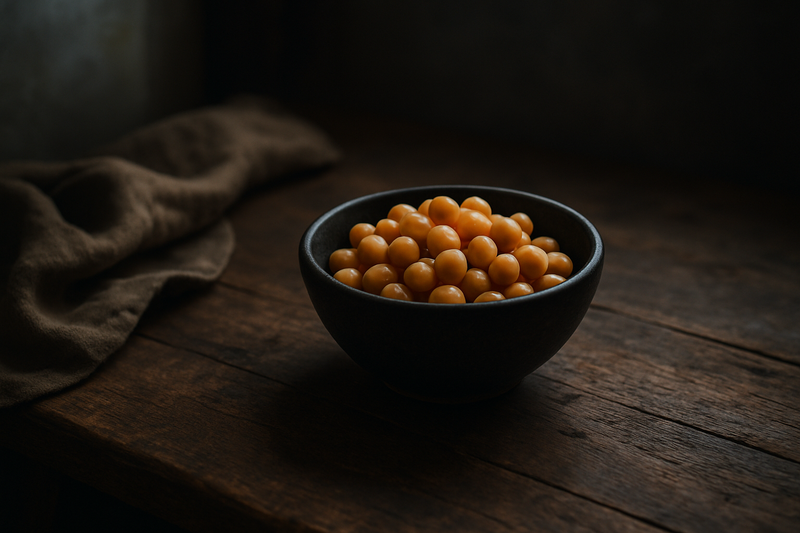
Chickpea Miso · Photograph
Discover the chickpea miso health benefits and side effects, from gut-friendly fermentation and plant protein to high sodium risks. Learn chickpea miso nutrition facts, how it compares to soy miso, and the safest ways to add this soy-free fermented paste to your diet.
Key Nutrients
% Daily Value based on 2,000 cal diet
Key active compounds in chickpea miso
- Fermentation-derived peptides — Short amino acid chains produced when koji enzymes break down chickpea proteins. Some miso-derived peptides show ACE-inhibitory activity in lab studies, meaning they may interfere with an enzyme involved in raising blood pressure. Evidence is largely experimental, not from human trials.
- Phenolic compounds — Polyphenols naturally present in chickpeas (phenolic acids, flavonoids) that may be modified and made more bioaccessible (easier for the body to absorb and use) by fermentation.
- Organic acids — Lactic acid and related fermentation by-products that contribute to miso's tangy flavor, act as natural preservatives, and may help modulate gut pH and microbial balance.
- Prebiotic fibers and oligosaccharides — Non-digestible carbohydrates from chickpeas that survive fermentation and can act as fuel for beneficial gut bacteria. "Prebiotic" means a compound that feeds beneficial microbes rather than containing them directly.
- Live cultures (unpasteurised only) — Active bacteria and yeasts present in raw, unpasteurised miso. These are the organisms most commonly associated with probiotic effects. Pasteurised miso loses live cultures but retains the other compounds above.
Buying guide: what to look for on the label
Chickpea miso is sold in natural food shops, specialist Asian grocers, and online retailers. Here is what to check:
- Ingredients list: Should read chickpeas, salt, koji culture (rice or barley), and little else. Avoid products with added preservatives, artificial flavours, or MSG if your goal is a whole-food product.
- Pasteurised vs unpasteurised: Clearly labelled on most products. Unpasteurised versions are often described as "live," "raw," or "naturally fermented."
- Sodium per serving: Compare brands. Values range from roughly 400 mg to over 900 mg per tablespoon. Choosing the lower end makes sodium management easier.
- Colour and texture: Chickpea miso tends to be lighter (beige to pale gold) and milder than dark soy miso. A darker or more aged product will have a deeper, more complex flavour.
- Storage: Unpasteurised miso must be refrigerated. Pasteurised versions may be shelf-stable until opened, then refrigerated.
- Certifications: Look for organic and non-GMO labels if these matter to you. Many artisan chickpea miso producers use organic chickpeas.
Prep and pairing ideas
Chickpea miso is one of those ingredients that amplifies almost everything it touches. A little goes a long way.
Miso salad dressing: Whisk 1 teaspoon chickpea miso with 1 tablespoon rice vinegar, 1 teaspoon sesame oil, a squeeze of lemon, and a little grated ginger. The miso acts as an emulsifier (it helps oil and water combine) and adds savoury depth without extra salt.
Miso broth for noodles or grains: Heat a bowl of water or vegetable stock to just below boiling, remove from heat, then stir in 1–2 teaspoons of chickpea miso. Add soba noodles, leafy greens, and tofu. Keeping the liquid below boiling preserves live cultures in unpasteurised miso and keeps the flavour bright.
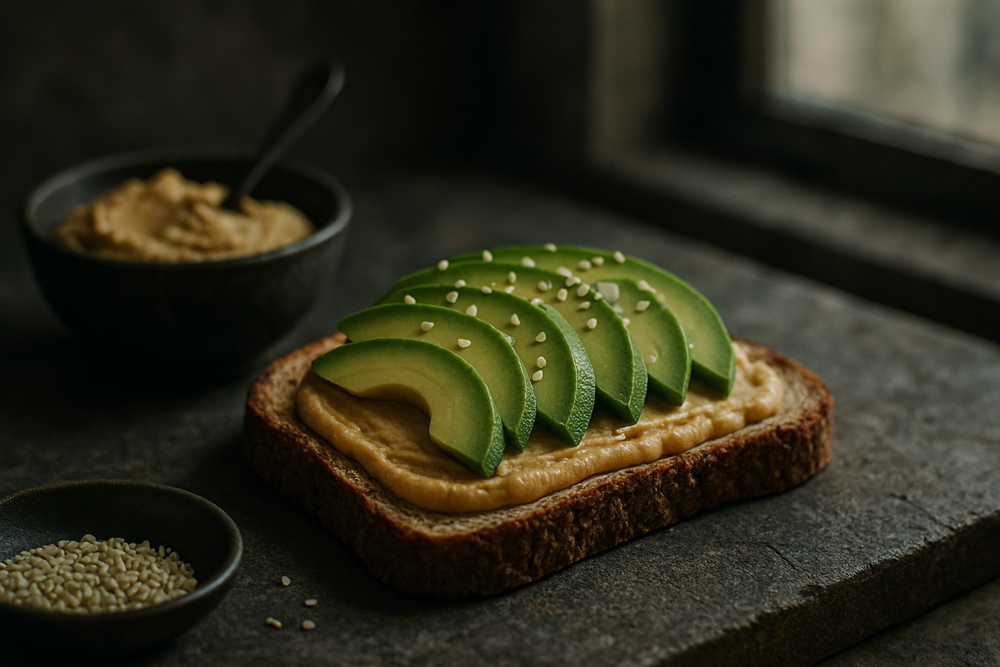
Miso-tahini spread: Blend 1 teaspoon chickpea miso with 2 tablespoons tahini, a squeeze of lemon, and a splash of water. Spread onto wholegrain toast or use as a dip for raw vegetables. The combination pairs miso's umami with tahini's nuttiness and adds calcium and plant protein.
Miso-glazed vegetables: Mix 1 tablespoon chickpea miso with 1 tablespoon maple syrup and a little garlic. Brush over aubergine, sweet potato, or cauliflower steaks before roasting. In this application the miso is cooked, so live cultures are not preserved, but the flavour and fermentation-derived compounds remain.
Bottom line
Chickpea miso is a genuinely useful ingredient for anyone seeking a soy-free, whole-food fermented condiment with umami depth. Its fermentation process generates bioactive peptides, organic acids, and potentially live cultures that align well with gut-health principles, and research on traditional miso suggests plausible cardiovascular and anti-inflammatory benefits — though none of that research was done on chickpea miso directly. The evidence is promising but preliminary, and the high sodium content means it is a condiment to use thoughtfully rather than freely.
Used in small, measured amounts within an overall low-processed-food, plant-rich diet, chickpea miso can add both flavour complexity and fermented food variety without meaningfully shifting sodium balance for most healthy people. If you have high blood pressure, kidney disease, or take certain medications, talk to your doctor or dietitian before adding it regularly to your meals.
How Chickpea Miso Compares
| Compared with | What's different |
|---|---|
| Chickpea Miso vs. Soy Miso (Red) | Contains soy and typically has a more pungent, saltier, and funkier profile. |
| Chickpea Miso vs. Chickpea Miso | A soy-free alternative with a lighter, sweeter, and more buttery flavor profile. |
| Chickpea Miso vs. Chickpeas (Plain) | Lacks the probiotic benefits and complex enzymes found in fermented miso paste. |
Health Benefits
Things to Know
Sodium is the biggest practical concern.: One tablespoon can contribute 35–40% of the recommended daily sodium limit. If you use miso in multiple dishes in one day, sodium adds up quickly.
High blood pressure and kidney disease: People with hypertension, prehypertension, chronic kidney disease, heart failure, or cirrhosis should discuss miso intake with their doctor or dietitian. Sodium restriction is often medically important in these conditions.
Antihypertensive medications (e.g., ACE inhibitors, ARBs, beta-blockers): Excess sodium can blunt blood-pressure-lowering effects. Consistent moderate use is key.
Diuretics (water tablets): High sodium intake may counteract the fluid-reducing effect of thiazide or loop diuretics.
MAO inhibitor antidepressants (MAOIs): Fermented foods can contain tyramine and other biogenic amines, which may interact with MAOIs to cause a potentially serious blood pressure spike. Seek medical guidance before consuming fermented foods if you take an MAOI.
Histamine intolerance: Fermented foods are a common trigger. If you notice headaches, flushing, or digestive discomfort after fermented foods, chickpea miso may not suit you.
Chickpea allergy: Chickpea miso contains chickpeas. People allergic to chickpeas or other legumes should avoid it.
Pregnancy and immunocompromised individuals: Unpasteurised products carry a small theoretical microbial risk. Pasteurised chickpea miso is a safer choice in these situations.
Gastric health: Some analyses link high-salt diets (of which miso can be a contributor) with elevated gastric cancer risk over time, even while Japanese epidemiology shows some protective associations for miso soup. Moderate use within overall sodium limits is the prudent approach.
Glossary
Shop This Ingredient
Stock your pantry with quality chickpea miso.
Buy on AmazonAs an Amazon Associate, Plantopedia earns from qualifying purchases. This costs you nothing extra and helps us keep the encyclopedia free.
Frequently Asked Questions
The benefits below are supported by evidence from soy-based miso and fermented soy studies. No controlled human trials have been conducted specifically on chickpea miso. Use the word "may" as your mental flag throughout this section. Heart and circulation Several large observational studies from Japan link habitual miso soup consumption with cardiovascular outcomes that are surprisingly neutral-to-positive, despite miso's high salt content. A prospective cohort study found that higher intake of fermented soy products (including miso) was associated with a roughly 20% lower risk of cardiovascular disease in women compared with the lowest intake group. A six-week randomized trial using low-sodium versions of miso and soy sauce found a meaningful reduction in diastolic blood pressure (the lower number in a reading) of about 6.4 mmHg among adults aged 40 and over. The apparent paradox — a salty food that does not clearly raise blood pressure — is thought to involve fermentation-derived peptides that have ACE-inhibitory properties in experimental models, potentially offsetting some of sodium's pressure-raising effects. That said, these findings cannot be assumed to apply to chickpea miso, and the high sodium content remains a genuine risk factor for salt-sensitive individuals. Moderation is essential. Digestive health and microbiome Chickpea miso may support gut health through two complementary mechanisms. First, prebiotic fibers from the chickpea base can feed beneficial bacteria already living in your gut. Second, unpasteurised chickpea miso contains live cultures — bacteria and yeasts active during fermentation — that may act as probiotics when consumed, meaning they arrive in the gut alive and interact with the existing microbial community. The evidence base here is largely theoretical and animal-model based for miso specifically; human clinical trials on miso and microbiome outcomes remain limited. Adding unpasteurised miso off the heat (stirring it into a warm bowl rather than boiling it in the pot) helps keep those live cultures intact. Blood sugar and metabolism Chickpea miso is typically used in small serving sizes, so its direct effect on blood glucose (blood sugar) is likely minor. Fermentation can alter the structure of carbohydrates and generate peptides that may interact with digestive enzymes or insulin signaling in cell and animal studies, but these mechanisms have not been confirmed in human trials for miso. Reviews of fermented soy products note associations with healthier cardiometabolic profiles in large cohorts, but it is difficult to isolate miso specifically from overall dietary patterns. Inflammation and recovery Reviews of traditional miso attribute antioxidant and anti-inflammatory properties to its fermentation-derived peptides and phenolic compounds. Most supporting data come from cell culture and animal experiments. Epidemiological findings — observational data showing that miso consumers tend to have lower rates of certain chronic conditions — are consistent with anti-inflammatory effects but do not prove them. For chickpea miso, the polyphenol profile differs from soy miso, and direct human evidence is absent. Any anti-inflammatory effect should be viewed as a potential bonus within a broader whole-plant dietary pattern, not as a standalone effect.
The choice between unpasteurised and pasteurised chickpea miso depends on what you are prioritising. Unpasteurised (raw) chickpea miso is refrigerated and may carry live cultures. If gut health and probiotic activity are your goal, unpasteurised is the logical choice — but only if you add it after the heat source, since boiling destroys live organisms. It has a shorter shelf life once opened and should be kept cold. Pasteurised chickpea miso is heat-treated for shelf stability. It retains fermentation-derived peptides, organic acids, and phytochemicals, but live cultures are largely eliminated. It is a practical option if you cook with miso regularly and want convenience, and it is preferable for pregnant people, immunocompromised individuals, and anyone advised to avoid unpasteurised foods. Reduced-sodium chickpea miso, where available, cuts salt content by roughly 20–25% compared with standard miso. Clinical trials using low-sodium soy miso showed improved diastolic blood pressure outcomes, suggesting that reducing sodium while retaining fermented compounds may be the most cardiovascular-friendly approach. Check labels: "low sodium" claims on miso products can still represent a substantial sodium dose per tablespoon.
There is no established clinical guideline for daily miso intake. Culinary use typically ranges from 1–2 teaspoons (5–10 g) up to about 1–2 tablespoons (15–30 g) spread across meals. The governing constraint is sodium. The World Health Organization recommends less than 2,000 mg sodium per day; most national guidelines suggest a maximum of 2,300 mg. A single tablespoon of chickpea miso can supply 35–40% of that ceiling. If you are using miso daily: Start with 1 teaspoon per serving to keep sodium contribution manageable. Account for sodium from other sources in the same day (bread, canned goods, sauces, cheese). Choose reduced-sodium products where available if you are monitoring blood pressure. Distribute across meals rather than using a large amount in one sitting. For most healthy adults eating a varied diet, 1–2 teaspoons daily as a condiment is a reasonable, food-safe range. People with sodium-sensitive conditions should establish an appropriate personal limit with a healthcare professional.
Quick Answers
Common questions, answered in a line.
Chickpea miso contains fermentation-derived peptides, phenolic compounds, organic acids, prebiotic fibers, and live cultures if unpasteurised. These active compounds are created when koji enzymes break down chickpea proteins, potentially improving the bioaccessibility of antioxidants and feeding beneficial gut bacteria.
Chickpea miso is a soy-free fermented paste that is typically lighter in color and milder in flavor than traditional dark soy miso. It offers a similar umami depth and fermentation benefits for those who need to avoid soy but still want a whole-food, probiotic condiment.
Check the ingredients for chickpeas, salt, and koji culture, and decide between unpasteurised "live" versions for probiotics or pasteurised versions for shelf stability. It is also important to compare sodium levels, as values can range from 400 mg to over 900 mg per tablespoon.
To preserve live cultures in unpasteurised chickpea miso, add it to liquids that are just below boiling rather than boiling the paste itself. You can also use it in raw applications like salad dressings, tahini spreads, or as a dip for vegetables to maintain its probiotic potential.
People taking MAO inhibitors (MAOIs) should consult a doctor before eating chickpea miso because fermented foods contain tyramine, which can cause serious blood pressure spikes. Additionally, those on blood pressure medications or diuretics should be cautious due to the high sodium content.
The main side effects and risks include high sodium intake, potential histamine intolerance triggers, and allergic reactions for those sensitive to legumes. Due to the high salt content, it may be problematic for individuals with high blood pressure, kidney disease, or a higher risk of gastric issues.
For Readers in the USA
Local context — sourcing, seasonality, and regional notes.
You can find chickpea miso at major US retailers like Whole Foods Market, Sprouts Farmers Market, and regional natural food co-ops, as well as through specialty online shops. While traditional soy miso is common in standard supermarkets, this soy-free alternative is typically stocked in the refrigerated "natural" or "vegan" sections of health-oriented grocers.
In the U.S., chickpea miso labeled "Certified Organic" must be produced without synthetic fertilizers or GMOs, adhering to strict USDA National Organic Program standards. This is particularly relevant for consumers looking to avoid glyphosate residues often associated with conventional pulse crops like chickpeas.
While imported brands exist, many popular chickpea misos are produced by domestic artisan fermenteries in states like Massachusetts, North Carolina, and California using American-grown chickpeas and rice. Domestic brands often highlight "hand-crafted" or "small-batch" processes to appeal to the growing U.S. market for functional, soy-free fermented foods.
AI Clinical Review
- Clearly explains what chickpea miso is and how it differs from soy miso while noting that most health data come from soy-based studies.
- Emphasizes sodium as the main practical constraint (~800–900 mg per tablespoon) and recommends small, condiment-sized portions—aligned with heart-health guidance.
- Accurately distinguishes unpasteurised (potential live cultures) from pasteurised products and advises adding raw miso off the heat to preserve microbes.
- Describes plausible mechanisms (fermentation-derived peptides, prebiotic fibers) without overstating benefits, and frames chickpea miso as a flavor booster rather than a cure-all.
- Human trials specific to chickpea miso are lacking; cardiometabolic findings from soy miso and “fermented soy” cohorts may not directly translate.
- ACE-inhibitory peptide effects (ACE = angiotensin‑converting enzyme) and anti‑inflammatory claims are largely from lab or animal models; clinical relevance in everyday portions is uncertain.
- Probiotic potential is plausible for unpasteurised miso, but strains, doses, and survival through digestion aren’t standardized—so benefits may be modest.
- Observational data on miso soup from Japan reflect broader dietary patterns and salt habits, limiting generalizability.
- Portion guidance: 1–2 teaspoons (5–10 g) per serving is a sensible range; monitor total daily sodium (aim <2,000–2,300 mg/day). Reduced‑sodium miso helps but can still be salty.
- Choose form by priority: unpasteurised for potential live cultures (stir in off heat); pasteurised for food safety—preferable during pregnancy or if immunocompromised.
- Use caution and consider medical advice if you have hypertension, kidney or heart disease, or take diuretics/antihypertensives. Those on MAOI antidepressants (tyramine risk), with histamine intolerance, or chickpea/legume allergy should be especially careful.
- Check labels: some chickpea miso uses barley koji (contains gluten); verify ingredients if you need gluten‑free products.
High sodium; do not boil to preserve live cultures.
References
- USDA FoodData Central — reference nutrition database (fdc.nal.usda.gov)
- Randomised 6-week trial: low-sodium miso/soy sauce and blood pressure (PubMed) (pubmed.ncbi.nlm.nih.gov)
- Miso soup consumption, blood pressure, and heart rate in Japanese adults (Circulation Journal) (jstage.jst.go.jp)
- Fermented soy product intake and cardiovascular disease risk in a Japanese cohort (PubMed) (pubmed.ncbi.nlm.nih.gov)
- Miso: A Traditional Nutritious and Health-Endorsing Fermented Product — full review (PMC) (pmc.ncbi.nlm.nih.gov)
- Miso: A Traditional Nutritious and Health-Endorsing Fermented Product — Wiley Food Science & Nutrition (onlinelibrary.wiley.com)
- Health Benefits of Miso — IP Journal of Nutrition, Metabolism and Health Science 2025 (jnmhs.com)
- South River Miso Company — Organic Chickpea Miso product nutrition data (southrivermiso.com)
- Clearspring Organic Japanese Chickpea Miso — product nutrition label (welleasy.co.uk)
- NIH National Center for Complementary and Integrative Health — Probiotics overview (nccih.nih.gov)
Know Your Numbers
Eating healthy is a start. Now get to know your biomarkers.
Food changes bloodwork — inflammation, lipids, blood sugar and nutrient status all respond to what you eat. 59 markers from $59.
- Results in 7–10 days at 2,000+ Quest sites
- Licensed provider reviews every result
- One flat price, no membership, HSA/FSA eligible
Educational information only, not medical advice. Panels are ordered and reviewed through our licensed partner; Plantopedia may earn a commission.