Stinky Tofu — health benefits and uses
Taiwanese food culture views the intense ferment as invigorating to appetite.
The Short Answer
Stinky tofu is a fermented soy product providing 25g of protein and 683mg of calcium per 100g serving. It is a rare dietary source of S-equol, a metabolite that may support hormone health and gut integrity.
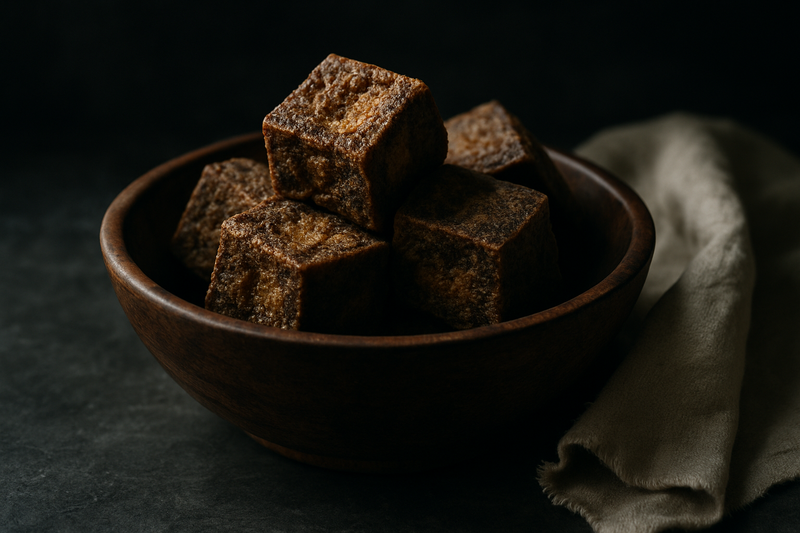
Stinky Tofu · Photograph
Discover the stinky tofu health benefits and nutrition facts behind this pungent Taiwanese fermented soy classic. Learn about its protein content, gut-friendly compounds, S-equol for hormone health, sodium warnings, and how to choose the healthiest preparation — braised over deep-fried.
Key Nutrients
% Daily Value based on 2,000 cal diet
Key active compounds in stinky tofu
- S-equol — A chiral metabolite (a specific molecular form) of the soy isoflavone daidzein, produced directly by bacteria during fermentation. Studies find an average of ~1.39 mg per 100 g in commercial stinky tofu, with up to ~16 mg per serving in some preparations. It acts as a selective estrogen receptor modulator (SERM), meaning it can gently interact with estrogen receptors without being estrogen itself.
- Indole derivatives (indole and trimethylindole) — Compounds derived from tryptophan (an amino acid) during bacterial fermentation. These bind to the aryl hydrocarbon receptor (AhR), a protein in intestinal cells that regulates immune and inflammatory responses. Animal studies suggest these compounds may help protect the gut lining and liver.
- Daidzein and genistein — Residual soy isoflavones from the original tofu that survive fermentation in varying amounts; these have been studied in wider soy research for cardiovascular and bone health effects.
- Fermentation-derived organic acids — Contribute to the food's low pH, antimicrobial properties, and may support a favorable gut microbial environment.
- Biogenic amines — Compounds like histamine and tyramine that form during fermentation; generally harmless in small amounts for most people but relevant for sensitive individuals (see cautions below).
Prep and pairing ideas
Stinky tofu's intense umami (savory, deeply meaty flavor) means it pairs well with ingredients that either complement or balance its fermented intensity.
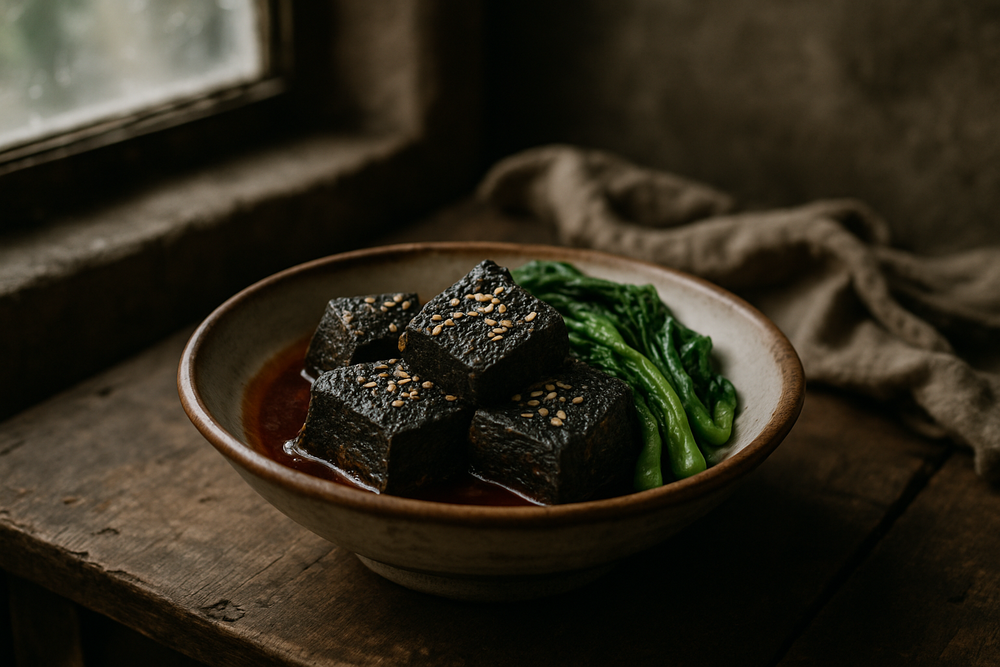
Braised stinky tofu with bok choy and fermented black beans Simmer cubed stinky tofu in a low-sodium broth with garlic, ginger, fermented black beans, and bok choy. The leafy greens add vitamin C, which can help improve iron absorption from the tofu's plant-based iron.
Steamed stinky tofu with chili-scallion oil Steam cubed tofu for 8 minutes, then drizzle with a small amount of sesame oil, chili flakes, and sliced scallions. Minimal fat, maximum flavor, full phytochemical retention.
Stinky tofu grain bowl Slice braised stinky tofu over brown rice or millet with pickled vegetables (rinse to reduce sodium), edamame, and a tahini-miso dressing. The whole grains buffer the glycemic response and add fiber to complement the tofu's protein density.
Bottom line
Stinky tofu is a genuinely fascinating food from a nutritional science perspective — not just a street-food novelty. Its fermentation process produces S-equol and indole compounds that are rare in the food supply and have shown real bioactivity in early human and animal research. It is also one of the denser plant-based protein sources available.
The honest caveat is that stinky tofu itself has not been tested in randomized controlled trials for any health outcome. Its potential benefits are inferred from its phytochemical content and from broader research on equol, fermented soy, and gut health. At the same time, its risks — primarily very high sodium and deep-frying in most traditional street preparations — are concrete and present.
The verdict: braised or steamed stinky tofu, consumed in moderate portions as part of a varied, vegetable-rich diet, is a nutritionally interesting choice that is likely safe for most healthy adults. It is not a medicine, and it is not a superfood. It is a traditional fermented soy food with a more complex bioactive profile than most people expect.
If you want to explore more whole-food fermented options for gut health and hormonal balance, browse the Plantopedia goals library for curated ingredient pairings and dietary patterns.
How Stinky Tofu Compares
| Compared with | What's different |
|---|---|
| Stinky Tofu vs. Firm Tofu | Fermented in brine for a pungent aroma and higher protein density than fresh blocks. |
| Stinky Tofu vs. Miso | Lower in fat and higher in calcium than fermented soy paste, typically eaten as a main dish. |
Health Benefits
Things to Know
High sodium is the primary concern.: One cup can deliver close to half your daily sodium allowance. If you have hypertension, heart failure, or kidney disease, portion size and preparation method are critical.
Soy allergy.: Stinky tofu is a soy product. Anyone with a soy allergy should avoid it entirely.
Hormone-sensitive conditions.: People with hormone-sensitive cancers (such as certain breast or endometrial cancers) or conditions that are affected by estrogen-like compounds should discuss regular stinky tofu intake with their oncologist or physician before consuming it frequently, given its S-equol content.
Biogenic amines.: Strongly fermented foods like stinky tofu can contain histamine and tyramine. People prone to histamine intolerance or those taking MAO inhibitor medications (a class of antidepressants) should approach with caution or avoid.
Thyroid medication (levothyroxine).: Broader guidance recommends spacing soy-rich foods away from levothyroxine doses by at least 30–60 minutes to avoid potential interference with absorption.
Anticoagulants (blood thinners).: No direct data exist for stinky tofu, but large dietary shifts involving fermented soy foods may warrant monitoring if you take warfarin or similar medications.
Pregnancy and breastfeeding.: Home-prepared braised or steamed versions with controlled sodium are safer than street-food versions of unknown provenance. Keep overall soy intake within typical dietary ranges and prioritize food safety.
Food safety and hygiene.: Street-food stinky tofu varies widely in brine quality and handling conditions. Commercially produced and packaged versions offer more consistency.
Glossary
Shop This Ingredient
Stock your pantry with quality stinky tofu.
Buy on AmazonAs an Amazon Associate, Plantopedia earns from qualifying purchases. This costs you nothing extra and helps us keep the encyclopedia free.
Frequently Asked Questions
Heart and circulation As a soy-based food, stinky tofu shares features with tofu and other soy proteins that have been associated in broader human research with modest improvements in LDL cholesterol (the "bad" cholesterol) and overall cardiometabolic risk when substituted for animal protein. However, stinky tofu itself has not been tested in dedicated heart-health trials. The catch is sodium. At over 1,000 mg per cup in typical commercial preparations, frequent consumption of stinky tofu could meaningfully raise daily sodium intake, which is a recognized risk factor for high blood pressure. Deep-fried versions add saturated fat from frying oils. For cardiovascular health, braised or steamed versions consumed occasionally as part of a vegetable-rich, low-sodium diet represent the most sensible approach. Digestive health and microbiome As a fermented food, stinky tofu likely contains metabolites from active microbial cultures that can influence the gut environment, though direct human microbiome studies for this specific food are currently lacking. The more specific evidence comes from preclinical (animal) research showing that indole compounds derived from fermented stinky tofu activated the aryl hydrocarbon receptor in intestinal cells, reduced intestinal permeability (sometimes called "leaky gut"), and decreased inflammatory markers in the gut and liver of mice fed alcohol. These are promising mechanistic findings — but they are animal data, not human clinical evidence. For most people, stinky tofu in braised or steamed form may contribute positively to gut microbial diversity as part of a varied fermented-food intake. High-sodium or deep-fried versions, however, could irritate the digestive tract in sensitive individuals. Blood sugar and metabolism Stinky tofu is a high-protein, very low-carbohydrate food. Its direct glycemic impact (effect on blood sugar after eating) is likely small based on its macronutrient makeup. No human glycemic index or insulin-response studies have been conducted specifically on stinky tofu. For blood sugar management, the bigger concern is what stinky tofu is paired with — sweet chili sauces, refined starch sides, or sugary pickles can raise the glycemic load of the meal significantly. Hormones and cycle health This is where stinky tofu stands out from plain tofu. Human feeding studies have confirmed that S-equol from stinky tofu is rapidly and efficiently absorbed — roughly 67% of the ingested dose was recovered in urine, with peak absorption around 3–4 hours after eating. S-equol has been studied as a dietary intervention for menopausal vasomotor symptoms (hot flashes), bone density, and cardiovascular risk markers in postmenopausal women — not in stinky tofu trials specifically, but in equol supplement and equol-rich food studies. A key nuance: not everyone's gut microbiome can produce S-equol from plain soy isoflavones. Stinky tofu bypasses this limitation by supplying preformed S-equol directly. However, stinky tofu itself has not been tested in randomized trials for menopausal outcomes, and anyone with a hormone-sensitive condition should discuss soy isoflavone intake with their doctor before making stinky tofu a regular part of their diet. Inflammation and recovery Animal studies found that stinky tofu-derived indole compounds — delivered at roughly 2 mg indole per day in mice — activated the AhR pathway, reduced pro-inflammatory cytokines (signaling proteins that drive inflammation), improved intestinal barrier integrity, and reduced liver injury caused by alcohol. These are meaningful mechanistic findings, but the jump from mouse model to human clinical benefit is substantial. Translation to humans is uncertain, particularly given differences in gut microbiome composition, dose, and alcohol exposure patterns. These findings are best understood as hypothesis-generating rather than prescriptive.
This is the most practical question for anyone thinking about stinky tofu as part of a health-oriented diet. Deep-fried stinky tofu (the classic street version) can roughly double to triple the fat and calorie content compared to the figures above, adds advanced glycation end products (AGEs — compounds formed when proteins or fats combine with sugars at high heat, associated with inflammation in some research), and typically comes with high-sodium sauces. It is genuinely delicious, but it is not a health food in this form. Braised stinky tofu — simmered in a fermented brine with chili, fermented black beans, and vegetables — uses minimal added oil, preserves fermentation-derived phytochemicals, and fits reasonably within a WFPB framework when sodium is managed. This is the preparation recommended for anyone eating stinky tofu for its potential health properties. Steamed stinky tofu is the cleanest option: no added oil, full retention of protein and bioactive compounds, and the lowest added sodium if prepared at home with a controlled brine. It is less common but increasingly available in health-focused Taiwanese restaurants. Packaged refrigerated or vacuum-sealed stinky tofu for home cooking allows you to choose your own method (bake, steam, or braise rather than deep-fry) but still carries high sodium from the commercial brine — always read the label and consider rinsing before cooking.
Peri- and post-menopausal individuals seeking dietary S-equol Many people cannot produce S-equol in their own gut from plain soy foods — stinky tofu delivers it preformed. Even modest servings (150–200 g) provide a measurable dose of bioavailable S-equol. Choose braised or steamed preparations to keep sodium and fat in check alongside potential hormonal benefits. Plant-based eaters looking for diverse fermented protein sources Stinky tofu adds fermented-food variety beyond kimchi, miso, and tempeh. Its high protein-to-calorie ratio (roughly 25 g protein per 207 calories) is efficient for plant-based protein targets. Pairing with vitamin C-rich vegetables helps maximize iron absorption from this plant-iron source.
There is no established therapeutic dose for stinky tofu — human outcome trials simply do not exist yet. The practical guidance from composition and absorption studies suggests: Serving size in research contexts: typically 150–200 g (roughly ¾ to 1 cup), providing 2–3 mg S-equol and a meaningful protein contribution. Start low if you're new to fermented foods: begin with 50–100 g to assess digestive tolerance, especially if you're not accustomed to strongly fermented foods. Sodium budget: even one moderate serving (150 g) can contribute 600–900 mg sodium depending on preparation. If you eat stinky tofu, count it toward your daily sodium budget and reduce sodium elsewhere in the day. Frequency: occasional to moderate consumption (a few times per week at most) in braised or steamed form fits within a varied WFPB pattern. Daily large portions of high-sodium, deep-fried versions are difficult to justify from a nutritional standpoint. No upper therapeutic limit is established — the cautions around hormone-sensitive conditions, sodium, and biogenic amines are more relevant constraints than any specific gram-per-day ceiling. If you are exploring stinky tofu specifically for menopausal support or gut health, speak with a registered dietitian who can help you contextualize it within your overall dietary pattern.
Quick Answers
Common questions, answered in a line.
Stinky tofu contains S-equol, a metabolite produced during fermentation that acts as a selective estrogen receptor modulator (SERM) to gently interact with estrogen receptors. This compound may support hormonal balance, though those with hormone-sensitive conditions should consult a doctor first.
Stinky tofu contains indole derivatives produced during fermentation that bind to receptors in intestinal cells to regulate immune and inflammatory responses. Animal studies suggest these specific compounds, like trimethylindole, may help protect the liver and the gut lining.
Stinky tofu is a dense plant-based protein source that provides bioactive compounds like S-equol and indole derivatives not typically found in unfermented foods. It also contains residual soy isoflavones such as daidzein and genistein, which are linked to bone and heart health.
People with high blood pressure, heart failure, or kidney disease should be cautious because one cup of stinky tofu can contain nearly half of the recommended daily sodium allowance. The high salt content is considered the primary nutritional concern for this fermented food.
You can make stinky tofu healthier by steaming it for eight minutes or braising it in a low-sodium broth with bok choy and fermented black beans. These methods avoid the high fat content of deep-frying and help retain beneficial phytochemicals and vitamins.
People with soy allergies, histamine intolerance, or those taking MAO inhibitor medications should avoid stinky tofu due to its soy base and biogenic amines. Additionally, those on thyroid medication should space out their intake to avoid interference with drug absorption.
For Readers in the USA
Local context — sourcing, seasonality, and regional notes.
In the U.S., you can find stinky tofu at major Asian grocery chains like 99 Ranch Market and H Mart, typically in the refrigerated or frozen fermented foods section. You may also find it prepared at night markets or specialized Taiwanese restaurants in metropolitan hubs like Los Angeles, New York City, and the San Francisco Bay Area.
Stinky tofu is primarily available in the U.S. as a year-round staple in specialty grocery stores, though it gains peak visibility during summer Asian night market festivals. Because it is a fermented and preserved product, its availability does not fluctuate with local American growing seasons.
The USDA and FDA regulate stinky tofu under fermented food safety guidelines, requiring commercial producers to meet strict pH and temperature controls to prevent harmful bacterial growth. While "stinky" refers to the natural fermentation aroma, the FDA ensures that domestic and imported versions are free from pathogenic spoilage.
When shopping in the U.S., look for the USDA Organic seal to ensure the soy used is non-GMO and grown without synthetic pesticides. While traditional street versions may vary, many packaged brands sold in American health-conscious markets now offer organic or "non-GMO project verified" labels on their tofu base.
AI Clinical Review
- Clearly explains how fermentation changes tofu’s chemistry, producing S‑equol and indole compounds that plain tofu typically lacks.
- Accurately frames the evidence: interesting mechanistic and absorption data exist, but stinky tofu itself hasn’t been tested in clinical outcome trials.
- Appropriately highlights sodium as the main nutritional concern and notes that preparation matters (braised/steamed > deep‑fried).
- Gives a realistic nutrition snapshot (high protein, notable calcium, very low carbohydrate) and practical pairing ideas.
- Human trials linking stinky tofu to menopausal symptoms, bone, cardiovascular, or gut outcomes are absent; benefits are extrapolated from equol studies and animal data.
- Microbiome effects and AhR‑related mechanisms (AhR = a gut receptor that influences immune signaling) are supported mainly by preclinical models; dose and frequency for humans are unclear.
- S‑equol and indole content likely vary widely by brand, brine, and process, so any “per serving” potency is not standardized.
- The clinical significance of biogenic amines (histamine/tyramine) in typical portions isn’t well defined for sensitive individuals.
- Sodium management is key: keep portions modest, prefer braised/steamed versions, and consider rinsing packaged tofu—especially if you have hypertension, kidney, or heart disease.
- Soy allergy requires avoidance. Those with hormone‑sensitive conditions should discuss regular intake because S‑equol is a weak SERM (selective estrogen receptor modulator).
- Medication considerations: separate soy‑rich meals from levothyroxine; MAO inhibitors can interact with tyramine‑rich foods; if you use warfarin, monitor INR when making big dietary changes.
- Food safety and context: street‑vendor quality and frying oils vary; during pregnancy or breastfeeding, favor reputable packaged products and home cooking with controlled sodium.
Strong odor and often deep-fried in street versions; choose braised or steamed for a WFPB fit.
References
- USDA FoodData Central — tofu and soy product nutrition reference (fdc.nal.usda.gov)
- S-equol content and bioavailability from stinky tofu — human feeding study (PubMed) (pubmed.ncbi.nlm.nih.gov)
- Indole compounds from fermented soy activate aryl hydrocarbon receptor to reduce liver injury — preclinical study (PubMed) (pubmed.ncbi.nlm.nih.gov)
- Therapeutic potential of stinky tofu-derived indole in reducing intestinal inflammation — preclinical study (ACS Journal of Agricultural and Food Chemistry) (pubs.acs.org)
- NIH Office of Dietary Supplements — Soy fact sheet, safety overview (ods.od.nih.gov)
- NIH NCCIH — Soy: What You Need To Know (consumer safety overview) (nccih.nih.gov)
- Stinky tofu detailed nutrition data — Nutribit (nutribit.app)
- Stinky tofu nutrition facts — Snapcalorie (snapcalorie.com)
- Soy products calorie and protein comparison including stinky tofu — The Standard HK (thestandard.com.hk)
- Chinese Food Wiki — Stinky tofu overview and preparation traditions (chinesefoodwiki.org)
Know Your Numbers
Eating healthy is a start. Now get to know your biomarkers.
Food changes bloodwork — inflammation, lipids, blood sugar and nutrient status all respond to what you eat. 59 markers from $59.
- Results in 7–10 days at 2,000+ Quest sites
- Licensed provider reviews every result
- One flat price, no membership, HSA/FSA eligible
Educational information only, not medical advice. Panels are ordered and reviewed through our licensed partner; Plantopedia may earn a commission.