Oncom (Fermented Soybean Cake) — health benefits and uses
Sundanese cooking treats oncom as an affordable, nourishing fermented protein.
The Short Answer
Oncom is a traditional Indonesian fermented food providing 13g of protein and 27mg of iron per 100g serving. It is prized for its earthy, umami flavor and high digestibility due to the fermentation process which reduces antinutrients like phytic acid.
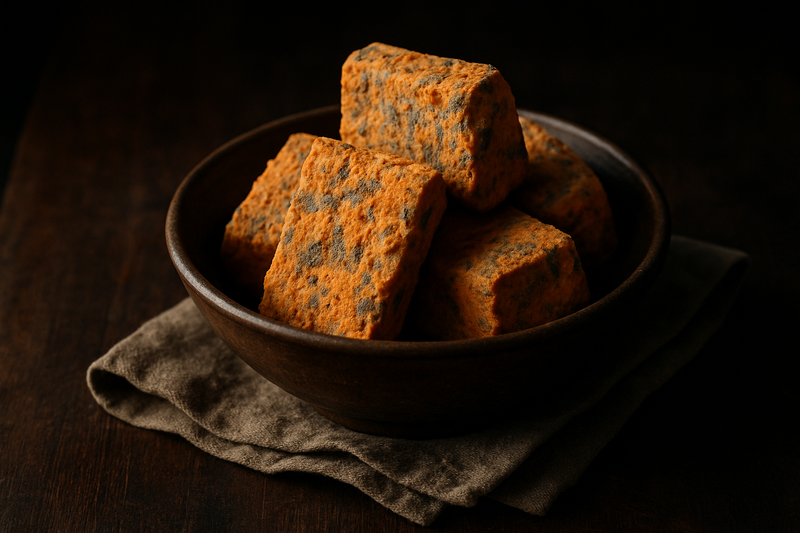
Oncom (Fermented Soybean Cake) · Photograph
Discover the oncom fermented soybean cake health benefits, full nutrition profile, red vs black oncom differences, safety tips, and how to cook it the right way. Evidence-aligned, layperson-friendly guide from Plantopedia.
Key Nutrients
% Daily Value based on 2,000 cal diet
Key active compounds in oncom
- Isoflavone aglycones — Fermentation converts soy isoflavones from their glycoside form (bound to a sugar molecule) into free aglycone forms that the body absorbs more readily. These act as antioxidants and weak phytoestrogens (plant compounds that loosely mimic estrogen).
- Carotenoids — The orange-red colour of red oncom comes partly from carotenoid pigments, which have antioxidant properties and may support eye and immune health.
- Phenolic compounds — Fermentation with Neurospora liberates phenols from the soy or peanut matrix; these molecules contribute to the cake's antioxidant capacity and potential anti-inflammatory effects.
- Reduced antinutrients — Phytic acid (a compound in legumes that can block mineral absorption) and gas-producing oligosaccharides (short-chain carbohydrates that gut bacteria ferment) are both significantly reduced during oncom fermentation, which improves mineral uptake and digestive tolerance.
- Fermentation-derived enzymes — Neurospora produces amylase (breaks down starch), lipase (breaks down fat), and protease (breaks down protein) during fermentation, making the final cake easier to digest.
- Lactic acid bacteria — Studies isolating bacteria from red oncom found strains that produce acids capable of inhibiting pathogens such as Klebsiella pneumoniae and Aspergillus flavus in laboratory tests, suggesting oncom can carry a protective microbial environment.
Prep and pairing ideas
Oncom is best thought of as a savoury, protein-rich crumble that absorbs whatever flavours you cook it with. Here are the most practical ways to use it.
Sambal dage (chili oncom condiment): Crumble red oncom and stir-fry it with shallots, garlic, red chili, shrimp paste (or a vegan alternative), and a little salt. Cook until fragrant and slightly crisp. Serve alongside rice. This is the most traditional preparation in West Java and an excellent low-cost, high-protein side dish.
Oncom stir-fry with vegetables: Crumble or slice oncom into a hot wok with kecap manis (Indonesian sweet soy sauce), garlic, ginger, and whatever vegetables you have. The oncom's earthy fermented flavour deepens with high-heat cooking and pairs especially well with green beans, cabbage, or long beans.
Grilled oncom (oncom bakar): Slice oncom into 1-cm slabs, brush with a sambal or soy-based marinade, and grill or pan-fry until golden and slightly charred at the edges. Excellent as a standalone protein dish.
Common pairings
- Steamed rice + sambal dage — The classic combination. Oncom's umami depth and high protein complement plain rice's carbohydrate profile; the sambal's acidity brightens the earthy mold flavour. Together they create a nutritionally balanced, filling meal at low cost.
- Tempeh + oncom in a mixed stir-fry — Pairing two fermented soy-based proteins diversifies the fermentation strains and flavour complexity. Tempeh adds firmness and a nuttier flavour; oncom crumbles and coats the vegetables. Combined protein per serving makes this a strong plant-based main.
- Lemongrass, galangal, and coconut aromatics — The sharp, citrusy brightness of lemongrass and the floral heat of galangal cut through oncom's musty earthiness. Adding a splash of thin coconut milk creates a creamy, fragrant sauce that works especially well with black oncom's higher fat content.
Buying guide
Fresh vs refrigerated: Fresh oncom is sold as moist, compact cakes, usually wrapped in banana leaf or plastic. It should feel firm, smell earthy-mushroomy, and show a consistent orange-red (red oncom) or greyish-black (black oncom) colour across the surface. Avoid cakes with wet, slimy patches, discolouration, or any ammonia or rotten smell — these are reliable spoilage signs.
Refrigerated oncom keeps better and is safer for anyone who cannot cook it immediately. It extends shelf life by a few days but does not eliminate the need for thorough cooking.
Artisan vs commercial producers: Commercial oncom from established producers in Indonesia is more likely to follow consistent hygiene standards. If buying from a market stall or informal producer — especially black oncom with a peanut substrate — ask about sourcing and production date.
Label tips for imported or packaged oncom:
- Check for a clear production date and best-before stamp.
- The ingredient list should be short: soy/peanut by-product, mold starter (Neurospora or Rhizopus species), and possibly salt. Long additive lists are unusual for traditional oncom and may indicate the product has been heavily processed.
- "Oncom merah" (red oncom) on Indonesian-language packaging indicates the Neurospora-fermented soy version; "oncom hitam" (black oncom) indicates the Rhizopus-fermented peanut version.
Bottom line
Oncom is a nutritionally interesting, protein-rich fermented legume cake with a strong track record of safe traditional use when handled and cooked correctly. Fermentation with Neurospora mold genuinely improves the digestibility, mineral availability, and antioxidant profile of what would otherwise be food-processing waste. Early research hints at potential benefits for digestion, cardiovascular markers, and antioxidant activity, but honest disclosure is important: there are no large controlled human trials specifically on oncom yet, so definitive health claims are not warranted.
For plant-based eaters and anyone curious about fermented foods, oncom is a worthwhile ingredient to explore — flavourful, sustainable, and nutritionally solid. The two non-negotiable rules are: always cook it thoroughly, and discard it immediately if it smells of ammonia. Beyond those, approach it as you would any fermented soy or legume food: enjoy it as part of a varied diet, buy from reputable sources, and adjust for your individual health context.
Looking to explore how fermented foods fit into your overall wellness approach? Browse our [/health] section for ingredient guides organised by body system.
How Oncom (Fermented Soybean Cake) Compares
| Compared with | What's different |
|---|---|
| Oncom (Fermented Soybean Cake) vs. Tempeh | Denser, nuttier, and firmer texture made from whole soybeans using Rhizopus mold. |
| Oncom (Fermented Soybean Cake) vs. Tofu | Softer, creamier, unfermented soy curd with a neutral flavor and higher water content. |
Health Benefits
Things to Know
Always cook oncom thoroughly.: Fry, stir-fry, steam, or grill it until it is hot all the way through. Eating raw or undercooked oncom increases exposure to molds, bacteria, and any co-contaminants present in the fermentation environment.
Smell it before you cook it.: Fresh oncom smells earthy and mildly mushroomy. A sharp ammonia odour or rotten smell means proteolytic enzymes (protein-digesting enzymes from the mold) have broken down the protein to the point of spoilage. Discard it — do not try to cook it off.
Shelf life is short.: Fresh oncom keeps for 1–2 days at room temperature and up to a few days refrigerated. Buy small amounts and use promptly.
Peanut or soy allergy?: Fermentation does not remove allergenic proteins. If you are allergic to peanuts, avoid black oncom and any mixed-substrate oncom. If you are allergic to soy, avoid red oncom made from okara or tofu waste.
Liver conditions.: Peanut-based oncom from poorly controlled sources may carry aflatoxin residues, which are processed by the liver. People with existing liver disease should be especially cautious and choose verified, reputable sources.
Pregnancy and breastfeeding.: There are no oncom-specific safety data for pregnancy. General caution is warranted given the phytoestrogen content of soy-based oncom and the potential (however low) for aflatoxin or bongkrekic acid contamination. Discuss with your midwife or obstetrician.
Immunocompromised individuals: (undergoing chemotherapy, living with advanced HIV, organ transplant recipients) may be more vulnerable to opportunistic infections from fermented foods; proceed with extra care and consult a clinician.
Children: are more sensitive to mycotoxins; source oncom carefully and ensure thorough cooking.
Hormone therapies.: Soy isoflavones may theoretically interact with selective estrogen receptor modulators (SERMs), aromatase inhibitors, or hormone replacement therapy. No oncom-specific interaction data exist, but clinicians sometimes advise moderating high-isoflavone soy intake in these contexts.
Bongkrekic acid risk (coconut press cake substrate).: If you encounter oncom made with coconut press cake rather than soy or peanut, this substrate can support growth of Burkholderia gladioli, which produces bongkrekic acid — a rare but serious food toxin. Stick to identifiable soy or peanut substrates from reputable producers.
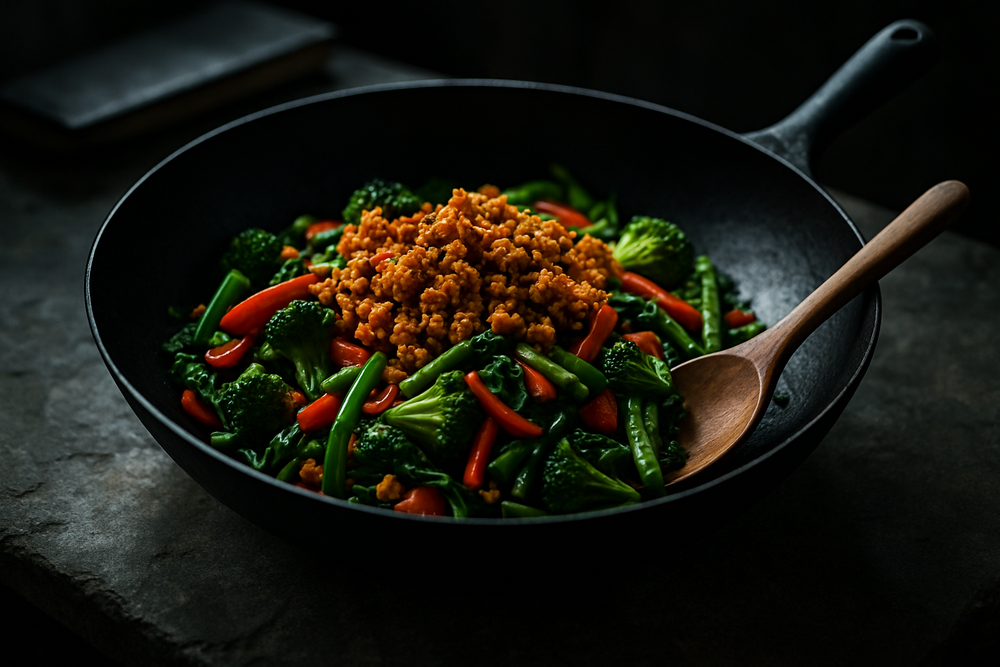
Prep Ideas
- — **Steamed rice + sambal dage** — The classic combination. Oncom's umami depth and high protein complement plain rice's carbohydrate profile; the sambal's acidity brightens the earthy mold flavour. Together they create a nutritionally balanced, filling meal at low cost.
- — **Tempeh + oncom in a mixed stir-fry** — Pairing two fermented soy-based proteins diversifies the fermentation strains and flavour complexity. Tempeh adds firmness and a nuttier flavour; oncom crumbles and coats the vegetables. Combined protein per serving makes this a strong plant-based main.
- — **Lemongrass, galangal, and coconut aromatics** — The sharp, citrusy brightness of lemongrass and the floral heat of galangal cut through oncom's musty earthiness. Adding a splash of thin coconut milk creates a creamy, fragrant sauce that works especially well with black oncom's higher fat content.
Glossary
Shop This Ingredient
Stock your pantry with quality oncom (fermented soybean cake).
Buy on AmazonAs an Amazon Associate, Plantopedia earns from qualifying purchases. This costs you nothing extra and helps us keep the encyclopedia free.
Frequently Asked Questions
The evidence base for oncom is still early-stage. Most studies are compositional analyses, microbiological experiments, or animal models. No large controlled human trials have been published specifically on oncom. The benefits described below are plausible and supported by mechanistic evidence, but should not be read as proven clinical outcomes. Heart and circulation Oncom is relatively low in fat for a fermented protein food, and fermentation may reduce phytic acid by roughly half — a change that could improve absorption of minerals like calcium and iron that matter for vascular and heart health. A frequently cited animal study reported cholesterol-lowering effects from oncom in rodents. The fermented isoflavone aglycones in soy-based oncom are structurally related to compounds studied for cholesterol and blood pressure benefits in other soy research contexts. However, no human trial has directly tested oncom's effect on cholesterol, blood pressure, or cardiovascular outcomes, so these links remain theoretical at this stage. Digestive health and microbiome This is arguably the area with the most mechanistic support. Fermentation substantially reduces flatulence-associated oligosaccharides — the same compounds responsible for the uncomfortable gas many people experience after eating beans. The Neurospora enzymes also pre-digest proteins and fats, meaning your stomach and small intestine have less heavy lifting to do. Laboratory studies on bacteria isolated from red oncom show strains that inhibit common food-borne pathogens in test-tube conditions. Whether those bacteria survive cooking and colonise the human gut is unknown — oncom is best understood as a fermented food with digestive-friendly properties rather than a confirmed probiotic (a term reserved for live organisms with documented human health effects at specific doses). That said, the reduced antinutrient and oligosaccharide profile means most people find fermented legume cakes like oncom much easier on the digestive system than plain cooked beans. Blood sugar and metabolism Oncom's macronutrient profile — moderate carbohydrate, good protein, some fat — is the kind of combination that theoretically blunts post-meal blood sugar spikes compared with low-protein, high-carb foods. Fermentation also reduces simple sugars in the substrate. No human glycemic index (a measure of how fast a food raises blood glucose relative to pure sugar) data for oncom exists, so blood sugar benefits remain compositionally plausible but unconfirmed. Hormones and cycle health Soy-based oncom contains isoflavones, and the fermentation process specifically increases the proportion in the more bioavailable aglycone form. Isoflavone aglycones are phytoestrogens that can weakly interact with estrogen receptors in the body — a property studied in relation to menopause symptoms, bone health, and hormone-sensitive cancers in broader soy research. An experimental oncom-based miso showed notably higher isoflavone aglycone content and antioxidant activity than conventional miso. There are no human trials looking at hormonal outcomes specifically from eating oncom, so any endocrine (hormone-system) effects should be approached with caution, especially by people on hormone-related therapies. Inflammation and recovery In vitro (test-tube) studies on oncom-based miso and miso-like seasonings show meaningful DPPH radical scavenging activity — a standard laboratory measure of antioxidant power — and antimutagenic effects (meaning the compounds reduced DNA-damaging activity in cell tests). These are attributed largely to the fermentation-derived isoflavone aglycones and phenolic compounds. A broader research review of Neurospora-fermented by-products also emphasizes that the fungus creates nutritionally enriched products without mycotoxins, but does not report inflammatory markers in human participants. Inflammation-related benefits are mechanistic and lab-based at this stage.
The two main varieties differ in mold, substrate, and practical risk profile. Red oncom uses Neurospora intermedia and is typically made from okara (soy milk by-product) or tofu production waste. The Neurospora mold gives it a characteristic orange-red spore colour. It is considered lower-risk because Neurospora has no known mycotoxin genes and the soy substrate is less susceptible to aflatoxin contamination than peanuts. Black oncom uses Rhizopus molds (the same family used in tempeh) and is more commonly made from peanut press cake. Rhizopus fermentation creates a darker, stickier cake with higher fat content from the peanut substrate. The trade-off is a meaningfully higher risk of aflatoxin (a liver-damaging mycotoxin produced by Aspergillus molds that can co-contaminate peanut products) if production hygiene is poor. Research on soaking and fermentation treatments shows that proper technique can reduce aflatoxin to acceptable regulatory levels, but the risk is real when sourcing is unknown. For most health-focused applications, red oncom from soy by-products is the lower-risk choice — particularly if you are buying from a small or informal producer. That said, both forms should be purchased from reputable sources and fully cooked before eating.
There is no established clinical dose for oncom. Traditional culinary portions in Indonesian households are typically 50–100 g of cooked oncom per meal, served as a side dish or condiment component rather than a centrepiece protein. At 100 g, you are getting roughly 13 g of plant protein — meaningful for a plant-based diet. Start conservatively if oncom is new to you. A 50 g portion (about the size of a deck of cards when crumbled) is a sensible starting point, particularly if your gut is not accustomed to fermented legume foods. Increase gradually over a week or two and pay attention to digestive comfort. Because oncom is a food rather than a supplement, there is no upper safe limit backed by clinical data. However, given the potential for aflatoxin exposure from peanut-based varieties and the phytoestrogen content of soy-based varieties, moderate culinary amounts (50–150 g cooked, a few times per week) seem prudent rather than eating large amounts every day, especially until more human research is available. Individuals on hormone therapies, with liver concerns, or managing soy-sensitive conditions should discuss appropriate amounts with a healthcare provider.
Quick Answers
Common questions, answered in a line.
Oncom should always be cooked thoroughly by frying, stir-frying, steaming, or grilling until it is hot all the way through. Eating it raw or undercooked increases your risk of exposure to harmful molds, bacteria, and other contaminants from the fermentation environment.
Fresh oncom should smell earthy and mildly mushroomy, similar to mushrooms. If the cake has a sharp ammonia odor, a rotten smell, or shows wet, slimy patches and discoloration, it has spoiled and must be discarded immediately.
Oncom is a protein-rich fermented cake that offers improved digestibility and mineral availability compared to unfermented legumes. The fermentation process reduces antinutrients like phytic acid and adds beneficial enzymes and antioxidant compounds like isoflavone aglycones.
Fresh oncom has a very short shelf life, typically lasting only 1 to 2 days at room temperature or up to a few days if refrigerated. Because it spoils quickly, it is best to buy small amounts and use them promptly.
Oncom is highly versatile and is commonly prepared as a savory crumble called Sambal dage, stir-fried with vegetables and sweet soy sauce, or sliced into slabs and grilled. It acts like a sponge, absorbing flavors from aromatics like lemongrass, ginger, and chili.
People with peanut or soy allergies must exercise caution, as fermentation does not remove these allergenic proteins. Additionally, those with liver conditions or weakened immune systems should only consume oncom from reputable, verified sources due to the potential risk of toxins.
For Readers in the USA
Local context — sourcing, seasonality, and regional notes.
You can find oncom at specialized Indonesian grocers or large pan-Asian supermarkets like H-Mart and 99 Ranch Market, primarily in the refrigerated or frozen sections. While less common than tempeh in mainstream US stores like Whole Foods, it is increasingly available through online tropical food distributors that ship nationwide.
In the US, oncom is typically sold as a refrigerated or frozen import, as domestic commercial production remains limited compared to tempeh. When buying, look for USDA Organic labels on soy-based red oncom to ensure the beans are non-GMO, and always check that the packaging is vacuum-sealed to maintain freshness during transport.
Because black oncom is made from peanut press cake, the FDA requires it to be clearly labeled for allergens due to the high risk of anaphylaxis. If you have a peanut allergy, stick to "Oncom Merah" (red oncom), which is soy-based, and verify the facility does not process peanut-based "Oncom Hitam" to avoid cross-contamination.
American home cooks often use oncom as a sustainable, plant-based ground beef substitute in tacos, chili, or "sloppy joes" due to its crumbly texture and umami depth. Its ability to absorb bold flavors makes it a popular ingredient in the US Pacific Northwest and California "fusion" culinary scenes, where it is often paired with local seasonal greens.
AI Clinical Review
- Clearly explains what oncom is and how red (Neurospora-based) and black (Rhizopus/peanut-based) versions differ, including practical flavor and safety implications.
- Accurately frames the evidence: fermentation reduces antinutrients and gas-forming oligosaccharides and may improve digestibility and mineral availability, without overclaiming clinical benefits.
- Provides sound, actionable safety advice to cook oncom thoroughly and to discard cakes with an ammonia/rotten odor—key points for fermented foods.
- Offers realistic portion guidance (about 50–100 g cooked per meal) that aligns with traditional culinary use and typical protein goals.
- Human trials on oncom are lacking. Most data come from composition studies, lab experiments, or animal models, so effects on cholesterol, blood pressure, glycemia, and inflammation remain unproven in people.
- “Probiotic” benefits are uncertain. Oncom is cooked before eating, which likely inactivates many microbes; any gut benefits are more plausibly from improved digestibility than live-culture effects.
- Reported nutrient values (notably iron) can vary widely by substrate and production method; claims about superior bioavailability need confirmation with human absorption studies.
- Safety assertions about Neurospora’s lack of known mycotoxins are reassuring, but real-world contamination (for example, aflatoxin in peanut-based products) depends on sourcing and hygiene.
- Who should be cautious: individuals with soy or peanut allergies; people who are pregnant, immunocompromised, or have liver disease; and children—choose reputable sources and ensure thorough cooking.
- Start small if it’s new to you (around 50 g cooked) and increase based on tolerance; those on hormone-related therapies should discuss regular soy-based oncom intake due to isoflavones (weak plant estrogens).
- Prefer red oncom (soy/Neurospora) when sourcing is uncertain, as peanut-based black oncom carries higher aflatoxin risk; avoid products made from coconut press cake because of rare bongkrekic acid concerns.
- Shelf life is short; store cold and use promptly. Oncom is best viewed as one protein option within a varied, fiber-rich diet rather than a daily “functional” food.
Must be fully cooked; discard if it smells off or ammoniated.
References
- USDA FoodData Central — reference database for nutrient values in fermented soy foods (fdc.nal.usda.gov)
- Neurospora intermedia multi-omics study: waste-to-food conversion in traditional oncom — Nature Microbiology 2024 (nature.com)
- Evidence for safety of Neurospora species for academic and commercial uses — PubMed / NCBI review (pmc.ncbi.nlm.nih.gov)
- Oncom as a nutritive functional fermented food made from food-process solid residue — DOAJ open-access review (doaj.org)
- Soaking treatments and fermentation effects on nutritional value and aflatoxin in black oncom — Polish Journal of Natural Sciences (czasopisma.uwm.edu.pl)
- Chemical components, palatability, antioxidant activity and antimutagenicity of oncom miso — Journal of Nutritional Science and Vitaminology (jstage.jst.go.jp)
- Identification of lactic acid bacteria from red oncom — Indonesian food microbiology study (discovery.researcher.life)
- Low-salt miso-like fermented seasonings prepared with soybean and okara oncom — food science study (tandfonline.com)
- NIH NCCIH — overview of fermented foods, safety, and probiotic evidence standards (ncbi.nlm.nih.gov)
- Consumer and culinary exploration of Neurospora-fermented foods — Grist feature article (grist.org)
Know Your Numbers
Eating healthy is a start. Now get to know your biomarkers.
Food changes bloodwork — inflammation, lipids, blood sugar and nutrient status all respond to what you eat. 59 markers from $59.
- Results in 7–10 days at 2,000+ Quest sites
- Licensed provider reviews every result
- One flat price, no membership, HSA/FSA eligible
Educational information only, not medical advice. Panels are ordered and reviewed through our licensed partner; Plantopedia may earn a commission.