Chia Flour — health benefits and uses
Healthy fats, minerals, and texture; small-amount high-leverage add-in
The Short Answer
Chia flour is a nutrient-dense, gluten-free powder made from ground chia seeds that provides approximately 5 to 6 grams of fiber and a high dose of ALA omega-3s per 15-gram serving.
Chia Flour · Photograph
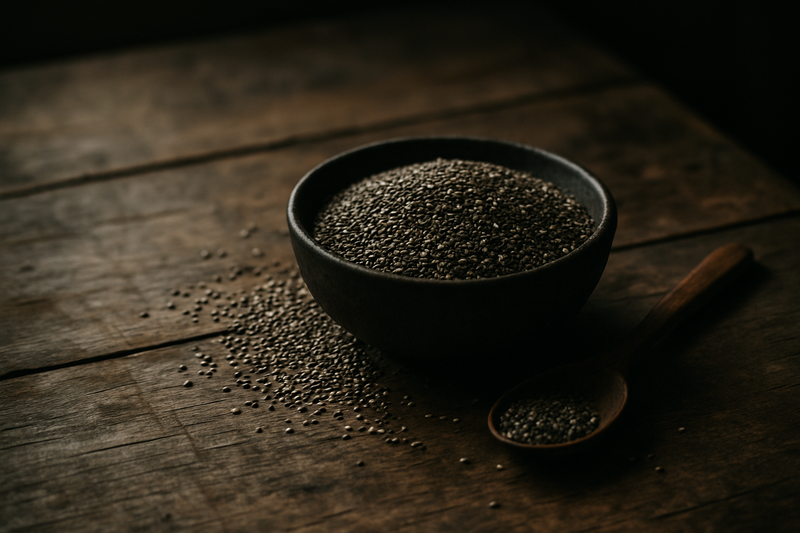
Chia flour is whole chia seed — Salvia hispanica L. — ground into a fine, pale-grey powder. It carries the same impressive nutritional profile as the whole seed: dense fiber, plant-based omega-3 fats, complete-ish protein, and a wide spread of minerals. The difference is purely textural. Ground into flour, chia disappears into a batter or smoothie, making it one of the more practical ways to raise the nutrient density of everyday recipes without changing their flavor much.
Key Nutrients
% Daily Value based on 2,000 cal diet
Key active compounds and phytochemicals
- Alpha-linolenic acid (ALA) — the plant kingdom's primary omega-3 fatty acid; abundant in chia and associated with heart-health and anti-inflammatory properties. ALA is an essential fat, meaning the body cannot make it and you must get it from food.
- Soluble fiber and mucilage — chia's gel-forming fibers slow digestion, feed gut bacteria, and help moderate post-meal blood sugar spikes. Mucilage refers to the thick, slippery polysaccharide coating that makes chia seeds swell and gel in liquid.
- Linoleic acid (omega-6) — another polyunsaturated fat in chia's lipid profile that supports healthy cell membranes.
- Polyphenols and phenolic acids — plant antioxidant compounds that help neutralize free radicals (unstable molecules that can damage cells). Lab and animal studies suggest these also show anti-inflammatory potential, though human data remain limited.
- Bioactive peptides (in defatted chia flour) — fragments of chia protein that show antioxidant and ACE-inhibitory (blood-vessel relaxing) activity in laboratory models. Still early-stage science.
Is chia flour actually good for you? Key health benefits
The research base for chia is mostly built on studies using whole or ground chia seeds. Because finely milled chia flour is nutritionally near-identical to those forms, the benefits described below are biologically plausible for chia flour too — though more chia-flour-specific human trials would strengthen the picture.
Heart and circulation
Evidence level: moderate
Chia flour is rich in ALA omega-3 fatty acids and soluble fiber — two dietary factors consistently linked to better cardiovascular risk markers. Small human trials with chia have reported reductions in systolic blood pressure (the top number in a blood pressure reading). Effects on blood lipids — cholesterol and triglycerides — have been more variable and often modest. The EU has approved a nutrient-function claim for foods providing sufficient ALA (achievable with around 15 g of chia per day) to "contribute to maintenance of normal blood cholesterol." That is not a disease-cure statement; it reflects that ALA supports a healthy lipid profile as part of an overall diet.
Adding chia flour to bread has been shown in controlled food studies to increase the proportion of unsaturated fats, raise protein quality, and boost calcium, iron, and zinc — all factors that contribute to long-term cardiovascular health when part of a whole-diet approach.
Digestive health and gut microbiome
Evidence level: strong (for high-fiber foods in general)
About one-third of chia's weight is dietary fiber — an unusually high proportion for any single ingredient. In a 15 g serving of chia flour, you get roughly 5–6 g of fiber, around 20% of a typical daily target. The soluble fiber and mucilage absorb water, form a gel in the gut, increase stool bulk and softness, and slow the movement of food through the small intestine. This combination supports bowel regularity, prolongs feelings of fullness after eating, and provides fermentable substrate for gut bacteria — the microorganisms that play a growing role in immune and metabolic health.
Mayo Clinic and WebMD both highlight chia's fiber density as a standout quality for intestinal health. Chia flour's fine texture means it integrates smoothly into baked goods, making it a practical way to lift the fiber content of things people already eat, rather than asking them to add a new food entirely.
Note: because chia flour is so fiber-dense, introducing it too quickly or without enough water can have the opposite effect — bloating, gas, or loose stools. Start with 1 tablespoon and build up slowly.
Blood sugar and metabolism
Evidence level: moderate
Chia flour's high soluble fiber content slows the digestion and absorption of carbohydrates, which flattens the post-meal blood glucose (blood sugar) curve — the rapid rise and fall that follows eating quickly digested starchy foods. Replacing even a fraction of refined flour with chia flour in bread reduces the starch content of the product and adds viscous fiber and fat, which together lower the glycemic load (the real-world effect of a food on blood sugar).
Human feeding studies with chia seeds or ground chia in people with type 2 diabetes have shown modest improvements in post-meal blood glucose and blood pressure alongside greater satiety. Results across studies are not uniform — not all trials see significant changes in HbA1c (a 3-month average of blood sugar control) or body weight — but the directional evidence is positive, and the mechanisms are sound.
Inflammation and recovery
Evidence level: emerging
ALA omega-3 and the polyphenols in chia seed flour both show anti-inflammatory and antioxidant activity in cell and animal studies. Defatted chia flour peptides have demonstrated ACE-inhibitory effects (which could relax blood vessels) in laboratory models. The honest summary is that human trial data specific to chia flour and inflammatory biomarkers like CRP (C-reactive protein, a blood marker of systemic inflammation) are limited. Chia flour is best positioned as a supportive contributor to an overall anti-inflammatory dietary pattern — rich in varied plants, fiber, and healthy fats — rather than a standalone anti-inflammatory intervention.
Buying guide: what to look for when choosing chia flour
Two main types are commercially available:
Whole-seed (full-fat) chia flour
- Ground from whole chia seeds, retaining all fat including ALA omega-3
- Best choice for most people who want the full nutritional benefit
- Higher fat content means a shorter shelf life; store in a cool, dark place or refrigerate after opening
- Label tip: Ingredient list should read simply "chia seed" or "chia seed flour" — nothing else
Defatted chia flour
- Made after partial oil extraction; higher in protein and fiber, lower in fat
- Less common in retail; more often seen in research or specialist sports nutrition contexts
- Can be useful if you specifically want to boost protein rather than fat
- Label tip: "Defatted" or "partially defatted chia flour" — check fat grams if comparing
Chia flour vs ground chia seeds at home
- You can grind whole chia seeds in a high-speed blender or spice grinder
- Freshly ground is fine, but chia's oils make it prone to oxidation; use within a few weeks if self-ground
- Pre-milled commercial chia flour is typically more consistent in texture
What to avoid: blends with added sugars, maltodextrin, or artificial flavors. Pure chia flour should not need additives.
Prep and pairing ideas
Chia flour is one of the more versatile seed ingredients in a plant-based kitchen. Here are the most useful application formats:
In baking (bread, muffins, pancakes)
- Replace up to 10–20% of wheat flour in a recipe with chia flour
- Because chia flour absorbs more water than wheat flour, increase liquid slightly or the result will be dense
- Adds a very mild, nutty flavour and a slightly darker crumb
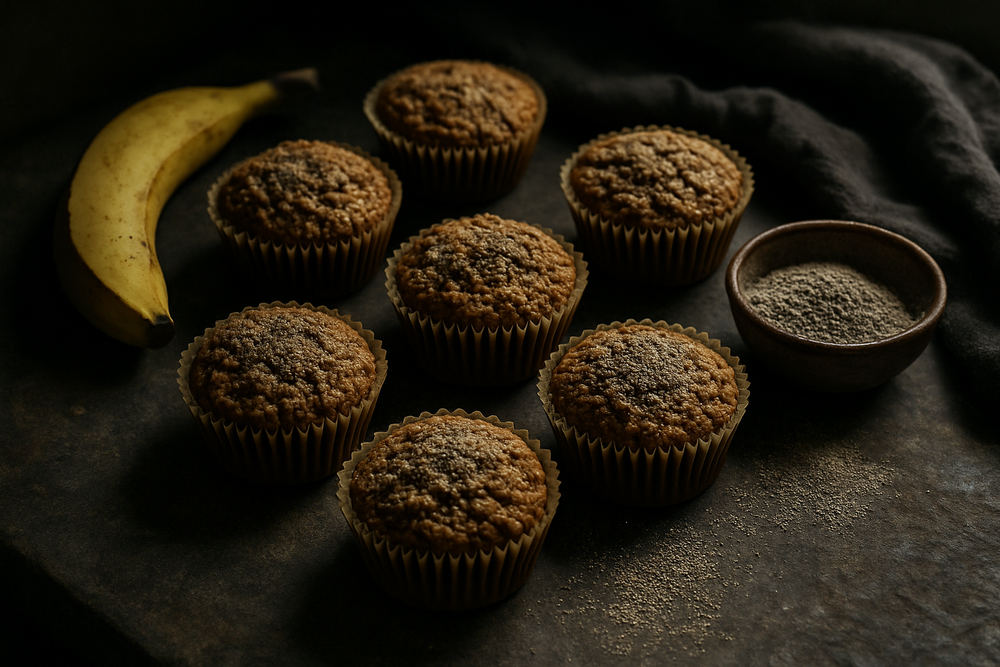
- Works especially well in banana bread, oat-based muffins, or seeded loaves
In smoothies and overnight oats
- Stir 1 tablespoon into your liquid before blending; it thickens the smoothie and becomes invisible
- In overnight oats, it acts like extra oats — soaking up liquid and adding creaminess alongside its fiber and omega-3 boost
As an egg replacer in vegan baking
- Mix 1 tablespoon chia flour with 3
How Chia Flour Compares
| Compared with | What's different |
|---|---|
| Chia Flour vs. Whole Chia Seeds | Chia flour has a finer, powdery texture that blends seamlessly into batters without the crunch. |
| Chia Flour vs. Flaxseed Meal | Chia flour contains significantly more fiber and omega-3s, but lacks the neutral, nutty flavor of flax. |
| Chia Flour vs. Almond Flour | Chia flour is higher in protein and fiber but lacks the healthy monounsaturated fats found in almond. |
Health Benefits
Things to Know
Start low: Begin with about 1 tablespoon (8–10 g) per day in food. Build toward 2 tablespoons (15–20 g) only once your gut has adapted — usually over 1–2 weeks.
Drink enough water: Chia flour absorbs significant water. Low fluid intake combined with large amounts of chia flour increases the risk of constipation or, rarely, intestinal blockage.
Inflammatory bowel disease (Crohn's, ulcerative colitis): Very high-fiber foods can worsen symptoms during active flares. Discuss with your GI doctor before using chia flour regularly.
Irritable bowel syndrome (IBS): Some people with IBS find high-fiber seeds aggravate symptoms. A low-and-slow introduction and monitoring of symptoms is advisable.
Seed allergies: Chia allergy is uncommon but documented. If you have existing allergies to sesame or related seeds, introduce chia carefully and in a small quantity first. Stop immediately if you notice oral itching, hives, swelling, or any breathing difficulty.
Blood pressure medications: (ACE inhibitors, ARBs, beta blockers, diuretics, calcium channel blockers): Chia intake has been linked to modest reductions in blood pressure. Regular use could amplify medication effects. Monitor your readings and tell your prescriber.
Diabetes medications: (insulin, sulfonylureas, metformin, GLP-1 agonists, SGLT2 inhibitors): Chia's fiber may lower post-meal blood glucose and improve insulin sensitivity. Combined with glucose-lowering drugs, this could increase the risk of hypoglycemia (low blood sugar). Monitor and discuss with your clinician.
Anticoagulants: (warfarin, DOACs, aspirin, clopidogrel): High ALA intake is sometimes discussed as having theoretical antiplatelet effects. Evidence is weak, but maintaining a consistent moderate intake and flagging any changes to your clinician is sensible.
Thyroid medications and other time-sensitive drugs: (e.g., levothyroxine, certain antibiotics): Very high fiber intake can interfere with drug absorption. Leave at least 2 hours between taking these medications and eating a high-chia meal.
Pregnancy and breastfeeding: Moderate culinary amounts are generally considered food-safe, but large supplemental doses lack specific pregnancy safety data. Stick to realistic meal-level portions.
Children: Small food-level amounts within meals are fine. Avoid concentrated doses or dry consumption.
Avoid dry consumption: Do not swallow large amounts of dry chia flour straight from a spoon, especially if you have swallowing difficulties or esophageal issues. The gel-expanding property creates a choking and blockage risk.
Prep Ideas
- — Replace up to 10–20% of wheat flour in a recipe with chia flour
- — Because chia flour absorbs more water than wheat flour, increase liquid slightly or the result will be dense
- — Adds a very mild, nutty flavour and a slightly darker crumb
- — Works especially well in banana bread, oat-based muffins, or seeded loaves
- — Stir 1 tablespoon into your liquid before blending; it thickens the smoothie and becomes invisible
- — In overnight oats, it acts like extra oats — soaking up liquid and adding creaminess alongside its fiber and omega-3 boost
- — Mix 1 tablespoon chia flour with 3
Shop This Ingredient
Stock your pantry with quality chia flour.
Buy on AmazonAs an Amazon Associate, Plantopedia earns from qualifying purchases. This costs you nothing extra and helps us keep the encyclopedia free.
Quick Answers
Common questions, answered in a line.
Chia flour is whole chia seeds (Salvia hispanica L.) ground into a fine, pale-grey powder that retains the density of fiber, omega-3 fats, and minerals found in the whole seed. Because it is finely milled, it integrates seamlessly into batters and smoothies without changing the flavor.
Chia flour is a rich source of alpha-linolenic acid (ALA), an essential omega-3 fatty acid that the body cannot produce and must obtain through diet. It also contains linoleic acid (omega-6) which supports healthy cell membranes.
Chia flour supports heart health through its high content of ALA omega-3s and soluble fiber, which help maintain normal blood cholesterol levels. Human trials have also shown it can lead to modest reductions in systolic blood pressure.
Chia flour is exceptionally high in fiber, with a 15-gram serving providing about 5–6 grams, or roughly 20% of your daily target. Its soluble fiber and mucilage absorb water to increase stool bulk and softness, supporting bowel regularity and gut microbiome health.
Chia flour helps regulate blood sugar by slowing the digestion and absorption of carbohydrates, which flattens the post-meal glucose curve. Its viscous fiber and fat content lower the glycemic load of foods like bread when used as a partial flour replacement.
Whole-seed chia flour retains all the natural oils and ALA omega-3s, while defatted chia flour is made after oil extraction and is higher in protein but lower in fat. Whole-seed is generally the best choice for those seeking the full nutritional profile of the plant.
You can replace up to 10–20% of wheat flour in recipes like bread, muffins, or pancakes with chia flour to boost nutrition. Because chia flour is highly absorbent, you should slightly increase the liquid in your recipe to prevent the final product from becoming too dense.
You should avoid eating large amounts of dry chia flour from a spoon because its gel-expanding properties can create a choking or blockage risk. It is safest to incorporate it into moist foods like smoothies, batters, or oats and drink plenty of water.
For Readers in the USA
Local context — sourcing, seasonality, and regional notes.
In the U.S., chia flour is widely available at major retailers like Whole Foods Market, Sprouts Farmers Market, and Trader Joe's, as well as through online platforms like Amazon and Thrive Market. You can typically find it in the baking aisle near alternative flours like almond or coconut flour, or in the health food section.
You can verify the quality of chia flour by looking for the USDA Organic seal and the Non-GMO Project Verified badge on the packaging. These certifications ensure the chia was grown without synthetic pesticides and meets U.S. standards for organic integrity, which is a common preference for health-conscious American consumers.
While most chia is imported from Latin America, some domestic production occurs in warmer U.S. regions like Arizona, California, and Florida, following the late-summer flowering cycle. Because chia is sensitive to frost, U.S.-grown varieties are typically harvested in late fall or early winter before the first freeze.
AI Clinical Review
- Chia flour is simply milled chia seed, so its nutrition mirrors the whole seed while blending more easily into foods; it’s naturally gluten‑free and minimally processed.
- A small serving (~2 Tbsp/15 g) delivers substantial fiber (about 5–6 g), which supports regularity, fuller satiety, and a gentler post‑meal blood‑sugar rise.
- Chia’s alpha‑linolenic acid (ALA, a plant omega‑3) and soluble fiber are plausibly heart‑friendly; small trials show modest blood‑pressure improvements, and swapping in chia flour can raise the nutrient density of baked goods.
- Practical guidance on starting low, hydrating well, and adjusting liquid in recipes reflects how chia’s gel‑forming fibers behave in real kitchens.
- Effects on cholesterol, triglycerides, body weight, and HbA1c (a 3‑month blood‑sugar measure) are mixed across studies; benefits are generally modest and depend on the overall diet.
- Anti‑inflammatory and antioxidant claims largely come from cell/animal work or from defatted‑flour peptides; confirmatory human data are limited.
- ALA’s conversion to the marine omega‑3s EPA/DHA is low, so ALA offers benefits but is not a one‑for‑one substitute for fish‑derived omega‑3s.
- Mineral density is high, but actual absorption can vary with seed phytates and food matrix; fermentation or recipe context may influence what you absorb.
- Reasonable food‑use range: begin around 1 Tbsp/day (8–10 g) and gradually move to 1–2 Tbsp (15–20 g) as tolerated; increase fluids to prevent GI discomfort.
- Medication considerations: chia may modestly lower blood pressure and post‑meal glucose—monitor if you use antihypertensives or diabetes medications; separate high‑fiber meals from levothyroxine and certain antibiotics by at least 2 hours.
- GI conditions: during IBS sensitivity or IBD flares, high‑fiber seeds can aggravate symptoms—introduce slowly and pause during active flares if needed.
- Safety: avoid swallowing dry chia flour (choking risk); pregnancy, breastfeeding, and children can use normal culinary amounts; those with seed allergies should trial small amounts and stop with any allergic symptoms.
Mention allergy context where appropriate; keep serving size realistic.
References
- PMC, National Library of Medicine — The Effects of Chia Defatted Flour as a Nutritional Supplement in C57BL/6 Mice Fed a Low-Quality Diet (pmc.ncbi.nlm.nih.gov)
- PubMed — Chia Flour (Salvia hispanica L.) Intake Does Not Affect Weight Loss and Lipid Profile but Improve Systolic Blood Pressure Control in Obesity (pubmed.ncbi.nlm.nih.gov)
- PubMed — Nutritional and Functional Characterization of Chia Expeller and Gluten-Free Flours as Ingredients for Premixes (pubmed.ncbi.nlm.nih.gov)
- PubMed — Chia induces clinically discrete weight loss and improves lipid profile only in altered previous values (pubmed.ncbi.nlm.nih.gov)
- PMC, National Library of Medicine — The Chemical Composition and Nutritional Value of Chia Seeds-Current State of Knowledge (pmc.ncbi.nlm.nih.gov)
- PMC, National Library of Medicine — Effect of Chia as Breadmaking Ingredient on Nutritional Quality, Mineral Availability, and Glycemic Index of Bread (pmc.ncbi.nlm.nih.gov)
- Taylor & Francis — 23311932.2026.2626606 (tandfonline.com)
Know Your Numbers
Eating healthy is a start. Now get to know your biomarkers.
Food changes bloodwork — inflammation, lipids, blood sugar and nutrient status all respond to what you eat. 59 markers from $59.
- Results in 7–10 days at 2,000+ Quest sites
- Licensed provider reviews every result
- One flat price, no membership, HSA/FSA eligible
Educational information only, not medical advice. Panels are ordered and reviewed through our licensed partner; Plantopedia may earn a commission.