Mixed Nuts — health benefits and uses
Healthy fats, minerals, and texture; small-amount high-leverage add-in
The Short Answer
Mixed nuts provide 6g of plant protein and 3g of fiber per ounce, offering a dense source of heart-healthy monounsaturated fats and antioxidant vitamin E. They are particularly effective at lowering LDL cholesterol due to their natural phytosterol content.
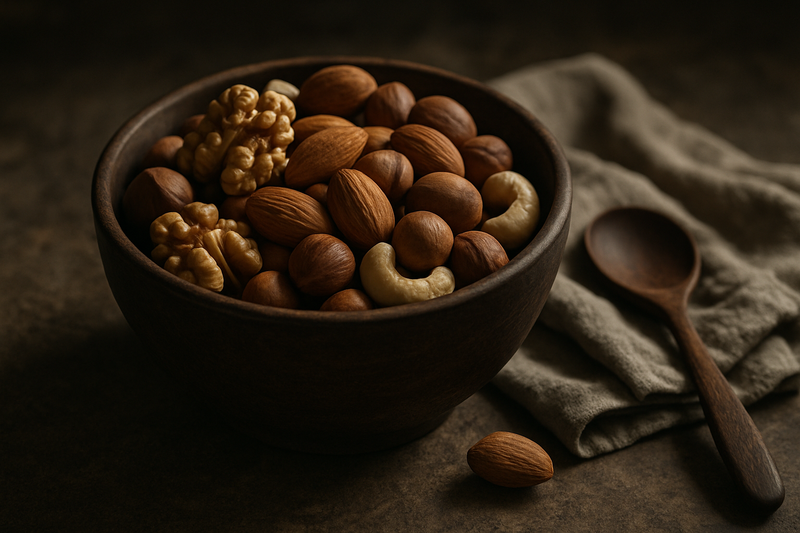
Mixed Nuts · Photograph
Mixed nuts are one of the most nutrient-efficient snacks in the whole-food plant-based world. A single small handful delivers healthy fats, plant protein, dietary fiber, and a lineup of minerals that many people struggle to get enough of — all wrapped in a portable, shelf-stable package. This page covers what the evidence actually shows, which forms are worth choosing, how much is realistic, and who should take extra care.
Key Nutrients
% Daily Value based on 2,000 cal diet
Key active compounds
Understanding why mixed nuts support health starts with what's inside them beyond basic macronutrients.
- Phytosterols — Plant sterols structurally similar to cholesterol. They compete with dietary cholesterol for absorption in the gut, which may help lower LDL ("bad") cholesterol levels.
- Polyphenols — A broad class of plant antioxidants (including flavonoids) concentrated in nut skins. They can reduce oxidative stress and may dampen low-grade inflammation.
- Tocopherols (Vitamin E compounds) — Fat-soluble antioxidants especially abundant in almonds and hazelnuts. They protect cell membranes and circulating lipids from oxidative damage.
- Carotenoids — Pigmented antioxidant compounds found in smaller amounts in some nuts; contribute to antioxidant diversity in the blend.
- Monounsaturated fatty acids (MUFAs) — The dominant fat type in almonds, cashews, macadamias, and hazelnuts; associated with favorable effects on blood lipids.
- Polyunsaturated fatty acids (PUFAs) — Including omega-3 alpha-linolenic acid (ALA) from walnuts; important for cardiovascular and anti-inflammatory pathways.
Prep and pairing ideas
Common pairings that make nutritional sense
- Mixed nuts + a piece of whole fruit — The vitamin C in fruit (an orange, kiwi, or half a cup of strawberries) boosts non-heme iron absorption from the nuts while the fat in the nuts improves uptake of fat-soluble carotenoids from the fruit. Practically, it is also a more satisfying snack than either food alone.
- Mixed nuts + plain yogurt or kefir — Nuts add crunch, healthy fat, and minerals; the yogurt or kefir contributes probiotic cultures and calcium. The fat in the nuts also slows down the digestion of yogurt's natural lactose, which can be helpful for people with mild lactose sensitivity.
- Mixed nuts stirred into oatmeal or overnight oats — Oats provide beta-glucan (a soluble fiber linked to cholesterol reduction) and nuts amplify that effect with phytosterols and MUFAs. The combination creates a genuinely heart-supportive, low-glycemic breakfast.
How Mixed Nuts Compares
| Compared with | What's different |
|---|---|
| Mixed Nuts vs. Walnuts | Higher in omega-3 ALA and polyunsaturated fats, but lower in monounsaturated fats. |
| Mixed Nuts vs. Almonds | Higher in calcium and vitamin E, but lower in copper and selenium than many mixed blends. |
| Mixed Nuts vs. Macadamia Nuts | Contains significantly more saturated fat and calories with lower protein per ounce. |
Health Benefits
Things to Know
Young children under age 4: — Whole nuts are a choking hazard. Offer finely ground nuts or nut butters thinned with water instead.
Advanced chronic kidney disease (CKD): — Cashews, pistachios, and Brazil nuts are high in potassium and phosphorus. If you are on a renal diet with mineral restrictions, work with your dietitian before adding nuts freely.
Gallbladder disease or fat-malabsorption conditions: — High-fat foods including nuts may worsen symptoms. Moderate intake and monitor tolerance.
Irritable bowel syndrome (IBS): — Larger portions of nuts can trigger gas, bloating, or diarrhea in some people. Start with a smaller amount (half a handful) and scale up slowly.
Calorie-restricted or weight-loss diets: — Mixed nuts are calorie-dense (~170 kcal per ounce). Portioning into a small dish before snacking helps prevent unintentional over-eating.
Antihypertensive (blood pressure–lowering) medications: — Heavily salted mixes can counteract blood pressure control. Choose unsalted varieties.
Renal mineral management medications: — Discuss nut intake with your nephrologist if you are on potassium or phosphorus binders.
Anticoagulants (blood thinners) such as warfarin: — Very high intake of vitamin E–rich foods (almonds are a concentrated source) can theoretically affect clotting; standard servings of mixed nuts are generally not a concern, but flag any major dietary changes to your prescriber.
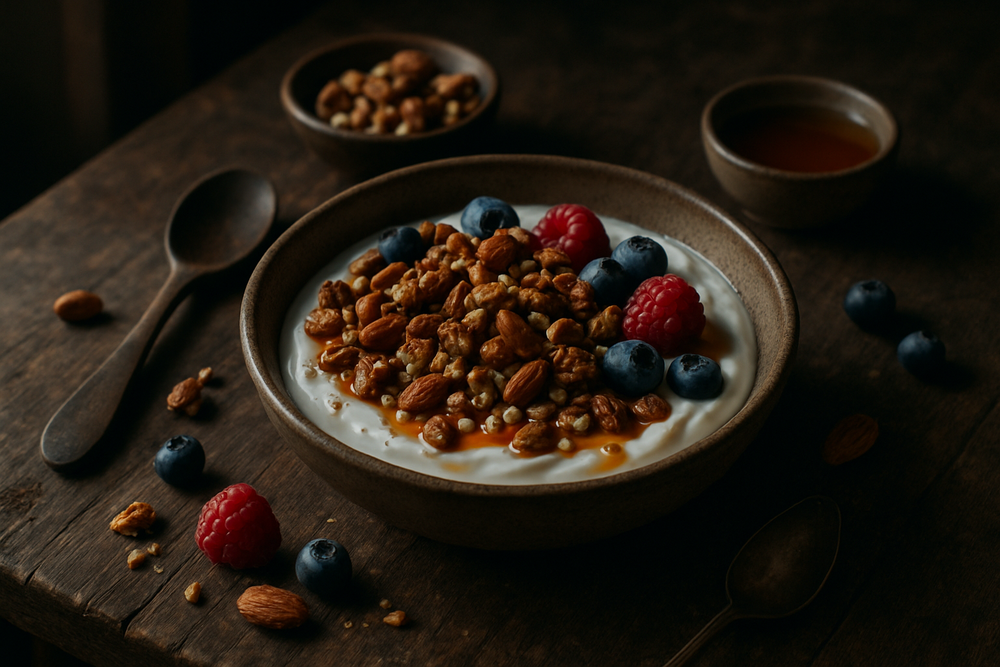
Prep Ideas
- — Mixed nuts + a piece of whole fruit — The vitamin C in fruit (an orange, kiwi, or half a cup of strawberries) boosts non-heme iron absorption from the nuts while the fat in the nuts improves uptake of fat-soluble carotenoids from the fruit. Practically, it is also a more satisfying snack than either food alone.
- — Mixed nuts + plain yogurt or kefir — Nuts add crunch, healthy fat, and minerals; the yogurt or kefir contributes probiotic cultures and calcium. The fat in the nuts also slows down the digestion of yogurt's natural lactose, which can be helpful for people with mild lactose sensitivity.
- — Mixed nuts stirred into oatmeal or overnight oats — Oats provide beta-glucan (a soluble fiber linked to cholesterol reduction) and nuts amplify that effect with phytosterols and MUFAs. The combination creates a genuinely heart-supportive, low-glycemic breakfast.
Shop This Ingredient
Stock your pantry with quality mixed nuts.
Buy on AmazonAs an Amazon Associate, Plantopedia earns from qualifying purchases. This costs you nothing extra and helps us keep the encyclopedia free.
Frequently Asked Questions
The evidence is strongest for heart health and meaningful — though not yet definitive — for blood sugar, digestion, and inflammation. Here is a breakdown by body system. Heart and circulation This is where nut research is most robust. Large observational studies and randomized trials of nut-enriched diets (typically 30–60 g per day of various nuts) consistently show lower CHD incidence and improved blood lipid profiles compared with low-nut diets. Nuts are rich in unsaturated fats, vitamin E, phytosterols, and minerals — particularly magnesium, copper, and potassium — that are thought to be protective. Mixed nuts have a structural advantage here: walnuts contribute omega-3 ALA, almonds and macadamias provide MUFAs, and cashews and pistachios are potassium-dense. That complementary fatty acid and mineral spread is harder to achieve with a single nut type. Practical takeaway: Choosing unsalted, minimally processed blends aligns best with heart-health guidelines, since added sodium and sugar can reduce cardiovascular benefits. Digestive health and microbiome A one-ounce serving provides around 2–3 g of dietary fiber — a mix of soluble fiber (which feeds beneficial gut bacteria) and insoluble fiber (which adds bulk to stool). Polyphenols in nut skins also act as prebiotic compounds, providing fuel for gut microbes. The crunchy texture of whole mixed nuts encourages thorough chewing, which supports mechanical digestion before food even reaches the stomach. Direct clinical trials using standardized mixed nut blends and digestive endpoints are limited, so this area is supported by broader fiber and nut-composition research rather than mixed nuts specifically. Blood sugar and metabolism Mixed nuts have a naturally low glycemic index — meaning they raise blood sugar more slowly than refined carbohydrate snacks. The combination of fat, fiber, and protein slows gastric emptying (the rate at which food leaves your stomach) and blunts the absorption of any carbohydrates eaten at the same time. Research on individual nuts (almonds, pistachios) supports this mechanism, and mixed nuts share similar macronutrient characteristics. Replacing crackers, chips, or cookies with a small handful of mixed nuts at snack time is a practical, evidence-aligned swap for anyone managing blood sugar. Adding sweetened dried fruit or chocolate to the mix significantly increases the sugar load and should be accounted for. Inflammation and recovery Nuts supply vitamin E, polyphenols, and PUFAs — all of which have demonstrated antioxidant and anti-inflammatory activity in biomarker studies. Reviews of nut composition note that these compounds may help reduce chronic low-grade inflammation, which underlies cardiovascular and metabolic disease. The evidence here is best described as emerging. Biomarker studies look promising, but more targeted human trials using standardized mixed nut blends and hard inflammatory endpoints are needed before calling this area settled. Hormones and cycle health Nuts contain phytochemicals that can act as phytoestrogens — plant compounds with mild, estrogen-like activity in the body. They also supply the dietary fats used as building blocks for steroid hormone synthesis. Most relevant human data come from studies of individual nuts (particularly walnuts) and focus on endpoints like sex hormone–binding globulin rather than mixed nuts as a combined product. For now, any hormonal benefits are best understood as a possible advantage of a generally plant-forward dietary pattern that includes nuts — not a standalone effect of mixed nuts specifically.
Buying guide — what to look for and what to skip | Form | What it means | Best for | |---|---|---| | Raw, unsalted | No heat processing; full antioxidant profile; no added sodium | Heart health, blood pressure management, maximum mineral retention | | Dry-roasted, unsalted | Roasted in an oven with no added oils; great flavor and crunch | Most people — best balance of palatability and nutrition | | Dry-roasted, lightly salted | Small sodium addition; still no added oils | Fine in moderation if you are not sodium-restricted | | Oil-roasted or heavily salted | Extra fat calories; often high sodium | Occasional snack; watch portions and total daily sodium | | Trail mix with dried fruit or chocolate | Higher sugar, more calories per ounce | Active days with high energy needs; needs closer portion attention | Label tips: Ingredients list should start with nuts — no partially hydrogenated oils, no corn syrup, no artificial flavors. Sodium under 100 mg per serving is a reasonable threshold for a "low sodium" nut product. Look for a mix with at least 4–5 nut varieties to maximize the complementary mineral and fat spread. "Natural flavors" on a label can cover a wide range — if you are allergy-sensitive, contact the manufacturer to confirm cross-contamination protocols.
Start with one small handful and build from there. Standard serving: 1 oz / 28–30 g / roughly ¼ cup / a closed fistful. Calorie context: That one-ounce serving is approximately 160–180 kcal depending on the blend. Two ounces is a common portion people accidentally eat from a shared bowl — at 340 kcal, it can account for 15–20% of a typical daily calorie budget. Research range: Nut-enriched dietary trials have used 30–60 g per day of mixed nuts. The lower end (around 30 g) is the sweet spot for most people who are not compensating by reducing calories elsewhere. Practical start-low guidance: If you are new to eating nuts regularly or have a sensitive digestive system, begin with half a handful (about 14 g) for the first one to two weeks, then increase gradually. Timing: There is no single "best" time. Pre-meal and mid-afternoon work well for blood sugar purposes; before a
Quick Answers
Common questions, answered in a line.
Mixed nuts provide phytosterols, polyphenols, tocopherols (Vitamin E), and carotenoids, along with monounsaturated and polyunsaturated fatty acids. These compounds work together to lower LDL cholesterol, reduce oxidative stress, and protect cell membranes from damage.
Eating mixed nuts with vitamin C-rich fruits like oranges or strawberries helps boost the absorption of non-heme iron found in the nuts. This pairing also allows the healthy fats in the nuts to improve your body's uptake of fat-soluble carotenoids from the fruit.
Whole nuts are a significant choking hazard for children under the age of four. For young kids, it is recommended to serve nuts finely ground or as nut butters thinned with water to ensure safety while providing nutritional benefits.
Individuals with advanced chronic kidney disease (CKD) should be cautious, as nuts like cashews, pistachios, and Brazil nuts are high in potassium and phosphorus. Those on renal diets should consult a dietitian to manage mineral restrictions effectively.
While nuts are generally heart-healthy, heavily salted varieties can counteract the effects of blood pressure-lowering medications. Choosing unsalted mixed nuts is the best way to support cardiovascular health without interfering with antihypertensive treatments.
Pairing mixed nuts with plain yogurt or oatmeal can improve digestion and heart health. The healthy fats in nuts slow down the digestion of lactose in yogurt, while combining nuts with oats creates a low-glycemic meal that supports cholesterol reduction.
For Readers in the USA
Local context — sourcing, seasonality, and regional notes.
In the United States, you can find mixed nuts at major grocery retailers like Costco, Kroger, and Whole Foods, as well as at local farmers markets in states like California and Georgia. While big-box stores typically offer bulk roasted blends, specialty health food stores often carry raw, organic, or "sprouted" varieties that align with USDA Organic standards.
The United States is a leading producer of many components in mixed nut blends, with California growing nearly all U.S. almonds, walnuts, and pistachios, while Georgia and Texas lead in pecan production. Most nuts are harvested in the late summer and fall, though because they are shelf-stable, they remain high-quality and widely available year-round in American markets.
To ensure you are getting a high-quality product in the US, look for the USDA Organic seal and check the ingredient label for added highly processed vegetable oils or excessive sodium. The FDA also requires clear labeling for the "Big 9" allergens, so always verify that the mix does not contain specific nuts someone in your household may be allergic to.
AI Clinical Review
- Mixed nuts reliably deliver unsaturated fats, plant protein, fiber, and minerals in small portions; the strongest and most consistent evidence links regular nut intake with improved blood lipids and lower coronary heart disease risk. Trials commonly use about 30–60 g/day.
- Emphasizing variety is sound: walnuts add omega‑3 ALA, almonds/hazelnuts add vitamin E and MUFAs, and cashews/pistachios contribute potassium—together offering a more complete nutrient spread than a single nut.
- Recommending raw or dry‑roasted, unsalted mixes aligns with heart and blood‑pressure goals; the label tips (short ingredient lists, low sodium) are practical and accurate.
- Pairing ideas (fruit, yogurt/kefir, oats) are nutritionally coherent for iron absorption, satiety, and steadier post‑meal glucose.
- Gut and microbiome benefits are plausible due to fiber and polyphenols, but human trials that isolate mixed‑nut blends and measure digestive outcomes remain limited.
- Anti‑inflammatory and hormone‑related effects are mostly based on biomarkers or studies of single nuts; more long‑term trials with clinical endpoints are needed.
- Blood‑sugar effects are typically modest and context‑dependent—expect improvements in post‑meal responses rather than large changes in A1C from nuts alone.
- Portion guidance: 1 oz (28–30 g) per day is a reasonable default for most adults; nuts are calorie‑dense, so pre‑portioning helps if weight management is a goal.
- Form matters: prefer raw or dry‑roasted, unsalted options; oil‑roasted or candy/fruit mixes add extra fat, sodium, or sugar that can dilute benefits.
- Safety/cautions: avoid if you have a tree‑nut or peanut allergy; whole nuts are a choking risk for young children. Check with a clinician if you have chronic kidney disease (potassium/phosphorus), gallbladder or fat‑malabsorption issues, or IBS (start small). Choose unsalted if managing blood pressure, and if you take warfarin or other anticoagulants, avoid sudden large increases in high–vitamin E nuts (e.g., almonds) without medical guidance.
- Selenium watch: if your mix includes Brazil nuts, limit to about 1–2 Brazil nuts per day to stay within safe selenium intake.
Mention allergy context where appropriate; keep serving size realistic.
References
- PubMed — Effects of Mixed Nut Consumption on Blood Glucose, Insulin, Satiety, and the Microbiome in a Healthy Population: A Pilot Study (pubmed.ncbi.nlm.nih.gov)
- PubMed — Mixed Nut Consumption May Improve Cardiovascular Disease Risk Factors in Overweight and Obese Adults (pubmed.ncbi.nlm.nih.gov)
- PubMed — Effects of one serving of mixed nuts on serum lipids, insulin resistance and inflammatory markers in patients with the metabolic syndrome (pubmed.ncbi.nlm.nih.gov)
- PMC, National Library of Medicine — Mixed Nuts as Healthy Snacks: Effect on Tryptophan Metabolism and Cardiovascular Risk Factors (pmc.ncbi.nlm.nih.gov)
- USDA FoodData Central — USDA FoodData Central (fdc.nal.usda.gov)
Know Your Numbers
Eating healthy is a start. Now get to know your biomarkers.
Food changes bloodwork — inflammation, lipids, blood sugar and nutrient status all respond to what you eat. 59 markers from $59.
- Results in 7–10 days at 2,000+ Quest sites
- Licensed provider reviews every result
- One flat price, no membership, HSA/FSA eligible
Educational information only, not medical advice. Panels are ordered and reviewed through our licensed partner; Plantopedia may earn a commission.