Hazelnut Butter — health benefits and uses
Healthy fats, minerals, and texture; small-amount high-leverage add-in
The Short Answer
Hazelnut butter is a nutrient-dense spread providing 4g of protein and 30% of your daily vitamin E per 2-tablespoon serving. It is primarily composed of heart-healthy monounsaturated fats and is an excellent source of manganese.
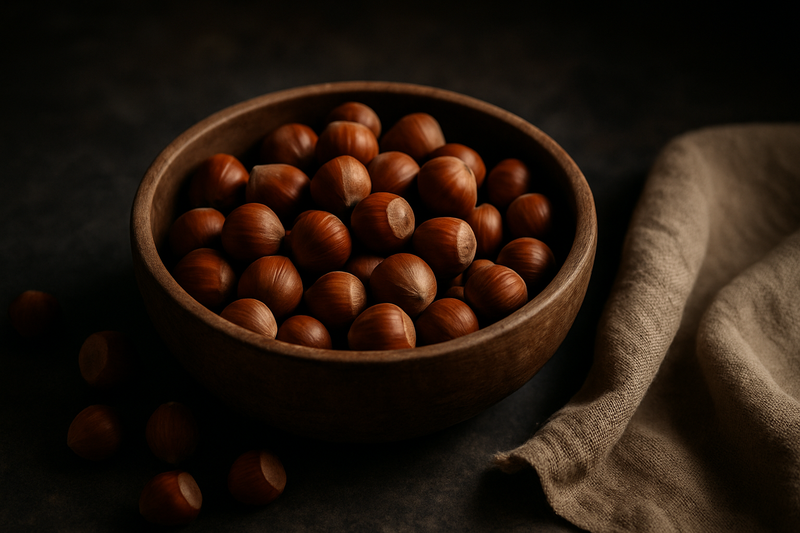
Hazelnut Butter · Photograph
Hazelnut butter is exactly what it sounds like: finely ground roasted hazelnuts (Corylus avellana) pressed into a thick, creamy spread. Unlike the famous chocolate-hazelnut spreads that line supermarket shelves, plain hazelnut butter contains one ingredient — the nut itself — and that distinction matters enormously for your health.
Key Nutrients
% Daily Value based on 2,000 cal diet
Key phytochemicals in hazelnut butter
- Polyphenols — A broad family of plant compounds with antioxidant properties, including phenolic acids and flavonoids. Hazelnut skins are especially rich in polyphenols; butters made from skin-on nuts retain more of these.
- Flavonoids — A subgroup of polyphenols. Research links flavonoid-rich diets to better vascular (blood vessel) health and lower markers of inflammation.
- Phenolic compounds — Overlapping with polyphenols, these plant metabolites contribute to hazelnut butter's antioxidant capacity and potential anti-inflammatory activity.
- Oleic acid — The primary fatty acid in hazelnut butter (a monounsaturated fat, also dominant in olive oil), associated with healthier blood lipid profiles.
- Tocopherols (vitamin E family) — Fat-soluble antioxidants that protect cell membranes from damage by free radicals (unstable molecules that can harm cells).
Prep and pairing ideas
Hazelnut butter's naturally sweet, slightly toasty flavor makes it one of the more versatile nut butters in the kitchen.
Common pairings:
- Hazelnut butter + banana + oats — The natural sweetness of banana balances hazelnut butter's richness; oats add beta-glucan fiber (a type of soluble fiber linked to cholesterol reduction), making this a genuinely heart-supporting combination for breakfast or a pre-workout snack. Blend into overnight oats or spread on
How Hazelnut Butter Compares
| Compared with | What's different |
|---|---|
| Hazelnut Butter vs. Almond Butter | Higher in vitamin E and manganese, with a sweeter, toasted flavor profile. |
| Hazelnut Butter vs. Chocolate Hazelnut Spread | Significantly lower in sugar and palm oil, containing only ground nuts. |
| Hazelnut Butter vs. Peanut Butter | Rich in oleic acid (monounsaturated fat) similar to olive oil, but with more fiber. |
Health Benefits
Things to Know
Tree nut allergy: Hazelnut is a major allergen. Reactions range from oral allergy syndrome (tingling, itching in the mouth and throat) to anaphylaxis (a severe, potentially life-threatening reaction). Anyone with a known tree nut allergy should avoid hazelnut butter entirely.
Birch pollen cross-reactivity: People with birch pollen allergy may experience oral allergy symptoms with hazelnuts due to proteins that resemble each other — a phenomenon called oral allergy syndrome (OAS). Cook or roast the nut typically reduces this reaction, so hazelnut butter made from roasted nuts may be better tolerated in mild OAS, but check with your allergist first.
Calorie density: At ~100–105 calories per tablespoon, hazelnut butter can contribute to excess calorie intake if portions aren't mindful. This is especially relevant for people managing body weight.
Sweetened spreads and blood sugar: If you are managing diabetes or insulin resistance, choose unsweetened varieties only. Sweetened hazelnut spreads can contain 10–20 g of sugar per serving.
Kidney disease: Hazelnut butter contains potassium, phosphorus, and magnesium. Individuals on a renal (kidney) diet limiting these minerals should consult a registered dietitian before adding nut butters regularly.
Medications: No specific drug interactions are well-established for hazelnuts. However, if you are on a medically prescribed diet for cardiovascular disease, diabetes, or kidney disease, review added nut butter intake with your healthcare team.
Pregnancy: Folate in hazelnut butter is a nutritional plus during pregnancy, but hazelnut butter is not a substitute for a prenatal supplement. Avoid raw hazelnut butters if your provider has recommended cooking all foods thoroughly.
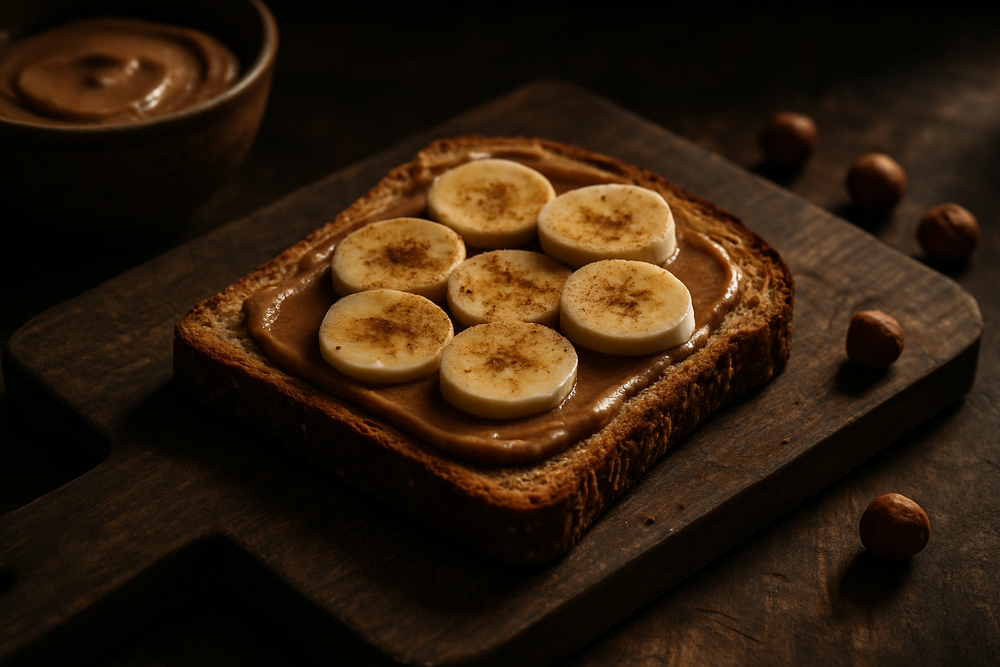
Prep Ideas
- — Hazelnut butter + banana + oats — The natural sweetness of banana balances hazelnut butter's richness; oats add beta-glucan fiber (a type of soluble fiber linked to cholesterol reduction), making this a genuinely heart-supporting combination for breakfast or a pre-workout snack. Blend into overnight oats or spread on
Shop This Ingredient
Stock your pantry with quality hazelnut butter.
Buy on AmazonAs an Amazon Associate, Plantopedia earns from qualifying purchases. This costs you nothing extra and helps us keep the encyclopedia free.
Frequently Asked Questions
Most of the human clinical evidence is based on whole hazelnuts rather than hazelnut butter specifically. However, because plain hazelnut butter is nutritionally equivalent — gram for gram — to the whole nut it's ground from, researchers and nutrition scientists generally consider the findings transferable, with two caveats: (1) the butter form is easier to overconsume due to its spreadable texture, and (2) added ingredients (sugar, oil, salt) in commercial products can shift the nutritional picture considerably. Heart health and circulation This is where the evidence is strongest. Human intervention studies — where participants added roughly 29–69 g of hazelnuts daily to a balanced diet — have observed reductions in: Total cholesterol LDL cholesterol (often called "bad" cholesterol because high levels are linked to arterial plaque buildup) ApoB (a protein marker associated with cardiovascular risk) Triglycerides (fats circulating in the blood) The likely mechanisms include oleic acid (which has a favorable effect on blood lipids), vitamin E (which helps prevent LDL oxidation — the process that makes LDL more damaging to arteries), and magnesium and potassium (both linked to healthier blood pressure). Is hazelnut butter good for cholesterol? Based on whole-hazelnut data, yes — it can support a healthier lipid profile when used in realistic portions as part of a heart-healthy eating pattern. It's not a treatment for high cholesterol, but it's a meaningful dietary lever. Digestive health and microbiome Each 2-tablespoon serving delivers about 3 g of dietary fiber, contributing meaningfully toward the recommended daily intake of 25–38 g for adults. Fiber supports: Bowel regularity Satiety (feeling full), which can support portion control Gut microbiome diversity (the range of beneficial bacteria in your digestive system) No clinical trials have tested hazelnut butter specifically for digestive outcomes, so benefits are inferred from its fiber content and broader nut research. Very large servings may cause gastrointestinal discomfort (bloating, loose stools) in some people, particularly if their overall diet is low in fiber or fluids. Blood sugar and metabolism Hazelnut butter has a low glycemic impact (meaning it doesn't cause sharp blood sugar spikes) due to its combination of healthy fat, fiber, and very low net carbohydrate content. Replacing refined carbohydrate snacks with hazelnut butter may help blunt post-meal glucose rises. Evidence for a direct, measurable blood-sugar-lowering effect from hazelnuts or hazelnut butter in humans is emerging but limited — most studies have used mixed-nut interventions, making it hard to isolate hazelnuts' contribution. Unsweetened hazelnut butter is the only form relevant here; sweetened varieties can meaningfully raise glycemic load. Inflammation and recovery Hazelnut butter's polyphenols, flavonoids, vitamin E, and monounsaturated fats all have mechanistic links to reduced oxidative stress — the process that underpins chronic inflammation. Some human studies have found reductions in inflammatory markers following hazelnut consumption, but the data set is smaller and less consistent than the lipid data. For people managing chronic low-grade inflammation (a background driver in conditions like cardiovascular disease, type 2 diabetes, and metabolic syndrome), hazelnut butter as part of a broadly anti-inflammatory diet may contribute — but the evidence doesn't support using it as a standalone intervention. Hormones and cycle health Hazelnut butter provides healthy fats and vitamin E — both important for cell membrane integrity and hormone-related signaling pathways — as well as folate, which supports cellular health broadly. However, no robust human trials have specifically tested hazelnut or hazelnut butter intake against hormonal endpoints. Any hormonal benefits are indirect and theoretical, based on the nutrient profile rather than tested outcomes. It should not be used as a primary strategy for managing hormonal conditions.
Not all hazelnut butter is created equal — and the label makes a significant difference. | Form | What it is | Best for | |---|---|---| | 100% roasted hazelnut butter | One ingredient: hazelnuts. Sometimes lightly salted. | Everyday nutrition; closest to what research studied | | Chocolate hazelnut spread | Primarily sugar + palm oil + some hazelnut | Occasional treat; not equivalent to nut butter for health purposes | | Blended nut/seed butter with hazelnut | Hazelnut combined with almonds, cashews, or seeds | Variety; healthy if minimally sweetened | | Raw hazelnut butter | Made from unroasted hazelnuts | Slightly different flavor; similar nutrient profile | Buying guide tips: Ingredient list: Look for "hazelnuts" as the only ingredient, or first ingredient if lightly salted Avoid: Added sugars listed in the first three ingredients, palm oil, hydrogenated oils Skin-on vs. blanched: Skin-on hazelnut butter retains more polyphenols — look for a darker, slightly speckled appearance or a label that says "whole hazelnut" Oil separation: Natural hazelnut butter separates (the oil rises to the top) — this is normal; stir before use and store upside down or refrigerated after opening Jar size: Smaller jars help with portion control; buy what you'll use in 2–3 months
Quick Answers
Common questions, answered in a line.
Hazelnut butter is a rich source of polyphenols, flavonoids, and vitamin E (tocopherols), which provide significant antioxidant activity. These compounds help protect cell membranes from damage by free radicals and are linked to lower markers of inflammation.
Hazelnut butter contains high levels of oleic acid, a monounsaturated fat that is associated with healthier blood lipid profiles. When paired with oats, which contain beta-glucan fiber, it creates a heart-supporting combination that helps manage cholesterol levels.
Hazelnut butter typically contains about 100 to 105 calories per tablespoon. Because of this high calorie density, it is important to practice portion control if you are focused on weight management.
People with a birch pollen allergy may experience Oral Allergy Syndrome (OAS) because some hazelnut proteins resemble birch pollen. While roasting the nuts for butter may reduce these symptoms, individuals with this allergy should consult an allergist before consumption.
Plain hazelnut butter consists only of finely ground roasted hazelnuts, whereas commercial chocolate-hazelnut spreads often contain high amounts of added sugar. Choosing unsweetened varieties is essential for managing blood sugar and insulin resistance.
Hazelnut butter is a source of folate, which is a nutritional benefit during pregnancy, though it does not replace prenatal supplements. Those on pregnancy diets should avoid raw versions if their provider advises consuming only thoroughly cooked foods.
Individuals with kidney disease should consult a dietitian before eating hazelnut butter because it contains the minerals potassium, phosphorus, and magnesium. These minerals are often restricted in specific renal diets.
For Readers in the USA
Local context — sourcing, seasonality, and regional notes.
Oregon is the premier producer of hazelnuts in the United States, accounting for approximately 99% of the domestic hazelnut crop. Most of these orchards are located in the Willamette Valley, where the temperate climate is ideal for producing the high-quality nuts used in premium nut butters.
You can find plain hazelnut butter at major national retailers like Whole Foods Market, Trader Joe's, and Safeway, as well as through online specialty food vendors. While chocolate-hazelnut spreads are everywhere, pure hazelnut butter is often stocked in the natural foods or organic aisle alongside almond and peanut butters.
The peak harvest season for US hazelnuts is typically from late September through October, which is when the freshest nuts become available for processing into oils and butters. While hazelnut butter is available year-round due to its long shelf life, many artisanal producers release new batches shortly after the autumn harvest.
To ensure your hazelnut butter meets federal standards for organic production, look for the USDA Organic seal on the label. This seal guarantees the product was produced without prohibited synthetic fertilizers or pesticides, and that the processing facility adheres to strict FDA food safety and labeling requirements.
AI Clinical Review
- Emphasizes that plain, unsweetened hazelnut butter is mostly monounsaturated fat (oleic acid) with notable vitamin E and mineral content, and that portions matter because it’s energy‑dense.
- Accurately reflects that the strongest human evidence for hazelnuts relates to improved blood lipids (lower LDL, total cholesterol, ApoB, and triglycerides) when eaten regularly as part of a balanced diet.
- Notes the low glycemic impact of unsweetened hazelnut butter and the role of fiber in satiety and digestive support.
- Provides practical label guidance (choose 100% hazelnuts; avoid added sugars/oils) and explains that natural oil separation is normal.
- Most trials are on whole hazelnuts, not hazelnut butter specifically; it’s reasonable—but not proven—to expect similar effects when the butter is unsweetened.
- Research on blood‑sugar control, inflammatory markers, microbiome outcomes, and hormonal effects is limited or mixed; any benefits here are likely modest and context‑dependent.
- The impact of processing details (e.g., skin‑on vs. blanched nuts, roast level) on polyphenol retention and clinical outcomes hasn’t been well quantified.
- Evidence for hard cardiovascular outcomes (like fewer heart attacks) from hazelnut‑specific trials is lacking; most data involve intermediate risk markers.
- Allergies: Hazelnut is a major tree‑nut allergen. People with birch‑pollen allergy may experience oral allergy symptoms; discuss with an allergist before trying, especially if past reactions occurred.
- Portion guidance: 1–2 tablespoons (about 16–32 g) is a practical serving. Lipid‑focused nut studies typically used ~30–60 g/day of nuts (≈2–4 tbsp nut butter); spreads are easy to overeat.
- Condition‑specific cautions: Choose unsweetened products if you have diabetes/insulin resistance; those with chronic kidney disease may need to monitor potassium and phosphorus; in pregnancy, follow your clinician’s advice on raw nut butters.
- Product differences and storage: Chocolate hazelnut “spreads” aren’t nutritionally equivalent to nut butter and often add sugar and palm oil. Salted versions add sodium. Store properly to prevent rancidity and stir separated oil back in.
Mention allergy context where appropriate; keep serving size realistic.
References
- PubMed — Effects of Hazelnut Consumption on Blood Lipids and Body Weight: A Systematic Review and Bayesian Meta-Analysis (pubmed.ncbi.nlm.nih.gov)
- PubMed — Effects of Hazelnut Consumption on Cardiometabolic Risk Factors and Acceptance: A Systematic Review (pubmed.ncbi.nlm.nih.gov)
- PubMed — Hazelnut-enriched diet improves cardiovascular risk biomarkers beyond a lipid-lowering effect in hypercholesterolemic subjects (pubmed.ncbi.nlm.nih.gov)
- USDA FoodData Central — USDA FoodData Central (fdc.nal.usda.gov)
Know Your Numbers
Eating healthy is a start. Now get to know your biomarkers.
Food changes bloodwork — inflammation, lipids, blood sugar and nutrient status all respond to what you eat. 59 markers from $59.
- Results in 7–10 days at 2,000+ Quest sites
- Licensed provider reviews every result
- One flat price, no membership, HSA/FSA eligible
Educational information only, not medical advice. Panels are ordered and reviewed through our licensed partner; Plantopedia may earn a commission.