Macadamia Butter — health benefits and uses
Healthy fats, minerals, and texture; small-amount high-leverage add-in
The Short Answer
Macadamia butter is a nutrient-dense spread containing 22g of total fat per serving, 77% of which is heart-healthy monounsaturated fat. It is a rich source of Omega-7 fatty acids and manganese, offering a mild, buttery flavor ideal for keto and plant-based

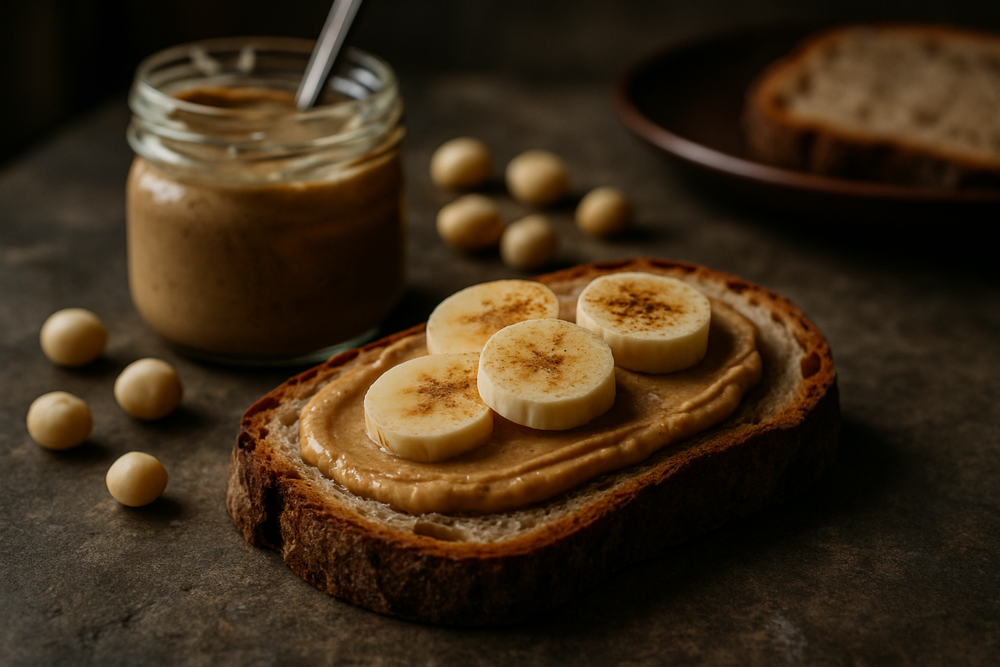
Macadamia Butter · Photograph
Macadamia butter is exactly what it sounds like: whole macadamia nuts (Macadamia integrifolia and related species, native to Australia) ground into a smooth, rich spread. It carries the same core nutrients as the whole nut — predominantly monounsaturated fats, a modest amount of fiber, and a standout mineral lineup including manganese, thiamin, and copper — in a form that is easy to stir into oatmeal, swipe on toast, or blend into a sauce.
Key Nutrients
% Daily Value based on 2,000 cal diet
Key active compounds and phytochemicals
- Monounsaturated fatty acids (MUFAs) — A class of fats with one double bond in their carbon chain. Oleic acid (the main fat in olive oil) and palmitoleic acid are the dominant MUFAs in macadamia butter. Associated with improved lipid profiles when they replace saturated fats.
- Palmitoleic acid (omega-7) — A specific MUFA present at unusually high levels in macadamias compared with most other plant foods. Early research suggests it may influence fat metabolism and insulin sensitivity; human evidence is still emerging.
- Tocotrienols — A subgroup of the vitamin E family (fat-soluble antioxidants) with an unsaturated side chain. Macadamias contain tocotrienols, which have shown potential neuroprotective and cardiovascular-protective properties in cell and animal studies, though large human trials are limited.
- Flavonoids and polyphenols — Plant compounds that act as antioxidants, helping to neutralise free radicals (unstable molecules that can damage cells). These are present in the nut's inner skin and are best preserved in butters made from less-processed, skin-on nuts.
- Dietary fiber — Both soluble fiber (which dissolves in water and can help lower cholesterol) and insoluble fiber (which adds bulk and supports bowel regularity) are present.
Prep and pairing ideas
Macadamia butter's mild, buttery flavour makes it one of the most versatile nut butters in a plant-forward kitchen.
Three practical pairings and why they work:
- Macadamia butter + overnight oats + sliced banana The fat in macadamia butter slows the digestion of the oats' carbohydrates, extending the blood sugar curve and keeping you fuller longer. Banana adds potassium and natural sweetness without refined sugar.
- Macadamia butter + baked sweet potato + a squeeze of lime Sweet potato provides beta-carotene (a fat-soluble antioxidant), and the fat in macadamia butter improves its absorption. Lime brightens the flavour and adds a small vitamin C boost that also helps with iron absorption from the nut butter itself.
- Macadamia butter + stir-fry sauce (soy, ginger, garlic) Diluted with a little warm water, macadamia butter creates a creamy, dairy-free sauce that coats vegetables and tofu evenly. Its neutral fat character works without overpowering the aromatics the way a stronger nut butter might.
Other ideas: blend into a smoothie for added creaminess, spread on rice cakes or sourdough, use as a base for salad dressing with apple cider vinegar and Dijon mustard, or stir into a warm bowl of soup for richness.
Bottom line
Macadamia nut butter is a genuinely nutrient-dense, whole-food fat source
How Macadamia Butter Compares
| Compared with | What's different |
|---|---|
| Macadamia Butter vs. Almond Butter | Significantly higher in monounsaturated fats and lower in protein than almond butter. |
| Macadamia Butter vs. Cashew Butter | Much creamier, buttery texture with higher levels of rare Omega-7 palmitoleic acid. |
Health Benefits
Things to Know
Tree nut allergy: Macadamia is a tree nut. Reactions can range from mild oral itching to severe anaphylaxis. Do not try macadamia butter if you have a known or suspected tree nut allergy without clearance from an allergist. Shared manufacturing lines mean cross-contact with other nuts is possible even in "pure" products.
Calorie density: Two tablespoons provide approximately 200 calories. This is not a reason to avoid it, but it is a reason to measure portions rather than scoop freely — especially if you are managing weight or calorie intake.
Pancreatitis and gallbladder conditions: High-fat foods can aggravate symptoms. Introduce slowly and seek dietitian guidance if you have a history of these conditions.
Kidney disease: Macadamias are moderate in phosphorus and potassium; cumulative mineral load from nuts should be considered as part of a renal diet under clinical supervision.
Young children: Smooth nut butter is safer than whole nuts for choking risk, but tree nut allergy must still be considered. Introduce any new nut carefully and follow your paediatrician's guidance.
Medication timing: High-fat foods can affect the absorption of certain medications that require an empty or low-fat stomach. Follow the specific instructions provided with your prescriptions.
Pets: Macadamia nuts are known to be toxic to dogs. Store them out of reach.
No specific medication interactions: are widely documented for macadamia nuts themselves; the primary safety concern is allergic reaction.
Prep Ideas
- — Macadamia butter + overnight oats + sliced banana The fat in macadamia butter slows the digestion of the oats' carbohydrates, extending the blood sugar curve and keeping you fuller longer. Banana adds potassium and natural sweetness without refined sugar.
- — Macadamia butter + baked sweet potato + a squeeze of lime Sweet potato provides beta-carotene (a fat-soluble antioxidant), and the fat in macadamia butter improves its absorption. Lime brightens the flavour and adds a small vitamin C boost that also helps with iron absorption from the nut butter itself.
- — Macadamia butter + stir-fry sauce (soy, ginger, garlic) Diluted with a little warm water, macadamia butter creates a creamy, dairy-free sauce that coats vegetables and tofu evenly. Its neutral fat character works without overpowering the aromatics the way a stronger nut butter might.
Shop This Ingredient
Stock your pantry with quality macadamia butter.
Buy on AmazonAs an Amazon Associate, Plantopedia earns from qualifying purchases. This costs you nothing extra and helps us keep the encyclopedia free.
Frequently Asked Questions
Heart health and circulation Research on nut-enriched diets consistently shows improvements in lipid profiles (the balance of fats in the blood) when nuts replace saturated fat sources. Macadamia-specific human studies and broader nut-diet trials suggest that regular intake may: Lower LDL ("bad") cholesterol and total cholesterol Reduce triglycerides (a type of blood fat linked to cardiovascular risk when elevated) Support healthier arterial function through the anti-inflammatory effects of MUFAs and polyphenols Evidence is rated moderate for lipid benefits. The caveat: these effects are most meaningful when macadamia butter replaces less healthy fats (butter, ultra-processed snack spreads) rather than being added on top of an already energy-dense diet. Digestive health and microbiome Macadamia butter provides both soluble and insoluble dietary fiber, which: Adds bulk to stool and supports bowel regularity Feeds beneficial gut bacteria (a process called prebiotic fermentation) May improve satiety signals by slowing gastric emptying (the rate at which food leaves the stomach) Direct human trials on macadamia-specific gut microbiome outcomes are limited, but fiber and healthy fats from nuts are well established as digestive supporters. Evidence here is rated emerging. Blood sugar and metabolism Macadamia butter is naturally very low in sugar and digestible carbohydrates. Its combination of fiber, fat, and a small amount of protein may help blunt post-meal blood sugar spikes by slowing carbohydrate absorption. Small studies suggest regular macadamia intake may assist in managing blood sugar and reducing metabolic syndrome risk markers, though most data are extrapolated from broader nut research. Evidence is emerging. Inflammation and recovery Macadamias contain antioxidant compounds — including flavonoids, polyphenols, and tocotrienols — that may help reduce oxidative stress (an imbalance between free radicals and antioxidants in the body) and systemic low-grade inflammation. Most evidence is indirect, based on biomarker changes rather than macadamia-specific clinical trials. Anti-inflammatory benefits are most plausible as part of an overall anti-inflammatory dietary pattern rather than as an isolated intervention. Evidence: emerging.
Buying guide: what to look for on the label Pure macadamia butter (1 ingredient) is the gold standard. Whether smooth, crunchy, raw, or roasted, the nutritional value is largely preserved as long as the only ingredient is macadamia nuts (and perhaps a small amount of salt). Things to watch for on the label: | Label feature | What it means | Our take | |---|---|---| | "100% macadamia nuts" | No fillers, no added oil | Best choice | | Added palm oil or coconut oil | Increases saturated fat content | Choose sparingly | | Added sugar or honey | Adds calories, raises glycaemic load | Avoid if possible | | "Dry roasted" vs "oil roasted" | Oil roasting adds extra fat | Dry roasted preferred | | Sodium 100 mg per 2 tbsp | High-sodium version | Choose unsalted if managing blood pressure | Raw vs roasted: Raw macadamia butter has a milder, more neutral flavour. Roasting deepens the buttery, toasty notes and enhances palatability but may modestly reduce some heat-sensitive antioxidants. Fat, mineral, and fiber content remain comparable between the two. Choose whichever you will actually eat consistently. Blended nut butters with macadamia: These can still deliver macadamia's fat quality and minerals, but check labels carefully for added oils, sugars, or flavourings. The overall nutrition will reflect all ingredients combined.
There is no single universal dose, but here is a practical framework based on existing nut research: General healthy adults: 1–2 tablespoons (16–32 g, approximately 100–200 calories) per day is a realistic, portion-controlled amount that fits within standard nut and seed recommendations. Nut studies typically use: 1–2 ounces of whole nuts per day, equivalent to roughly 2–4 tablespoons of nut butter. Start low: If macadamia butter is new to your diet or your digestive system is sensitive to high-fat foods, begin with 1 teaspoon and gradually increase over 1–2 weeks. Weight management context: Because macadamia butter is calorie-dense, it works best as a replacement for other fats or spreads rather than an addition. Evidence from a 2023 trial found that daily macadamia intake did not increase weight or body fat in overweight adults, but total dietary context still matters. Low-carb and keto patterns: 2–3 tablespoons per day is common in these frameworks, where high fat intake is intentional. This is still within the range used in research. CTA: Want to see how macadamia butter fits your specific eating pattern? Build a personalised meal plan on Plantopedia →
Quick Answers
Common questions, answered in a line.
Macadamia butter is extremely high in monounsaturated fatty acids (MUFAs), specifically oleic acid and palmitoleic acid (omega-7). These fats are associated with improved lipid profiles when used to replace saturated fats in your diet.
Macadamia butter contains tocotrienols, a subgroup of the vitamin E family, and antioxidant flavonoids that help neutralize free radicals. These compounds are best preserved in butters made from less-processed, skin-on nuts and have shown potential for neuroprotective benefits.
Combining macadamia butter with carbohydrates like oats or bananas can slow digestion and extend the blood sugar curve to keep you full longer. Its fiber and fat content help provide a more stable release of energy compared to consuming sugars alone.
Macadamia butter is an excellent pairing for sweet potatoes because its healthy fats improve the absorption of the potato's fat-soluble beta-carotene. You can also add a squeeze of lime to the pairing to help your body better absorb the iron found in the nut butter.
You can use macadamia butter as a creamy, dairy-free base for stir-fry sauces, salad dressings, or even as a rich addition to soups. Its neutral flavor profile allows it to blend with aromatics like ginger and garlic without overpowering them.
No, you should never give macadamia butter to dogs because macadamia nuts are known to be toxic to them. Always store macadamia products securely out of reach of household pets.
People with kidney disease should be cautious with macadamia butter as it contains moderate levels of phosphorus and potassium. The cumulative mineral load from nuts should be monitored as part of a renal diet under clinical supervision.
For Readers in the USA
Local context — sourcing, seasonality, and regional notes.
Most macadamias in the United States are grown in Hawaii, specifically on the Big Island, though small-scale production also exists in Southern California. While the nuts are harvested year-round in Hawaii, peak season typically runs from July through November.
Macadamia butter is widely available at national retailers like Whole Foods Market, Sprouts Farmers Market, and Trader Joe’s, as well as through online platforms like Amazon and Thrive Market. You can also find premium, small-batch versions at local farmers markets in Hawaii and California.
When buying macadamia butter in the US, look for the USDA Organic seal to ensure it was produced without synthetic pesticides and check the FDA-mandated Nutrition Facts label for any added sugars or oils. Most high-quality American brands will list only "dry roasted macadamia nuts" as the sole ingredient to comply with "pure" labeling standards.
Americans often use macadamia butter as a keto-friendly alternative to peanut butter due to its high healthy fat content and low carbohydrate count. It is a staple in the "Paleo" and "Keto" communities across the US, frequently appearing in "fat bomb" recipes or blended into "bulletproof" style coffee.
AI Clinical Review
- Emphasizes macadamia butter’s high monounsaturated fat (MUFA) content—similar to olive oil—which is well supported for improving LDL cholesterol when it replaces saturated fats.
- Accurately notes key micronutrients (manganese, thiamin, copper) and realistic macros for a 2-tablespoon serving (~200 calories), helping with portion awareness.
- Provides practical label guidance (choose 100% nut butter; be cautious with added oils/sugars; prefer dry-roasted over oil-roasted) that aligns with cardiometabolic goals.
- Frames benefits within dietary substitution, not addition—important nuance for weight and lipid management.
- Proposed benefits of palmitoleic acid (an omega‑7 MUFA) on insulin sensitivity and metabolism are intriguing but lack large, long-duration human trials.
- Antioxidant/tocotrienol claims are based largely on mechanistic or small studies; macadamia-specific clinical outcomes remain limited.
- Microbiome and glycemic effects are plausible by analogy to other nuts and to fiber/fat physiology, but direct macadamia-butter trials are sparse.
- Weight neutrality with daily macadamia intake is consistent with broader nut research, yet macadamia-specific, long-term RCT data are limited.
- Tree-nut allergy: avoid unless cleared by an allergist; cross-contact with other nuts is possible. Introduce carefully in children per pediatric guidance.
- Calorie density: 1–2 tablespoons per day is a practical range for most adults—best used as a replacement for other spreads/oils, not an add-on.
- Medical considerations: high-fat foods may aggravate pancreatitis or gallbladder symptoms; those with chronic kidney disease should monitor mineral load; some medications have fat-related absorption instructions—follow your prescription guidance.
- Product form: unsalted, single-ingredient butters keep sodium and added saturated fat low; “raw” vs roasted mainly affects flavor, not core macros; keep macadamias away from dogs (they’re toxic to pets).
Mention allergy context where appropriate; keep serving size realistic.
References
- PubMed — Macadamia nut consumption lowers plasma total and LDL cholesterol levels in hypercholesterolemic men (pubmed.ncbi.nlm.nih.gov)
- PMC, National Library of Medicine — Sensory Quality of Macadamia Nut Butter: Effects of Kernel Grade and Maturity (pmc.ncbi.nlm.nih.gov)
- PMC, National Library of Medicine — Macadamia nut effects on cardiometabolic risk factors: a randomised trial (pmc.ncbi.nlm.nih.gov)
- PubMed — Serum lipid effects of a monounsaturated (palmitoleic) fatty acid-rich diet based on macadamia nuts in healthy, young Japanese women (pubmed.ncbi.nlm.nih.gov)
- PubMed — Healthful new oil from macadamia nuts (pubmed.ncbi.nlm.nih.gov)
- Wiley Online Library — J.1747 0080.2012.01636.x (onlinelibrary.wiley.com)
- USDA FoodData Central — USDA FoodData Central (fdc.nal.usda.gov)
Know Your Numbers
Eating healthy is a start. Now get to know your biomarkers.
Food changes bloodwork — inflammation, lipids, blood sugar and nutrient status all respond to what you eat. 59 markers from $59.
- Results in 7–10 days at 2,000+ Quest sites
- Licensed provider reviews every result
- One flat price, no membership, HSA/FSA eligible
Educational information only, not medical advice. Panels are ordered and reviewed through our licensed partner; Plantopedia may earn a commission.