Beech Nuts — health benefits and uses
Healthy fats, minerals, and texture; small-amount high-leverage add-in
The Short Answer
Beech nuts are edible triangular seeds that must be roasted before consumption to neutralize fagin, a natural toxin. They offer a buttery, sweet flavor and are rich in manganese, potassium, and healthy polyunsaturated fats.

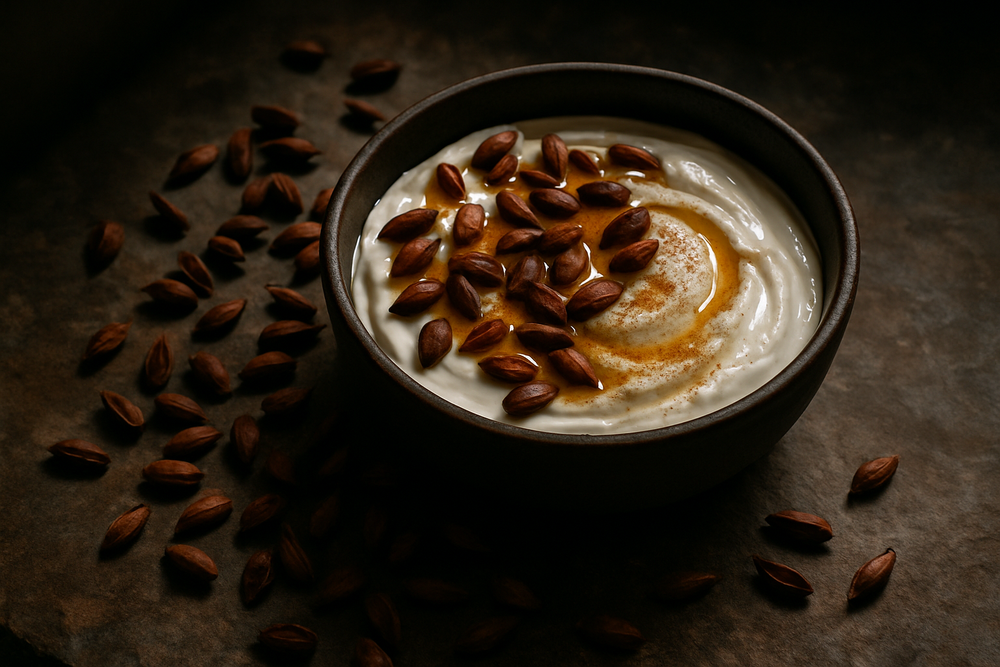
Beech Nuts · Photograph
Beech nuts are the small, triangular seeds that fall from the European beech tree (Fagus sylvatica) — and from several related North American species — tucked inside a spiky, four-lobed husk that opens in autumn. For most of modern history they have been overshadowed by almonds, walnuts, and cashews, yet foragers, wildlife enthusiasts, and plant-based eaters are rediscovering them as a mineral-rich, healthy-fat wild nut with a subtly sweet, buttery flavour once properly prepared.
Key Nutrients
% Daily Value based on 2,000 cal diet
Key active compounds
- Unsaturated fatty acids (omega-3 and omega-6): Polyunsaturated fats (PUFAs) that make up the majority of beech nuts' approximately 50 g of fat per 100 g. These are the same class of fats linked to heart and inflammation benefits in mixed-nut research.
- Fagin: A naturally occurring toxin — sometimes described as a trimethylamine-related or saponin-like compound — found in raw beech nuts. Responsible for gastrointestinal symptoms when raw nuts are eaten in quantity. Significantly reduced by roasting.
- Oxalic acid: An organic acid present in many plant foods, including raw beech nuts. At higher intakes it can irritate the gut and, in susceptible people, contribute to kidney stone formation. Heating reduces its content.
- Folate: A B vitamin (113 µg per 100 g) essential for DNA synthesis and cell division.
- Potassium: A mineral important for fluid balance and blood pressure regulation, present in unusually high amounts for a nut.
- Manganese: A trace mineral that acts as a cofactor for antioxidant enzymes and supports bone and connective tissue health.
Buying guide
Fresh vs foraged: Beech nuts are rarely found in supermarkets. They are primarily a foraged food, collected from beneath beech trees in early autumn (September to November in the Northern Hemisphere). If you forage, choose plump, intact triangular seeds and discard any that are shrivelled, mouldy, or smell off.
Dried beech nuts: Some specialty or wild food retailers sell dried beech nut kernels, often already shelled. Check the label to confirm whether they have been heat-treated; if not, roast them at home before eating.
Beech nut oil: Available from some European specialty food suppliers. Look for cold-pressed, unrefined versions in dark glass bottles. Once opened, refrigerate and use within three to four months to prevent the polyunsaturated fats from going rancid.
Label tips:
- "Kernels" or "shelled" means the hard outer shell has been removed — only the edible inner seed remains.
- "Roasted" on a label is reassuring, but if you are uncertain, a brief additional home roast adds no harm and extra peace of mind.
- Avoid anything labelled "raw beech nuts" for eating in quantity; these need preparation first.
Prep and pairing ideas
- Roasted and chopped over autumn grain bowls. Toss cooled roasted kernels over a bowl of farro, roasted squash, and bitter greens. The buttery crunch pairs beautifully with earthy grains.
- Ground into a nut butter. Blend roasted kernels with a pinch of salt in a food processor until smooth. Use as a spread or a sauce base. Thin with beech nut oil for a pourable version.
- Toasted and added to dark chocolate bark. The mildly sweet nuttiness of beech nuts complements the bitterness of high-cocoa chocolate. A small amount goes a long way.
Why these pairings work:
- Beech nuts + bitter greens (e.g., radicchio or endive): Fat in the nut aids absorption of fat-soluble vitamins (A, K, E) in the greens.
- Beech nuts + citrus dressing: The vitamin C in the nuts plus the citrus helps with non-haem iron absorption from any leafy green or legume in the same meal.
- Beech nuts + wholegrains: The fat-protein combination slows car
How Beech Nuts Compares
| Compared with | What's different |
|---|---|
| Beech Nuts vs. Hazelnuts | Beech nuts are smaller, triangular, and must be roasted to neutralize fagin, unlike hazelnuts. |
| Beech Nuts vs. Walnuts | Beech nuts have a more buttery, sweet profile and higher manganese content than standard walnuts. |
Health Benefits
Things to Know
Roast before eating.: This is the single most important safety step. Raw beech nuts in quantity can cause poisoning.
Tree nut allergy risk.: Beech nuts can trigger allergic reactions in people with tree nut allergies. If you have any history of nut allergy, speak to an allergist before trying them. Start with a very small amount even if you have no known allergy.
Kidney stone history.: Raw beech nuts contain oxalic acid. Even after roasting, some may remain. If you have been advised to limit oxalate-rich foods, discuss with your doctor.
Children under 4–5 years.: Choking hazard from hard kernels; also higher sensitivity to plant toxins in young children.
Pregnancy and breastfeeding.: Limited safety data on regular intake of foraged nuts and their natural toxins. Best avoided in more than small amounts until more is known.
Gallbladder disease or fat-malabsorption conditions.: Beech nuts are very high in fat (~50 g per 100 g). People with conditions affecting fat digestion should proceed cautiously and consult a clinician.
Calorie-controlled diets or obesity.: At ~163 calories per small handful, beech nuts are easy to overconsume. Portion awareness matters.
High potassium medications.: Very large servings could contribute to potassium load in people taking potassium-sparing diuretics, ACE inhibitors, or ARBs. A realistic 15–30 g portion is unlikely to be clinically significant, but check with your prescriber if in doubt.
No known direct drug interactions: have been documented for beech nuts in the literature reviewed; apply general caution for high-fat foods when managing weight-sensitive medications.
Prep Ideas
- — Roasted and chopped over autumn grain bowls. Toss cooled roasted kernels over a bowl of farro, roasted squash, and bitter greens. The buttery crunch pairs beautifully with earthy grains.
- — Ground into a nut butter. Blend roasted kernels with a pinch of salt in a food processor until smooth. Use as a spread or a sauce base. Thin with beech nut oil for a pourable version.
- — Toasted and added to dark chocolate bark. The mildly sweet nuttiness of beech nuts complements the bitterness of high-cocoa chocolate. A small amount goes a long way.
- — Beech nuts + bitter greens (e.g., radicchio or endive): Fat in the nut aids absorption of fat-soluble vitamins (A, K, E) in the greens.
- — Beech nuts + citrus dressing: The vitamin C in the nuts plus the citrus helps with non-haem iron absorption from any leafy green or legume in the same meal.
- — Beech nuts + wholegrains: The fat-protein combination slows car
Shop This Ingredient
Stock your pantry with quality beech nuts.
Buy on AmazonAs an Amazon Associate, Plantopedia earns from qualifying purchases. This costs you nothing extra and helps us keep the encyclopedia free.
Frequently Asked Questions
Heart and circulation Beech nuts tick many of the nutritional boxes that, in other nuts, correlate with cardiovascular benefit: high unsaturated fat, high potassium, low sodium, and meaningful amounts of minerals like magnesium and copper. Observational studies on nut eaters in general — not beech nut eaters specifically — consistently find lower rates of heart disease and better LDL profiles compared with people who eat few or no nuts. For beech nuts, the honest framing is: their fat and mineral profile suggests they could support heart health in the same direction as better-studied nuts, but we cannot confirm this without beech-specific trials. Use them as a niche addition to a varied nut intake rather than a primary cardiovascular strategy. Digestive health and satiety Beech nuts are calorie-dense. A 28 g handful delivers about 163 calories, mostly from fat, which means they are slow to digest and filling. High-fat, moderate-protein foods eaten alongside carbohydrates slow gastric emptying (the rate at which food leaves the stomach), which can reduce post-meal hunger. This is consistent with what general nut research shows, though beech nut-specific digestion studies do not exist. Important caveat: raw beech nuts directly irritate the digestive tract. Roasting is the fix. Once roasted, most people tolerate modest portions well. Blood sugar and metabolism Because beech nuts are predominantly fat and have a relatively low net carbohydrate load, they are unlikely to cause rapid blood sugar spikes on their own. Adding a small portion to a carbohydrate-heavy meal may help blunt the glycaemic (blood sugar) response — a pattern seen consistently with other nuts in human trials. No glycaemic index value has been established for beech nuts, and no direct glycaemic study exists for them. Evidence here is entirely by analogy. Hormones and cycle health There are no human studies linking beech nut consumption to sex hormone levels or endocrine function. The indirect connection: dietary fats are raw material for steroid hormones (like oestrogen and testosterone), and B vitamins — of which beech nuts have several — support the energy metabolism and neurotransmitter pathways involved in hormonal signalling. This is a nutrient-function relationship, not a clinically proven effect of eating beech nuts. Inflammation and recovery The polyunsaturated fats in beech nuts — particularly omega-3 and omega-6 fatty acids — play mechanistic roles in the body's inflammatory pathways. Human research on omega-3-rich foods and oils shows modest reductions in inflammatory markers when they replace saturated fat in the diet. Whether beech nuts specifically behave the same way is unknown. Frame this as: beech nuts supply the type of fats that, in context of a broadly anti-inflammatory plant-forward diet, may contribute to reducing background inflammation over time.
Roasted whole kernels — the recommended choice Roasted kernels are the safest, most practical form. Roasting breaks down fagin and reduces oxalic acid while also making the thin inner skin easier to remove and the flavour more appealing — warm, slightly sweet, reminiscent of a mild chestnut. Instructions: remove the outer husk, crack the hard shell, spread the kernels in a single layer, and roast in a dry pan or oven at around 160 °C (320 °F) for 10–15 minutes until golden and fragrant. Cool before eating. Beech nut oil Pressed from the kernels, beech nut oil is traditionally used like other nut or seed oils — as a finishing oil on salads or vegetables. It is rich in unsaturated fats and considered non-toxic by botanical sources. No modern clinical trials evaluate it. Use unheated or at low temperatures to preserve the fatty acid profile. Beech nut flour or meal Ground from previously roasted kernels and used historically as a flour extender in baking. There are no human studies on this form. If you make it yourself, ensure the nuts were fully roasted first to minimise residual toxin content. Raw kernels — not recommended in quantity A single raw kernel is unlikely to cause harm in a healthy adult, but eating raw beech nuts in any meaningful amount is not recommended. Fagin and oxalic acid concentrations in raw nuts are sufficient to cause nausea, stomach cramping, and, with larger intakes, more serious symptoms. Roast first, always.
Quick Answers
Common questions, answered in a line.
You should always roast beech nuts before eating them to neutralize fagin, a naturally occurring toxin that causes gastrointestinal distress. Roasting also helps reduce the concentration of oxalic acid, which can irritate the gut and contribute to kidney stones.
Beech nuts are rich in heart-healthy unsaturated fatty acids, potassium for blood pressure regulation, and manganese for bone and antioxidant health. They also provide folate, a B vitamin essential for DNA synthesis and cell division.
Beech nuts are generally foraged from beneath European or North American beech trees in early autumn, typically between September and November. When foraging, you should select plump, intact triangular seeds and avoid any that appear shrivelled, mouldy, or off-smelling.
A small handful of beech nuts contains approximately 163 calories and about 50 grams of fat per 100-gram serving. Because of this high energy density and fat content, portion awareness is important for those on calorie-controlled diets.
Beech nuts contain an unusually high amount of potassium for a nut, which is a mineral critical for regulating fluid balance and blood pressure. While small portions are usually fine, individuals on potassium-sparing diuretics or ACE inhibitors should consult a doctor before consuming large amounts.
People with tree nut allergies, kidney stone history, or gallbladder disease should avoid or exercise extreme caution with beech nuts. They are also considered a choking hazard for children under 5 and may cause sensitivity to plant toxins in young children.
For Readers in the USA
Local context — sourcing, seasonality, and regional notes.
In the United States, you can find the American beech (Fagus grandifolia) growing primarily in the eastern half of the country, from Maine down to northern Florida and as far west as eastern Texas. These trees are staples of deciduous forests and are commonly identified by their smooth, silver-gray bark and serrated oval leaves.
In most U.S. regions, American beech nuts reach maturity and begin to drop from their prickly husks between September and November. Peak harvesting typically occurs after the first frost, which helps the husks burst open and fall to the forest floor for easier collection.
Beech nuts are rarely stocked at major U.S. grocery chains like Kroger or Whole Foods; they are primarily found at specialty wild-food markets or through online foragers. Because they are labor-intensive to process, you are more likely to find them at local farmers markets in the Northeast or Appalachia during the autumn months.
While the FDA does not have specific regulations for beech nuts, they are generally recognized as a foraged food that must be properly heat-treated to neutralize fagin. US-based foragers and sellers typically follow standard food safety labels to indicate whether the kernels are raw or have been commercially roasted.
AI Clinical Review
- Emphasizes a key safety point: raw beech nuts can cause gastrointestinal symptoms and should be roasted before eating.
- Sets appropriate expectations by noting there are no human clinical trials on beech nuts; most potential benefits are inferred from their nutrient profile and broader nut research.
- Highlights their predominantly unsaturated fat content and useful minerals (e.g., potassium, manganese, folate), which aligns with what supports heart health in studies of other nuts.
- Offers practical preparation guidance and realistic sourcing notes for a foraged, less‑commercial nut.
- No beech nut–specific human data on cardiometabolic outcomes, appetite/satiety, glycemic effects, or inflammation; conclusions are extrapolated from other nuts.
- Nutrient values likely vary by species, growing conditions, and processing; fiber and vitamin C data in particular are sparse and may change with roasting.
- Safety thresholds are not standardized: the degree of toxin (e.g., fagin, oxalate) reduction with different roasting times/temperatures hasn’t been rigorously studied.
- Limited information on beech nut oil and flour (e.g., stability, optimal culinary uses, allergenicity) in modern clinical or food-science literature.
- Form and portion: choose roasted kernels; consider starting with a small amount (about 10–20 g) to assess tolerance, with a typical portion around 28 g (1 oz).
- Allergy: as a tree nut, beech nuts can trigger allergic reactions. Anyone with known nut allergies or prior oral itching from nuts should consult an allergist before trying them.
- Kidney and medication considerations: people with a history of kidney stones or chronic kidney disease, or those on potassium‑sparing diuretics/ACE inhibitors/ARBs, should discuss portions with a clinician.
- Special populations and safety: young children face choking risk; during pregnancy or breastfeeding, limit intake due to limited data. If foraging, ensure correct identification, avoid damaged/moldy nuts, and store roasted kernels in airtight containers to prevent rancidity.
Mention allergy context where appropriate; keep serving size realistic.
References
- PubMed — Edible nuts and metabolic health (pubmed.ncbi.nlm.nih.gov)
- PubMed — Composition of Nuts and Their Potential Health Benefits-An Overview (pubmed.ncbi.nlm.nih.gov)
- University of Rochester Medical Center — Content - Health Encyclopedia - URochester Medicine (urmc.rochester.edu)
- PMC, National Library of Medicine — Health benefits of nut consumption (pmc.ncbi.nlm.nih.gov)
- PMC, National Library of Medicine — Tree nut consumption is associated with better nutrient adequacy and diet quality in adults: National Health and Nutrition Examination Survey 2005-2010 (pmc.ncbi.nlm.nih.gov)
- MDPI — 1661 3821 (mdpi.com)
- PubMed — Tree nut consumption improves nutrient intake and diet quality in US adults: an analysis of National Health and Nutrition Examination Survey (NHANES) 1999-2004 (pubmed.ncbi.nlm.nih.gov)
- USDA FoodData Central — USDA FoodData Central (fdc.nal.usda.gov)
Know Your Numbers
Eating healthy is a start. Now get to know your biomarkers.
Food changes bloodwork — inflammation, lipids, blood sugar and nutrient status all respond to what you eat. 59 markers from $59.
- Results in 7–10 days at 2,000+ Quest sites
- Licensed provider reviews every result
- One flat price, no membership, HSA/FSA eligible
Educational information only, not medical advice. Panels are ordered and reviewed through our licensed partner; Plantopedia may earn a commission.