Black Sesame Seeds — health benefits and uses
Healthy fats, minerals, and texture; small-amount high-leverage add-in
The Short Answer
Black sesame seeds are highly nutritious, providing 291 mg of calcium and 4 mg of iron per 2-tablespoon serving. They are rich in unique lignans like sesamin and dark pigments called anthocyanins which offer potent antioxidant properties.
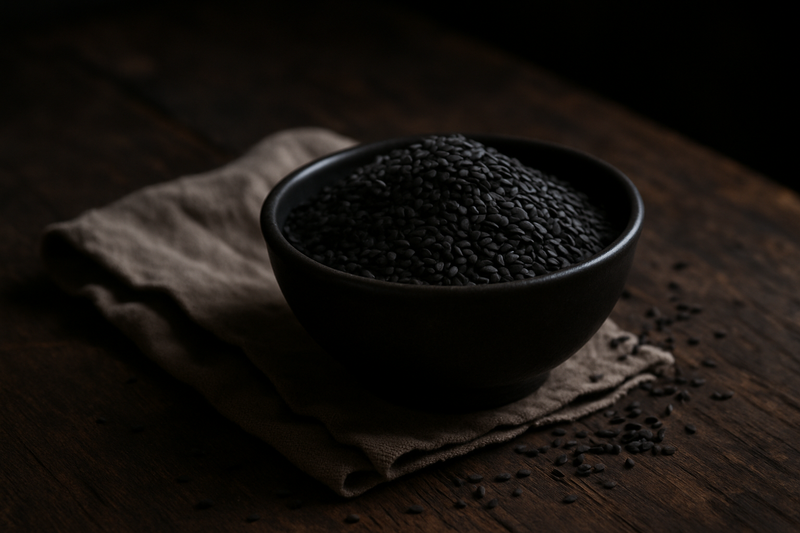
Black Sesame Seeds · Photograph
Black sesame seeds have appeared on tables across East Asia, the Middle East, and South Asia for thousands of years — sprinkled on rice, swirled into desserts, and pressed into oil. Today they are turning up in smoothie bowls, grain salads, and artisan bread, and for good reason: they are one of the most mineral-dense seeds you can add to everyday food without any complicated preparation.
Key Nutrients
% Daily Value based on 2,000 cal diet
Key active compounds (phytochemicals)
Black sesame seeds contain a set of phytochemicals — plant compounds with biological activity — that distinguish them from most other seeds:
- Sesamin — the primary lignan (a type of polyphenol) in sesame seeds; linked to antioxidant activity, cholesterol management, and anti-inflammatory effects in preclinical and limited human research.
- Sesamolin — a structurally related lignan that works alongside sesamin; may support vascular health and cholesterol balance.
- Sesamol — a phenolic compound derived from sesame lignans and found in sesame oil; shows strong antioxidant, anti-inflammatory, and neuroprotective properties in lab and animal studies.
- Sesaminol and sesamolinol — oxidative derivatives of sesame lignans; add further free-radical-scavenging activity.
- Anthocyanins — the water-soluble pigments that give black sesame its dark colour; provide additional antioxidant activity and are largely absent from hulled white sesame.
- Flavonoids — a broad class of polyphenols with antioxidant and anti-inflammatory actions.
- Phytosterols — plant sterols that compete with cholesterol for gut absorption, helping to nudge LDL (low-density lipoprotein, or "bad" cholesterol) levels down.
- Saponins — soap-like glycosides with potential cholesterol-lowering and immune-modulating effects in preclinical work.
- Tocopherols (vitamin E) — fat-soluble antioxidants that protect cell membranes; may work synergistically with sesame lignans.
- Phytates and oxalic acid — naturally occurring antinutrients that can modestly reduce mineral absorption at very high intakes, but also carry antioxidant properties. At typical culinary amounts they are unlikely to be a concern for most people.
Buying guide: how to choose and store black sesame seeds
What to look for on the label:
- Single ingredient: "black sesame seeds" — no added oils, salt, or sugar unless you want a flavoured product.
- Organic or non-GMO if that matters to your buying priorities; sesame is not a genetically modified crop, so "non-GMO" is mostly marketing.
- Country of origin: Ethiopia, India, China, and Sudan are major producers; origin affects flavour nuance but not safety.
Fresh vs pre-ground:
- Whole seeds have a longer shelf life because their outer hull protects the fats inside from oxidation (the process by which fats go rancid when exposed to oxygen and heat).
- Ground seeds or paste should smell nutty, not bitter or "paint-like." A bitter or sharp smell is a sign of rancidity.
Storage tips:
- Whole seeds: airtight container, cool dark cupboard, up to 6–12 months.
- Ground seeds or paste: refrigerate after opening; use within 4–6 weeks.
- Black sesame oil: store in a dark bottle, away from light and heat; refrigerate after opening.
How Black Sesame Seeds Compares
| Compared with | What's different |
|---|---|
| Black Sesame Seeds vs. White Sesame Seeds | Uncoated and milder in flavor, white seeds lack the antioxidant anthocyanins found in the black hull. |
| Black Sesame Seeds vs. Nigella Seeds (Black Cumin) | Larger and crunchier with a distinct onion-like flavor, compared to the nutty, earthy taste of sesame. |
| Black Sesame Seeds vs. Chia Seeds | Higher in omega-3 fatty acids and fiber, but significantly lower in calcium and iron than black sesame. |
Health Benefits
Things to Know
Sesame allergy is serious.: Sesame is a recognised major allergen in the US (since 2023), Canada, the EU, and Australia. Reactions range from mild oral itching or hives to severe anaphylaxis (a life-threatening allergic reaction). Anyone with a known seed or tree-nut allergy should check with an allergist before introducing sesame.
Calorie density.: Two tablespoons of black sesame seeds add around 110 kcal. That is easy to account for in most diets, but if you are on a calorie-restricted plan, factor it in.
Blood pressure medications.: Some sources advise caution with high sesame intakes alongside antihypertensive (blood pressure–lowering) drugs due to potential additive blood pressure–lowering effects. This is largely theoretical at food-level servings, but worth mentioning to your doctor if you take these medications.
Blood thinners (anticoagulants / antiplatelets).: No strong clinical evidence of harmful interactions exists, but sesame's bioactive compounds could theoretically affect vascular pathways. Large supplemental doses should be used carefully and under medical supervision if you take warfarin, DOACs, aspirin, or clopidogrel.
Antidiabetic medications.: If you take insulin
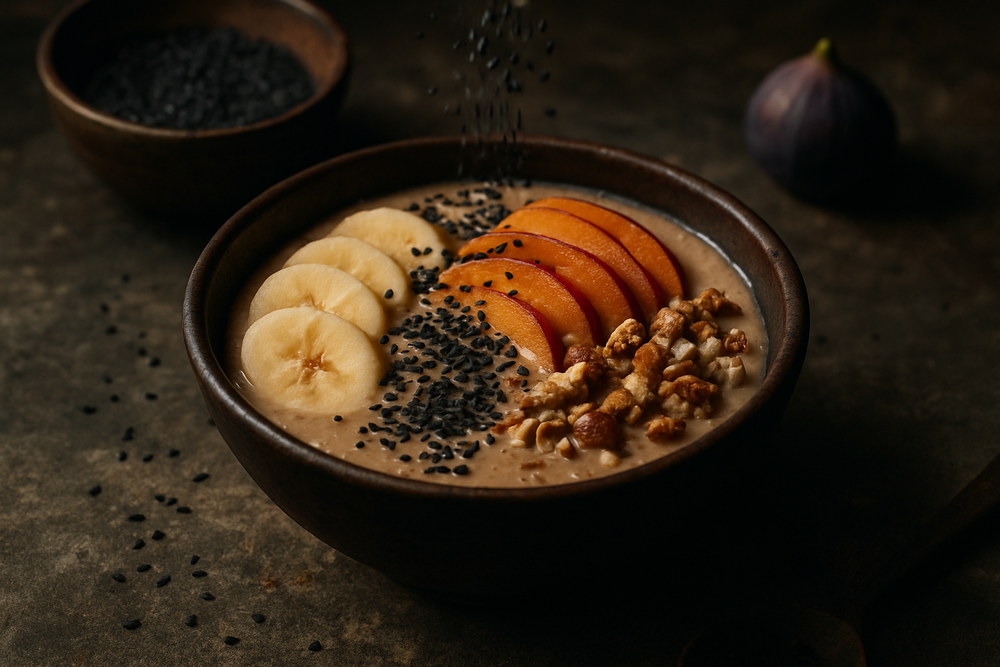
Shop This Ingredient
Stock your pantry with quality black sesame seeds.
Buy on AmazonAs an Amazon Associate, Plantopedia earns from qualifying purchases. This costs you nothing extra and helps us keep the encyclopedia free.
Frequently Asked Questions
The honest picture: much of the exciting science on sesame lignans comes from animal models or from studies using sesame oil and isolated compounds rather than whole black seeds specifically. A thorough 2024 scientific review concluded that clinical trials focused exclusively on black sesame seeds are still limited. That does not mean the evidence is weak — it means the benefits below are either well-supported by general sesame research or are plausible based on what we know about the compounds inside black sesame. Where the evidence is genuinely early, we say so. Heart and circulation Black sesame seeds supply mostly monounsaturated and polyunsaturated fats — around 4.5 g per tablespoon. Replacing saturated fats with these unsaturated fats is consistently associated with lower LDL cholesterol and reduced cardiovascular (heart and blood vessel) risk across large dietary studies. Beyond the fat profile, sesame's phytosterols compete with cholesterol for absorption in the gut, and lignans like sesamin and sesamol have shown lipid-lowering and cardioprotective effects in human and animal research on sesame oil and lignan fractions. The 2024 black sesame review also noted antihypertensive (blood pressure–lowering) potential in preclinical models. Evidence level: moderate for general sesame and cardiovascular risk markers; limited but promising for black sesame specifically. Digestive health and microbiome Each tablespoon of black sesame seeds provides roughly 1.2 g of dietary fibre, which contributes to stool bulk and regular bowel movements as part of an overall high-fibre diet. Popular nutrition sources note that their oil content may also help lubricate the digestive tract. One practical note: whole seeds can pass through the gut partly intact, so grinding them or chewing them thoroughly may help your body get more from them. People with sensitive GI (gastrointestinal) tracts — particularly those with active diverticulitis or inflammatory bowel conditions — may find large amounts of seeds uncomfortable. Evidence level: emerging; no robust clinical trials specifically testing black sesame for digestive outcomes. Blood sugar and metabolism Animal models show that sesame lignans and sesamol can improve blood glucose and insulin sensitivity, and the 2024 black sesame review notes antidiabetic potential in preclinical research. In practical diet terms, the combination of fibre, protein, and healthy fat in black sesame seeds can help slow the absorption of carbohydrates when added to a meal, which may blunt post-meal glucose spikes — but this is a diet-pattern effect, not a drug-like action. Evidence level: emerging; human trials on whole black sesame seeds and glycaemic control are minimal. Hormones and cycle health Sesame lignans are structurally similar to phytoestrogens — plant compounds that can interact weakly with oestrogen receptors. Some research on sesame and flaxseed lignans suggests they may modulate oestrogen metabolism, which has led to interest in their role around perimenopause and menopause. However, the evidence for black sesame seeds specifically showing clear hormonal benefits in clinical trials is not yet established. At typical food servings, black sesame is unlikely to pose a risk for most people. Those with hormone-sensitive conditions or on hormone therapies should discuss high-dose sesame supplements — not regular culinary use — with a clinician. Evidence level: emerging/theoretical for black sesame and hormonal outcomes. Inflammation and recovery Black sesame seeds contain multiple compounds with antioxidant and anti-inflammatory actions: lignans, anthocyanins, flavonoids, vitamin E, and phytosterols. Animal and cell studies consistently show that sesamol and sesamin reduce markers of oxidative stress (cellular damage caused by free radicals) and inflammation. Some human studies using sesame oil or mixed sesame preparations have shown improved oxidative stress markers. As part of a varied plant-rich diet, black sesame seeds are a reasonable addition for their antioxidant load. They should not be framed as a proven stand-alone anti-inflammatory therapy. Evidence level: emerging; human RCT (randomised controlled trial) data specifically on whole black sesame are limited.
Each form has a place depending on how you cook and what you are trying to get from the seed: | Form | What it offers | Best for | |---|---|---| | Whole (raw or lightly toasted) | Crunch, aroma, visual appeal; delivers minerals, fat, some fibre | Salad toppers, grain bowls, baked goods | | Ground (meal or powder) | Increased surface area; may improve digestibility and nutrient access | Smoothies, porridge, energy balls | | Black tahini / paste | Concentrated version of the whole seed; retains fat, protein, most minerals | Dressings, sauces, dips, desserts | | Black sesame oil | Concentrates unsaturated fats and oil-soluble lignans; loses fibre and protein | Finishing oil, low-heat cooking | | Capsules / extracts | Isolated or concentrated lignan fractions | Clinical research settings only; safety data limited | Light toasting enhances flavour through a process called the Maillard reaction (a chemical reaction between amino acids and sugars that creates complex flavour compounds) and is unlikely to meaningfully harm overall nutrient value. Very high heat over long periods can degrade some heat-sensitive antioxidants. Grinding is the practical upgrade most people overlook. Because the seed coat is hard, a meaningful portion of whole seeds can travel through the digestive tract without being fully broken down. Grinding at home in a spice grinder takes 30 seconds and may meaningfully improve how much you absorb — though this is inferred from general seed digestion research rather than black-sesame-specific trials.
Quick Answers
Common questions, answered in a line.
The dark color of black sesame seeds comes from anthocyanins, which are water-soluble pigments with high antioxidant activity. These pigments are largely absent from hulled white sesame seeds, providing black varieties with a unique nutritional profile.
Whole black sesame seeds should be stored in an airtight container in a cool, dark cupboard for up to 6–12 months. If the seeds are ground into a powder or paste, they should be refrigerated after opening and used within 4 to 6 weeks to maintain freshness.
Black sesame seeds contain phytosterols, plant compounds that compete with cholesterol for absorption in the gut to help lower LDL levels. Additionally, lignans like sesamin and sesamolin support vascular health and cholesterol balance.
You should avoid black sesame seeds if they have a bitter or "paint-like" smell, which is a clear sign that the fats inside have gone rancid. Fresh seeds or paste should always have a pleasant, nutty aroma.
Black sesame seeds contain phytates and oxalic acid, which are naturally occurring antinutrients that can modestly reduce mineral absorption at very high intakes. However, these compounds also carry antioxidant properties and are unlikely to be a concern at typical culinary amounts.
High intakes of black sesame seeds may have an additive effect when taken with blood pressure medications, potentially lowering blood pressure further. While this is largely theoretical at culinary levels, you should consult a doctor if you are on antihypertensive drugs.
For Readers in the USA
Local context — sourcing, seasonality, and regional notes.
You can find black sesame seeds at major US retailers like Whole Foods Market and Trader Joe’s, as well as local Asian supermarkets like H-Mart or 99 Ranch Market. They are also widely available through online health food platforms and spice specialists. Many farmers markets in California and the South may carry small-batch sesame products during the harvest season.
Sesame is primarily grown in warmer US regions like Texas, Oklahoma, Kansas, and the Southeast, with the harvest typically occurring from late summer through late autumn. Most black sesame seeds sold in US grocery stores are imported from countries like India or Ethiopia. However, domestically grown sesame is increasingly available as a drought-tolerant alternative for American farmers.
The USDA Organic seal on black sesame seeds ensures they were produced without synthetic fertilizers or prohibited pesticides and meet strict non-GMO standards. While sesame is inherently non-GMO, the organic certification provides third-party verification of environmentally friendly farming practices. Look for this label if you are concerned about pesticide residues or environmental impact.
Black sesame seeds are increasingly used in US culinary trends like charcoal-colored ice creams, "everything" bagel seasoning blends, and as a gluten-free crust for seared ahi tuna. They are also a staple in the growing "West Coast" style of health-conscious baking and sourdough bread. You will frequently see them featured in high-end "Instagrammable" desserts and bowls due to their striking color.
AI Clinical Review
- Explains clearly that black sesame is the same species as white sesame but with the hull intact, which concentrates pigments (anthocyanins) and certain antioxidants.
- Accurately highlights their nutrition profile: small servings provide meaningful minerals (calcium, magnesium, iron, zinc), mostly unsaturated fats, and lignans (plant polyphenols such as sesamin) linked to antioxidant activity.
- Notes practical preparation points—light toasting for flavor and grinding to improve access to nutrients—which align with how seed coats affect digestibility.
- Provides balanced context on evidence, distinguishing sesame-wide research from the more limited data on whole black sesame seeds.
- Offers useful buying/storage guidance to minimize rancidity, which is important for any high‑fat seed.
- Cardiometabolic benefits (cholesterol, blood pressure) are better supported for sesame oil or isolated lignans than for whole black seeds; dose and effect sizes for everyday culinary amounts remain uncertain.
- Claims around blood sugar control and insulin sensitivity are largely from animal or small preliminary studies; robust human trials with whole black sesame are limited.
- Hormone and menopause effects are theoretical (based on lignan biology) and not yet confirmed by high‑quality clinical trials in humans using black sesame.
- Anti‑inflammatory/antioxidant findings often reflect changes in biomarkers, not hard clinical outcomes (e.g., fewer events), so real‑world impact is still being clarified.
- Allergy: Sesame is a major allergen in the US and other regions. Anyone with known sesame, seed, or nut allergies should exercise caution and seek clinical advice before introducing new sesame products.
- Serving and calories: Typical culinary amounts are 1–2 tablespoons (about 9–18 g), adding roughly 55–110 kcal. Larger intakes also increase phytates/oxalates, which can modestly reduce mineral absorption.
- Form matters: Whole seeds may pass through undigested; ground seeds or black tahini can improve nutrient availability. Oils retain fats and some oil‑soluble compounds but lose fiber and protein.
- Medical considerations: People taking antihypertensives, anticoagulants/antiplatelets, or diabetes medications should be cautious with concentrated supplements; food‑level use is generally safe but discuss any high‑dose products with a clinician. Those with active GI conditions (e.g., strictures, recent GI surgery, or symptomatic diverticulitis) may tolerate ground forms better than whole seeds.
Mention allergy context where appropriate; keep serving size realistic.
References
- PubMed — Exposure Assessment of Multiple Mycotoxins in Black and White Sesame Seeds Consumed in Thailand (pubmed.ncbi.nlm.nih.gov)
- PubMed — Sesame (Sesamum indicum L.): A Comprehensive Review of Nutritional Value, Phytochemical Composition, Health Benefits, Development of Food, and Industrial Applications (pubmed.ncbi.nlm.nih.gov)
- PubMed — Changes occurring in nutritional components (phytochemicals and free amino acid) of raw and sprouted seeds of white and black sesame (Sesamum indicum L.) and screening of their antioxidant a (pubmed.ncbi.nlm.nih.gov)
- PMC, National Library of Medicine — Sesame Seeds: A Nutrient-Rich Superfood (pmc.ncbi.nlm.nih.gov)
- ScienceDirect — S0924224424004163 (sciencedirect.com)
Know Your Numbers
Eating healthy is a start. Now get to know your biomarkers.
Food changes bloodwork — inflammation, lipids, blood sugar and nutrient status all respond to what you eat. 59 markers from $59.
- Results in 7–10 days at 2,000+ Quest sites
- Licensed provider reviews every result
- One flat price, no membership, HSA/FSA eligible
Educational information only, not medical advice. Panels are ordered and reviewed through our licensed partner; Plantopedia may earn a commission.