Pumpkin Seed Butter — health benefits and uses
Healthy fats, minerals, and texture; small-amount high-leverage add-in
The Short Answer
Pumpkin seed butter is a nutrient-dense spread providing 9 grams of plant protein and 37% of the daily value for magnesium per 2-tablespoon serving. It is a savory, mineral-rich alternative to nut butters, high in heart-healthy phytosterols and zinc.
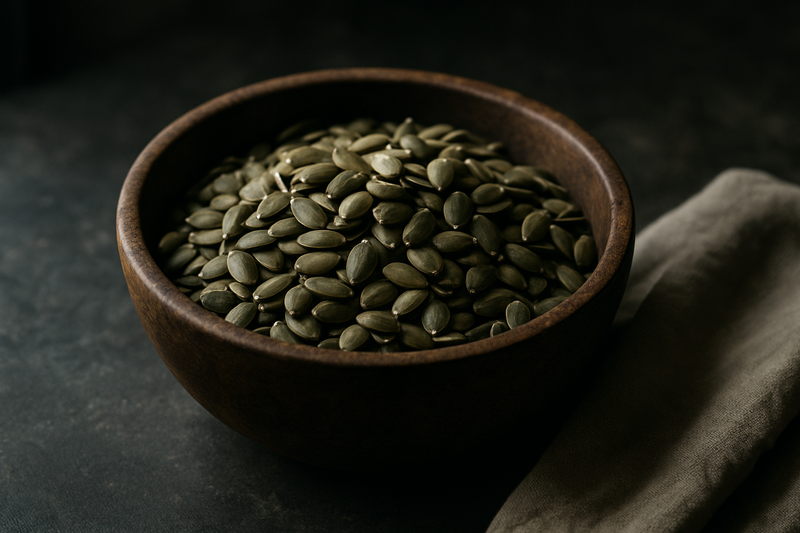
Pumpkin Seed Butter · Photograph
Pumpkin seed butter is exactly what it sounds like: pumpkin seeds (Cucurbita pepo) ground into a thick, smooth spread. It sits in the same family as almond butter and tahini, but it has its own nutritional personality — one that leans hard into minerals like magnesium and zinc, delivers a solid hit of plant protein, and provides mostly unsaturated (heart-friendlier) fat.
Key Nutrients
% Daily Value based on 2,000 cal diet
Key active compounds
- Phytosterols (e.g., beta-sitosterol) — Plant-derived compounds structurally similar to cholesterol; they can modestly reduce how much dietary cholesterol the gut absorbs, which may help cholesterol levels over time.
- Tocopherols (forms of vitamin E) — Fat-soluble antioxidants that protect cell membranes and lipids from oxidative damage.
- Carotenoids (e.g., lutein, small amounts of beta-carotene) — Pigmented antioxidants with roles in eye and skin health; present in modest quantities in pumpkin seeds.
- Phenolic compounds — A broad family of plant metabolites that contribute to the overall antioxidant capacity of the seed.
- Tryptophan — An essential amino acid (meaning the body can't make it; it must come from food) that the body converts to serotonin and melatonin.
Buying guide: what to look for on the label
Finding a good jar is straightforward once you know what to look for.
- Ingredient list: Ideally just pumpkin seeds, or pumpkin seeds + salt. The shorter, the better.
- Added sugar: Aim for 0–1 g of added sugar per serving. Watch for cane sugar, honey, agave, and syrup in the ingredient list.
- Added oils: Some brands thin the butter with palm oil or other vegetable oils. This changes the fat profile and reduces nutrient density relative to the calories.
- Sodium: Around 50–100 mg per serving is reasonable; above 150 mg starts to add up quickly if you're eating multiple servings.
- Organic vs. conventional: Pumpkin seeds are not on the EWG's high-pesticide list, so conventional is generally fine; choose organic if budget allows.
- Sprouted label: Means the seeds were germinated before grinding; a reasonable but not essential upgrade.
Prep and pairing ideas
Pumpkin seed butter has an earthy, slightly savory flavor profile — less sweet than almond butter, more complex than sunflower seed butter. Here are three practical pairings and why they work nutritionally:
1. Pumpkin seed butter + apple slices The butter's protein and fat slow down the absorption of the apple's natural sugars, creating a more gradual blood sugar response. The vitamin C in apple also helps the body absorb the non-heme iron in the butter more efficiently. This is a classic food-synergy win.
2. Pumpkin seed butter + whole grain toast + hemp seeds Layering pumpkin seed butter on whole grain toast gives you fiber-on-fiber plus a complete amino acid profile boost from the hemp seeds. The magnesium in the butter pairs with the B vitamins in the whole grains to support energy metabolism.
3. Pumpkin seed butter stirred into a miso-based noodle sauce The savory, umami depth of miso meets the earthy richness of pumpkin seed butter. This is a classic nut butter substitution in Asian-inspired sauces (think satay-style). The fermented miso adds probiotics (beneficial live bacteria); the seed butter adds healthy fat to help absorb fat-soluble compounds in the dish.
How Pumpkin Seed Butter Compares
| Compared with | What's different |
|---|---|
| Pumpkin Seed Butter vs. Almond Butter | Lower in protein (7g) and magnesium but higher in vitamin E and monounsaturated fats. |
| Pumpkin Seed Butter vs. Sunflower Seed Butter | Lower in zinc and protein (approx 6g) with a more neutral, less earthy flavor profile. |
| Pumpkin Seed Butter vs. Tahini | A thinner texture made from sesame seeds with a more bitter, intensely savory profile. |
Health Benefits
Things to Know
Seed allergy: Pumpkin seed allergy exists and can cause reactions ranging from mild oral itching to serious responses. If you've reacted to seeds before, check with an allergist.
Nut-free, but check manufacturing: Pumpkin seeds are not tree nuts, but many seed butters are made in facilities that also process tree nuts. Cross-contact risk is real — always read the facility statement on the label.
Kidney disease: Pumpkin seed butter is high in phosphorus, potassium, and magnesium. People with moderate to severe chronic kidney disease (CKD) may need to limit intake; speak to a registered dietitian or nephrologist.
Blood pressure medications: Pumpkin seed oil has shown modest blood pressure-lowering effects in some studies. If you take antihypertensive (blood pressure-lowering) drugs and plan to eat large amounts, mention it to your prescriber.
Diabetes medications: The fiber, fat, and magnesium in pumpkin seeds can influence post-meal glucose. This is generally helpful, but if you're on glucose-lowering medications, monitor your blood sugar when making significant dietary changes.
Calorie density: Two tablespoons contain ~190 calories. Easy to over-pour — measure until you have a feel for the portion.
Anticoagulants: Pumpkin seed butter contains small amounts of vitamin E and vitamin K. Dramatic changes in intake from any vitamin K-containing food should be flagged with your clinician if you're on tightly monitored anticoagulation (blood-thinning) therapy.
Pregnancy: The folate and iron in pumpkin seed butter are relevant and beneficial during pregnancy; however, rely on prenatal care and a registered dietitian for overall guidance on specific nutrient needs.

Shop This Ingredient
Stock your pantry with quality pumpkin seed butter.
Buy on AmazonAs an Amazon Associate, Plantopedia earns from qualifying purchases. This costs you nothing extra and helps us keep the encyclopedia free.
Frequently Asked Questions
Heart and circulation Pumpkin seeds are consistently associated with cardiovascular support in the research. Human and animal studies reviewed in the literature show that pumpkin seed oil may help reduce blood pressure and improve cholesterol levels — outcomes driven by the seeds' unsaturated fats, magnesium, phytosterols, and antioxidants. Evidence for the oil and whole seeds is stronger than for the butter specifically, but because the butter delivers the same core nutrients per gram, it likely offers similar support when substituted for spreads higher in saturated fat. Think: swapping butter on toast for pumpkin seed butter. Digestive health and microbiome Pumpkin seed butter contributes about 2.5 g of dietary fiber per serving — fiber that feeds beneficial gut bacteria, supports bowel regularity, and contributes to satiety (the feeling of fullness after eating). The fat and protein in the butter also slow digestion, which can smooth out post-meal energy levels. Direct clinical trials on pumpkin seed butter and digestive outcomes haven't been published; these inferences are based on the known effects of its fiber and fat content. Blood sugar and metabolism The combination of fiber, protein, healthy fat, and magnesium in pumpkin seeds creates a nutritional profile associated with more stable blood sugar responses. In one human study, consuming around 65 g of pumpkin seeds alongside a high-carbohydrate meal led to a lower post-meal blood sugar spike compared to the meal without seeds. Pumpkin seed butter has a similar nutrient composition, so pairing it with carbohydrate-rich foods (toast, oatmeal, fruit) may help blunt glucose spikes — though this has not been tested directly in clinical trials on the butter. Hormones, prostate, and sleep This is a genuinely interesting area. Pumpkin seeds have been studied in men with benign prostatic hyperplasia (BPH) — a non-cancerous enlargement of the prostate gland that affects urination — and some research indicates pumpkin seed preparations can help relieve urinary symptoms. The seed's zinc content supports hormone production, sperm quality, and reproductive health. Meanwhile, tryptophan — an amino acid the body converts into serotonin and then melatonin (the sleep-regulating hormone) — is present in pumpkin seeds and therefore in the butter. Small studies suggest food-sourced tryptophan may support sleep quality. Evidence is stronger for prostate and zinc-related benefits than for sleep specifically; no trials have tested pumpkin seed butter directly for hormonal outcomes. Inflammation and recovery Pumpkin seeds are rich in antioxidants, including vitamin E and phenolic compounds, that help neutralize free radicals — unstable molecules that can damage cells and drive low-grade inflammation. Their fatty acid profile (omega-6 with small amounts of omega-3) also has theoretical anti-inflammatory potential. However, most anti-inflammatory evidence comes from nutrient composition data and animal studies. Human trials measuring inflammatory markers after eating pumpkin seed butter haven't been published yet, so this benefit is promising rather than proven.
Choosing the right jar makes a significant difference in the nutrition you actually get. 100% unsweetened pumpkin seed butter is the gold standard for health-focused use. The ingredient list should read: pumpkin seeds (and optionally: salt). This is the form that most closely reflects the nutritional profile studied in research. Sprouted pumpkin seed butter is made from seeds that have been soaked and germinated before grinding. Proponents suggest sprouting may improve digestibility and nutrient availability — the outer layer softens, which may make minerals slightly easier to absorb. Human data on this specifically are limited, but it's a reasonable option if digestive sensitivity is a concern. Roasted pumpkin seed butter has a deeper, nuttier flavor that works well in savory cooking and sauces. Roasting may slightly reduce some heat-sensitive compounds like certain antioxidants, but the mineral content remains largely intact. Flavored or sweetened varieties (with added sugar, honey, chocolate, or extra oils) are more like a condiment than a health food. Fine occasionally, but read labels if you're using pumpkin seed butter for its nutritional leverage.
General starting point: 1–2 tablespoons (16–32 g) per day is a realistic target for most adults. That range delivers: 4.5–9 g protein 8–16 g fat (mostly unsaturated) 1.25–2.5 g fiber Meaningful amounts of magnesium, zinc, and iron Start low: If you're not used to eating seed butters regularly, start with 1 tablespoon and see how your digestion responds. Some people experience mild bloating when introducing high-fat, high-fiber foods quickly. Research context: Human studies on pumpkin seeds have used a wide range — from about 10 g to 65 g of whole seeds per day — depending on the outcome being studied (blood sugar, urinary symptoms, etc.). The butter form hasn't been directly studied in clinical trials, so these doses provide a rough reference point rather than a prescription. Calorie context: At 95–190 calories for 1–2 tablespoons, pumpkin
Quick Answers
Common questions, answered in a line.
Pumpkin seed butter provides a rich supply of magnesium and zinc, along with plant-based protein and heart-friendlier unsaturated fats. It also contains phytosterols to help manage cholesterol, tocopherols (vitamin E) for cell protection, and tryptophan, which the body converts into serotonin and melatonin.
When buying pumpkin seed butter, look for a short ingredient list containing only pumpkin seeds and possibly a small amount of salt. Avoid products with added palm oils or excessive sugar (aim for 0–1g), and check for sodium levels under 150 mg per serving to maintain nutrient density.
Pumpkin seed butter is not a tree nut, making it a common alternative for those with nut allergies, but you must check the label for cross-contact risks. Many seed butters are processed in facilities that also handle tree nuts, which can pose a risk for highly sensitive individuals.
Eating pumpkin seed butter with apples is a great pairing because the butter's fats and protein slow the absorption of the apple's sugar for better blood sugar control. Additionally, the vitamin C in the apple helps the body more efficiently absorb the non-heme iron found in the seeds.
Individuals with chronic kidney disease (CKD) should consult a doctor before eating pumpkin seed butter due to its high levels of phosphorus, potassium, and magnesium. It may also interact with blood pressure, diabetes, or blood-thinning medications, so medical guidance is recommended for those on these treatments.
Pumpkin seed butter has an earthy, savory flavor that is more complex than sunflower seed butter and less sweet than almond butter. This unique profile makes it an excellent rich, umami addition to savory dishes like miso-based noodle sauces or satay-style dressings.
For Readers in the USA
Local context — sourcing, seasonality, and regional notes.
In the United States, you can find pumpkin seed butter at national grocers like Whole Foods Market, Sprouts Farmers Market, and Trader Joe's, or through specialty online retailers. Many regional health food stores also stock it alongside almond and sunflower seed butters.
Look for the USDA Organic seal on the label to ensure the pumpkin seeds were grown without synthetic pesticides or fertilizers, as regulated by the National Organic Program. While conventional options are common, the USDA organic certification provides a verified standard for many health-conscious US consumers.
While pumpkins are harvested across the US in the fall, pumpkin seed butter is a shelf-stable product available year-round at most American supermarkets. The seeds used for commercial butters often come from various US growing regions, such as the Midwest and Pacific Northwest, ensuring a constant supply regardless of the season.
While primarily eaten as a spread, pumpkin seed butter is increasingly used in American kitchens as a nut-free alternative for school lunches and as a base for savory "Pepita" dressings. It is also a popular ingredient in the US "Paleo" and "Keto" diet communities due to its low carbohydrate and high mineral content.
AI Clinical Review
- Clear on what pumpkin seed butter is and why its nutrient profile mirrors whole seeds when made from 100% pumpkin seeds; highlights meaningful magnesium, zinc, iron, and plant protein.
- Accurately frames cardiometabolic benefits as coming largely from studies on pumpkin seeds or pumpkin seed oil (blood pressure, lipids), with reasonable inference to the butter when it replaces higher‑saturated‑fat spreads.
- Sensibly explains blood‑sugar steadiness from the combo of fiber, fat, protein, and magnesium; cites human data on seeds with high‑carb meals and applies the logic to the butter form.
- Offers practical label guidance (unsweetened, no added oils/sugars) and realistic intake of about 1–2 tablespoons per day.
- Direct clinical trials on pumpkin seed butter itself are limited; most findings are extrapolated from whole seeds or oil. Effect sizes for the butter may differ in practice.
- Claims around inflammation, antioxidant effects, and microbiome impacts are mostly based on nutrient composition, mechanistic data, or animal studies rather than human trials with the butter.
- Sleep support via tryptophan is biologically plausible but evidence in free‑living adults is small and context‑dependent (overall protein pattern, timing, and carbohydrate pairing matter).
- Iron and zinc are present, but absorption of non‑heme iron and zinc from seeds varies due to phytates; real‑world improvements depend on meal context (e.g., vitamin C for iron).
- Serving size: 1–2 tablespoons (about 16–32 g) is a practical daily range that delivers minerals and protein but remains calorie‑aware; portioning helps prevent unintentional overconsumption.
- Form matters: choose 100% pumpkin seed butter (optionally salted). Roasted versions trade a nuttier flavor for minor heat‑sensitive nutrient losses; sprouted versions may aid digestibility, but human data are limited. Sweetened/flavored jars shift the health profile.
- Safety/cautions: possible seed allergy and cross‑contact with tree nuts; people with moderate‑to‑severe chronic kidney disease should be cautious due to potassium, phosphorus, and magnesium; those on antihypertensives, diabetes medications, or warfarin/other anticoagulants should monitor and discuss changes with a clinician.
- Practical absorption tips: pairing with vitamin C–rich foods can enhance non‑heme iron uptake; spreading intake across meals and including varied protein sources supports overall micronutrient adequacy.
Mention allergy context where appropriate; keep serving size realistic.
References
- PMC, National Library of Medicine — Plant based butters (pmc.ncbi.nlm.nih.gov)
- PMC, National Library of Medicine — Pumpkin Seed Oil: An Alternative Medicine (pmc.ncbi.nlm.nih.gov)
- PMC, National Library of Medicine — Chemical and Nutritional Characterization of Seed Oil from Cucurbita maxima L. (var. Berrettina) Pumpkin (pmc.ncbi.nlm.nih.gov)
- PubMed — The potential of pumpkin seed oil as a functional food-A comprehensive review of chemical composition, health benefits, and safety (pubmed.ncbi.nlm.nih.gov)
- USDA FoodData Central — USDA FoodData Central (fdc.nal.usda.gov)
Know Your Numbers
Eating healthy is a start. Now get to know your biomarkers.
Food changes bloodwork — inflammation, lipids, blood sugar and nutrient status all respond to what you eat. 59 markers from $59.
- Results in 7–10 days at 2,000+ Quest sites
- Licensed provider reviews every result
- One flat price, no membership, HSA/FSA eligible
Educational information only, not medical advice. Panels are ordered and reviewed through our licensed partner; Plantopedia may earn a commission.