Hemp Seed Hearts — health benefits and uses
Hemp seed has been a nourishing food across Asia for millennia, distinct from psychoactive cannabis.
The Short Answer
Hemp seed hearts provide 9.5 grams of complete protein and 195 mg of magnesium in just three tablespoons. They are rich in omega-3 and omega-6 fatty acids, supporting heart health and reducing inflammation.
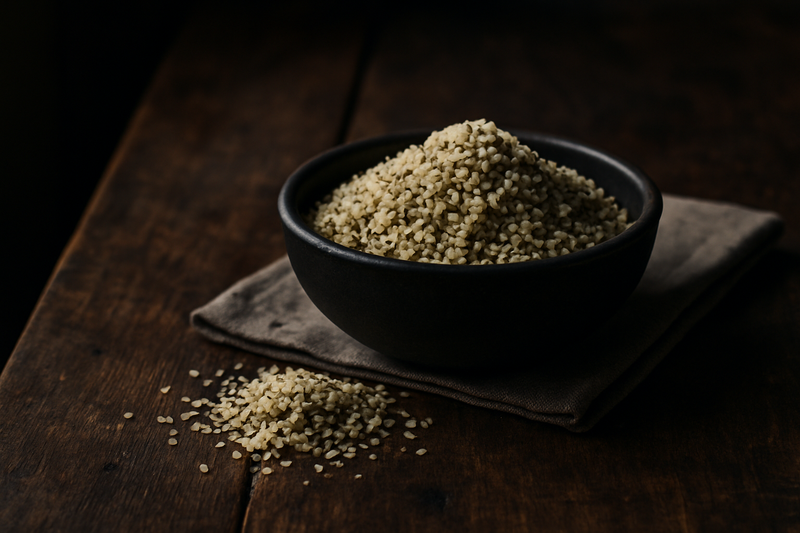
Hemp Seed Hearts · Photograph
Discover hemp hearts nutrition and health benefits in one practical guide. Learn how these soft, hulled hemp seeds deliver complete plant protein, omega-3 and omega-6 fatty acids, and key minerals like magnesium — plus how to use them on oatmeal, salads, and smoothies every day.
Key Nutrients
% Daily Value based on 2,000 cal diet
Key active compounds
- Alpha-linolenic acid (ALA) — A plant-derived omega-3 polyunsaturated fatty acid (PUFA) that your body uses as a starting point to make longer-chain omega-3s; linked to heart and anti-inflammatory benefits.
- Linoleic acid (LA) — The most common omega-6 PUFA; essential for cell membranes, skin integrity, and hormone-like signalling molecules called eicosanoids.
- Gamma-linolenic acid (GLA) — A bioactive omega-6 fatty acid made from linoleic acid; mechanistically linked to anti-inflammatory pathways, though human trial data for hemp hearts specifically are still limited.
- Stearidonic acid (SDA) — An intermediate omega-3 that the body can convert more efficiently toward the anti-inflammatory EPA-like metabolites than it can from ALA alone.
- Plant sterols — Cholesterol-like molecules in plant foods that compete with dietary cholesterol for absorption; may contribute modestly to healthy LDL levels.
- Tocopherols (Vitamin E family) — Fat-soluble antioxidants that protect the seed's own unsaturated fats from oxidising, and do the same job in your cell membranes.
Prep and pairing ideas
Hemp hearts need no cooking, which makes them one of the easiest whole foods to use daily. Here are the most practical approaches:
On oatmeal: Stir 2–3 tablespoons into cooked oats just before serving. The heat softens them slightly, they blend into the texture, and the protein-fat combination keeps you full longer than oats alone.
In smoothies: Blend 2 tablespoons directly into your smoothie — no soaking required. They disappear into the liquid and add a creamy body along with the protein boost.
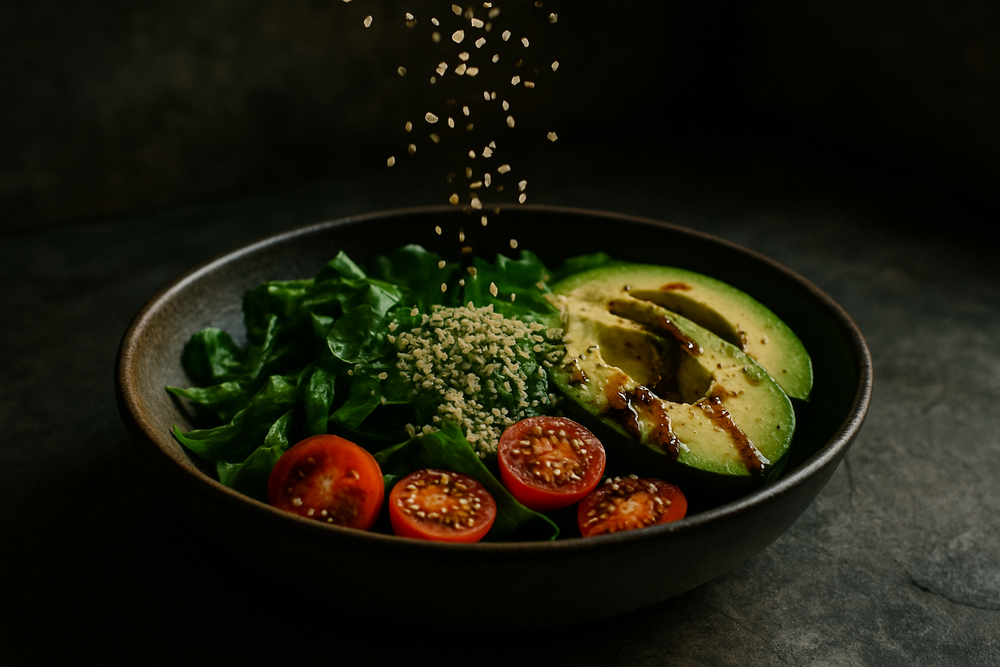
On salads: Use hemp hearts as you would sunflower seeds or croutons — scatter 2 tablespoons over a leafy green salad. They add a pleasant bite and pair well with lemon-tahini or miso dressings.
In sauces and spreads: Blend hemp hearts with lemon juice, garlic, water, and nutritional yeast for a quick, nut-free "parmesan" or creamy pasta sauce. Their neutral fat content creates a smooth, rich texture.
With yoghurt or chia pudding: Layer hemp hearts over coconut yoghurt or a chia seed pudding for a protein-and-fat combination that turns a light snack into a sustaining one.
Bottom line
Hemp hearts are a genuinely useful whole food that earns its place in a plant-based diet. In a single three-tablespoon serving, you get roughly 10 g of complete plant protein, nearly half your daily magnesium, and a package of anti-inflammatory polyunsaturated fats — including the somewhat rare GLA and SDA — without any cooking. The evidence for heart and metabolic health is building, particularly when hemp hearts are part of an overall healthy dietary pattern, though large long-term outcome trials are still limited.
The main watch-outs are their calorie density (easy to over-pour) and their modest fibre content (they're not a high-fibre food despite being a seed). Use them as a nutrient-dense addition to an already varied, fibre-rich, whole-food diet rather than as a single solution to any health goal. They are safe for most people as an everyday food, and their versatility makes consistency easy.
If you're exploring ways to build a diet around whole-plant foods that support long-term energy and vitality, the Plantopedia goals hub is a good starting point: Explore goals and food strategies →
How Hemp Seed Hearts Compares
| Compared with | What's different |
|---|---|
| Hemp Seed Hearts vs. Chia Seeds | Hemp hearts have more protein (9.5g vs 5g) and a softer, nuttier texture than chia. |
| Hemp Seed Hearts vs. Flax Seeds | Hemp is a complete protein source, while flax is primarily valued for its higher fiber content. |
Health Benefits
Things to Know
Calorie density: At ~166 kcal per 3 tablespoons, hemp hearts add up quickly. Four tablespoons is over 220 kcal from fat and protein alone — plan them into your daily intake rather than adding them on top of everything.
High fat content: Most of the fat is healthful unsaturated fat, but people with hypertriglyceridaemia (high blood triglycerides), fat malabsorption disorders, pancreatitis, or gallbladder disease should introduce hemp hearts gradually and discuss portions with a clinician.
GI adjustment: Some people experience bloating or loose stools when they add hemp hearts suddenly in large amounts. Start with 1 tablespoon and build up over a week or two.
Seed and nut allergies: Rare allergic reactions to hemp seeds have been reported. If you have a history of seed or nut allergy, introduce a small amount first.
Anticoagulant medications: (e.g., warfarin, direct oral anticoagulants): Large increases in omega-3-rich foods theoretically affect bleeding risk. Food-level amounts are unlikely to cause clinically significant effects, but inform your prescriber if you make substantial dietary changes.
Diabetes medications: Hemp hearts can modestly lower a meal's glycaemic response; this is generally supportive of diabetes management but should be factored into your overall nutrition plan.
Kidney disease: Hemp hearts are high in phosphorus (~450 mg per serving), potassium, and magnesium — minerals that people with chronic kidney disease (CKD) may need to restrict. Follow your dietitian's guidance.
Pregnancy: Hemp hearts are nutritionally dense and low in THC (essentially none in commercial hulled seeds), but pregnant people should discuss any new supplement or concentrated food with their midwife or OB before adding it regularly.
No psychoactive effect: Commercial hemp hearts undergo processing that leaves negligible THC — far below any amount capable of causing a psychoactive effect or (in most contexts) a positive drug test at food-serving quantities.
Shop This Ingredient
Stock your pantry with quality hemp seed hearts.
Buy on AmazonAs an Amazon Associate, Plantopedia earns from qualifying purchases. This costs you nothing extra and helps us keep the encyclopedia free.
Frequently Asked Questions
Heart and circulation Hemp hearts are rich in polyunsaturated fats (PUFAs), particularly ALA, LA, GLA, and SDA, all of which have been shown in research to favourably influence blood fatty acid patterns associated with cardiovascular health. A controlled human study found that hemp product consumption changed plasma and red blood cell fatty acid composition in line with their PUFA content — though it did not significantly shift major cardiometabolic risk markers (like LDL or total cholesterol) over the study period alone. A separate clinical trial combining hemp seed intake with aerobic exercise in adults with obesity reported improvements in lipid profile, anthropometric measurements, and markers of oxidative stress — suggesting hemp hearts may play a supportive role when combined with other heart-healthy habits. The key framing here: hemp hearts are best understood as a heart-supportive whole food within an overall healthy diet, not a standalone treatment for cardiovascular disease. Digestive health and microbiome Here, hemp hearts have a limitation worth knowing: hulling removes the fibrous outer shell, so they provide only about 1–2 g of dietary fibre per serving. That's modest compared to whole hemp seeds, chia seeds, or flaxseeds. There are no clinical trials specifically showing that hemp hearts improve gut microbiome diversity, relieve constipation, or benefit irritable bowel syndrome. What they do offer digestively is their combination of healthy fats and protein, which slow gastric emptying (the rate at which your stomach empties food into the small intestine) and promote satiety. If digestive fibre is your goal, pair hemp hearts with oats, fruit, or legumes rather than relying on them as a fibre source alone. Blood sugar and metabolism Hemp hearts are very low in carbohydrates (2.6 g per serving), and their protein-fat combination slows the rise in blood glucose that occurs after a carbohydrate-rich meal — a concept sometimes called blunting the glycaemic (blood sugar) response. The clinical trial in adults with obesity mentioned above also reported improvements in insulin resistance (the body's reduced ability to respond to the hormone insulin) when hemp seed intake was combined with aerobic exercise, which is promising for metabolic health. Direct trials measuring post-meal blood glucose or long-term HbA1c (a three-month blood sugar average) after consuming hemp hearts alone are still lacking, so these effects should be framed as supportive rather than therapeutic. Hemp hearts can be a useful low-carb, nutrient-dense topping for people managing blood sugar, as long as total calories are considered. Hormones and cycle health Hemp hearts contain magnesium, zinc, iron, and essential fatty acids — all nutrients involved in hormone synthesis, insulin signalling, and stress-response pathways. The same trial that found improved insulin resistance also indirectly suggests a role in metabolic hormone regulation. However, direct clinical research linking hemp heart intake to specific hormonal outcomes — sex hormones, thyroid function, cortisol, PMS, or menopause symptom relief — is essentially absent. The most honest positioning: hemp hearts contribute key micronutrients that support general metabolic and neuroendocrine health as part of a varied diet. Stronger claims about hormonal effects are not yet supported by robust human evidence. Inflammation and recovery GLA and SDA — two fatty acids that are relatively rare in the food supply and both present in hemp hearts — are mechanistically linked to anti-inflammatory signalling pathways in cell and animal studies. Human data are more limited; existing trials have measured shifts in fatty acid patterns and oxidative stress markers rather than clinical inflammatory outcomes like joint swelling or C-reactive protein (a blood marker of inflammation). Hemp hearts can reasonably be described as a source of anti-inflammatory omega-3 and omega-6 fats within a whole-food diet, but strong therapeutic claims for conditions such as arthritis, autoimmune disease, or chronic pain are not currently backed by high-quality human trials using hemp hearts specifically.
| Form | What it offers | Best used for | | --- | --- | --- | | Hemp hearts (hulled) | Complete protein, PUFAs, minerals, mild flavour, no cooking needed | Raw toppings, smoothies, salads, sauces | | Whole hemp seeds | Everything above plus more dietary fibre from the hull | When fibre is a priority; less soft texture | | Hemp seed oil | High PUFA content; no protein, minimal minerals | Salad dressings, drizzling after cooking | | Hemp protein powder | Concentrated protein; retains some fibre | Shakes, baking, higher-protein needs | For most people eating a whole-food plant-based diet, raw hemp hearts offer the best balance of convenience, flavour, and whole-food nutrition. Hemp seed oil is a useful culinary oil but is a very different nutritional product — it lacks the protein and minerals that make hemp hearts stand out.
The plant-based athlete or active person Needs calorie-dense whole-food protein that doesn't require cooking or preparation time. Wants all nine essential amino acids to support muscle repair after training. Can use hemp hearts as a quick post-workout addition to a smoothie or recovery bowl. The time-pressed person switching to a whole-food plant-based diet Looking for a "set it and forget it" protein source that works on everything from oatmeal to pasta. Benefits from the magnesium and zinc content, which are often under-consumed when animal products are removed. Appreciates that hemp hearts require zero prep and have a long shelf life.
Most nutrition guidance and product labels use 3 tablespoons (about 30 g) as a standard serving. Research diets and consumer guidance suggest a practical range of 1–4 tablespoons (10–40 g) per day, depending on your goals: 1 tablespoon (55 kcal, 3 g protein): A light, daily micronutrient contribution — good for weight-conscious individuals who still want the benefits. 2–3 tablespoons (110–166 kcal, 6–10 g protein): The most commonly recommended amount; adds a meaningful protein and healthy-fat contribution to one or two meals without dominating your calorie budget. 3–4 tablespoons (166–220 kcal, 10–13 g protein): Appropriate for athletes, people with high caloric needs, or those using hemp hearts as a primary plant protein source in a meal. Start low if you're new to them. Begin with 1 tablespoon daily for the first week to let your digestive system adjust to the increased fat content. There is no established therapeutic upper limit for hemp hearts as a food; practical limits are set by your total calorie and fat targets. If you are on a medically supervised diet (kidney disease, specific cholesterol-lowering protocol, calorie-restricted plan), confirm appropriate portions with your healthcare team.
Quick Answers
Common questions, answered in a line.
Hemp hearts provide roughly 10 grams of complete plant protein in a single three-tablespoon serving. They are a valuable whole-food source for those on plant-based diets because they contain all essential amino acids along with anti-inflammatory polyunsaturated fats.
You can use hemp hearts by stirring them into oatmeal, blending them into smoothies, or scattering them over leafy green salads. They require no cooking or soaking, making them a versatile addition to yogurt, chia pudding, or nut-free pasta sauces.
Hemp hearts are rich in magnesium, providing nearly half of your recommended daily intake in just three tablespoons. They also contain essential minerals like phosphorus and potassium, as well as Vitamin E (tocopherols) which acts as a fat-soluble antioxidant.
Hemp hearts contain alpha-linolenic acid (ALA), stearidonic acid (SDA), linoleic acid (LA), and gamma-linolenic acid (GLA). This unique combination of omega-3 and omega-6 polyunsaturated fatty acids supports heart health and provides anti-inflammatory benefits.
No, commercial hemp hearts contain negligible THC and will not cause a psychoactive effect. The processing of hulled seeds ensures that THC levels remain far below amounts that would typically impact a drug test or cause impairment at food-serving quantities.
People with chronic kidney disease (CKD) should consult a dietitian before eating hemp hearts due to their high phosphorus, potassium, and magnesium content. Additionally, those on anticoagulant medications or managing gallbladder disease should introduce them gradually.
Hemp hearts may cause bloating or loose stools if you add large amounts to your diet too quickly. To avoid gastrointestinal discomfort, it is recommended to start with one tablespoon and gradually increase your intake over a week or two.
For Readers in the USA
Local context — sourcing, seasonality, and regional notes.
You can find hemp hearts at major US retailers like Costco, Whole Foods Market, Kroger, and Walmart, typically in the baking or natural foods aisle. They are also widely available at local health food stores and through online retailers like Amazon and Thrive Market.
While hemp was legalized nationally by the 2018 Farm Bill, the largest production regions in the US include Montana, Colorado, Kentucky, and Oregon. Many hemp hearts sold in the US are also imported from Canada, which has a long-established hemp agricultural industry.
Yes, the FDA has granted hemp hearts a "Generally Recognized as Safe" (GRAS) status, and those with the USDA Organic seal ensure they were grown without synthetic pesticides. The USDA seal is particularly popular for hemp products to ensure strict adherence to federal THC limit regulations.
In the US, hemp hearts are a year-round staple available at most farmers markets and grocery stores because the seeds are dried and shelf-stable after harvest. Most domestic hemp is harvested in late summer and early autumn, but processing allows for consistent availability throughout the year.
AI Clinical Review
- Clear on what hemp hearts are (hulled seeds) and why they’re convenient: ready-to-eat, mild taste, and versatile.
- Solid nutrition snapshot: a 3-tbsp (~30 g) serving provides about 9–10 g protein, ~14–15 g unsaturated fat, and a substantial magnesium dose, with very little carbohydrate.
- Appropriately frames heart and metabolic benefits as supportive within a healthy diet, not a stand‑alone treatment; notes negligible THC in commercial products.
- Highlights an important limitation: once hulled, fibre is modest, so pair with higher‑fibre foods if digestive or cholesterol benefits are the goal.
- “Complete protein” is accurate (all nine essential amino acids are present), but hemp’s lysine is relatively lower than soy or legumes; total protein quality per serving may be modest compared with animal proteins—complementary plant proteins still help.
- Human trials on cardiovascular and inflammatory outcomes are small and short; shifts in blood fatty acids don’t always translate into changes in LDL cholesterol, blood pressure, or hard outcomes.
- Data on post‑meal glucose, HbA1c, or microbiome changes with hemp hearts alone are limited; improvements reported alongside exercise or broader diet changes can’t be attributed solely to hemp.
- Practical intake: 1–3 tbsp daily works for most; 3 tbsp is ~166 kcal, ~9–10 g protein, ~195 mg magnesium, and ~450 mg phosphorus—helpful, but calories and minerals add up.
- Kidney disease: the phosphorus, potassium, and magnesium content can be high for some CKD patients—confirm portions with a renal dietitian.
- High‑fat foods can aggravate gallbladder, pancreatitis, or fat‑malabsorption conditions; start small. Rare seed allergies occur. If you use anticoagulants or have diabetes on medication, mention any sustained intake change to your clinician.
- Form matters: hearts give protein, minerals, and fats; oil provides fats but no protein/minerals; protein powders concentrate protein and some fibre—choose based on your goal.
Contains negligible THC and is safe as food; very high fat content is calorie-dense.
References
- USDA FoodData Central — hulled hemp seeds nutrition data (fdc.nal.usda.gov)
- USDA MyPlate — protein foods group guidance including seeds (myplate.gov)
- Human RCT: hemp seed + aerobic exercise, lipid profile and insulin resistance outcomes (pubmed.ncbi.nlm.nih.gov)
- Human controlled study: hemp product consumption and blood fatty acid composition (pubs.rsc.org)
- WebMD overview of hemp seed health benefits and safety (webmd.com)
- Livestrong — hemp hearts nutrition benefits review (livestrong.com)
- Inlivo — hemp hearts raw shelled seeds nutrition facts (inlivo.com)
- Nordic Hemp — overview of hemp heart composition and health properties (nordichemp.ee)
- Manitoba Harvest — product nutrition label for 3 tbsp serving of hemp hearts (manitobaharvest.com)
Know Your Numbers
Eating healthy is a start. Now get to know your biomarkers.
Food changes bloodwork — inflammation, lipids, blood sugar and nutrient status all respond to what you eat. 59 markers from $59.
- Results in 7–10 days at 2,000+ Quest sites
- Licensed provider reviews every result
- One flat price, no membership, HSA/FSA eligible
Educational information only, not medical advice. Panels are ordered and reviewed through our licensed partner; Plantopedia may earn a commission.