Hemp Seed Butter — health benefits and uses
Hemp seeds long used as a nourishing food across Asia.
The Short Answer
Hemp seed butter is a nutrient-dense spread providing 9g of complete plant protein and 120mg of magnesium per 2-tablespoon serving. It is prized for its ideal balance of omega-3 and omega-6 fatty acids, including rare gamma-linolenic acid (GLA).
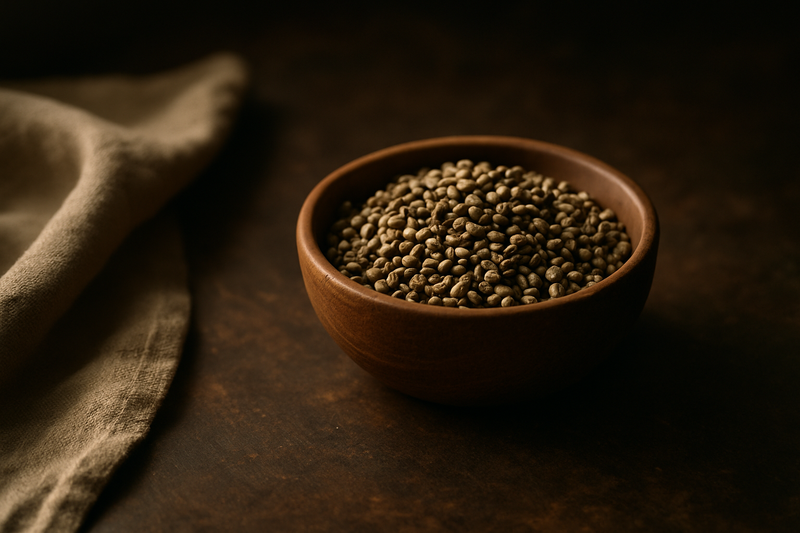
Hemp Seed Butter · Photograph
Discover hemp seed butter benefits and side effects in this evidence-aligned guide. Learn about its omega-3 and omega-6 balance, complete plant protein, heart health research, digestion support, and safe daily serving sizes for a whole food plant-based diet.
Key Nutrients
% Daily Value based on 2,000 cal diet
Key Active Compounds in Hemp Seed Butter
- Alpha-linolenic acid (ALA): A plant-based omega-3 essential fatty acid (meaning your body cannot make it — you must eat it). ALA serves as a building block for longer-chain omega-3s and helps modulate cell membrane fluidity and inflammation.
- Linoleic acid (LA): The primary omega-6 fat in hemp seeds; supports skin barrier integrity, cell membrane structure, and inflammatory signaling when kept in balance with omega-3s.
- Gamma-linolenic acid (GLA): A less common omega-6 fatty acid that is a precursor to anti-inflammatory eicosanoids (hormone-like signaling molecules). GLA is found in evening primrose oil and borage oil, but hemp is one of the few common foods that supplies it.
- Phytosterols: Plant-derived compounds structurally similar to cholesterol that compete with cholesterol absorption in the gut, modestly supporting healthy blood cholesterol levels.
- Tocopherols: Vitamin E compounds that act as antioxidants, protecting the butter's delicate fats from oxidation both in the jar and inside your body.
- Polyphenols and other antioxidants: Various phenolic compounds that help neutralize free radicals; most evidence for these is from lab and animal studies.
Buying Guide: How to Choose a Good Hemp Seed Butter
Raw vs. roasted: Raw hemp seed butter is made from untoasted seeds and tends to preserve more heat-sensitive compounds and delicate omega-3 fats. It usually has a greener color and grassier flavor. Roasted versions are milder but may have slightly reduced nutrient integrity at the margins.
Ingredients label tips:
- Look for a single-ingredient product: "hemp seeds" or "hulled hemp seeds."
- Avoid added refined oils, excessive salt, or sweeteners unless you specifically want them.
- "Organic" or "non-GMO" certifications signal cleaner sourcing.
- Check the packaging date — fresher is better given the fat oxidation risk.
Jar size: Buy smaller jars if you use it occasionally; the oils oxidize once the jar is opened, even in the fridge.
Blended hemp butters: Hemp-sunflower blends are popular, but the nutrient profile shifts. Compare labels if the omega balance matters to you.
Prep and Pairing Ideas
Hemp seed butter's mild, grassy flavor pairs well with ingredients that can either complement or mellow it. Here are three practical pairings:
1. Hemp seed butter + banana + oats (breakfast bowl) The natural sweetness of ripe banana balances hemp's earthiness. Stir a tablespoon into warm oats, slice half a banana on top, and you have a breakfast with complete protein, slow-release carbohydrates, and omega-3s. The banana's potassium rounds out the mineral profile.
2. Hemp seed butter + miso + rice vinegar (savory dressing) Whisk together one tablespoon hemp seed butter, one teaspoon white miso, one teaspoon rice vinegar, and enough water to thin. The umami (savory depth) from miso bridges hemp's grassy notes beautifully. Use over noodles, steamed broccoli, or grain bowls. Miso also adds probiotics; hemp adds the fat to help absorb fat-soluble nutrients.
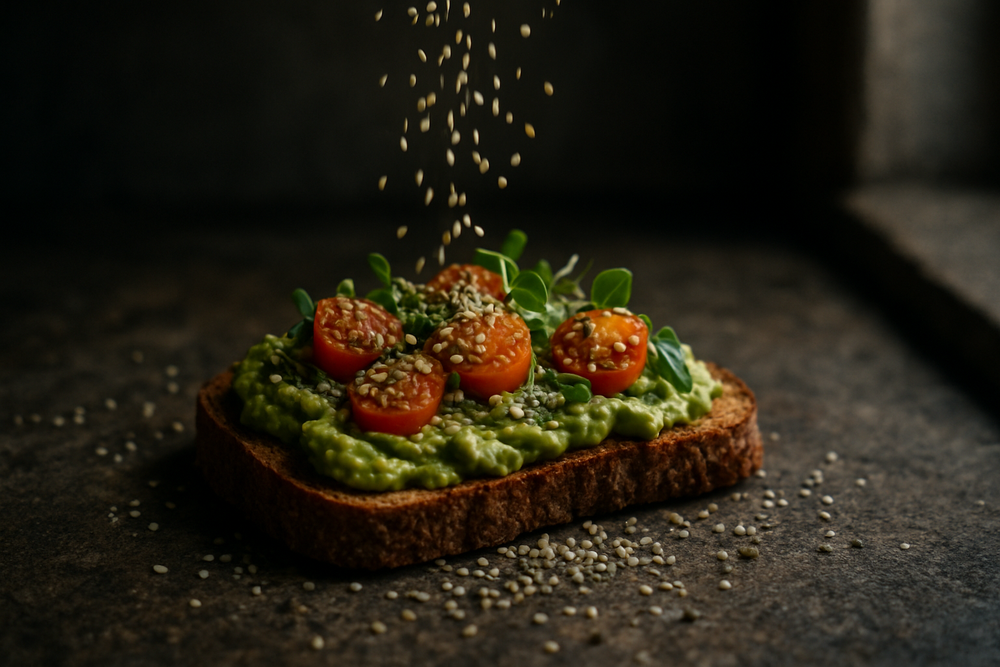
3. Hemp seed butter + dark berries + lemon zest (toast spread) Spread hemp seed butter on whole-grain toast and top with blueberries or sliced strawberries and a pinch of lemon zest. Berries add polyphenols (plant antioxidants) and vitamin C; lemon zest enhances flavor and may slightly boost iron absorption from the hemp seeds.
General use ideas: smoothie boost, pasta sauce thickener, dip base for crudités, stirred into soups off-heat, or used as a peanut-butter swap in energy balls.
Bottom Line
Hemp seed butter is one of the most nutritionally complete seed spreads available: it delivers complete plant protein, a favorable omega-6 to omega-3 ratio, meaningful magnesium, iron, and zinc, and dietary fiber — all in a format that works as a spread, sauce base, or smoothie add-in. The research is promising but still maturing; most human evidence comes from whole hemp seeds and hemp seed oil rather than butter specifically, and most cardiovascular and inflammatory benefits are supported by surrogate markers rather than hard clinical outcomes.
For someone eating a whole-food plant-based diet, hemp seed butter is a genuinely useful pantry staple — not a superfood that will transform your health on its own, but a practical, nutrient-dense addition to an already balanced eating pattern. Store it in the fridge, use 1–2 tablespoons per day, and pair it with foods that complement its flavor profile.
Looking to match ingredients to your health goals? Browse Plantopedia Goals to find evidence-aligned food strategies organized by what you're working toward.
How Hemp Seed Butter Compares
| Compared with | What's different |
|---|---|
| Hemp Seed Butter vs. Tahini | Hemp butter has nearly double the protein and contains anti-inflammatory GLA. |
| Hemp Seed Butter vs. Sunflower Seed Butter | Hemp is a complete plant protein and has a grassier, earthier flavor profile. |
| Hemp Seed Butter vs. Peanut Butter | Hemp seeds provide a much higher ratio of omega-3 to omega-6 fatty acids. |
Health Benefits
Things to Know
Calories add up fast.: Hemp seed butter has roughly 90 calories per tablespoon. Two tablespoons is a reasonable serving; going much further without accounting for it can unintentionally push daily calories high.
Hemp allergy is possible.: If you have a known sensitivity to cannabis-family plants or have had reactions to other seeds, introduce hemp seed butter cautiously.
Fat malabsorption conditions: (gallbladder disease, exocrine pancreatic insufficiency) may make high-fat spreads poorly tolerated regardless of fat quality.
IBS and sensitive digestion: The combined fat and fiber load can cause bloating, loose stools, or cramping in people with irritable bowel syndrome, especially at larger servings. Start with one teaspoon.
Blood-thinning medications (anticoagulants/antiplatelets like warfarin): Very high intakes of polyunsaturated fatty acids can theoretically influence platelet aggregation. Normal culinary amounts are unlikely to matter, but discuss any large dietary fat changes with your prescriber.
Blood pressure medications: Potential mild blood-pressure-lowering effects of a high-unsaturated-fat diet are generally favorable but worth flagging to your clinician if you're on antihypertensives.
Pregnancy and breastfeeding: Hemp seed butter is a nutritious whole food and not generally contraindicated, but as with all novel dietary additions during pregnancy, discuss with your midwife or OB-GYN.
THC content: Food-grade industrial hemp seed butter contains only trace THC levels — far below psychoactive thresholds and well within regulatory limits in most countries. However, some sensitive drug tests may flag very high hemp seed consumption; check with your employer or athlete organization if this applies.
Shop This Ingredient
Stock your pantry with quality hemp seed butter.
Buy on AmazonAs an Amazon Associate, Plantopedia earns from qualifying purchases. This costs you nothing extra and helps us keep the encyclopedia free.
Frequently Asked Questions
Research on hemp seed butter specifically is still thin; most human data comes from studies on whole hemp seeds and hemp seed oil. Because butter is simply ground whole seeds, it is reasonable to expect similar properties, but direct clinical trials are lacking. Here is what the current evidence suggests. Heart and Circulation A four-week human study found that daily consumption of hulled hemp seed and hemp seed oil significantly increased beneficial fatty acids — including ALA, GLA, DGLA, and EPA — in blood plasma and red blood cell membranes without negatively affecting blood lipids, blood pressure, arterial stiffness, or body composition. This suggests hemp seed products can meaningfully improve your fatty acid status with no apparent short-term cardiovascular downside. Narrative reviews also highlight hemp seeds' arginine content (an amino acid the body uses to make nitric oxide, which relaxes blood vessels) and phytosterols as potential contributors to cardiovascular support. That said, these are surrogate markers (measurable risk indicators) not hard outcomes like heart attack rates, and human trial evidence remains limited. Evidence level: Emerging — promising signals from small human trials and mechanistic reviews, but not yet supported by large clinical outcome studies. Digestive Health and Microbiome Hemp seed butter in whole-seed form is a fiber source — roughly 3 g per two-tablespoon serving. Dietary fiber feeds beneficial gut bacteria (a process called fermentation), supports stool bulk and regularity, and may help maintain the gut lining. Adding hemp seed butter in place of low-fiber spreads (like refined seed oils or margarine) is a practical way to increase daily fiber without a dramatic diet overhaul. No clinical trials have tested hemp seed butter as a dedicated gut health intervention, so benefits in this area are extrapolated from general fiber science and the overall composition of the food. Evidence level: Moderate for fiber's role in digestion; specific hemp seed butter trials are absent. Blood Sugar and Metabolism Hemp seed butter is very low in digestible carbohydrates (net carbs around 1–2 g per serving after fiber), high in protein, and rich in healthy fats. This macronutrient profile typically blunts post-meal blood sugar spikes when used to replace refined carbohydrate-heavy spreads like jam or white-flour products. Reviews also suggest that the combined effects of unsaturated fats, arginine, and fiber on insulin signaling may provide indirect metabolic benefits. Direct clinical trials measuring blood sugar outcomes from hemp seed butter are sparse. People managing diabetes should account for its caloric density and monitor how it fits into their total dietary pattern. Evidence level: Emerging — mechanistic reasoning and indirect extrapolation from seed and nut research; no dedicated human glycemic trials. Hemp Seed Butter for Inflammation and Skin Health GLA — hemp seed butter's distinctive omega-6 fatty acid — is a precursor to anti-inflammatory eicosanoids. Human studies using hemp seed oil have shown modest improvements in inflammatory markers and clinical symptoms in atopic dermatitis (eczema), a chronic inflammatory skin condition. These effects are attributed to GLA and the broader polyunsaturated fat profile. Hemp seed butter retains these fatty acids in a whole-food matrix, so similar effects are plausible, but butter-specific trials have not been conducted. Animal models show reductions in oxidative stress and inflammatory markers with hemp supplementation, though doses in animal studies are often higher relative to body weight than typical human servings. Evidence level: Emerging — limited human evidence via hempseed oil; direct clinical trials on hemp seed butter are needed. Hormones and Cycle Health GLA serves as a precursor for prostaglandins and other signaling molecules involved in hormonal and inflammatory regulation. Small studies with other GLA-rich oils (evening primrose, borage) suggest potential for cyclical discomfort and inflammatory conditions. Hemp seed butter's GLA content makes it a theoretically relevant food in this area. However, hemp seed butter has not been studied directly for hormonal outcomes, so claims here are speculative. Evidence level: Theoretical — keep expectations conservative until targeted trials are done.
| Form | What it provides | Best for | | --- | --- | --- | | Hemp seed butter | Protein + fat + fiber, spreadable | Versatile use, complete nutrition in one format | | Hemp hearts (hulled seeds) | Protein + fat, no tough outer hull | Sprinkling on salads, smoothies, yogurt | | Hemp seed oil | Fat only, concentrated essential fatty acids | High-fat cooking, dressings (low-heat only) | Hemp seed butter is essentially hemp hearts (seeds with the outer shell removed or blended in) processed into a paste. If you want everything in one ingredient — omega-3s, complete protein, fiber, and minerals — butter is the most convenient whole-food format. If you only want to boost fatty acid intake, oil is more concentrated. If you prefer a lighter texture, hemp hearts scatter easily onto meals. For cooking, note that all three forms are sensitive to high heat because their polyunsaturated fats degrade quickly. Hemp seed butter is best used cold or in low-heat applications.
There is no established official recommended dose for hemp seed butter. Human studies with hemp seeds and hemp seed oil have typically used daily amounts equivalent to moderate food portions — in the range that translates to roughly 1–2 tablespoons (15–30 g) of butter per day, sustained over several weeks. Practical guidance: Starting point: Begin with 1 teaspoon per day if you have a sensitive digestive system or are new to seed butters. Maintenance range: 1–2 tablespoons (15–30 g) daily fits easily into most diets and aligns with portions used in research. Upper limit: There is no firm ceiling, but beyond 2–3 tablespoons, the caloric contribution becomes significant (270+ calories) and is harder to fit into a balanced diet without displacing other foods. Timing: No evidence favors a specific time of day. Use it when it naturally fits your meals. Start low if: You have IBS, a sensitive gut, or are managing weight closely.
Quick Answers
Common questions, answered in a line.
Hemp seed butter is unique because it is one of the few common foods that contains Gamma-linolenic acid (GLA). It also provides a balanced ratio of omega-6 to omega-3 fatty acids, complete plant protein, and essential minerals like magnesium, iron, and zinc.
Raw hemp seed butter is made from untoasted seeds to better preserve heat-sensitive compounds and delicate omega-3 fats. It typically features a greener color and a more pronounced grassy flavor compared to roasted versions, which are milder but may have slightly lower nutrient integrity.
Hemp seed butter provides plant-based omega-3 (ALA) and omega-6 (GLA) fatty acids that help modulate inflammatory signaling. While many benefits are supported by lab studies, these compounds are known precursors to anti-inflammatory eicosanoids and help protect cell membrane fluidity.
Hemp seed butter contains phytosterols, which are plant compounds that compete with cholesterol absorption in the gut to support healthy blood levels. It also contains tocopherols (Vitamin E) and polyunsaturated fats that contribute to a heart-healthy dietary pattern.
Hemp seed butter should be stored in the refrigerator after opening to prevent the delicate polyunsaturated fats from oxidizing. Because these oils are sensitive to light and heat, buying smaller jars is recommended to ensure the product stays fresh before it spoils.
Food-grade hemp seed butter contains only trace levels of THC that are far below psychoactive thresholds and within regulatory limits. While it will not cause a "high," individuals subject to sensitive drug tests should be aware that extremely high consumption can occasionally be flagged.
People with IBS or sensitive digestion should start with a small serving, such as one teaspoon, because the combined fat and fiber load can cause bloating or cramping. Additionally, those with gallbladder disease or those taking blood-thinning medications should consult a doctor before making large dietary changes.
For Readers in the USA
Local context — sourcing, seasonality, and regional notes.
You can find hemp seed butter at national retailers like Whole Foods Market, Sprouts Farmers Market, and Natural Grocers, as well as through online platforms like Thrive Market. While less common in conventional grocery chains than peanut butter, it is increasingly available in the "natural foods" or "nut butter" aisles of stores like Kroger and Wegmans.
Most hemp seed butter sold in the U.S. is sourced from industrial hemp grown in Montana, Colorado, and Kentucky, or imported from Canada. Since the passage of the 2018 Farm Bill, domestic production has expanded significantly, making American-grown organic hemp spreads more widely available to consumers.
Hemp seeds are shelf-stable year-round in the U.S., but because the fats are highly sensitive to heat, many domestic brands recommend purchasing fresh stock during cooler months if ordering online. For the best quality, look for jars with a USDA Organic seal, which ensures the hemp was grown without synthetic pesticides or GMOs according to U.S. federal standards.
In American kitchens, hemp seed butter is frequently used as a nut-free alternative in school-safe lunches or as a "superfood" booster in smoothies and grain bowls. It has gained popularity within the U.S. wellness community as a creamy, plant-based topping for sourdough toast or a base for dairy-free Caesar dressings.
AI Clinical Review
- Clearly distinguishes hemp seed butter from hemp oil, including the lack of intoxicating THC and the presence of protein, fiber, and minerals in the butter.
- Accurately highlights a strong nutrient profile: roughly 9 g complete protein per 2 tablespoons, a favorable omega‑6:omega‑3 ratio near 3:1, and meaningful magnesium, iron, and zinc.
- Summarizes current human evidence appropriately: small, short‑term trials show improved blood fatty acid profiles without adverse effects on common cardiometabolic markers.
- Offers practical guidance on storage (refrigeration to prevent rancidity) and use (low‑heat/cold applications due to delicate polyunsaturated fats).
- Most data come from whole hemp seeds or hemp seed oil; butter‑specific randomized trials are limited, so some benefits are inferred rather than directly tested.
- Cardiovascular and anti‑inflammatory claims largely rely on surrogate markers (e.g., blood fatty acids, inflammatory labs) rather than long‑term clinical outcomes like events or symptom remission.
- GLA‑related benefits for skin conditions or cycle symptoms are plausible but mixed in the literature and often studied with other GLA‑rich oils at supplement doses.
- Microbiome and glycemic effects are reasonable based on fiber and macronutrient profile, but dedicated human trials with hemp seed butter are scarce.
- Portion size: 1–2 tablespoons (15–30 g) per day is a practical range; it’s calorie‑dense (~180 kcal/2 Tbsp). Those with IBS or sensitive digestion may prefer a gradual start (e.g., 1 teaspoon) to minimize GI discomfort.
- Allergies and tolerance: Seed/cannabis‑family allergies are possible. High‑fat foods may aggravate symptoms in fat‑malabsorption, gallbladder disease, or pancreatic insufficiency.
- Medications and special situations: If you use anticoagulants/antiplatelets or antihypertensives, discuss substantial dietary fat changes with your clinician. Very high hemp intake has rarely been linked to drug‑test issues; typical culinary amounts are unlikely to matter but athletes or workers under testing should verify policies.
- Form and storage: Choose butter for a whole‑food source of protein, fiber, and fats; oil if you only want fats; hearts for easy sprinkling. Keep butter refrigerated after opening and avoid high‑heat cooking to limit oxidation.
Generally well tolerated; keep refrigerated to prevent rancidity.
References
- USDA FoodData Central — Hemp Seed Nutrition Data (fdc.nal.usda.gov)
- Daily hulled hempseed and hempseed oil intake: effects on plasma fatty acids and cardiometabolic markers — human trial, Food & Function (RSC Publishing, 2026) (pubs.rsc.org)
- Dietary Hempseed and Cardiovascular Health: Nutritional and Functional Perspectives — narrative review, Frontiers in Nutrition (2025) (frontiersin.org)
- Hemp Seeds — Nutritional, Functional and Sustainable Potential in Food Systems — review, Journal of Food Science (2025) (foodsciencejournal.com)
- The Seed of Industrial Hemp (Cannabis sativa L.): Nutritional Quality and Potential Functional Role — review, Nutrients (PMC, 2020) (pmc.ncbi.nlm.nih.gov)
- The Nutritional Benefits of Nut & Seed Butters — UConn Extension public health guide (extension.uconn.edu)
- Hemp Seed Butter Nutrition Facts (DietCompass) (dietcompass.org)
- Manitoba Harvest Hemp Seed Butter Nutrition Profile (FatSecret) (foods.fatsecret.com)
Know Your Numbers
Eating healthy is a start. Now get to know your biomarkers.
Food changes bloodwork — inflammation, lipids, blood sugar and nutrient status all respond to what you eat. 59 markers from $59.
- Results in 7–10 days at 2,000+ Quest sites
- Licensed provider reviews every result
- One flat price, no membership, HSA/FSA eligible
Educational information only, not medical advice. Panels are ordered and reviewed through our licensed partner; Plantopedia may earn a commission.