Egusi Seeds — health benefits and uses
A cornerstone protein and thickener in Nigerian and West African home cooking.
The Short Answer
Egusi seeds are high-protein seeds from gourds, providing 8 grams of protein and 108 mg of magnesium per 50g serving. They are traditionally toasted and ground into a flour to thicken West African soups and stews.
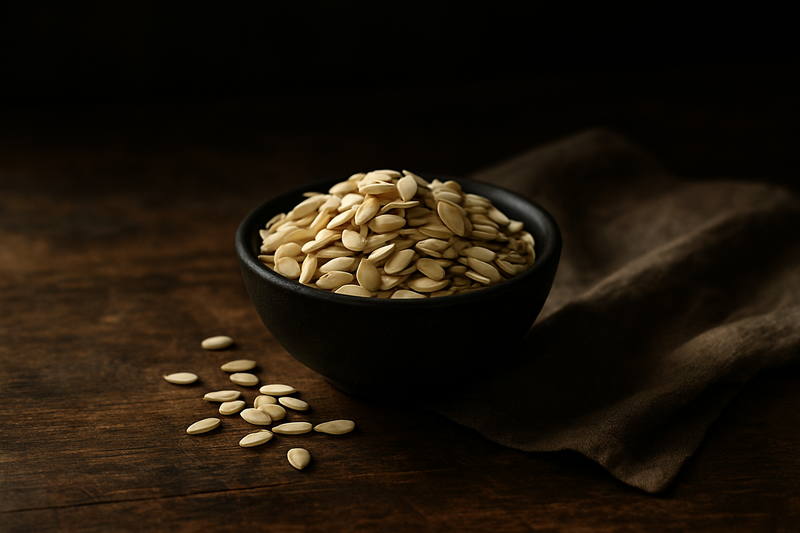
Egusi Seeds · Photograph
Discover the science-backed egusi seeds health benefits, including plant protein, healthy fats, magnesium, and iron. Learn how to use egusi in soups and stews, nutrition facts per serving, safety notes, and who should take extra care.
Key Nutrients
% Daily Value based on 2,000 cal diet
Key active compounds in egusi seeds
- Linoleic acid (omega-6): The dominant fatty acid in egusi oil. An essential polyunsaturated fat (meaning your body cannot make it) that supports cell membrane structure and, when it replaces saturated fat in the diet, can help lower LDL ("bad") cholesterol.
- Oleic acid: A monounsaturated fat similar to the type found in olive oil. Associated with favorable effects on blood lipids and cardiovascular risk.
- Alpha-linolenic acid (ALA, omega-3): Present in smaller amounts. A plant-based omega-3 fatty acid that serves as a building block for longer-chain anti-inflammatory fats.
- Phytosterols: Plant compounds structurally similar to cholesterol. They compete with cholesterol for absorption in the gut, which can modestly lower LDL levels.
- Tocopherols (vitamin E compounds): Fat-soluble antioxidants that protect cell membranes from oxidative damage and contribute to the oil's shelf stability.
- Cucurbitacins and related triterpenoids: Bitter, oxygenated compounds characteristic of the gourd family. These are far more concentrated in the toxic colocynth fruit than in edible egusi seeds; at food doses they are not a concern, but high-dose extracts can be dangerous.
Prep and pairing ideas
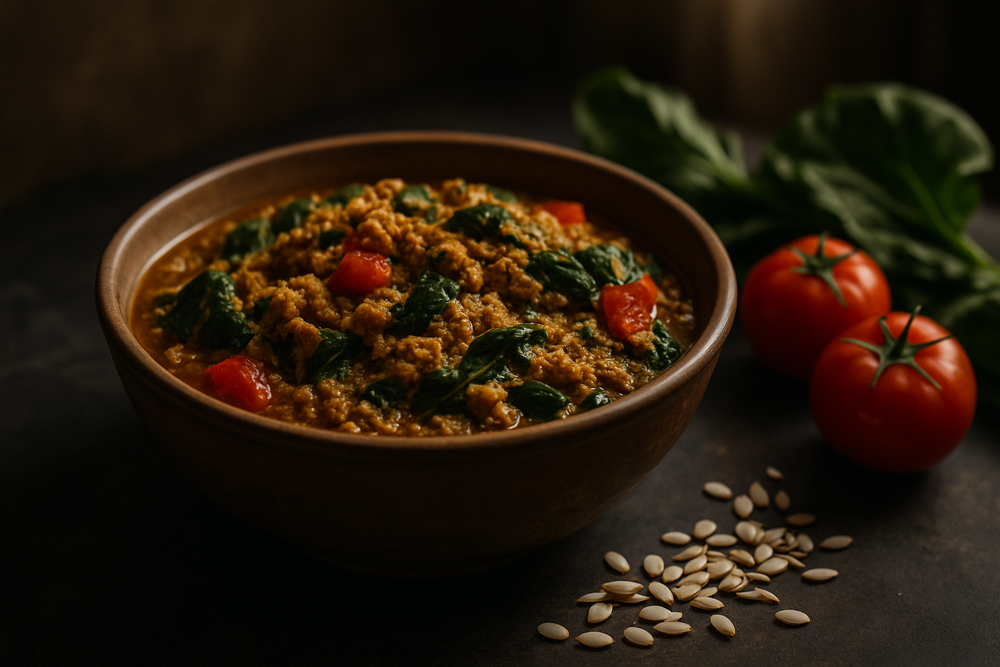
Classic egusi soup: Toast whole hulled seeds in a dry pan for 3–5 minutes until fragrant, cool, then blitz to a coarse flour in a blender. Fry the meal in a small amount of palm or vegetable oil before adding stock, tomatoes, onion, and greens. This two-step process (dry-roast, then fry) builds the deepest flavor.
Quick protein porridge: Stir 2 tablespoons of ground egusi into a vegetable broth over medium heat, add spinach, scotch bonnet to taste, and cook 10 minutes. A fast, protein-rich, one-pot meal.
Seed sprinkle: Use lightly roasted whole egusi seeds as a topping for grain bowls, salads, or roasted vegetables in the same way you'd use pumpkin seeds or hemp seeds.
Who benefits most from adding egusi seeds to their diet?
People eating mostly plant-based diets — particularly those based on roots, grains, and vegetables with limited legume variety — can use egusi to fill protein and mineral gaps efficiently. A few tablespoons per meal deliver:
- Concentrated plant protein (comparable to peanuts gram-for-gram)
- A strong magnesium boost — important for energy production, muscle function, and sleep
- Iron in a form that's better absorbed when paired with vitamin C-rich ingredients (tomatoes in egusi soup do this naturally)
People with limited appetite or increased calorie needs (including older adults, athletes in heavy training, and those recovering from illness) benefit from egusi's calorie density: a modest portion delivers meaningful energy, protein, and fat without requiring a large volume of food.
Myths vs. facts about egusi seeds
Myth 1: "Egusi soup is unhealthy because it's high in fat." Fact: Egusi is high in fat, but most of it is unsaturated — the type associated with cardiovascular benefit, not harm. The overall healthfulness of egusi soup depends heavily on what else goes into it (palm oil quantity, added salt, protein sources). The seeds themselves have a fat profile comparable to pumpkin seeds.
Myth 2: "Egusi seeds are the same as colocynth/bitter apple, so they're toxic." Fact: Citrullus colocynthis (bitter apple or colocynth) is botanically related but produces a fruit that is genuinely toxic. The edible egusi seeds used in West African cooking come from different species (primarily Citrullus mucosospermus) or from non-bitter varieties, and have a long history of safe food use. The seeds of colocynth are also far less toxic than the fruit pulp. Conflating the two is a common and important error.
Myth 3: "You need to soak egusi seeds overnight before using them." Fact: Soaking is not traditional or necessary. Roasting the whole hulled seeds before grinding is the standard method to develop flavor and improve digestibility. Soaking raw seeds may be used in some modern recipes, but the roast-then-grind approach is tried, tested, and recommended.
Bottom line
Egusi seeds are a genuinely nourishing whole-plant food with a nutritional profile that stands comparison with pumpkin seeds, hemp seeds, and other celebrated functional seeds. Their combination of complete-ish plant protein, unsaturated fats, magnesium, iron, and phosphorus makes them particularly useful in plant-forward diets. Early human research on related melon seed preparations is encouraging for heart and blood-sugar health, but direct trials using culinary egusi portions are still needed.
Used as intended — roasted, ground, cooked into soups and stews — egusi is safe for most adults and a genuinely worthwhile addition to a varied, whole-food diet. The health benefits of egusi soup are real, if not yet fully mapped by clinical science. Concentrated colocynth extracts and supplements are a separate, riskier category and should not be confused with the kitchen staple.
If you want to explore more ingredients that support energy, protein intake, and mineral balance, browse the Plantopedia goals section to find eating patterns matched to your priorities.
How Egusi Seeds Compares
| Compared with | What's different |
|---|---|
| Egusi Seeds vs. Pumpkin Seeds | Egusi seeds have a milder, creamier flavor and higher protein content per gram. |
| Egusi Seeds vs. Peanut Butter | Egusi seeds are used primarily as a thickener for soups and stews rather than a snack butter. |
Health Benefits
Things to Know
Calorie density: Egusi is energy-rich (~593 kcal per 100 g). If you are managing weight, be mindful of portion size rather than avoiding it — think 2–3 tablespoons of ground seed per serving, not half a cup.
Seed and nut allergies: At least one documented case of IgE-mediated food allergy to egusi seeds (in a child with multiple seed allergies) exists in the medical literature. IgE-mediated means an immune-system reaction that can range from hives to anaphylaxis. If you have known allergies to seeds, nuts, or gourds, introduce egusi cautiously and seek medical advice.
Pregnancy and breastfeeding: Culinary egusi at normal food quantities has been traditionally consumed by pregnant women in West Africa and is not known to be harmful. However, colocynth fruit preparations and concentrated extracts are strongly contraindicated (advised against) in pregnancy due to reported severe toxicity.
Interactions with diabetes medication: Concentrated colocynth extracts have shown meaningful glucose-lowering effects in trials. Eating egusi in soup is unlikely to cause hypoglycemia (dangerously low blood sugar), but if you take insulin, sulfonylureas, or other blood-sugar-lowering drugs and are also consuming medicinal-level doses of any melon seed product, mention it to your doctor.
Interactions with lipid-lowering drugs: Melon seed preparations have shown lipid-lowering activity; additive effects with statins or fibrates are theoretically possible at high supplement doses.
Contaminated packaged seeds: Food safety authorities have found excessive mineral oil on some commercially packaged melon seed snacks. Mineral oil on food can cause gastrointestinal discomfort. Choose matte-looking, uncoated seeds from reputable suppliers, and rinse before use if buying pre-packaged.
Raw egusi: Traditional practice almost always involves roasting or cooking. Avoid large amounts of raw egusi; cooking improves digestibility and flavor.
Prep Ideas
- — Concentrated plant protein (comparable to peanuts gram-for-gram)
- — A strong magnesium boost — important for energy production, muscle function, and sleep
- — Iron in a form that's better absorbed when paired with vitamin C-rich ingredients (tomatoes in egusi soup do this naturally)
Glossary
Shop This Ingredient
Stock your pantry with quality egusi seeds.
Buy on AmazonAs an Amazon Associate, Plantopedia earns from qualifying purchases. This costs you nothing extra and helps us keep the encyclopedia free.
Frequently Asked Questions
Heart and circulation The fatty acid profile of egusi is dominated by linoleic acid and oleic acid — the same unsaturated fats associated with heart-friendly diets. In a randomized, placebo-controlled trial in 100 non-diabetic adults with high blood lipids (hyperlipidemia — too much fat in the blood), 300 mg per day of powdered Citrullus colocynthis seed taken for six weeks significantly lowered serum triglycerides (a type of blood fat) and total cholesterol compared with placebo. Phytosterols in melon seeds may also help block cholesterol absorption in the intestine. That said, the trial used a medicinal dose of a closely related but botanically distinct species — not a bowl of egusi soup. No controlled human trial has tested culinary egusi portions specifically. Animal studies using various melon seed oils show reductions in LDL and triglycerides, but animal results don't always translate to humans. The takeaway: egusi seeds for heart health and cholesterol look promising, partly because of their favorable fat profile, but direct evidence in everyday food portions is still limited. Digestive health and microbiome Egusi seeds provide around 3 g of fiber per 100 g — modest compared with legumes, but meaningful when combined with the leafy greens and vegetables that typically accompany egusi soup. The fat content aids the absorption of fat-soluble vitamins (A, D, E, K) from those vegetables and can support comfortable stool lubrication. The magnesium in egusi may also help maintain regular muscle contractions in the gut wall. No controlled human trial has measured egusi's direct effect on the microbiome (the community of bacteria living in your gut). Most of what we can say comes from the seed's general nutrient profile, which resembles other nuts and seeds that are associated with better bowel regularity in broader nutrition research. Blood sugar and metabolism A double-blind, randomized, placebo-controlled trial in 50 adults with type 2 diabetes used 100 mg of Citrullus colocynthis fruit extract three times daily for two months alongside standard treatment and found significant reductions in HbA1c (a three-month blood sugar average) and fasting glucose. However, the extract used in that study was made from colocynth fruit — not the edible melon seeds used in cooking — and colocynth fruit is considered unsafe for unsupervised oral use. For culinary egusi in a typical meal, any blood-sugar benefit is likely modest and indirect: replacing high-glycemic (rapidly digested) starchy thickeners with protein- and fat-rich egusi slows digestion, which can blunt after-meal glucose spikes. People asking do egusi seeds raise blood sugar can be reassured that, used in normal soup portions, egusi is unlikely to spike blood sugar — the high fat and protein content tends to do the opposite — but this has not been formally tested. Inflammation and recovery In animal models, extracts of Citrullus colocynthis seeds show anti-inflammatory and analgesic (pain-relieving) activity. In cell-culture (lab dish) experiments, fermented egusi seed extracts showed activity against cancer cell lines. These are early-stage findings and cannot be extended to claims about preventing or treating inflammation, pain, or cancer in people eating egusi soup. No human clinical trial has examined egusi's effect on inflammatory markers or recovery outcomes.
Ground seed meal or paste is the most common and practical form. After dehulling and roasting, seeds are blended or ground to a rough flour that disperses evenly in soups and stews, acting as a natural thickener. This is the form with the longest history of safe use. Whole roasted seeds can be eaten as a snack, similar to pumpkin seeds. Roasting improves flavor through the Maillard reaction (the browning process that develops nutty, toasty notes) and improves digestibility by partially breaking down anti-nutritional factors — compounds like phytates that can bind minerals and reduce their absorption. Cold-pressed melon seed oil is used in cooking in some regions and in cosmetics. A small human study found that topically applied Kalahari melon seed oil (Citrullus lanatus) was non-irritant and improved skin hydration and barrier function in healthy women. When used as a cooking oil, it provides the same unsaturated fat profile as the whole seeds. Avoid: Encapsulated colocynth fruit or seed extracts sold as supplements for cholesterol or diabetes, unless under strict medical supervision. The fruit of Citrullus colocynthis is toxic and has caused severe gastrointestinal injury and death. These products are fundamentally different from the culinary egusi seeds discussed here.
There is no established official daily intake recommendation for egusi seeds. In traditional West African cooking, a typical portion of egusi soup uses roughly 10–30 g (1–3 tablespoons) of ground roasted egusi per serving. This is the range with the longest history of safe, everyday use. If you are new to egusi, start with 1 tablespoon (about 10 g) and assess how your digestive system responds before increasing. The high fat content can cause mild digestive discomfort if you jump from zero to a large portion in one sitting. For people tracking macros, 2 tablespoons (20 g) of ground egusi adds roughly: 120 calories 5–6 g protein 9–10 g fat (mostly unsaturated) 72 mg magnesium (17% DV) As with all calorie-dense seeds and nuts, the question is not "how much is maximum safe" but "how does this fit into your overall eating pattern." Egusi works best as part of a varied, vegetable-rich meal rather than eaten in isolation.
Quick Answers
Common questions, answered in a line.
Egusi seeds are high in fat, but most are healthy unsaturated fats, like linoleic and oleic acids, which support cardiovascular health. The seeds have a fat profile similar to pumpkin seeds; the healthfulness of the final dish depends on how much salt and palm oil you add.
Egusi seeds are an excellent protein source for plant-based diets, offering concentrated plant protein comparable to peanuts gram-for-gram. They help fill nutritional gaps by providing essential minerals like magnesium and iron alongside high-quality fats.
You do not need to soak egusi seeds; the traditional and recommended method is to roast the whole hulled seeds in a dry pan for 3–5 minutes before grinding. This process develops a deeper flavor, improves digestibility, and is more common than soaking raw seeds.
Edible egusi seeds (typically Citrullus mucosospermus) have a long history of safe food use and are not the same as the toxic bitter apple fruit. While they are botanically related to the toxic colocynth, the seeds used in West African cooking are safe and non-bitter varieties.
Culinary egusi is safe in normal food quantities during pregnancy, but concentrated colocynth extracts or fruit preparations must be strictly avoided. Always choose matte-looking, uncoated seeds from reputable suppliers to avoid potential mineral oil contamination on packaged snacks.
Egusi seeds are energy-dense, containing approximately 593 kcal per 100g, so portion control is recommended if you are managing your weight. Experts suggest using 2–3 tablespoons of ground seeds per serving rather than large volumes to balance calorie intake.
Egusi seeds provide a significant magnesium boost, which is vital for energy production, muscle function, and better sleep quality. They also contain phosphorus and iron, the latter of which is absorbed better when cooked with vitamin C-rich ingredients like tomatoes.
For Readers in the USA
Local context — sourcing, seasonality, and regional notes.
You can find egusi seeds at African grocery stores, specialty international markets, or through major online retailers like Amazon. While rarely stocked at mainstream chains like Kroger or Publix, they are increasingly available in the "International" aisles of large urban markets in cities with significant West African populations.
In the United States, egusi seeds are typically sold pre-shelled (hulled) and dried in clear plastic bags, often labeled as "Melon Seeds" or "Ground Egusi." To ensure quality, look for seeds that are creamy-white or pale yellow without dark spots, and check for a "Product of Nigeria" or "Product of Ghana" label for authentic varieties.
While most egusi is imported, it can be grown in Southern US states (USDA Zones 8-11) during the hot summer months as the plants require a long, warm growing season similar to watermelons. Small-scale farmers in states like Georgia, Florida, and Texas occasionally sell fresh gourds or seeds at local farmers markets between August and October.
The USDA and FDA treat egusi seeds as a conventional food product, meaning they are subject to standard labeling requirements regarding nutrition and allergens. When buying ground egusi, look for brands that specify "100% Melon Seed" to ensure there are no fillers, and prioritize products with a clear expiration date to ensure the oils haven't gone rancid.
AI Clinical Review
- Clearly distinguishes culinary egusi (hulled, roasted melon seeds) from colocynth fruit/medicinal extracts, which have very different safety profiles.
- Provides realistic nutrition context: egusi is protein- and unsaturated‑fat–rich and a notable source of magnesium, iron, and phosphorus; portion-based estimates help with planning.
- Accurately frames the heart-health narrative: favorable fat profile and phytosterols make a plausible case, while acknowledging limited human data for culinary portions.
- Practical guidance on preparation (roast/grind/cook) aligns with traditional use and likely improves flavor, digestibility, and food safety.
- Cardiometabolic benefits: existing randomized trials involve related Citrullus species or concentrated extracts, not typical egusi soup portions; applicability remains uncertain.
- Microbiome and digestive claims are extrapolated from general nut/seed patterns; no direct human trials on egusi and gut outcomes yet.
- Anti‑inflammatory or anticancer signals come from animal or cell studies; these do not establish prevention or treatment effects in people.
- Nutrient composition can vary by species and processing; more standardized analyses would improve precision of mineral and fatty‑acid estimates.
- Portions: traditional culinary use is roughly 10–30 g (1–3 tablespoons) per serving; egusi is calorie‑dense, so start small if you’re new to it.
- Allergies: egusi is a documented seed allergen; people with seed/nut or gourd‑family allergies should introduce cautiously and know signs of IgE‑mediated reactions (hives, swelling, trouble breathing).
- Pregnancy and medications: normal culinary use appears safe, but avoid colocynth‑based supplements. If you use diabetes or lipid‑lowering drugs and are considering high‑dose seed products, check with your clinician.
- Sourcing and preparation: choose reputable suppliers; be aware of reports of mineral‑oil–coated packaged seeds. Roasting/cooking is customary and preferable to eating large amounts raw.
A whole seed food; roast or cook before grinding for best flavor.
References
- USDA FoodData Central — nutrient composition of melon/egusi seeds (fdc.nal.usda.gov)
- MyPlate — protein foods and plant-based protein guidance (myplate.gov)
- Randomized controlled trial: hypolipidemic effect of Citrullus colocynthis seeds in adults with hyperlipidemia (pubmed.ncbi.nlm.nih.gov)
- Randomized double-blind trial: Citrullus colocynthis fruit extract in type 2 diabetes (pubmed.ncbi.nlm.nih.gov)
- Human study: topical safety and efficacy of Kalahari melon (Citrullus lanatus) seed oil on skin barrier (pmc.ncbi.nlm.nih.gov)
- Case report: IgE-mediated food allergy to egusi seeds in a child (pubmed.ncbi.nlm.nih.gov)
- **Review: comprehensive phytochemistry and bioactivities of **Citrullus colocynthis (medwinpublishers.com)
- WebMD consumer safety monograph: colocynth — uses, side effects, and safety (webmd.com)
- Food safety advisory: excess mineral oil in packaged melon seeds (cfs.gov.hk)
- Preliminary nutritional evaluation of five egusi species in West Africa (composition analysis) (agris.fao.org)
Know Your Numbers
Eating healthy is a start. Now get to know your biomarkers.
Food changes bloodwork — inflammation, lipids, blood sugar and nutrient status all respond to what you eat. 59 markers from $59.
- Results in 7–10 days at 2,000+ Quest sites
- Licensed provider reviews every result
- One flat price, no membership, HSA/FSA eligible
Educational information only, not medical advice. Panels are ordered and reviewed through our licensed partner; Plantopedia may earn a commission.