Green Pepitas — health benefits and uses
Central to Styrian (Austrian) and Mexican cuisine; folk-valued for prostate support.
The Short Answer
Green pepitas are nutrient-dense seeds providing 8.4 grams of protein and 168 mg of magnesium per ounce. They are an excellent source of zinc, iron, and heart-healthy phytosterols, commonly used in salads, pestos, and Mexican moles.

Green Pepitas · Photograph
Discover the pepitas health benefits backed by science—from magnesium and zinc to heart support and plant protein. Learn green pepitas nutrition facts, how much to eat daily, and the best ways to toast and use them in salads, moles, and pestos.
Key Nutrients
% Daily Value based on 2,000 cal diet
Key active compounds in green pepitas
- Phytosterols — Plant-derived compounds structurally similar to cholesterol. They compete with cholesterol for absorption in the intestine and may help lower LDL (low-density lipoprotein, the "bad" cholesterol).
- Polyunsaturated fatty acids (PUFAs) — Primarily linoleic acid (omega-6) and small amounts of alpha-linolenic acid (omega-3). These essential fats support heart and brain function and have anti-inflammatory properties.
- Tocopherols (Vitamin E compounds) — Fat-soluble antioxidants that protect cell membranes from oxidative damage (damage caused by unstable molecules called free radicals).
- Phenolic compounds — Bioactive plant molecules with antioxidant activity, potentially supporting vascular and metabolic health.
- Cucurbitacins — Bitter triterpenoid compounds unique to the Cucurbit family; studied for anti-inflammatory and anti-parasitic activity, though primarily in animal and laboratory settings.
Prep and pairing ideas
Pepitas are one of the easiest seeds to work with—no soaking required, and they toast beautifully in under five minutes.
3 practical pairings:
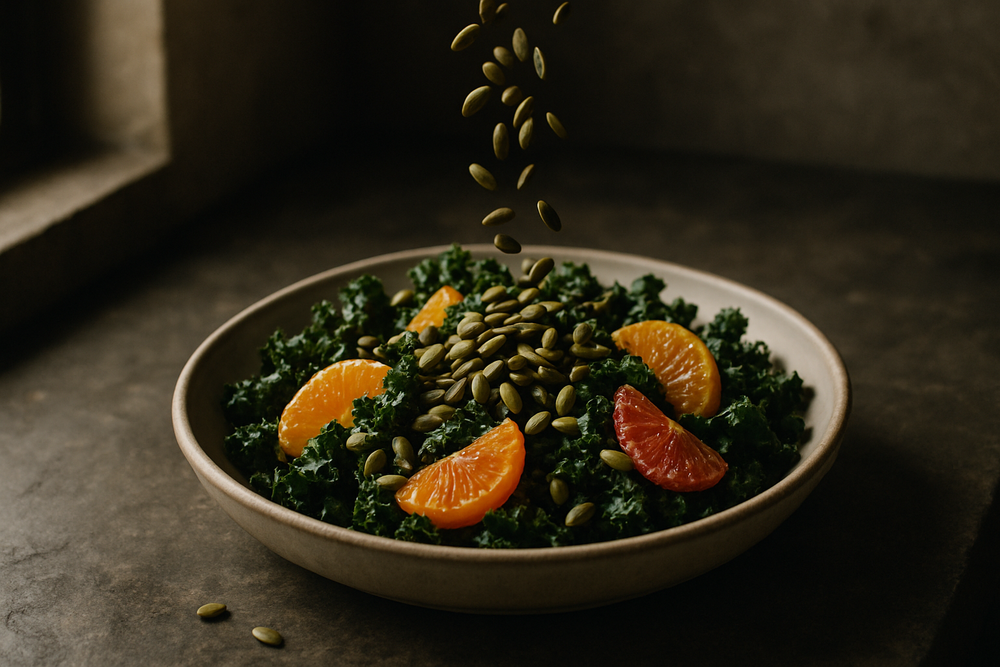
- Pepitas + dark leafy greens + citrus dressing — The vitamin C in the citrus helps your body absorb the non-heme iron in pepitas more efficiently. Scatter toasted pepitas over kale or arugula salad with an orange vinaigrette.
- Pepitas + chiles + tomato (classic mole verde base) — Blending raw pepitas with tomatillos, garlic, and poblano peppers creates an authentic Mexican mole or pipián sauce. The seeds' fat emulsifies the sauce and adds body, while the protein helps make the dish sustaining.
- Pepitas + fresh herbs + garlic (pepita pesto) — Swap pine nuts for pepitas in a cilantro or basil pesto. You get the same creamy texture with more magnesium, zinc, and iron per spoonful.
Quick toast method: Heat a dry skillet over medium heat. Add pepitas in a single layer. Stir frequently for 3–5 minutes until they puff slightly and turn golden at the edges. Season lightly with smoked paprika or cumin if desired. Cool before storing.
Bottom line
Green pepitas are a genuinely useful everyday food—not a superfood cure-all, but a reliable, versatile source of magnesium, zinc, iron, and plant protein that fits naturally into salads, sauces, snacks, and grain bowls. The evidence for specific health outcomes (heart health, blood sugar, prostate comfort) is promising but mostly preliminary, and much of it comes from oil supplements rather than whole seeds. What's solid: pepitas are a whole plant food that delivers several underconsumed minerals in meaningful amounts, pairs well with an enormous variety of dishes, and is safe for most people when eaten in typical portions. Buy unsalted, toast lightly, and make them a regular part of your seed rotation.
How Green Pepitas Compares
| Compared with | What's different |
|---|---|
| Green Pepitas vs. White Pumpkin Seeds | Pepitas are hull-less seeds from specific pumpkins; pumpkin seeds are whole seeds in a white shell. |
| Green Pepitas vs. Sunflower Seeds | Pepitas have double the iron (2.7mg) and significantly more magnesium and zinc per ounce. |
Health Benefits
Things to Know
Seed allergies: If you have a known allergy to seeds or tree nuts, introduce pepitas cautiously—cross-reactivity is possible, though pumpkin seed allergy is uncommon.
Kidney disease: Pepitas are rich in phosphorus and potassium. People with chronic kidney disease who need to limit these minerals should discuss portion sizes with a dietitian or doctor.
Sodium-restricted diets: Always choose unsalted pepitas if you're managing hypertension, heart failure, or kidney disease.
Antihypertensive medications: Pumpkin seed oil supplements may modestly lower blood pressure; culinary portions of pepitas are unlikely to cause problems, but if you take blood pressure medication and want to add large amounts of seed oil, let your provider know.
Antidiabetic medications: Large supplemental doses of pumpkin seed products may theoretically enhance glucose-lowering effects; food-form pepitas in normal servings are generally considered safe.
Blood thinners (anticoagulants/antiplatelet drugs): High intakes of oil-form products may have mild effects on platelet function; ordinary pepita consumption is generally fine, but check with your provider if you're on warfarin or similar medications.
Calorie density: At ~151 calories per ounce, pepitas can add up quickly. This is a feature (great for high-energy needs) or a caution (relevant for weight management) depending on your situation.
Young children / swallowing difficulties: Whole seeds are a choking hazard for small children; use ground pepitas or paste instead.
Prep Ideas
- — Pepitas + dark leafy greens + citrus dressing — The vitamin C in the citrus helps your body absorb the non-heme iron in pepitas more efficiently. Scatter toasted pepitas over kale or arugula salad with an orange vinaigrette.
- — Pepitas + chiles + tomato (classic mole verde base) — Blending raw pepitas with tomatillos, garlic, and poblano peppers creates an authentic Mexican mole or pipián sauce. The seeds' fat emulsifies the sauce and adds body, while the protein helps make the dish sustaining.
- — Pepitas + fresh herbs + garlic (pepita pesto) — Swap pine nuts for pepitas in a cilantro or basil pesto. You get the same creamy texture with more magnesium, zinc, and iron per spoonful.
Glossary
Shop This Ingredient
Stock your pantry with quality green pepitas.
Buy on AmazonAs an Amazon Associate, Plantopedia earns from qualifying purchases. This costs you nothing extra and helps us keep the encyclopedia free.
Frequently Asked Questions
The research on pepitas spans their whole-food form and concentrated pumpkin seed oil supplements. Where trials specifically use food-form seeds, servings are small and studies are often short. Read the benefit summaries below with that context in mind. Heart and circulation Pepitas deliver a combination of unsaturated fats, phytosterols, magnesium, and zinc—all nutrients associated with healthy blood pressure and lipid profiles (the balance of fats in your blood). Reviews of pumpkin seed nutraceuticals describe small human trials where pumpkin seed oil modestly improved LDL cholesterol and blood pressure in people with cardiovascular risk factors. A registered clinical trial (NCT07123844) is currently investigating whether pumpkin seeds or their oil can lower triglycerides (a type of blood fat) in adults with elevated levels. One important caveat: most cardiometabolic evidence comes from oil supplements, not from the 1–2 oz of whole pepitas you'd add to a salad. Extrapolating supplement findings to culinary portions should be cautious. Digestive health and microbiome Pepitas contribute dietary fiber along with fat and protein—a combination that slows digestion, supports satiety (the feeling of fullness), and feeds beneficial gut bacteria. Their fiber content per ounce is modest (about 1.9 g) compared with legumes or whole grains, but they can meaningfully boost daily totals when eaten regularly. Whole nuts and seeds as a food group are associated with improved digestive comfort and stool quality in observational studies. Note: some people experience bloating or GI discomfort when they suddenly increase seed intake. Starting with a smaller portion and building up gradually tends to help. Blood sugar and metabolism The protein-fat-fiber combination in pepitas generally supports a slower rise in blood glucose after meals compared with refined carbohydrate snacks. Reviews of pumpkin seed nutraceuticals note potential benefits for blood sugar management, attributed largely to their magnesium content (magnesium plays a role in insulin signaling) and unsaturated fatty acids. However, specific controlled human trials directly testing green pepitas on glycemic control (blood sugar management) are sparse. Think of pepitas as a low-glycemic, nutrient-dense substitute for processed snacks rather than a standalone treatment for blood sugar issues. Hormones and prostate health Several clinical trials—mainly using standardized pumpkin seed oil capsules—have reported modest improvements in urinary flow and symptom scores in men with BPH (benign prostatic hyperplasia, a non-cancerous enlargement of the prostate). Researchers attribute these effects to the seeds' phytosterols, zinc, and fatty acid profile, which may influence androgen (male hormone) metabolism and reduce inflammation in prostate tissue. Evidence for broader hormonal effects—such as impacts on estrogen, menopause symptoms, or thyroid function—is limited and largely theoretical at this stage. Green pepitas are best framed as supporting micronutrient adequacy (especially zinc and magnesium) rather than as a direct hormone therapy. Inflammation and recovery Pepitas contain anti-inflammatory unsaturated fats, phenolic antioxidants, and tocopherols. In the context of a plant-rich diet, regular nut and seed consumption is linked to lower markers of systemic inflammation (chronic low-level immune activation that underlies many chronic diseases). Laboratory and animal studies show pumpkin seed extracts can modulate inflammatory pathways, but controlled trials measuring inflammatory biomarkers after eating whole pepitas in humans are limited. Most anti-inflammatory evidence is extrapolated from the seed's nutrient composition rather than from pepita-specific clinical endpoints.
Raw hulled pepitas preserve the full complement of heat-sensitive nutrients and are great stirred into oats, yogurt, or trail mix. Dry-toasted or oven-roasted unsalted pepitas develop a deeper, nuttier flavor and satisfying crunch that works beautifully in salads, moles, grain bowls, and pestos. Light toasting (150–160 °C / 300–320 °F for 8–12 minutes) causes minimal nutrient loss compared with industrial high-heat roasting. Ground pepitas (meal or paste) blend smoothly into sauces, dips, and baked goods, preserving most nutrients and making them easy to digest. Pumpkin seed oil is the form used in most clinical supplement trials. It concentrates fatty acids and tocopherols but lacks the fiber and full seed matrix of whole pepitas. It's also easy to over-consume calories without the physical bulk of whole seeds. Salted roasted pepitas are convenient but can be high in sodium—one serving of heavily salted commercial pepitas may contain 150–200 mg of sodium or more. For everyday use, unsalted is the smarter default. Buying guide tip: Look for single-ingredient products ("pumpkin seed kernels" or "pepitas")—no added oils, sugars, or excessive salt. Bulk bins and refrigerated bags from natural food stores often offer the freshest options. For long storage, keep pepitas in an airtight container in the fridge or freezer to prevent the high-fat content from going rancid.
There's no single official dose, but common guidance from nutrition research and plant-based eating frameworks suggests: 1 oz (28 g / about 85 kernels) is a practical, well-tolerated daily serving for most people—enough to deliver 40% of daily magnesium and 24% of daily zinc. Up to 2 oz (56 g) per day is consistent with how nuts and seeds are used in Mediterranean and WFPB dietary patterns; this remains a reasonable upper range for whole food use. Clinical studies on pumpkin seed oil typically use standardized capsule doses (several hundred milligrams of oil), which don't translate neatly to whole pepita servings—so don't try to match supplement trial doses using food alone. Start with half an ounce if you're not used to eating seeds regularly, and build up over a week or two to minimize GI adjustment. If you're using pepitas specifically to help meet a mineral target (e.g., magnesium for muscle cramps or sleep), 1 oz daily as part of a varied diet is a sensible, evidence-consistent starting point. Looking for a practical way to track how different foods fit your health goals? Explore Plantopedia's goal-based ingredient guides to match foods to what matters most to you.
Quick Answers
Common questions, answered in a line.
Green pepitas are rich in magnesium, zinc, iron, plant protein, and essential fatty acids like omega-6 and omega-3. They also contain bioactive compounds such as phytosterols, tocopherols (Vitamin E), and phenolic compounds that support heart and metabolic health.
To toast pepitas, heat a dry skillet over medium heat and stir the seeds frequently for 3 to 5 minutes until they puff slightly and turn golden. You can season them with smoked paprika or cumin, but be sure to let them cool before storing.
Green pepitas contain phytosterols and polyunsaturated fatty acids that may help lower LDL (bad) cholesterol and support overall vascular health. These plant-derived compounds compete with cholesterol for absorption in the intestine to improve your lipid profile.
People with chronic kidney disease should consult a doctor before eating pepitas because the seeds are high in phosphorus and potassium. Those on sodium-restricted diets should also ensure they choose unsalted varieties to manage their mineral intake properly.
You can use pepitas as a creamy base for Mexican mole verde, swap them for pine nuts in pesto, or scatter them over salads with citrus dressing. Because they contain fat and protein, they add body to sauces and help make plant-based meals more sustaining.
Eating pepitas with citrus fruits or dressings helps your body absorb the non-heme iron in the seeds more efficiently. The vitamin C found in citrus acts as a catalyst, making the mineral content of the seeds more bioavailable during digestion.
One ounce of green pepitas contains approximately 151 calories, making them a calorie-dense food suitable for high-energy needs. While they are nutrient-rich, this density means portions should be monitored if you are focused on weight management.
For Readers in the USA
Local context — sourcing, seasonality, and regional notes.
You can find green pepitas at most major U.S. grocery chains like Whole Foods Market, Trader Joe's, Kroger, and Safeway, usually located in the baking aisle, bulk section, or snack nut aisle. They are also widely available at Mexican carnicerias and specialty markets, often labeled as "pepitas de calabaza."
In the U.S., look for the USDA Organic seal to ensure pepitas are grown without synthetic fertilizers or pesticides, and check the FDA-regulated nutrition label for sodium content if you are monitoring salt intake. The FDA identifies pumpkin seeds as a common snack, though they are not currently listed as a major food allergen like tree nuts.
While most commercial pepitas come from specific shell-less pumpkin varieties like the Styrian, U.S. home gardeners can grow them in USDA Hardiness Zones 3–9 during the summer months. Peak harvest season for pumpkins in the United States occurs in the fall, particularly throughout October, though dried pepitas are sold year-round.
In U.S. culinary culture, pepitas are a staple of Mexican-American cuisine used in traditional moles and pipián sauces, but they have also become a popular "superseed" topping for salads and grain bowls. You will frequently see them featured in seasonal fall recipes across the Pacific Northwest and Northeast as a locally-inspired alternative to tree nuts.
AI Clinical Review
- Clearly explains that green pepitas are hulled pumpkin seed kernels and highlights their culinary versatility.
- Accurately emphasizes nutrient density: roughly 1 oz provides substantial magnesium, along with meaningful zinc, iron, and ~8 g plant protein.
- Offers practical guidance on forms (raw vs. lightly toasted) and recommends unsalted, single‑ingredient products.
- Appropriately notes that many health findings (lipids, blood pressure, prostate comfort) come from pumpkin seed oil studies and shouldn’t be over‑extrapolated to small servings of whole seeds.
- Cardiometabolic benefits: existing human trials are small/short and often use oil extracts; rigorous studies with whole‑seed doses typical of daily eating are limited.
- Blood sugar outcomes: plausible mechanisms (magnesium, protein/fat/fiber) exist, but controlled trials testing whole pepitas for glycemic control are sparse.
- Anti‑inflammatory claims largely derive from nutrient/antioxidant composition and animal or cell studies rather than consistent human biomarker changes with whole‑seed intake.
- Prostate symptom improvement is reported mainly with standardized oils; magnitude of benefit, optimal dosing, and applicability to whole seeds remain uncertain.
- Portion guidance is reasonable: about 1 oz (28 g) daily for most adults; up to 2 oz can fit within nut/seed‑rich patterns, but pepitas are calorie‑dense (~150 kcal/oz).
- Choose form to match goals: whole seeds provide fiber and minerals; oils concentrate fats and vitamin E but omit fiber and are easier to overconsume.
- Safety/cautions: consider seed allergy history; those with chronic kidney disease may need to limit phosphorus/potassium; salted varieties can add unnecessary sodium.
- Medication considerations are mostly theoretical at food doses, but people on antihypertensives, diabetes meds, or anticoagulants should discuss high intakes of seed oils with a clinician; for children or anyone with swallowing issues, use ground seeds to reduce choking risk.
A whole seed food; buy unsalted for the most control over sodium.
References
- USDA FoodData Central — pumpkin seed nutrition data (fdc.nal.usda.gov)
- USDA SNAP-Ed seasonal produce guide: pumpkin (snaped.fns.usda.gov)
- MyPlate — Protein Foods overview (myplate.gov)
- Medical News Today — Pumpkin seeds: benefits, nutrition, uses (medicalnewstoday.com)
- Bentham Direct review — Pumpkin seeds as a nutraceutical in lifestyle disorders (benthamdirect.com)
- PubMed Central — Nutritional value, phytochemical potential, and therapeutic benefits of pumpkin (pmc.ncbi.nlm.nih.gov)
- Pakistan Journal of Health Sciences — Pumpkin seeds: role in cardiovascular disease (comprehensive review) (thejas.com.pk)
- Ayurved Journal — Potential pharmacological activities of pumpkin seeds as a nutraceutical (ayurvedjournal.com)
- ClinicalTrials.gov NCT07123844 — Pumpkin seeds or oil to lower triglycerides in adults with hypertriglyceridemia (clinicaltrials.gov)
Know Your Numbers
Eating healthy is a start. Now get to know your biomarkers.
Food changes bloodwork — inflammation, lipids, blood sugar and nutrient status all respond to what you eat. 59 markers from $59.
- Results in 7–10 days at 2,000+ Quest sites
- Licensed provider reviews every result
- One flat price, no membership, HSA/FSA eligible
Educational information only, not medical advice. Panels are ordered and reviewed through our licensed partner; Plantopedia may earn a commission.