Watermelon Seed Kernels — health benefits and uses
Ground egusi seed is a traditional thickener and protein source in West African stews.
The Short Answer
Watermelon seed kernels are edible, nutrient-dense snacks that provide 8 grams of protein and 34% of your daily magnesium per ounce. They have a mild, nutty flavor similar to pumpkin seeds and are best eaten roasted or sprouted.

Watermelon Seed Kernels · Photograph
Discover watermelon seed kernels health benefits backed by nutrition science. These hulled, roasted seeds pack 8 g of plant protein, 34% DV magnesium, and 26% DV zinc per ounce — making them one of the most mineral-dense snacks you can add to a whole-food diet.
Key Nutrients
% Daily Value based on 2,000 cal diet
Key active compounds in watermelon seed kernels
- Unsaturated fatty acids — Most of the fat (roughly 7–8 g per oz) comes from polyunsaturated fats, mainly linoleic acid (an omega-6 fat), and monounsaturated oleic acid. These fats, when they replace saturated or trans fats, are associated with better cardiovascular profiles.
- Plant sterols (phytosterols) — Naturally present in seed lipids; phytosterols are structurally similar to cholesterol and compete with it for absorption in the gut, which can modestly reduce LDL ("bad") cholesterol levels.
- Arginine-rich amino acid profile — Watermelon seeds are notably high in the amino acid arginine, which the body uses to make nitric oxide — a molecule that helps blood vessels relax and maintain healthy blood flow.
- Phenolic antioxidants — Bioactive plant compounds found in seeds and seed coats that help neutralize free radicals (unstable molecules that can damage cells). Specific phenolic profiles for watermelon seeds are not yet well characterized in research.
Buying guide
Fresh vs. roasted vs. raw vs. sprouted
- Raw, dried kernels: Nutritionally equivalent to roasted. Good if you prefer to season and toast them yourself. Check that the bag is properly sealed — moisture can cause rancidity because of the high fat content.
- Lightly roasted (unsalted): The best all-purpose option. Roasting adds flavor depth without significantly changing the mineral or protein content. Look for "unsalted" or "lightly salted" if you are watching sodium.
- Heavily salted commercial snack packs: Fine occasionally, but a 1 oz serving can carry 150–200 mg or more of sodium. Compare labels.
- Sprouted kernels: A niche option with potentially improved mineral absorption. Look for certified food-safe sprouting practices on the label.
Label tips
- Ingredient list: The best bags list only "watermelon seed kernels" (plus optional salt or oil). Avoid products with added sugars or artificial flavors.
- Hulled vs. whole: Confirm the product is hulled (also called "shelled" or "kernels") if you want the nutrient profile described here. Whole seed products have lower digestibility.
- Organic vs. conventional: Both are fine; choose based on preference and budget. The mineral profile does not change significantly.
- Packaging: Resealable bags or airtight tubs help prevent the oils from going rancid. Store in a cool, dry place or refrigerate after opening.
Prep and pairing ideas
Watermelon seed kernels are versatile and take almost no preparation when bought pre-roasted.
- Straight from the bag: A 1 oz handful is a satisfying mid-afternoon snack with a mild, nutty flavor — similar to pepitas (pumpkin seeds).
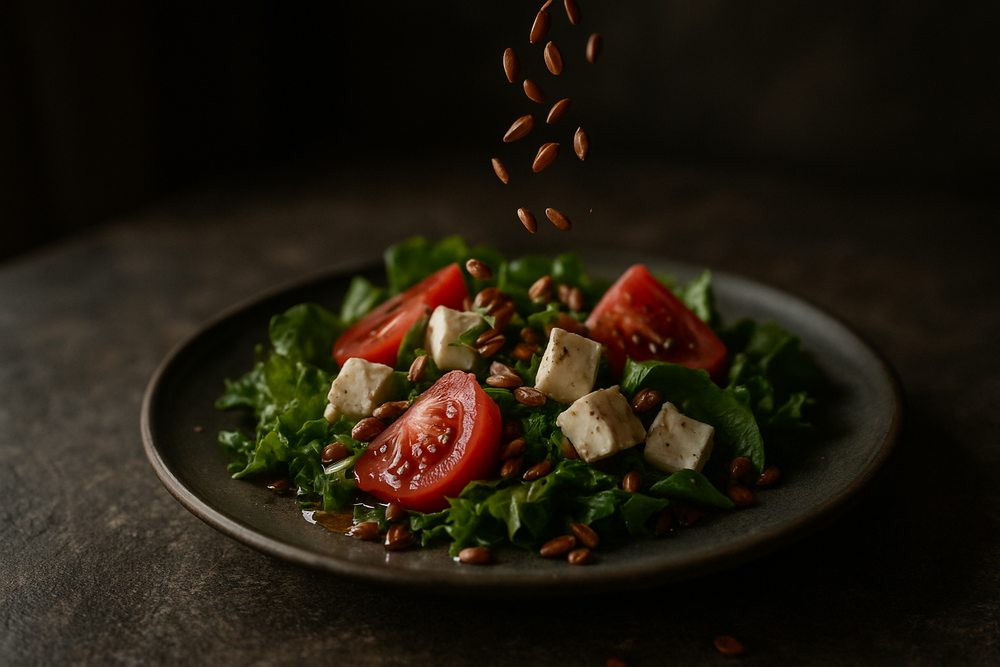
- Salad topper: Swap pine nuts for watermelon seeds on grain bowls or green salads. They add crunch and a mineral boost without overpowering other flavors.
- Oatmeal or porridge: Stir a tablespoon into morning oats for plant protein and magnesium alongside a carbohydrate meal — the combination slows glucose absorption and keeps you fuller longer.
- Egusi-style sauce: Blend roasted kernels with tomato, onion, and spices for a traditional West African sauce over leafy greens, rice, or yam. The seeds thicken the sauce and provide a complete protein-mineral base.
- Trail mix: Combine with dried mango, pumpkin seeds, and dark chocolate chips. The seeds complement sweet and tart dried fruits well and provide mineral balance to an otherwise carb-heavy mix.
Three practical pairings and why they work:
- Watermelon seeds + leafy greens — Pairing non-heme iron (from the seeds) with vitamin C–rich foods like spinach or chard increases iron absorption. Add a squeeze of lemon.
- Watermelon seeds + whole grains — Grains and seeds together provide complementary amino acids, making the overall protein quality of a meal closer to what your body can fully use.
- Watermelon seeds + citrus or tomatoes — Vitamin C from citrus or tomatoes boosts absorption of the plant-based iron in the seeds. This pairing is common in West African cooking for good nutritional reason.
Bottom line
Watermelon seed kernels are a genuine nutritional standout in the nut and seed category. A 1 oz serving delivers meaningful protein, exceptional magnesium (34% DV), solid zinc (26% DV), a useful hit of iron and copper, and mostly unsaturated fat — all with minimal carbohydrates and no cholesterol.
The honest caveat: dedicated human clinical trials testing watermelon seeds for specific health outcomes are essentially absent. What we have is strong compositional data and an extensive indirect evidence base from research on similar nuts and seeds. That is more than enough to justify including them as a regular part of a varied, whole-food diet — it is just not enough to make disease-treatment claims.
Used as a snack or culinary ingredient, hulled, roasted watermelon seed kernels are safe for most people, culturally significant, widely available, and genuinely useful for plugging common mineral gaps — especially magnesium, zinc, and iron in plant-focused diets.
How Watermelon Seed Kernels Compares
| Compared with | What's different |
|---|---|
| Watermelon Seed Kernels vs. Pumpkin Seeds (Pepitas) | Watermelon seeds have slightly more protein and a milder, more neutral flavor profile. |
| Watermelon Seed Kernels vs. Sunflower Seeds | Watermelon seeds are significantly higher in magnesium and zinc than sunflower seeds. |
Health Benefits
Things to Know
Calorie density: At ~158 kcal per oz, it is easy to over-eat. A small 1 oz handful is a standard serving; a loosely filled ¼ cup is roughly two servings.
Seed or nut allergy: If you react to other seeds (sunflower, pumpkin, sesame) or tree nuts, introduce watermelon seeds cautiously — cross-reactivity is possible.
Kidney disease: These seeds are very high in phosphorus (211 mg/oz) and potassium. People managing chronic kidney disease who must limit dietary phosphorus or potassium should check with their dietitian before adding them regularly.
Children under 5: Whole or hulled kernels can be a choking hazard. Use ground form (paste or seed flour) for young children.
Medication timing: Like other high-magnesium foods, very large quantities eaten at the same time as certain oral antibiotics (tetracyclines, fluoroquinolones) may reduce antibiotic absorption. The plant-based (non-heme) iron in these seeds can also interfere with levothyroxine absorption — space meals containing high-iron foods at least 30–60 minutes from that medication.
Low-fat or calorie-restricted diets: Measure portions; the fat and calorie content adds up quickly in large amounts.
Pregnancy: Watermelon seeds are a whole food with no known specific risk in pregnancy when eaten in normal amounts. The folate content (16 mcg per oz) is a small bonus, though far below the pregnancy requirement; do not rely on seeds alone for folate.
Prep Ideas
- — Straight from the bag: A 1 oz handful is a satisfying mid-afternoon snack with a mild, nutty flavor — similar to pepitas (pumpkin seeds).
- — Salad topper: Swap pine nuts for watermelon seeds on grain bowls or green salads. They add crunch and a mineral boost without overpowering other flavors.
- — Oatmeal or porridge: Stir a tablespoon into morning oats for plant protein and magnesium alongside a carbohydrate meal — the combination slows glucose absorption and keeps you fuller longer.
- — Egusi-style sauce: Blend roasted kernels with tomato, onion, and spices for a traditional West African sauce over leafy greens, rice, or yam. The seeds thicken the sauce and provide a complete protein-mineral base.
- — Trail mix: Combine with dried mango, pumpkin seeds, and dark chocolate chips. The seeds complement sweet and tart dried fruits well and provide mineral balance to an otherwise carb-heavy mix.
- — Watermelon seeds + leafy greens — Pairing non-heme iron (from the seeds) with vitamin C–rich foods like spinach or chard increases iron absorption. Add a squeeze of lemon.
- — Watermelon seeds + whole grains — Grains and seeds together provide complementary amino acids, making the overall protein quality of a meal closer to what your body can fully use.
- — Watermelon seeds + citrus or tomatoes — Vitamin C from citrus or tomatoes boosts absorption of the plant-based iron in the seeds. This pairing is common in West African cooking for good nutritional reason.
Glossary
Shop This Ingredient
Stock your pantry with quality watermelon seed kernels.
Buy on AmazonAs an Amazon Associate, Plantopedia earns from qualifying purchases. This costs you nothing extra and helps us keep the encyclopedia free.
Frequently Asked Questions
There are no large-scale human clinical trials that have specifically tested watermelon seed kernels for disease outcomes. The benefits described below are supported by their nutrient profile combined with research on nuts, seeds, and the individual nutrients they contain. Think of them as well-nourished inferences, not proven claims. Heart and circulation Watermelon seed kernels contribute three heart-friendly features in one small handful: mostly unsaturated fat (the kind that can improve blood cholesterol ratios), substantial magnesium (a mineral linked to healthy blood pressure regulation), and arginine (a precursor to nitric oxide, which helps keep blood vessels flexible). Plant sterols in the seeds may also nudge LDL cholesterol slightly lower when consumed regularly as part of a plant-rich diet. Replacing a bag of salted crisps with an ounce of roasted watermelon seeds improves the overall nutritional quality of your snack — more minerals, healthier fats, and no refined carbohydrates. Digestive health and microbiome Fiber content in hulled watermelon kernels varies by brand and processing method — some commercial products list around 5 g per oz, while USDA data for dried kernels do not consistently report a fiber value. Seeds with some intact seed coat will provide more fiber. Where fiber is present, it can support bowel regularity and serve as a prebiotic (food for beneficial gut bacteria). At this stage, watermelon seeds are better described as a modest fiber contributor rather than a primary source; pairing them with fruits, vegetables, and whole grains gives your gut microbiome a fuller range of fibers to work with. Blood sugar and metabolism With roughly 4 g of carbohydrates and virtually zero sugars per ounce, watermelon seed kernels have a very low glycemic load — meaning they are unlikely to raise blood glucose significantly. The combination of protein, fat, and low carbohydrate content may help slow digestion and blunt the blood sugar response when eaten alongside a mixed meal or as a replacement for sugary snacks. No human intervention trials exist specifically for these seeds and glycemic control, so this benefit is inferred from macronutrient profile and general nut-and-seed evidence. Inflammation and recovery Magnesium and zinc both play roles in immune regulation and antioxidant enzyme systems. Zinc, in particular, is required for the activity of superoxide dismutase — one of the body's key internal antioxidant enzymes. Getting adequate zinc from food sources like watermelon seeds may support the body's baseline anti-inflammatory capacity. Again, no direct human trials have measured inflammatory markers after watermelon seed consumption; any benefit is extrapolated from nutrient function research.
Hulled kernels (shell removed, dried or roasted) are what most Western snack brands sell. They are the form most closely matched to the USDA nutrition data cited throughout this page, and they are the most digestible form because the tough outer hull has been removed. Whole roasted seeds (shell on) are traditional in many Asian markets — salted and eaten by cracking open the shell with your teeth. They add fiber from the hull but require more chewing. The core nutrient content of the inner kernel is essentially the same. Ground paste or butter — used in West African egusi soups — retains the protein and fat density of whole kernels. Added ingredients (oils, salt, other foods) will shift the overall nutritional picture. Sprouted or soaked kernels may reduce phytate content slightly. Phytates are compounds in seeds and grains that can bind to minerals like iron and zinc, reducing how much your body absorbs. Soaking or sprouting before roasting is a simple home step that may improve mineral bioavailability (the proportion of a nutrient your body can actually use), though watermelon-seed–specific data on this are limited. Bottom line on form: For most people, hulled, lightly roasted kernels eaten as a snack or topping offer the most practical, nutrient-dense option with good digestibility.
No standardized clinical dose exists for watermelon seed kernels — they are a food, not a supplement. Here is what practical evidence and dietary patterns suggest: Everyday snacker: 1 oz (28 g) per day — one small closed handful — is a reasonable starting amount. It fits within USDA MyPlate's 5–6 oz weekly protein food allotment for most adults. As a meal topper: 1–2 tablespoons (8–16 g) sprinkled over salads, soups, or porridge gives you a mineral and protein boost without significantly changing the calorie count of the meal. Traditional food use: In parts of West Africa and Southeast Asia, larger amounts (50–75 g or more) are used when seeds are ground into sauces or pastes and shared across a meal. This is nutritionally appropriate in the context of those whole-food culinary traditions. Start low if your digestive system is unaccustomed: Begin with 1 tablespoon and increase gradually. High-fat, high-protein seeds can cause bloating or loose stools in some people when introduced abruptly. Upper practical limit: There is no established upper limit, but consistently eating more than 2–3 oz daily adds significant calories (316–475 kcal) from a single food source, which may displace other nutrient-diverse foods.
Quick Answers
Common questions, answered in a line.
Watermelon seed kernels are exceptional sources of minerals, providing 34% of the Daily Value (DV) for magnesium and 26% DV for zinc per ounce. They also contain a useful amount of iron and copper, making them ideal for plugging mineral gaps in plant-focused diets.
Yes, watermelon seed kernels are a high-protein snack, offering 8 grams of plant-based protein per one-ounce serving. When paired with whole grains, they provide complementary amino acids to improve the overall protein quality of a meal.
Watermelon seed kernels are heart-healthy because they contain arginine, which helps blood vessels relax, and phytosterols, which compete with cholesterol for absorption. They are also rich in polyunsaturated fats like linoleic acid and monounsaturated oleic acid.
You can eat watermelon seed kernels straight from the bag as a snack, or use them as a crunchy topper for salads, grain bowls, and morning oatmeal. They can also be blended into traditional West African Egusi-style sauces with tomatoes and onions.
To maximize iron absorption from watermelon seeds, you should pair them with vitamin C-rich foods like spinach, chard, citrus, or tomatoes. This is particularly effective because vitamin C helps the body absorb plant-based (non-heme) iron more efficiently.
Watermelon seeds are generally safe, but people with chronic kidney disease should consult a dietitian due to the high phosphorus and potassium content. Additionally, the high magnesium and iron levels may interfere with the absorption of certain antibiotics or levothyroxine.
When buying watermelon seed kernels, look for "hulled" or "shelled" varieties and check the ingredient list for added sugars or artificial flavors. Lightly roasted, unsalted options are typically best for controlling sodium intake.
For Readers in the USA
Local context — sourcing, seasonality, and regional notes.
In the U.S., you can find roasted watermelon seed kernels at major health-conscious grocers like Whole Foods Market, Sprouts Farmers Market, and increasingly at regional chains like Wegmans or Kroger. They are often stocked in the "superfood" or snacking seeds aisle alongside pumpkin seeds (pepitas) and sunflower seeds.
While watermelon seeds are harvested year-round for commercial processing, the peak domestic season for fresh watermelons in the U.S. runs from May through September. Most commercially packaged kernels found in U.S. stores are sourced from large-scale growers in the Sun Belt states like Florida, Georgia, and Texas, or imported from international suppliers.
Under USDA organic regulations, watermelon seed kernels labeled as "Certified Organic" must be grown without synthetic fertilizers or prohibited pesticides. If you are looking for non-GMO options, look for the Non-GMO Project Verified seal, though most watermelon varieties currently grown in the U.S. are not genetically modified.
Watermelon seeds are often compared to pepitas (hulled pumpkin seeds) in U.S. culinary contexts due to their similar mild, nutty flavor and crunchy texture. They serve as a popular allergen-friendly alternative to tree nuts in American school lunches and nut-free manufacturing facilities.
AI Clinical Review
- Clearly explains what hulled watermelon seed kernels are and how they’re used, with nutrient values (protein ~8 g/oz; notable magnesium, zinc, and iron) that align with standard food‑composition databases.
- Appropriately frames potential benefits as nutrient‑driven inferences and notes the absence of dedicated human trials on watermelon seeds themselves.
- Highlights relevant bioactives (unsaturated fats, arginine, phytosterols) and accurately links them to heart‑healthy dietary patterns when they replace saturated fats.
- Offers practical buying, storage, and culinary guidance, including culturally traditional uses (e.g., egusi), which supports realistic intake.
- No clinical trials have isolated watermelon seed kernels for outcomes like blood lipids, blood pressure, glycemic control, or inflammation; benefits are extrapolated from broader nut/seed research.
- Phytosterol‑related LDL reductions typically require higher intakes (~2 g/day) than a standard 1‑oz serving provides, so any cholesterol effect from sterols in these seeds alone is likely modest.
- The true fiber content of hulled kernels varies by processing and labeling; independent, seed‑specific analyses are limited, making brand‑to‑brand comparisons important.
- Soaking/sprouting likely lowers phytates (natural mineral binders), but human data specific to watermelon seeds on mineral absorption are scarce.
- Portion and calories: ~158 kcal per 1 oz (28 g). For MyPlate planning, 1 oz of nuts/seeds often counts as about 2 ounce‑equivalents toward the daily Protein Foods target (commonly ~5–7 ounce‑equivalents for many adults).
- Kidney disease: These seeds are rich in phosphorus (and contain potassium). People with chronic kidney disease should review regular use with a renal dietitian.
- Medication timing: Magnesium‑ and iron‑rich foods can reduce absorption of some antibiotics (e.g., tetracyclines, fluoroquinolones) and may interfere with levothyroxine; separating these medicines and mineral‑rich meals by several hours is prudent—follow your prescriber’s guidance.
- Allergies and choking: Possible cross‑reactivity with other seeds; introduce cautiously if you have seed/nut allergies. Use ground forms for young children to reduce choking risk.
A whole seed food; no notable cautions in normal amounts.
References
- USDA FoodData Central — Seeds, watermelon seed kernels, dried (fdc.nal.usda.gov)
- MyPlate Protein Foods Group — seeds and nuts as plant protein sources (myplate.gov)
- University Hospitals nutrition facts — watermelon seed kernels, dried (uhhospitals.org)
- MyFoodData nutrition summary — watermelon seed kernels (USDA-based) (tools.myfooddata.com)
- Science Insights review — watermelon seed nutrients and uses (scienceinsights.org)
- Krishival — watermelon seed protein and mineral content overview (krishival.com)
- Healthline — Best watermelon seed benefits (healthline.com)
- Yupik — Organic watermelon kernels commercial nutrition label (yupik.com)
- NutritionRef — Dried watermelon seed kernels mineral profile (nutritionref.com)
Know Your Numbers
Eating healthy is a start. Now get to know your biomarkers.
Food changes bloodwork — inflammation, lipids, blood sugar and nutrient status all respond to what you eat. 59 markers from $59.
- Results in 7–10 days at 2,000+ Quest sites
- Licensed provider reviews every result
- One flat price, no membership, HSA/FSA eligible
Educational information only, not medical advice. Panels are ordered and reviewed through our licensed partner; Plantopedia may earn a commission.