Squash Seeds — health benefits and uses
An indigenous American nose-to-tail vegetable practice—nothing of the squash wasted.
The Short Answer
Squash seeds are highly nutritious, providing 156mg of magnesium and 2.3mg of iron per ounce. While most commonly roasted as a snack, they can also be hulled and used in salads or grain bowls for added protein and healthy fats.
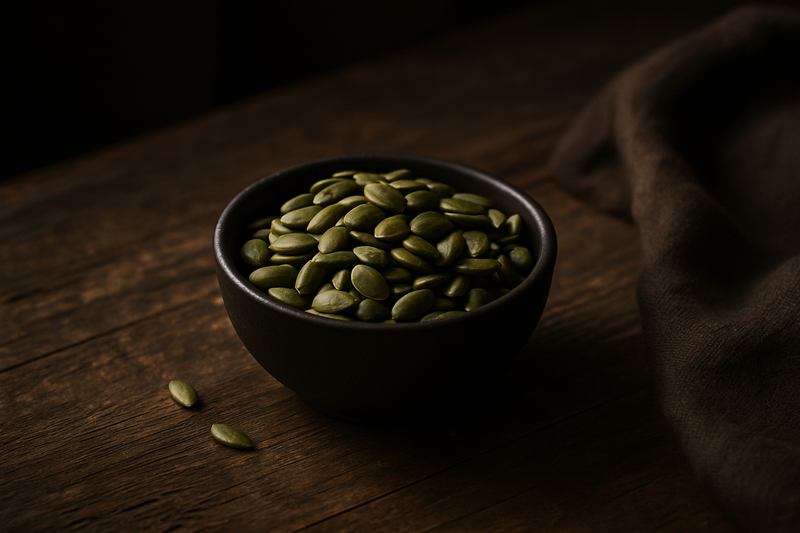
Squash Seeds · Photograph
Discover squash seeds health benefits and how to roast them at home. Learn the nutrition in butternut, acorn, and delicata squash seeds — including magnesium, zinc, plant protein, and healthy fats — plus safety tips and daily serving guidance.
Key Nutrients
% Daily Value based on 2,000 cal diet
Key active compounds in squash seeds
- Phytosterols (e.g., beta-sitosterol) — Plant-derived compounds structurally similar to cholesterol that compete with it for intestinal absorption, potentially lowering LDL cholesterol.
- Tocopherols (vitamin E compounds) — Fat-soluble antioxidants, including alpha- and gamma-tocopherol, that protect cell membranes from oxidative damage (cell damage caused by unstable molecules called free radicals).
- Carotenoids — Pigmented antioxidants such as lutein and beta-carotene; some convert to vitamin A in the body, supporting eye and immune health.
- Polyphenols — A broad family of plant compounds with antioxidant and anti-inflammatory properties found in pumpkin and squash seed extracts.
- Cucurbitacins — Bioactive compounds unique to the Cucurbitaceae family that show anti-inflammatory activity in lab studies; human evidence is still early.
- Tryptophan — An amino acid the body uses to make serotonin and melatonin, hormones linked to mood and sleep.
- Squalene — A naturally occurring antioxidant triterpene found in squash seed oils.
Prep and pairing ideas
How to roast squash seeds from scratch
- After halving your squash, scoop the seed cavity into a bowl of water.
- Work the seeds free from the stringy pulp with your fingers. Rinse under cold water in a colander.
- Spread on a clean kitchen towel and pat dry. Let air-dry for 30–60 minutes if you have time — drier seeds roast more evenly.
- Toss with a small amount of olive oil (or leave oil-free) and a pinch of salt.
- Spread in a single layer on a baking sheet. Roast at 300–325 °F (150–165 °C) for 20–25 minutes, stirring halfway, until golden and crisp.
- Cool completely before storing in an airtight container. They keep for up to 2 weeks at room temperature or longer in the freezer.
Common pairings
Squash seeds + citrus squeeze Drizzle roasted seeds with fresh lemon or orange juice before serving. Vitamin C converts plant-based non-heme iron into a more absorbable form — a simple trick that makes the 13% DV iron in seeds go further.
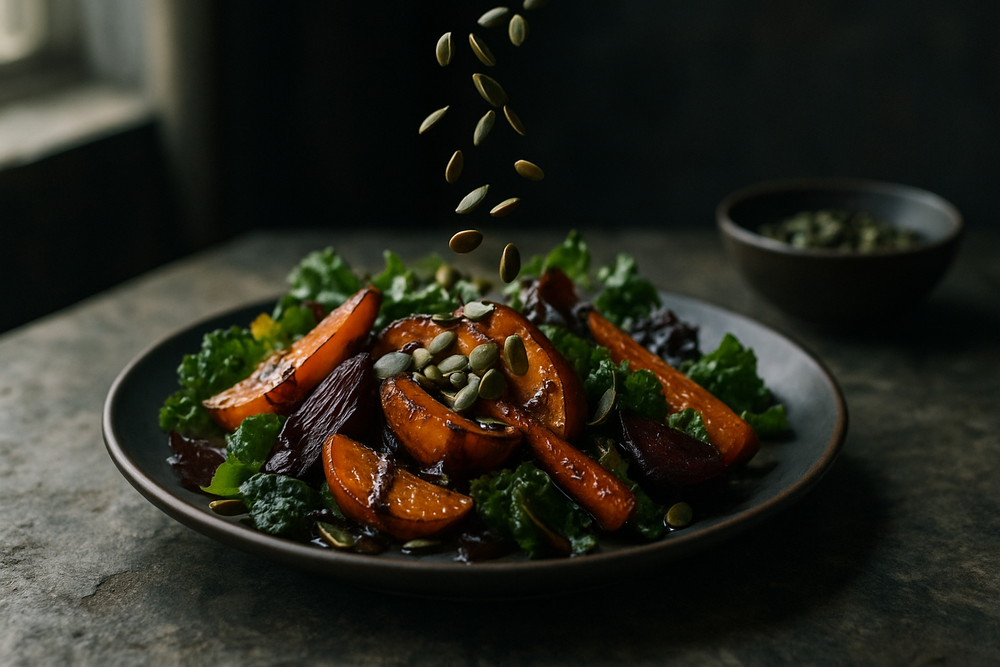
Squash seeds + leafy green salads Scatter a tablespoon of hulled roasted kernels over kale, spinach, or arugula. The seeds add crunch, plant protein, and magnesium; the greens add folate and calcium that seeds lack. A natural whole-food complement.
Squash seeds + warm grain bowls Stir into farro, quinoa, or brown rice bowls with roasted vegetables. The healthy fats in seeds help absorb fat-soluble vitamins (like vitamins A, E, and K) from the vegetables in the same bowl — a practical nutritional synergy.
Bottom line
Squash seeds — from butternut, acorn, delicata, or any winter squash — are one of the most nutritionally concentrated zero-waste foods in a home kitchen. They are genuinely rich in magnesium, zinc, plant protein, and unsaturated fats, with a supporting cast of phytosterols and antioxidants that early research links to heart, metabolic, and hormonal health. The evidence is strongest for their nutrient density and fiber content; cardiovascular and blood-sugar benefits are promising but based largely on pumpkin seed data and small trials. Roast them simply, eat them in 1-oz portions, and they earn their place as a practical, evidence-aligned whole-food snack.
Looking for more ways to get plant-based minerals and nutrients into your routine? Browse our goals hub for curated ingredient combinations and eating patterns built around real-life goals.
How Squash Seeds Compares
| Compared with | What's different |
|---|---|
| Squash Seeds vs. Pumpkin Seeds | Larger, thinner shells that are easier to eat whole when roasted. |
| Squash Seeds vs. Sunflower Seeds | Higher in protein and calories but lower in magnesium and iron. |
Health Benefits
Things to Know
Allergies: Seed and nut allergies can overlap. If you react to pumpkin seeds, tree nuts, or sesame, check with your allergist before eating squash seeds.
Kidney disease: Squash seeds are relatively high in phosphorus and potassium. If you follow a renal (kidney) diet with mineral restrictions, speak with your dietitian about portion sizes.
Digestive conditions: People with GI strictures (narrowings in the digestive tract), diverticular disease, or a history of bowel surgery should consult a clinician before eating large quantities of whole seeds.
Young children: Whole roasted seeds are a choking hazard for children under 4–5 years. Use seed butter or finely ground seeds for younger children.
Blood pressure medications: The magnesium and potassium in seeds may have a mild additive effect alongside antihypertensive drugs (blood pressure medications). Food amounts are rarely a clinical issue, but it is worth mentioning to your doctor if you are newly starting either.
Diabetes medications: Seeds can modestly reduce glycemic load when replacing high-carb snacks. If you monitor blood glucose closely, note any changes when adding seeds regularly.
Hormone-sensitive conditions: Evidence for hormonal effects mostly involves concentrated pumpkin seed oil extracts, not culinary seed quantities. If you take hormone-related medications, check with your prescriber before using seed oil supplements.
Calories: Seeds are energy-dense (~153 kcal/oz). If you are managing calorie intake carefully, measure rather than eat straight from the bag.
Pregnancy: Squash seeds are a whole food and generally safe in culinary amounts during pregnancy. They provide folate-complementing minerals; no specific warnings apply, but as always, discuss dietary changes with your midwife or OB.
Prep Ideas
- — After halving your squash, scoop the seed cavity into a bowl of water.
- — Work the seeds free from the stringy pulp with your fingers. Rinse under cold water in a colander.
- — Spread on a clean kitchen towel and pat dry. Let air-dry for 30–60 minutes if you have time — drier seeds roast more evenly.
- — Toss with a small amount of olive oil (or leave oil-free) and a pinch of salt.
- — Spread in a single layer on a baking sheet. Roast at 300–325 °F (150–165 °C) for 20–25 minutes, stirring halfway, until golden and crisp.
- — Cool completely before storing in an airtight container. They keep for up to 2 weeks at room temperature or longer in the freezer.
Glossary
Shop This Ingredient
Stock your pantry with quality squash seeds.
Buy on AmazonAs an Amazon Associate, Plantopedia earns from qualifying purchases. This costs you nothing extra and helps us keep the encyclopedia free.
Frequently Asked Questions
Heart and circulation The combination of magnesium, potassium, unsaturated fats, fiber, and phytosterols in squash seeds maps closely to nutrients that large population studies consistently associate with healthier blood pressure and lipid profiles. The American Heart Association has highlighted pumpkin seeds as a heart-healthy snack option. Small clinical studies suggest that pumpkin seed or pumpkin seed oil intake can modestly improve HDL ("good") cholesterol, reduce LDL cholesterol, and support lower blood pressure. Evidence is moderate but promising — and the benefits are most realistic when seeds replace salty processed snacks rather than just being added on top of an existing diet. Digestive health and microbiome Whole roasted seeds (shells on) supply about 5.2 g of fiber per ounce — comparable to a medium apple. Hulled kernels provide roughly 1.1 g per ounce, still a meaningful contribution. Dietary fiber feeds beneficial gut bacteria (your gut microbiome), supports bowel regularity, and slows gastric emptying, which contributes to satiety (the feeling of fullness after eating). The evidence here is mostly based on fiber physiology rather than squash-seed-specific trials, so it is solid in principle but not yet confirmed in targeted clinical studies. Blood sugar and metabolism Squash seeds are low in carbohydrates and rich in protein, fat, and magnesium — a combination that can blunt the spike in blood glucose (blood sugar) that follows a high-carbohydrate meal. Small reviews of pumpkin seed nutrition describe potential antidiabetic effects linked to magnesium's role in insulin regulation, though direct human trials are limited. The most practical benefit: replacing high-glycemic (rapidly digested, sugar-spiking) snacks with a small handful of roasted squash seeds meaningfully lowers the overall glycemic load of your snack routine. Evidence is emerging, not conclusive. Hormones and cycle health Squash seeds are rich in zinc, magnesium, plant protein, and healthy fats — all nutrients involved in sex hormone synthesis. Zinc in particular is needed for testosterone production, ovulatory function, and sperm quality. Clinical evidence (mostly using pumpkin seed oil rather than whole seeds) suggests benefits for men with benign prostatic hyperplasia (BPH), a non-cancerous enlargement of the prostate that causes urinary symptoms. The evidence for BPH is stronger for concentrated oil extracts than for culinary seed quantities; whole seeds likely offer milder effects in this area but still contribute useful nutritional support for general hormonal health. Inflammation and recovery Squash seeds' tocopherols, carotenoids, polyphenols, and minerals like magnesium and zinc all play roles in managing oxidative stress (cellular damage from free radicals) and modulating the body's inflammatory response. Reviews show anti-inflammatory activity from pumpkin seed extracts in animal and cell studies. Large-scale human trials directly testing squash seed intake on inflammatory biomarkers are scarce, so this area is best classified as "emerging." As part of an overall anti-inflammatory eating pattern — plenty of vegetables, whole grains, and legumes — roasted squash seeds are a sensible addition.
The short answer: both work, and the best choice depends on your digestion and intended use. | Form | Fiber | Ease of digestion | Best for | | --- | --- | --- | --- | | Whole roasted (shell on) | 5.2 g/oz | Requires thorough chewing | Crunchy snacking, extra fiber | | Hulled kernels (pepitas) | 1.1 g/oz | Easiest | Salads, grain bowls, recipes | | Soaked or sprouted, then roasted | Moderate | Improved vs. raw | Sensitive stomachs | | Seed butter | Low fiber | Very easy | Those who avoid whole seeds | | Pumpkin seed oil | Negligible | Liquid | Clinical BPH support; lacks whole-food benefits | Hulled kernels are more versatile for cooking and easier on the digestive system. Whole seeds are a good choice when you want extra fiber and enjoy the crunch. Soaking whole seeds in salted water for 8 hours before roasting can reduce some antinutrients (compounds that limit mineral absorption) and improve digestibility, though the human evidence for this step is limited.
The "zero-waste home cook" You already buy whole winter squash regularly; seeds are literally free. Roasting takes under 30 minutes with minimal hands-on time. You get a nutrient-dense snack from what would otherwise be food waste. The plant-based eater tracking minerals Magnesium and zinc are shortfall nutrients on many plant-based diets. One ounce covers 37% DV magnesium and 20% DV zinc — meaningful contributions. Plant-based iron from seeds is non-heme iron; pairing with vitamin C foods (see below) improves absorption.
Most nutritional guidance and research on pumpkin and squash seeds points to 1–2 ounces (28–56 g) per day as a realistic, benefit-relevant range for most healthy adults. Start with ½ oz (about 1–2 tablespoons) if your current seed intake is low, to allow your digestive system to adjust to the extra fiber and fat. 1 oz (28 g) is a typical snack portion and the amount used in most nutritional reference data. 2 oz (56 g) provides a more substantial contribution to daily magnesium (74% DV) and zinc (40% DV) but also adds 300 calories, so factor that into your day if you track intake. There is no established upper limit for whole squash seeds as a food, but very large amounts can cause digestive discomfort (bloating, loose stools) in some people. Seeds are easy to overeat from a bag; measuring a portion into a bowl before snacking helps.
Quick Answers
Common questions, answered in a line.
To roast squash seeds, scoop them from the fruit, rinse away the pulp, pat them dry, and roast at 300–325 °F (150–165 °C) for 20–25 minutes. Drier seeds roast more evenly, so letting them air-dry for 30–60 minutes after washing is recommended. You can toss them with a little olive oil and salt before spreading them in a single layer on a baking sheet.
Squash seeds contain phytosterols, tocopherols (vitamin E), carotenoids, polyphenols, cucurbitacins, squalene, and the amino acid tryptophan. These compounds provide a range of antioxidant and anti-inflammatory properties. Phytosterols, in particular, compete with cholesterol for absorption, which may help lower LDL cholesterol levels.
Eating squash seeds with citrus fruits like lemon or orange juice helps your body absorb more iron. The vitamin C in the citrus converts the plant-based non-heme iron found in the seeds into a more absorbable form. This simple pairing maximizes the 13% DV of iron provided by the seeds.
While generally healthy, squash seeds are energy-dense at approximately 153 calories per ounce, so portion control is important for calorie management. Individuals with kidney disease should be cautious due to high phosphorus and potassium levels. Additionally, those with digestive conditions like diverticular disease or GI strictures should consult a doctor before eating whole seeds.
Yes, squash seeds can be a beneficial addition to a diabetes-friendly diet because they may modestly reduce the glycemic load when replacing high-carb snacks. However, if you are taking diabetes medications and monitoring blood glucose closely, you should note any changes when adding seeds to your routine. Always consult a healthcare provider regarding significant dietary changes.
Squash seeds are rich in magnesium, zinc, plant protein, and unsaturated fats. They also provide fiber and a variety of antioxidants that support heart, metabolic, and hormonal health. Because they are nutrient-dense, they are considered one of the most concentrated zero-waste foods available in the kitchen.
Whole roasted squash seeds are a choking hazard for children under the age of 4 or 5. For younger children, it is safer to serve seeds in the form of seed butter or by grinding them finely. This allows them to get the nutritional benefits without the physical risk of choking.
For Readers in the USA
Local context — sourcing, seasonality, and regional notes.
You can find squash seeds at major US grocery chains like Whole Foods, Trader Joe's, and Kroger, though they are often labeled as "pepitas" if they are the green, hulled variety. Many American consumers also source them fresh from farmers markets during the peak autumn harvest season when winter squash is abundant.
In the United States, winter squash seeds are most abundant from September through November, aligning with the peak harvest in major producing states like California, Michigan, and New York. While packaged seeds are available year-round, home-roasting is a popular American fall tradition following the decorative use of squash.
While the term "squash seeds" is used broadly, most commercially available seeds in the US are "pepitas," which come from specific oilseed pumpkins that grow seeds without a tough outer hull. Traditional American winter varieties like Butternut, Acorn, and Delicata have white, fibrous hulls that are edible but provide a much higher fiber content when roasted.
When buying pre-packaged squash seeds in the US, look for the "USDA Organic" seal to ensure they were grown without synthetic pesticides and the "Non-GMO Project Verified" label if avoiding genetically modified organisms is a priority. The FDA also regulates labeling for sodium content, which is important since many commercial American snacks are heavily salted.
AI Clinical Review
- Accurately highlights squash seeds (including pumpkin relatives) as dense sources of magnesium, zinc, plant protein, and mostly unsaturated fats, consistent with USDA data.
- Correctly notes that benefits are most meaningful when seeds replace ultra-processed, salty snacks—helping lipids, blood pressure, and glycemic load in a real-world way.
- Distinguishes whole seeds (more fiber) from hulled kernels/pepitas (easier to chew and digest), with practical roasting guidance that supports palatability and tolerability.
- Appropriately frames many effects (heart, metabolic, hormone-related) as supported but modest, aligning with the predominance of small studies and pumpkin-seed-focused research.
- Most human data examine pumpkin seeds or pumpkin seed oil; fewer randomized trials test whole squash seeds on hard outcomes (e.g., cardiovascular events), so extrapolation is reasonable but not definitive.
- Lipid and blood-pressure improvements are reported in small, short-duration studies; longer, higher-quality trials are needed to confirm size and durability of effect.
- Claims around glycemic control and microbiome support are largely inferred from macronutrient profile and fiber physiology rather than seed-specific human trials.
- Benefits of soaking/sprouting to reduce “antinutrients” and the roles of cucurbitacins or other phytochemicals are supported mainly by lab/animal work, with limited clinical confirmation.
- Portion guidance of 1–2 oz (28–56 g) per day is reasonable; seeds are energy-dense (~150 kcal/oz). Measuring portions helps if you track calories or weight.
- Form matters: shells increase fiber but can be harder to digest; pepitas are easier; seed butter is lowest in fiber. Whole seeds are a choking risk for children under ~4–5 years.
- People with kidney disease (due to higher phosphorus/potassium), known seed/nut/sesame allergies, or gastrointestinal strictures/diverticular disease should discuss portions or forms with a clinician.
- Medication context: modest blood-pressure and glycemic effects can add to antihypertensives or diabetes regimens—monitor if you track readings closely. Culinary amounts are generally safe in pregnancy.
A whole seed food; roast thoroughly for best digestibility.
References
- USDA FoodData Central — pumpkin and squash seed kernels, dried (fdc.nal.usda.gov)
- MyPlate — Protein Foods (seeds, nuts, beans) (myplate.gov)
- NIH / URMC nutrition reference — pumpkin and squash seeds, 1 oz hulled (urmc.rochester.edu)
- PMC peer-reviewed review — Nutritional Value, Phytochemical Potential, and Therapeutic Benefits of Pumpkin Seeds (pmc.ncbi.nlm.nih.gov)
- PMC peer-reviewed review — Phytochemical Composition, Health Benefits, Functional and Technological Applications of Pumpkin Seeds (pmc.ncbi.nlm.nih.gov)
- Peer-reviewed review — Effect of Pumpkin Seed on Male and Female Reproductive Health (pakjmcr.com)
- American Heart Association — Pumpkin seeds pack a healthy punch (heart.org)
- Dartmouth Health — Why Add Heart-Healthy Pumpkin Seeds to Your Diet (dartmouth-health.org)
- Medical News Today — Pumpkin seeds: Benefits, nutrition, uses (medicalnewstoday.com)
- Healthline — 11 Science-Based Health Benefits of Pumpkin Seeds (healthline.com)
Know Your Numbers
Eating healthy is a start. Now get to know your biomarkers.
Food changes bloodwork — inflammation, lipids, blood sugar and nutrient status all respond to what you eat. 59 markers from $59.
- Results in 7–10 days at 2,000+ Quest sites
- Licensed provider reviews every result
- One flat price, no membership, HSA/FSA eligible
Educational information only, not medical advice. Panels are ordered and reviewed through our licensed partner; Plantopedia may earn a commission.