Pistachio Butter — health benefits and uses
Pistachios were historically valued in Persian medicine as a heart tonic.
The Short Answer
Pistachio butter is a nutrient-dense spread providing 6g of protein and 14g of healthy fats per 2-tablespoon serving. It is uniquely high in the antioxidants lutein and zeaxanthin, which support eye health and give the butter its vibrant green color.
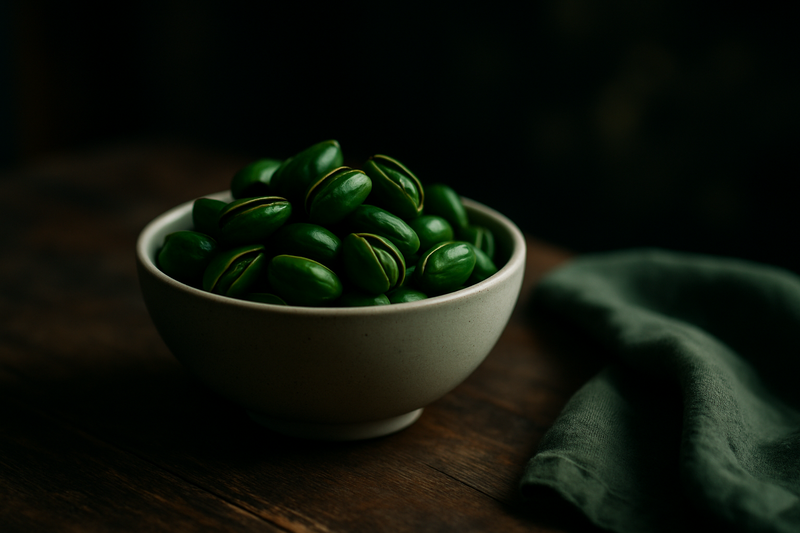
Pistachio Butter · Photograph
Discover the pistachio butter health benefits backed by nutrition science — from heart health and blood sugar balance to gut support and plant protein. Learn how much to eat, what to look for on labels, and how this vivid green spread compares to other nut butters.
Key Nutrients
% Daily Value based on 2,000 cal diet
Key active compounds in pistachio butter
- Monounsaturated fatty acids (MUFAs) — primarily oleic acid; the dominant fat fraction, associated with favourable blood lipid (fat in the blood) changes in nut research.
- Polyunsaturated fatty acids (PUFAs) — including linoleic acid; support cell membrane integrity and anti-inflammatory signalling.
- Polyphenols — a broad family of plant antioxidants that help neutralise free radicals (unstable molecules that can damage cells) and may act as prebiotics (food for beneficial gut bacteria).
- Carotenoids — chiefly lutein and zeaxanthin; the pigments responsible for the green colour, linked to eye and skin protection.
- Resveratrol — a polyphenolic compound also found in grapes; preliminary research links it to cardiovascular protection, though pistachio-specific data are limited.
- Plant sterols — cholesterol-like compounds from plants that compete with dietary cholesterol for absorption in the gut, potentially lowering LDL (low-density lipoprotein, often called "bad" cholesterol).
- Vitamin B6 (pyridoxine) — supports neurotransmitter (brain-signalling chemical) production, hormone metabolism, and immune function.
- Copper — a trace mineral that acts as a cofactor in antioxidant enzymes and aids iron metabolism.
Prep and pairing ideas
Pistachio butter is versatile beyond toast. Here are three practical pairings and the nutritional reasoning behind each:
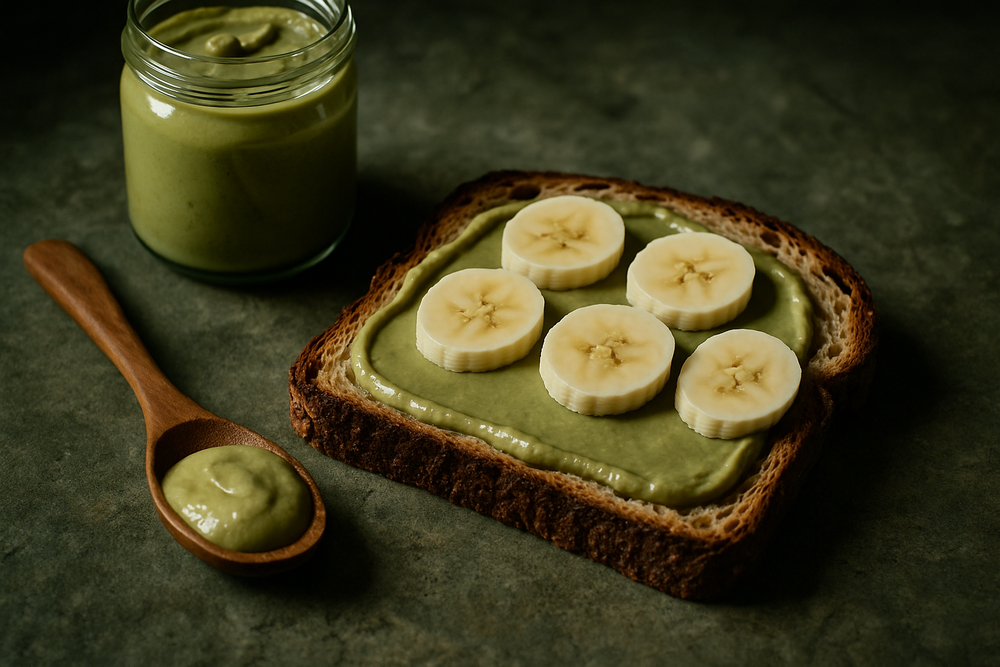
1. On wholegrain sourdough with sliced banana The fibre in the bread and banana slows digestion alongside the fat and protein in the pistachio butter, reducing the glycaemic impact of the banana's natural sugars. The combination also delivers potassium and magnesium for muscle function. This is a balanced, convenient breakfast or snack.
2. Swirled into natural yoghurt with a drizzle of pomegranate molasses Yoghurt provides probiotics (live beneficial bacteria) while the pistachio butter supplies prebiotics (food for those bacteria), creating a synbiotic (probiotic and prebiotic together) combination. The tartness of pomegranate cuts the richness. Works well as a dessert or high-protein breakfast bowl.
3. In homemade baklava or maamoul (Middle Eastern date-and-nut pastries) Traditional pistachio-based pastries use whole or ground nuts; pistachio butter streamlines the filling while retaining the flavour. Using pistachio butter alongside minimal added sweetener keeps the nut-to-sugar ratio higher than most commercial versions, making it a slightly more nutritious take on a classic dessert.
For storage: once opened, pistachio butter should be refrigerated to slow oil oxidation (the process by which fats react with oxygen and go rancid). Natural oil separation is normal — stir before use. Consume within 4–8 weeks for best flavour and antioxidant freshness.
Buying guide: what to look for on the label
Ingredient list first The ideal label reads: Pistachios. Full stop. One ingredient. If you see "pistachio paste" listed as a subcomponent, that is fine — it usually means the same thing. If you see sugar, palm oil, glucose syrup, or "natural flavourings" early in the list, reconsider.
Roasted vs raw Both are valid. Roasted offers deeper flavour; raw preserves slightly more heat-sensitive polyphenols. What matters more is the absence of added ingredients than the roasting method.
Colour as a quality signal Authentic pistachio butter made from green-inner pistachios should be distinctly green to khaki-green. A very pale, beige, or grey product may indicate older nuts, over-roasting, or heavy dilution.
Salt content For heart health and blood pressure, choose unsalted (sodium ≤ 5 mg per serving). Lightly salted options (≤ 100 mg per serving) are a reasonable middle ground if flavour is a priority.
Jar vs squeeze pack Glass jars are preferable — they do not leach plasticisers into fatty foods and are easier to stir. Single-serve squeeze packs are convenient for travel but typically more expensive per gram and often contain additives to improve shelf stability.
Bottom line
Pistachio butter is a concentrated, whole-food source of monounsaturated fats, plant protein, fibre, and a distinctive set of antioxidants — most notably carotenoids, polyphenols, and plant sterols. The evidence supporting its benefits for heart health, blood sugar balance, and gut microbiome diversity is moderate and largely extrapolated from well-designed whole-pistachio studies, with pistachio-butter–specific trials still limited. That extrapolation is reasonable when the butter is made from 100 % ground pistachios without added sugars or oils.
Used in 1–2 tablespoon portions as a replacement for more saturated-fat–rich spreads, pistachio butter fits naturally into heart-healthy, plant-forward, and WFPB eating patterns. Its vivid colour, distinctive flavour, and versatility — from toast to baklava to dessert swirls — make it easier to sustain as a dietary habit than many less palatable "health" foods.
Read labels carefully, start gradually if your gut is sensitive, and keep your tree nut allergy status front of mind. For personalised guidance — especially if you have diabetes, kidney disease, or cardiovascular disease — speak with a registered dietitian or your healthcare team.
Looking to build a diet pattern that supports cardiovascular and metabolic health? Explore our curated goals guides at Plantopedia to see how pistachio butter fits within a broader food-as-medicine approach.
How Pistachio Butter Compares
| Compared with | What's different |
|---|---|
| Pistachio Butter vs. Almond Butter | Lower in fat and higher in eye-protecting carotenoids like lutein. |
| Pistachio Butter vs. Cashew Butter | Contains more protein and fiber per serving with a savory, earthy flavor profile. |
Health Benefits
Things to Know
Tree nut allergy: — Pistachio is a tree nut allergen. If you have a confirmed pistachio allergy or a broader tree nut allergy, avoid pistachio butter entirely. Cross-reactivity (reacting to a related nut because your immune system mistakes it for the one you're allergic to) is possible with cashews and mangoes (same plant family).
Calorie density: — At roughly 180 calories per 2-tablespoon serving, pistachio butter adds up quickly. Adding it on top of an already adequate calorie intake rather than using it to replace something else will not support weight management goals.
Kidney disease: — Pistachios are relatively high in potassium (around 300 mg per serving). People with advanced chronic kidney disease (CKD) who are managing potassium intake should discuss pistachio butter with their nephrologist or renal dietitian before adding it regularly.
Blood pressure: — Choose unsalted pistachio butter if you are managing hypertension. Salted commercial versions can contribute meaningful sodium.
Diabetes and blood sugar medications: — Pistachio butter can modestly alter postprandial glucose responses. If you are on insulin or glucose-lowering oral medications, a significant dietary change is worth discussing with your clinician to avoid unexpected hypoglycaemia (blood sugar dropping too low).
High-fibre intake and medication timing: — Very large amounts of high-fibre foods can occasionally affect absorption timing of oral medications. If you take medications with a narrow therapeutic window (where small changes in blood levels matter a lot), discuss timing with your pharmacist.
Pregnancy: — Pistachio butter is generally considered safe during pregnancy as part of a varied diet. Stick to unsalted, unsweetened versions and be mindful of allergy risk if nut allergies run in the family.
GI sensitivity: — The fat and fibre combination can cause bloating or loose stools in people with irritable bowel syndrome (IBS) or fat malabsorption. Start with a small amount (1 teaspoon) and build up gradually.
Shop This Ingredient
Stock your pantry with quality pistachio butter.
Buy on AmazonAs an Amazon Associate, Plantopedia earns from qualifying purchases. This costs you nothing extra and helps us keep the encyclopedia free.
Frequently Asked Questions
Heart and circulation Human clinical and observational studies consistently link regular pistachio consumption to improvements in blood lipid profiles. Specifically, pistachio intake has been associated with lower LDL cholesterol and improvements in the LDL-to-HDL ratio (HDL is "good" cholesterol that helps clear LDL from arteries). The mechanisms are well understood: MUFAs and PUFAs replace saturated fats in cell membranes and lipoprotein particles, plant sterols interfere with cholesterol absorption in the small intestine, and polyphenols reduce oxidation of LDL particles — a key step in arterial plaque formation. Pistachio butter made from 100 % ground nuts delivers the same fats, sterols, and antioxidants in a convenient spread. Using it to replace butter, cream cheese, or processed spreads higher in saturated or trans fats is a practical swap that aligns with cardioprotective dietary guidance from major health organisations. Evidence for pistachio butter specifically (as opposed to whole nuts) is extrapolated rather than directly proven, so framing the benefit as "can support a heart-healthy pattern" is more accurate than claiming it lowers cholesterol on its own. Digestive health and microbiome Pistachio butter contributes about 3 g of dietary fibre per 2-tablespoon serving, representing roughly 11 % of the typical daily target. Fibre feeds beneficial bacteria in the large intestine, producing short-chain fatty acids (SCFAs) — compounds that nourish colon cells and have anti-inflammatory effects. One human study examining pistachio and almond intake found that pistachios were associated with a more favourable shift in gut microbiome composition compared with almonds, including reductions in some potentially harmful bacterial groups. This prebiotic-like effect is an area of active research, and the available evidence is still early-stage. Studies were conducted on whole nuts, not butter, so effects may be comparable but have not been directly confirmed. If you have sensitive digestion, introduce pistachio butter gradually — the combination of fat and fibre at a full 2-tablespoon serving can cause bloating if your gut is not accustomed to it. Blood sugar and metabolism When pistachio butter is paired with carbohydrate-rich foods (like bread or crackers), its protein, fibre, and fat content collectively slow gastric emptying — the rate at which food leaves the stomach — blunting the rise in blood glucose (blood sugar) that typically follows a carbohydrate-heavy meal. Human studies on pistachios report improvements in postprandial (after-meal) blood glucose responses and, in some cases, better markers of longer-term blood sugar control. These effects depend on portion size and on whether the butter contains added sugar; a sweetened pistachio spread may produce the opposite outcome. The evidence base for pistachio butter's benefits for blood sugar is moderate for whole pistachios and plausible but not confirmed for the butter form specifically. People managing diabetes or prediabetes should focus on unsweetened products and discuss any dietary changes with their care team. Inflammation and recovery Pistachio butter concentrates several compounds associated with lower inflammatory signalling: polyphenols that can modulate NF-κB (a cellular switch involved in triggering inflammation), carotenoids that protect cell membranes from oxidative damage, and MUFAs that replace pro-inflammatory saturated fats in cell structures. Human trials on mixed-nut dietary patterns suggest modest reductions in inflammatory biomarkers (measurable indicators of inflammation in the blood), though pistachio-butter–specific trials have not been identified. The evidence is emerging rather than established, and the most realistic framing is that pistachio butter, used as a replacement for more inflammatory spreads, fits within an anti-inflammatory dietary pattern rather than acting as a standalone anti-inflammatory agent. Hormones and cycle health Pistachios are a notable source of vitamin B6, with one 2-tablespoon serving of pistachio butter providing about 25 % of the daily value. Vitamin B6 plays a direct role in synthesising serotonin, dopamine, and other neurotransmitters, as well as in oestrogen and progesterone metabolism — particularly relevant during the luteal phase of the menstrual cycle when B6 demand may be elevated. Some research on nut-rich dietary patterns also suggests improvements in satiety hormones (such as peptide YY and GLP-1) that help regulate appetite and meal timing. These hormone-related effects are mostly inferred from nutrient physiology and general nut research rather than from controlled trials on pistachio butter itself.
Smooth 100 % pistachio butter The gold standard for nutritional alignment. The ingredient list should read "pistachios" and nothing else. This form mirrors the whole-nut research most closely and avoids the added sodium, sugar, and refined oils found in many commercial jars. Chunky pistachio butter Retains small nut pieces, offering slightly more textural contrast and potentially marginally more intact fibre structures. Nutritionally comparable to smooth versions gram for gram. Raw vs roasted pistachio butter Raw versions preserve more heat-sensitive polyphenols and retain a grassier, more delicate flavour. Roasted versions develop a deeper, nuttier taste. The macro and micronutrient content is similar between both, though roasting intensity and added salt can vary; check labels for both. Pistachio butter with added sugars, oils, or flavourings These products are more widely available and often more affordable, but they reduce or negate the blood-sugar and heart-health case. Added sugar raises the glycaemic load; added palm or partially hydrogenated oils introduce saturated fats. If the first ingredient after pistachios on the label is sugar, salt, or any oil, consider it a flavoured dessert spread rather than a functional food.
The human studies that inform pistachio's health benefits typically used around 28–56 g (1–2 oz) of whole pistachios per day — equivalent to roughly one to two tablespoons (15–30 g) of pistachio butter. That is the evidence-informed starting point. Practical ranges: General health maintenance: 1–2 tablespoons (15–30 g) per day, as part of a varied diet. Weight management contexts: 1 tablespoon (15 g) per day, used to replace a less nutritious spread or snack, keeps added calories modest. Athlete or higher calorie needs: 2–3 tablespoons (30–45 g) per day can meaningfully contribute to protein and healthy fat targets. Start low if your diet has historically been low in fibre or high-fat foods. Introduce 1 teaspoon and increase over one to two weeks to allow digestive adaptation. There is no established upper safe limit for pistachio butter from controlled trials, but calorie density is the practical ceiling for most people — at 90 calories per tablespoon, it adds up. A note on timing: pairing pistachio butter with a carbohydrate-rich meal (rather than eating it alone) maximises its glycaemic-blunting effect. A mid-morning snack of pistachio butter on an oatcake, or a breakfast with pistachio butter on wholegrain bread, uses the nutrient-synergy effect well.
Quick Answers
Common questions, answered in a line.
Authentic pistachio butter should be a distinct green to khaki-green color. A pale, beige, or grey appearance may indicate the use of older nuts, over-roasting, or heavy dilution of the product.
Pistachio butter is a rich source of monounsaturated fatty acids (mostly oleic acid), polyunsaturated fats like linoleic acid, and plant sterols. It also contains polyphenols, carotenoids like lutein, Vitamin B6, and the trace mineral copper.
Once opened, you should refrigerate pistachio butter to slow down oil oxidation and prevent the fats from going rancid. Natural oil separation is normal, so simply stir the butter before use and aim to consume it within 4 to 8 weeks for peak freshness.
You should avoid pistachio butter if you have a confirmed tree nut allergy. Additionally, people with advanced chronic kidney disease (CKD) should consult a doctor due to the high potassium content, and those with IBS should start with small amounts due to the fiber and fat.
Pistachio butter acts as a prebiotic, providing food for beneficial gut bacteria. When swirled into natural yoghurt, which contains probiotics, it creates a synbiotic combination that supports digestive health.
Ideally, the ingredient list for pistachio butter should only contain "pistachios." You should reconsider products that list sugar, palm oil, glucose syrup, or natural flavorings early in the ingredients.
Pistachio butter contains carotenoids, specifically lutein and zeaxanthin. These plant pigments are responsible for the butter's green color and are linked to the protection of both the eyes and the skin.
For Readers in the USA
Local context — sourcing, seasonality, and regional notes.
The majority of U.S. pistachios are grown in California's San Joaquin Valley, where the Mediterranean-like climate provides the ideal hot, dry summers for nut development. Arizona and New Mexico also contribute to the domestic supply, ensuring that fresh pistachio butter is available year-round across the country.
You can find pistachio butter at major U.S. retailers like Whole Foods Market, Trader Joe's, and Sprouts Farmers Market, as well as through specialized online health food stores. While less common than peanut butter in traditional grocery chains, it is increasingly available in the natural or organic aisles of stores like Kroger and Safeway.
U.S. consumers should look for the USDA Organic seal to ensure the pistachios were grown without synthetic pesticides and the 'Non-GMO Project Verified' label if avoiding bioengineered ingredients is a priority. Additionally, checking for the 'Heart-Check' mark from the American Heart Association can help identify brands that meet specific nutritional criteria for heart health.
In the U.S., pistachio butter is widely celebrated in both artisanal 'New American' cuisine and traditional Middle Eastern-American communities, particularly during holidays like Nowruz or Eid. It has gained mainstream popularity as a premium, vibrant ingredient in smoothie bowls, gourmet toasts, and high-end pastry fillings across urban culinary hubs.
AI Clinical Review
- Clear, practical nutrition snapshot: a 2-tablespoon (≈30 g) serving of 100% pistachio butter is calorie‑dense yet provides meaningful MUFAs, plant protein, fiber, vitamin B6, copper, and potassium—consistent with whole‑pistachio data.
- Heart and metabolic framing is appropriate: benefits seen in studies of whole pistachios (LDL support, improved post‑meal glucose when paired with carbs) plausibly extend to unsweetened butter used as a replacement for more saturated‑fat spreads.
- Antioxidant rationale is sound: the vivid green color reflects carotenoids and polyphenols, which contribute to reduced oxidative stress, even if clinical endpoints depend on overall diet.
- Practical guidance is strong: label reading (single‑ingredient products), portion awareness, pairing ideas, storage, and the reminder that added sugars/oils can undercut benefits are all consumer‑relevant.
- Most outcomes are extrapolated from trials on whole pistachios, not pistachio butter per se. Similar portions likely deliver similar nutrients, but butter‑specific clinical trials are limited.
- Microbiome and inflammation findings are early‑stage and modest; they support inclusion within a healthy pattern rather than promising standalone therapeutic effects.
- Carotenoids and resveratrol are present, but their doses in typical servings are relatively small; eye, skin, or cardiometabolic benefits require broader dietary context.
- Roasting and processing can alter some heat‑ or oxygen‑sensitive phytochemicals; the real‑world impact of raw vs roasted butter on health outcomes hasn’t been firmly quantified.
- Typical intake: 1–2 tablespoons (15–30 g) daily is a reasonable range if it replaces, rather than adds to, other calories; athletes or higher‑energy needs may use more. Start small if you have a sensitive gut.
- Allergies and cross‑reactivity: pistachio is a tree‑nut allergen; those with pistachio or cashew allergy should avoid it. Introduce cautiously in households with nut allergies.
- Medical considerations: choose unsalted versions for hypertension; people with diabetes or on glucose‑lowering medications should favor unsweetened butter and monitor responses; those with advanced kidney disease should review potassium loads with their clinician.
- Quality and safety: prefer single‑ingredient products; refrigerate after opening to slow oxidation and use within 4–8 weeks for best flavor and nutrient stability.
Tree nut allergen; check for added sugar in commercial jars.
References
- USDA FoodData Central — pistachio nuts, dry roasted (nutrient reference database) (fdc.nal.usda.gov)
- NIH Office of Dietary Supplements — Vitamin B6 Fact Sheet for Health Professionals (ods.od.nih.gov)
- Hernandez-Alonso P, et al. (2016). Beneficial effect of pistachio consumption on glucose metabolism, insulin resistance, inflammation, and related metabolic risk markers — a randomized clinical trial. Diabetes Care, 39(2), 284–292 (doi.org)
- Gebauer SK, et al. (2008). Pistachio nut consumption modifies fasting and postprandial endothelial function and the metabolic profile in adults with diabetes. Journal of the American College of Nutrition, 27(5), 575 (ncbi.nlm.nih.gov)
- Gulati S, et al. (2014). Effects of pistachio nuts on body composition, metabolic, inflammatory and oxidative stress parameters in Asian Indians with metabolic syndrome. Nutrition Journal, 13, 69 (doi.org)
- Baer DJ & Novotny JA (2019). Metabolizable energy from pistachio nuts is less than predicted by Atwater factors. Nutrients, 11(6), 1382 (doi.org)
- Dahl WJ & Zello GA (2012). Fibre, prebiotics, and the microbiome — overview of pistachio nut prebiotic evidence. Applied Physiology, Nutrition, and Metabolism, 37(3) (cdnsciencepub.com)
- British Nutrition Foundation — Nuts and seeds: health benefits, types and serving sizes (nutrition.org.uk)
- GymBeam — Pistachio Butter: The New King of Nut Butters (gymbeam.com)
- Well+Good — Pistachio Butter Is Here, and It's Full of Protein and Gut-Healthy Benefits (wellandgood.com)
Know Your Numbers
Eating healthy is a start. Now get to know your biomarkers.
Food changes bloodwork — inflammation, lipids, blood sugar and nutrient status all respond to what you eat. 59 markers from $59.
- Results in 7–10 days at 2,000+ Quest sites
- Licensed provider reviews every result
- One flat price, no membership, HSA/FSA eligible
Educational information only, not medical advice. Panels are ordered and reviewed through our licensed partner; Plantopedia may earn a commission.