Foods That Support Insulin Sensitivity
A cluster of foods, legumes, intact whole grains, nuts, fatty fish, vinegar, and fiber-rich vegetables and berries, are consistently linked in research to better insulin sensitivity, mainly by slowing glucose absorption, improving fasting insulin and HOMA-IR markers, and supporting a healthier...
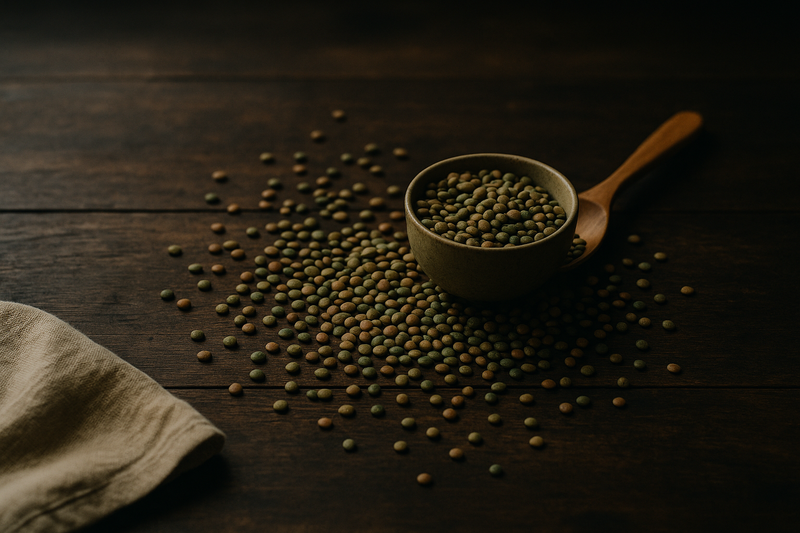
A cluster of foods, legumes, intact whole grains, nuts, fatty fish, vinegar, and fiber-rich vegetables and berries, are consistently linked in research to better insulin sensitivity, mainly by slowing glucose absorption, improving fasting insulin and HOMA-IR markers, and supporting a healthier gut and inflammatory profile. None of them works in isolation, and none reverses insulin resistance on its own. The overall pattern you eat most days, alongside activity, sleep, and weight status, matters more than any individual food on this list.
Key takeaways
- Legumes and intact whole grains are two of the most consistently studied food groups for improving fasting insulin and post-meal glucose response.
- Nuts, fatty fish, and vinegar have supporting evidence for improving how the body responds to a meal's carbohydrate load.
- Effects are measured in biomarkers (like HOMA-IR or post-meal glucose) more often than in hard clinical outcomes, and effect sizes are generally modest.
- Overall dietary pattern, consistency, and physical activity influence insulin sensitivity more than any single food added to an otherwise unchanged diet.
- People on glucose-lowering medication or insulin should not make major dietary changes without medical guidance, since combining these foods with certain medications can affect blood sugar control.
How these foods were chosen
This list draws on foods with support from randomized controlled trials or systematic reviews measuring insulin sensitivity markers (fasting insulin, HOMA-IR, post-meal glucose and insulin area-under-curve) rather than foods with only marketing claims or animal-only data behind them. Priority went to foods studied in human adults, ideally with more than one independent trial or a meta-analysis, and to effects that are plausible mechanistically, such as slowed carbohydrate absorption from fiber or acetic acid, rather than speculative claims. Foods with only preliminary or single-study evidence are noted as such rather than presented as settled.
The food list, and why each earns its place
- /food/lentils and other legumes: Trials link regular bean and legume intake to improved insulin sensitivity and lower HbA1c, largely credited to their combination of soluble fiber, resistant starch, and plant protein, which blunts the post-meal glucose rise.
- /food/oats and barley (intact whole grains): Systematic reviews of randomized trials show whole grain intake, particularly beta-glucan-rich grains like oats and barley, modestly lowers post-meal glucose and insulin responses compared with refined grains.
- /food/walnuts and almonds: Nuts added to carbohydrate-containing meals are associated with a gentler post-meal glucose spike in several trials, likely from their fiber, unsaturated fat, and protein content, though whole-nut portions matter given their calorie density.
- /food/salmon and other fatty fish: A source of long-chain omega-3 fats studied for supporting a healthier overall metabolic and inflammatory profile, which is relevant to insulin sensitivity, though fish is more consistently linked to cardiovascular benefit than to insulin sensitivity specifically.
- /food/blueberry and other berries: A randomized trial in overweight and obese adults found a mixed-berry intervention improved insulin sensitivity measures over several weeks, an encouraging but still limited body of evidence.
- /food/apple-cider-vinegar: A meta-analysis of dozens of clinical trials found vinegar consumed with a meal reduced post-meal glucose and insulin area-under-curve, likely by slowing stomach emptying; effects are modest and specific to the meal it accompanies.
- /food/extra-virgin-olive-oil: Used in place of saturated fats or refined oils, it is a component of dietary patterns (like Mediterranean-style eating) repeatedly associated with better insulin sensitivity markers in trials.
- /food/spinach and other non-starchy leafy vegetables: Low in carbohydrate and high in fiber and magnesium, they add volume and nutrients to a meal without contributing to a glucose spike, supporting the overall pattern described below.
How to actually use them
The practical goal is to build most meals around this cluster rather than treating any one item as a fix. A workable approach: make legumes or intact whole grains your default starch more often than refined grains, keep a handful of nuts or seeds as a regular snack or meal addition, aim for fatty fish once or twice a week, and use a vinegar-based dressing on a vegetable side with carbohydrate-containing meals. None of this requires giving up other foods entirely; it is about shifting the balance of what shows up on your plate most days.
Why the overall pattern matters more than any single food
Most of the strongest evidence for insulin sensitivity comes from studying dietary patterns, such as Mediterranean-style or minimally processed plant-forward diets, rather than isolated foods added to an otherwise unchanged diet. A meta-analysis of randomized trials on plant-based dietary patterns found consistent improvements in insulin sensitivity markers, an effect that reflects the combination of higher fiber, lower saturated fat, and more minimally processed foods across the whole diet, not any single ingredient. Adding walnuts to a diet still heavy in refined carbohydrates and added sugar is unlikely to move the needle much on its own. Consistency over months, alongside physical activity, adequate sleep, and, where relevant, weight management, plays a larger overall role than any individual food choice.
Who should adapt or be cautious
People taking insulin or other glucose-lowering medications should talk with their prescriber before making significant dietary changes, since improving insulin sensitivity through diet can affect medication needs and increase the risk of low blood sugar if doses are not adjusted accordingly. Anyone with kidney disease should check with their care team before increasing legume, nut, or certain vegetable intake, since some of these foods are higher in potassium or phosphorus. Vinegar can interact with certain medications and is not advised in large amounts for people with delayed stomach emptying (gastroparesis) or acid reflux. Nut allergies obviously rule out that category; leafy greens are a reasonable substitute for some of the same fiber benefit.
When to seek care
Dietary changes support insulin sensitivity, but they are not a substitute for diagnosis or treatment of diabetes or prediabetes. See a healthcare provider for blood testing if you have symptoms such as excessive thirst, frequent urination, unexplained weight loss, blurred vision, slow-healing wounds, or persistent fatigue, since these can indicate blood sugar levels that need medical management alongside, not instead of, dietary changes. If you are already on medication for diabetes and considering meaningful diet changes, coordinate with your care team first so your treatment plan can be adjusted safely.
Bottom line
Legumes, intact whole grains, nuts, fatty fish, berries, vinegar, olive oil, and leafy vegetables all have reasonable evidence linking them to better insulin sensitivity markers, and building a diet around this cluster is a sound, low-risk strategy. But the research consistently points to overall pattern and consistency, not any single food, as the bigger driver, and diet works alongside, not in place of, medical care for diagnosed insulin resistance or diabetes.
Frequently asked questions
Can food alone reverse insulin resistance?
Diet is one of several important levers, alongside physical activity, sleep, and weight status, but "reverse" overstates what any single approach guarantees for every person. Many people see meaningful improvement in markers with sustained dietary and lifestyle change, evaluated by a clinician through blood testing.
How much apple cider vinegar should I take for blood sugar?
Research trials commonly use small amounts, roughly one to two tablespoons diluted in water with a meal, but exact amounts and safety depend on your health history and any medications you take. Ask a healthcare provider or dietitian before adding it regularly, especially if you take diabetes medication or have reflux.
Are refined carbohydrates always bad for insulin sensitivity?
Occasional refined carbohydrates are not automatically harmful, but a pattern heavy in refined grains and added sugar, with little fiber or protein alongside, is consistently linked to worse insulin sensitivity over time compared with a pattern built around whole foods.
Do I need to avoid fruit if I am working on insulin sensitivity?
Whole fruit, including berries, is generally supported by the evidence for insulin sensitivity because of its fiber and polyphenol content, unlike fruit juice or added sugars, which lack that fiber. Portion and overall diet context still matter.
How long does it take to see a change in insulin sensitivity from diet?
Some trials show measurable changes in post-meal glucose and insulin responses within weeks of consistent dietary change, while broader markers like fasting insulin or HOMA-IR often take longer, commonly eight to twelve weeks or more, and depend on adherence and other lifestyle factors.
Sources and evidence
- NIDDK, insulin resistance and prediabetes
- Whole grain intake and glycaemic control, systematic review and meta-analysis, PMC/NIH
- Dietary fibre and whole grains in diabetes management, systematic review and meta-analyses, PLOS Medicine
- Anthocyanin-rich mixed-berry intervention and insulin sensitivity, randomized trial, PMC/NIH
- Effects of plant-based diets on markers of insulin sensitivity, systematic review and meta-analysis
- Vinegar consumption and postprandial glucose/insulin responses, systematic review and meta-analysis, PubMed/NIH
- USDA MyPlate, grains group and fiber guidance
Know Your Numbers
Eating healthy is a start. Now get to know your biomarkers.
Food changes bloodwork — inflammation, lipids, blood sugar and nutrient status all respond to what you eat. 59 markers from $59.
- Results in 7–10 days at 2,000+ Quest sites
- Licensed provider reviews every result
- One flat price, no membership, HSA/FSA eligible
Educational information only, not medical advice. Panels are ordered and reviewed through our licensed partner; Plantopedia may earn a commission.