Heart-Healthy Plant-Based Grocery List
A store-section-by-store-section shopping list built on beans, intact whole grains, produce, nuts, seeds and olive oil, with the evidence behind each block. Includes substitutions, prep shortcuts and cautions for kidney disease, sodium restriction and anticoagulant users.
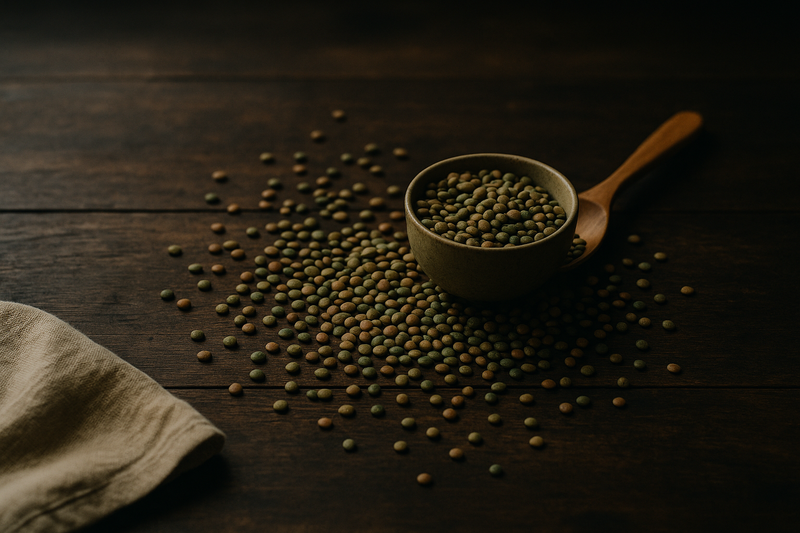
A heart-healthy plant-based cart rests on six anchors: beans and lentils, intact whole grains, vegetables (fresh and frozen), fruit, nuts and seeds, and extra virgin olive oil, with soy foods and no-salt-added canned goods filling the gaps. Shop for fiber, unsaturated fat and potassium, and read labels for sodium and added sugar. The list below is organized by store section, so one trip covers a week of meals.
Key takeaways
- Buy staples that keep (dry and canned legumes, frozen vegetables, whole grains) so a heart-healthy meal is always possible on a bad day.
- Pooled cohort data associate each 90 grams a day of whole grains with roughly 22 percent lower cardiovascular disease risk, one of the more consistent findings in nutrition epidemiology.
- Pulses lower LDL cholesterol modestly in randomized trials, at intakes of about half to three quarters of a cup a day.
- Replacing saturated fat sources with liquid plant oils is a core recommendation in American Heart Association guidance, which is why olive oil belongs on the list and butter does not.
- Sodium is the label to read: canned goods, breads, sauces and frozen meals are where most of it hides.
Design principles
Fiber-dense staples come first. Legumes and intact grains are the cheapest fiber in the store and the backbone of every meal on this list.
Unsaturated fat replaces saturated fat. The benefit comes from the swap, not from adding oil. Liquid plant oils in place of butter, coconut oil and palm oil.
Sodium is a shopping decision, not a table decision. Most sodium in the US diet arrives already in the food. Choosing no-salt-added canned beans and tomatoes does more than moving the salt shaker.
Minimally processed beats packaging that says plant-based. Many plant-based convenience products are high in sodium and saturated fat. The word on the front of the box is not a nutrition claim.
Buy for the meals you will actually cook. A rotting bunch of chard helps no one. Frozen and canned versions count.
Repeat, then vary. Build three or four reliable meals, then rotate one new ingredient in each week for variety.
The list, section by section
1. Dry and canned legumes
Buy: dried and canned lentils, black beans, chickpeas, kidney beans, split peas. Choose no-salt-added cans, or rinse regular cans well.
Why it fits: Randomized trials of pulses show modest but consistent LDL cholesterol reductions at intakes around half to three quarters of a cup a day. They also deliver potassium, folate and soluble fiber for almost no money.
2. Oats and barley
Buy: rolled or steel-cut oats, pearled or hulled barley.
Why it fits: Both are rich in beta-glucan, a viscous soluble fiber. Meta-analyses of randomized trials report that oats and isolated beta-glucan lower total cholesterol, LDL cholesterol and triglycerides.
3. Other intact whole grains
Buy: brown or wild rice, quinoa, farro, bulgur, 100 percent whole-grain bread and pasta.
Why it fits: In dose-response meta-analysis of prospective cohorts, each 90 grams a day of whole grains was associated with roughly 22 percent lower cardiovascular disease risk and 17 percent lower all-cause mortality, with benefits continuing up to about seven servings a day. These are associations, not proof of cause, but they are large and consistent.
4. Frozen vegetables
Buy: broccoli, spinach, green beans, peas, edamame, mixed stir-fry blends, plain and unsauced.
Why it fits: Frozen produce is picked ripe, keeps for months, and removes the main excuse for skipping vegetables. Nutritionally it is comparable to fresh for most purposes.
5. Fresh produce anchors
Buy: kale or another sturdy leafy green, cabbage, carrots, onions, garlic, bell peppers, sweet potatoes.
Why it fits: These are the longest-lasting fresh vegetables, so they survive a full week. Leafy greens and root vegetables also carry potassium, which supports healthy blood pressure as part of an overall pattern.
6. Fruit
Buy: frozen berries, bananas, apples, oranges, and whatever is in season and cheap.
Why it fits: Whole fruit provides fiber and potassium with the sugar packaged inside a food matrix, unlike juice. Frozen berries cost less than fresh and work in oatmeal, smoothies and yogurt.
7. Nuts and seeds
Buy: unsalted walnuts, almonds, ground flaxseed, chia seeds, pumpkin seeds, unsweetened nut butter.
Why it fits: A meta-analysis of 139 randomized trials found nuts modestly lowered LDL cholesterol, total cholesterol, triglycerides and apolipoprotein B, though the authors rated certainty as very low. Nuts also make vegetables and grains taste like a meal.
8. Oils, vinegars and seasonings
Buy: extra virgin olive oil, a neutral high-heat oil, red wine and balsamic vinegar, no-salt herb blends, smoked paprika, cumin, black pepper, lemons.
Why it fits: AHA guidance specifically recommends non-tropical liquid plant oils in place of saturated fat. Acid and spice are how you cut salt without the food tasting flat.
9. Soy and other protein
Buy: firm tofu, tempeh, unsweetened soy or pea milk, frozen edamame.
Why it fits: Soy foods supply complete protein with no cholesterol and little saturated fat, which is the substitution that drives most of the benefit when plant protein replaces processed meat.
Substitutions
- No time to soak beans? Canned, rinsed. The cholesterol trials used canned beans among other forms.
- Oats upset your stomach? Barley, or a bowl of quinoa with fruit.
- Nut allergy? Sunflower seeds, pumpkin seeds and sunflower seed butter.
- Dislike tofu? Lentils, chickpeas or tempeh give the same role in a meal.
- Olive oil too expensive? Canola oil is a reasonable everyday liquid plant oil. Save the good olive oil for finishing.
- No fresh greens left? Frozen spinach or kale straight into soup, chili or pasta sauce.
- Whole-grain pasta not popular at home? Half whole-grain, half regular, or a legume-based pasta.
Prep and time-saving notes
- Cook one grain and one legume on the weekend. A pot of barley and a pot of lentils turns into grain bowls, soups and salads all week.
- Batch-freeze. Cooked beans freeze well in one-cup portions, which is cheaper than canned and just as fast once frozen.
- Build a dressing jar. Olive oil, vinegar, mustard, garlic and pepper. It makes plain vegetables edible for five days.
- Roast a tray of vegetables. Sheet-pan roasting at high heat concentrates flavor and needs no attention.
- Keep a flavor shortcut. No-salt-added canned tomatoes, garlic and a spice blend can rescue any bland pot of grains and beans.
- Shop the perimeter, then two aisles. Produce, then the dry goods and frozen aisles. Most of the sodium and added sugar lives in the aisles you skip.
Who should adapt
- Chronic kidney disease. Many foods on this list are high in potassium and phosphorus. Do not adopt it wholesale. Ask your nephrology dietitian for specific limits and portions.
- Heart failure or a sodium-restricted diet. Choose no-salt-added everything, skip olives, pickles and most jarred sauces, and check bread labels, which are a common hidden source.
- Warfarin users. Leafy greens are high in vitamin K. The usual advice is to keep intake steady week to week rather than avoid greens. Tell your anticoagulation clinic before changing your vegetable habits.
- Diabetes. This pattern generally supports steady blood glucose, but if you take insulin or a sulfonylurea, a sudden increase in carbohydrate-rich legumes and grains may need dose review with your care team.
- IBS or sensitive digestion. Beans, onions and garlic are high in fermentable carbohydrates. Increase slowly, use canned and rinsed legumes, and consider working with a dietitian.
- Tight budget. Dried legumes, oats, frozen vegetables, bananas, carrots, cabbage and store-brand canned tomatoes cover most of this list cheaply. Nuts and olive oil are the expensive items and can be scaled back.
When to seek care. Chest pain or pressure, pain radiating to the arm or jaw, sudden shortness of breath, fainting, or new swelling in the legs are reasons to seek urgent medical attention, not dietary adjustment. Call emergency services rather than waiting.
Bottom line
Stock legumes, oats and barley, other intact whole grains, frozen and hardy fresh vegetables, fruit, unsalted nuts and seeds, olive oil and soy foods. Those nine blocks assemble into most heart-healthy meals, they keep well, and each one has human evidence behind it. Read labels for sodium, favor swaps over additions, and adapt the list rather than abandon it if you have kidney disease, take warfarin or are on a sodium restriction.
Frequently asked questions
Are canned beans as good as dried? Yes, for practical purposes. Randomized trials showing LDL reductions have used canned beans. Choose no-salt-added versions when available, or drain and rinse regular cans, which removes a meaningful share of the sodium.
Is olive oil really better than other oils? Extra virgin olive oil has the most trial evidence behind it, largely from Mediterranean diet research such as PREDIMED. The broader principle in AHA guidance is to use non-tropical liquid plant oils instead of saturated fat sources. Canola, sunflower and soybean oils also fit that principle at lower cost.
How much whole grain should I aim for? Cohort data show risk continuing to fall up to roughly 210 to 225 grams a day, which is a lot. A more realistic target is making most of your grains whole, which for many people means three to five servings daily.
Do I need to buy organic for heart health? No. There is no good evidence that organic status affects cardiovascular outcomes. If budget is limited, spend it on quantity and variety of plants rather than on organic labeling.
Can this list replace my cholesterol medication? No. Dietary changes and medication address different parts of the problem and are usually used together. Never stop or reduce a prescription based on a diet change. Bring your plan to your clinician and let repeat lab work guide any adjustment.
Sources and evidence
- American Heart Association diet and lifestyle recommendations
- 2021 AHA scientific statement on dietary guidance to improve cardiovascular health
- Whole grain intake and cardiovascular disease, cancer and mortality, dose-response meta-analysis
- Legumes, cholesterol and cardiovascular risk, Linus Pauling Institute review
- Canned beans and serum cholesterol, multicenter randomized crossover trial
- Whole oats and isolated beta-glucan on lipid profile, meta-analysis of randomized trials (https://www.clinicalnutritionespen.com/article/S2405-4577(22)01429-2/abstract)
- Tree nut and peanut consumption and cardiovascular risk factors, meta-analysis of 139 randomized trials
- PREDIMED trial of a Mediterranean diet with olive oil or nuts, republished 2018
- Food composition data for comparing products, USDA FoodData Central
Know Your Numbers
Eating healthy is a start. Now get to know your biomarkers.
Food changes bloodwork — inflammation, lipids, blood sugar and nutrient status all respond to what you eat. 59 markers from $59.
- Results in 7–10 days at 2,000+ Quest sites
- Licensed provider reviews every result
- One flat price, no membership, HSA/FSA eligible
Educational information only, not medical advice. Panels are ordered and reviewed through our licensed partner; Plantopedia may earn a commission.