High-Fiber Foods for Metabolic Health
An evidence-ranked list of high-fiber foods for metabolic health, with the selection criteria made explicit, realistic serving amounts, and guidance on who should adapt or be cautious.
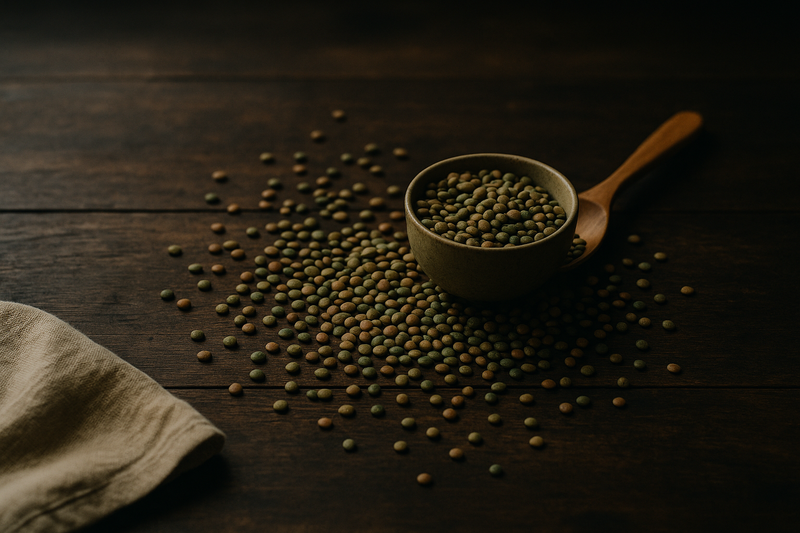
The high-fiber foods with the strongest metabolic evidence are legumes, oats and barley, chia and ground flaxseed, and intact whole grains, followed by high-fiber fruits and vegetables. What matters most is total daily fiber, roughly 25 to 35 grams against a US adult average near 16 grams, plus the presence of viscous, gel-forming fiber, which has the clearest randomized trial evidence for post-meal blood sugar and LDL cholesterol.
Key takeaways
- US adults average about 16 grams of fiber per day, while the best outcome signal in large meta-analyses sits around 25 to 29 grams.
- Viscous soluble fiber has the most direct metabolic trial evidence: in type 2 diabetes it has lowered HbA1c by about 0.47 percentage points and LDL cholesterol modestly.
- Legumes are the single most efficient whole-food source, delivering roughly 12 to 16 grams of fiber per cooked cup.
- Doses matter: metabolic effects in trials generally appeared above roughly 8 grams of viscous fiber per day and after more than six weeks.
- Total dietary pattern beats any single food, and adding fiber to an otherwise unchanged diet does less than substituting fiber-rich foods for refined ones.
How these foods were chosen
The list below was built on five explicit criteria rather than popularity.
- Fiber density per realistic serving. Amounts are approximate and reflect USDA FoodData Central values for ordinary portions, not laboratory maximums. Look up exact values there if you need precision.
- Evidence tier. Foods with randomized controlled trial data on glucose or lipid endpoints rank above foods supported only by association or by fiber content alone.
- Type of fiber. Viscous, gel-forming fiber (beta-glucan, pectin, mucilage) has the most direct metabolic evidence. Fermentable fiber matters for the gut microbiome. Insoluble bulk fiber matters for bowel function but has weaker metabolic data.
- Whole-food form. Foods where the fiber arrives inside an intact matrix, with the minerals and polyphenols attached.
- Practicality. Cheap, shelf-stable and usable several times a week.
Two things were deliberately excluded. Isolated fiber powders marketed on a health claim are not on the list, because the evidence for whole-food fiber patterns is broader than for any single isolate. Neither are ultra-processed "high-fiber" bars and snacks where chicory root fiber has been added to an otherwise refined product, since that added fiber has not been shown to reproduce whole-food effects.
The food list, and why each earns its place
/food/lentils (about 15 to 16 grams per cooked cup). The best fiber-to-effort ratio in the pantry. Lentils combine soluble and insoluble fiber with plant protein and resistant starch, cook in 20 minutes without soaking, and lower the glycemic load of the meal they are part of.
/food/black-beans (about 15 grams per cooked cup). Comparable fiber to lentils with more resistant starch, particularly after cooling. Canned and rinsed is nutritionally fine and removes the planning problem.
/food/chickpeas (about 12 to 13 grams per cooked cup). Slightly lower in fiber than lentils but unusually versatile, which matters more than a two-gram difference if it means you actually eat them.
/food/oats (roughly 4 grams per half cup of dry rolled oats, including about 2 grams of beta-glucan). Oats earn their place on trial evidence rather than fiber quantity. Meta-analyses of acute feeding trials show oat beta-glucan reduces post-meal glucose and insulin responses, with a European Food Safety Authority panel concluding that about 4 grams of beta-glucan per 30 grams of available carbohydrate is needed for a consistent effect. Oat bran concentrates this further.
/food/barley (about 6 grams per cooked cup, pearled). The other major beta-glucan grain, and a direct substitute for rice in soups, salads and grain bowls. Hulled barley carries more fiber than pearled.
/food/chia-seeds (about 10 grams per ounce). Extremely fiber-dense, largely as gel-forming mucilage, which is the fiber class with the best metabolic trial data. Two tablespoons stirred into yogurt or oats is a meaningful contribution.
/food/flaxseed (about 4 grams per two tablespoons, ground). Must be ground to be useful. Adds soluble fiber, lignans and the plant omega-3 ALA.
/food/raspberry (about 8 grams per cup). The highest-fiber common fruit by a wide margin, and mostly water and fiber by weight. Frozen works and is usually cheaper.
/food/avocado (about 5 grams per half). Fiber plus monounsaturated fat, which is a useful combination for satiety and for lipid profile when it replaces butter or processed spread.
/food/almonds (about 3.5 grams per ounce). Not the densest source, but nuts consistently appear in cardiometabolic evidence and the portion is easy to control.
Also worth having in rotation: artichokes, green peas, pears with skin, /food/sweet-potato with skin, and any intact whole grain.
How to actually use them
The hard part is not knowing which foods are high in fiber. It is getting them into ordinary days.
- Anchor breakfast. Half a cup of dry oats with two tablespoons of chia and a cup of frozen raspberries is roughly 20 grams of fiber before you have made a decision all day.
- Batch-cook one legume weekly. A single pot of lentils or beans covers three or four meals and removes the daily decision.
- Pair viscous fiber with the carbohydrate it should slow down. Beta-glucan and mucilage work in the same meal as the starch, not hours apart.
- Substitute rather than add. Barley instead of white rice, beans instead of half the ground meat, whole fruit instead of juice.
- Ramp slowly. Increase by roughly 5 grams per day each week and raise fluid intake alongside. Rapid jumps cause gas and bloating that make people quit.
- Handle preparation properly. Grind flaxseed, hydrate chia in liquid for at least ten minutes, rinse canned beans, and keep skins on fruit and potatoes.
- Count for three days once. A short, honest audit tells you more than any list.
What the trials suggest you can expect. A meta-analysis of randomized trials of viscous soluble fiber in people with type 2 diabetes reported reductions of about 0.47 percentage points in HbA1c, about 0.93 mmol/L in fasting glucose, about 0.33 mmol/L in total cholesterol and about 0.24 mmol/L in LDL cholesterol, with no significant change in HDL or triglycerides. Effects were significant mainly at doses above roughly 8.3 grams per day and durations beyond six weeks. These are real but modest, and they sit alongside medication rather than replacing it.
Why the overall pattern matters more than any single food
The largest synthesis of fiber evidence, a Lancet series covering 185 prospective studies and 58 clinical trials, found that the lowest risk of cardiovascular disease, type 2 diabetes, colorectal cancer and premature death clustered around daily fiber intakes of 25 to 29 grams, with signs of further benefit above that. That finding is about total fiber from food across a whole diet, not about any one item.
Three implications follow. First, no single high-fiber food closes a 10-gram gap. It takes several changes across the day. Second, substitution matters more than addition, because the metabolic benefit comes partly from what the fiber-rich food displaces. Third, fiber variety appears to matter for the gut microbiome. Systematic review evidence in healthy adults shows short-chain fatty acid production varies substantially by fiber type and by individual, which argues for rotating legumes, grains, seeds, fruit and vegetables rather than relying on one source.
Who should adapt or be cautious
- Irritable bowel syndrome. Some fermentable fibers reliably trigger symptoms. Work with a dietitian on a structured approach rather than maximizing intake.
- Inflammatory bowel disease, intestinal strictures, gastroparesis, or recent bowel surgery. Fiber increases may be contraindicated or need to be specific in type. Get individualized clinical advice first.
- Diabetes treated with insulin or sulfonylureas. A meaningful fiber increase can lower blood glucose. That is usually welcome, but it can require dose review. Tell your prescriber and do not adjust doses yourself.
- Medication timing. Fiber can slow or reduce absorption of some medications, including levothyroxine. Separating medications from large fiber loads by a couple of hours and asking a pharmacist is sensible.
- Chronic kidney disease. Legumes and whole grains carry potassium and phosphorus, which may need to be managed. Follow your renal dietitian's guidance.
- Low appetite, unintentional weight loss, or frailty in older adults. Very high-fiber, high-volume meals can crowd out calories. Prioritize energy and protein density.
- Anyone increasing fiber. Raise fluids alongside. Adding bulk without fluid can worsen constipation rather than help it.
Seek medical care for blood in the stool, unexplained weight loss, persistent abdominal pain, or a new and unexplained change in bowel habit. Those need assessment, not more fiber.
Bottom line
Legumes, oats, barley, chia, flaxseed and high-fiber fruits are the workhorses, and viscous fiber carries the clearest metabolic trial evidence. Expect modest, real effects on blood sugar and cholesterol over months, not dramatic ones over days. The number that actually predicts benefit is your total daily fiber intake across a varied whole-food pattern, so the most useful question is not which food is best but which three meals you can change this week.
Frequently asked questions
How much fiber should I aim for? Common US guidance works out to roughly 25 to 35 grams a day for most adults, scaled to calorie intake. Large meta-analyses find the strongest risk reduction clustering around 25 to 29 grams per day, with some evidence of further benefit above that. Since US adults average about 16 grams, most people benefit from moving up rather than from hitting a precise target.
Is a fiber supplement as good as high-fiber food? For specific outcomes such as post-meal glucose or LDL cholesterol, isolated viscous fibers do have supporting trial data. For the broader associations with lower mortality and chronic disease, the evidence is built on whole foods, which also deliver protein, minerals and polyphenols. Supplements are a reasonable adjunct if food alone is not working, and worth discussing with a clinician.
Will more fiber help me lose weight? Higher-fiber foods tend to increase fullness and lower calorie density, and higher-fiber diets are associated with lower body weight, but fiber alone is not a weight-loss intervention. Treat it as a supporting change within an overall pattern rather than a strategy on its own.
Why do beans cause gas, and does it go away? Fermentable oligosaccharides in legumes are broken down by colonic bacteria, producing gas. For many people this eases over two to four weeks of regular, gradually increased intake as the gut microbiome adapts. Rinsing canned beans, starting with smaller portions, and choosing lentils over larger beans initially all help.
Does cooking or blending destroy fiber? Cooking does not destroy fiber, though it changes texture and can alter resistant starch content, and cooling cooked starches such as potatoes and rice increases resistant starch. Blending keeps fiber but breaks the food matrix, which can blunt some of the effect on post-meal glucose. Juicing removes most of the fiber entirely.
Sources and evidence
- Carbohydrate quality and human health, a Lancet series of systematic reviews and meta-analyses (https://www.thelancet.com/journals/lancet/article/PIIS0140-6736(18)31809-9/fulltext)
- Meta-analysis of viscous soluble dietary fiber on glucose and lipid metabolism in type 2 diabetes
- Systematic review and meta-analysis of oat beta-glucan on postprandial glucose and insulin responses
- Meta-analysis of oat beta-glucan intake on glycemic control and insulin sensitivity in diabetes
- US federal data brief on dietary fiber intake of the US population
- USDA FoodData Central, the reference database for fiber values per serving
- Dietary Guidelines for Americans, food sources of dietary fiber
- Systematic review of dietary fiber effects on short-chain fatty acids and gut microbiota in healthy adults
- Mayo Clinic reference chart of high-fiber foods and serving amounts
Know Your Numbers
Eating healthy is a start. Now get to know your biomarkers.
Food changes bloodwork — inflammation, lipids, blood sugar and nutrient status all respond to what you eat. 59 markers from $59.
- Results in 7–10 days at 2,000+ Quest sites
- Licensed provider reviews every result
- One flat price, no membership, HSA/FSA eligible
Educational information only, not medical advice. Panels are ordered and reviewed through our licensed partner; Plantopedia may earn a commission.